
The Jeep Wrangler and Toyota 4Runner showcase two very different approaches to building off-road SUVs, yet both are iconic. Few vehicles carry as much history as the 2026 Jeep Wrangler, whose origins trace back to the now-defunct American Bantam and its role in World War II. The 2026 Toyota 4Runner also boasts a proud history, closely linked to the Toyota Tacoma pickup trucks, which continue to perform exceptionally today.
Over the decades, the Wrangler has maintained its unmistakable boxy profile, signature seven-slot grille, and removable doors and roof panels. The modern version of the Jeep keeps the spirit of the original. Meanwhile, the 4Runner, which has been built continuously since 1984, steps into 2026 entering the second year of its sixth-generation redesign. It features body-on-frame construction, as do the Tacoma and Land Cruiser, and offers turbocharged and turbo-hybrid powertrains. Its base versions come with rear-wheel drive (2WD), while the rival Jeep is available only with four-wheel drive (4WD).
The biggest differences between the two iconic off-roaders are in their body styles. The Wrangler comes in two- or four-door setups, while the 4Runner is only a five-door vehicle with an optional third row seating up to seven passengers. Both offer a wide range of trim levels: the Wrangler has nine, as does the 4Runner. Currently, Toyota does not have an equivalent to the Wrangler's Moab 392 high-performance model, but both vehicles include a variety of electronic off-road aids.
In this classic showdown, it comes down to tradition versus practical evolution. Both SUVs perform well off-road, so choose the one that moves your heart for your next adventures.
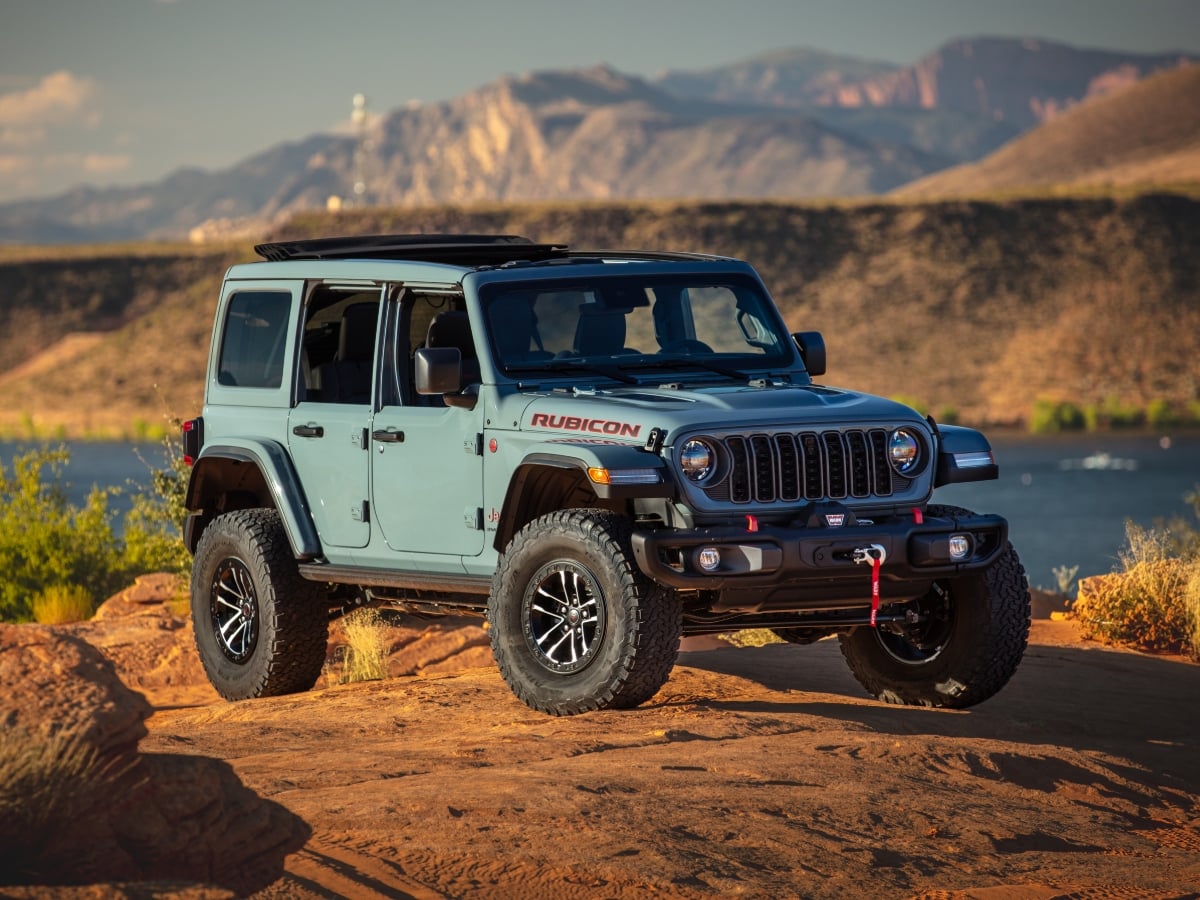
2026 Jeep Wrangler Rubicon
Shoppers considering the 2026 Jeep Wrangler can choose from nine trims: Sport, Sport S, Willys, 85th Anniversary Edition, Willys ’41, Rubicon, Sahara, Rubicon X, and Moab 392. The plug-in hybrid Wrangler 4xe is discontinued for the 2026 model year. All 2026 Wranglers come standard with 4WD, and most offer two- or four-door configurations. Entry-level pricing starts at $38,030 for the two-door Sport, rising to $81,990 for the four-door Moab 392. All prices include the $1,995 destination charge.
Jeep has eliminated free scheduled maintenance on the 2026 Wranglers but offers five years or 60,000 miles of roadside assistance. Jeep Connect basics is free for 10 years, and the Wrangler also includes a Wi-Fi hotspot trial.
The 2026 4Runner offers nine trims or “grades,” as Toyota names them: SR5, TRD Sport (and Premium), TRD Off-Road (and Premium), Limited, Platinum, TRD Pro, and Trailhunter. The i-Force Max hybrid system is available on all but the SR5, TRD Sport, and TRD Sport Premium. Most trims come with part-time or full-time 4WD, while some offer 2WD as an option. The 4Runner is only a five-door model, unlike the Wrangler, which has two-door and open-air options. The starting price is $43,365 for the base SR5, with the top trim—the TRD Pro with the hybrid powertrain—costing $69,695. All prices include the $1,495 destination charge.
Toyota provides 4Runner buyers with complimentary ToyotaCare: two years or 25,000 miles of free scheduled maintenance and two years of roadside assistance with no mileage limit. The 4Runner also includes five-year trials of Safety Connect and Service Connect, a one-year trial of Remote Connect, and a 30-day or 3-gigabyte trial of Wi-Fi hotspot service.
Advantage: Jeep Wrangler
Why? A lower starting price gives the Wrangler an advantage for budget-conscious buyers, but the 4Runner counters with included maintenance.

2026 Toyota 4Runner Limited
The Jeep Wrangler does not rank among the top three models in the Compact SUV segment in the JD Power 2026 U.S. Vehicle Dependability Study (VDS), which assesses owner reported problems after three years of ownership.
The Wrangler ranks second in its segment in the JD Power 2025 U.S. Initial Quality Study (IQS), which tracks problems experienced by owners during the first 90 days.
The 2026 Jeep Wrangler comes with a standard warranty of three years or 36,000 miles and a powertrain warranty of five years or 60,000 miles.
The Toyota 4Runner ties for the top spot in the Upper Midsize SUV segment in the 2026 VDS but does not make the top three in its segment in the 2025 IQS. Its warranty coverage is comparable to the Wrangler’s.
Advantage: Neither
Why? The Wrangler ranks second in its segment for initial quality, but the 4Runner ties for the top spot in its segment for vehicle dependability.
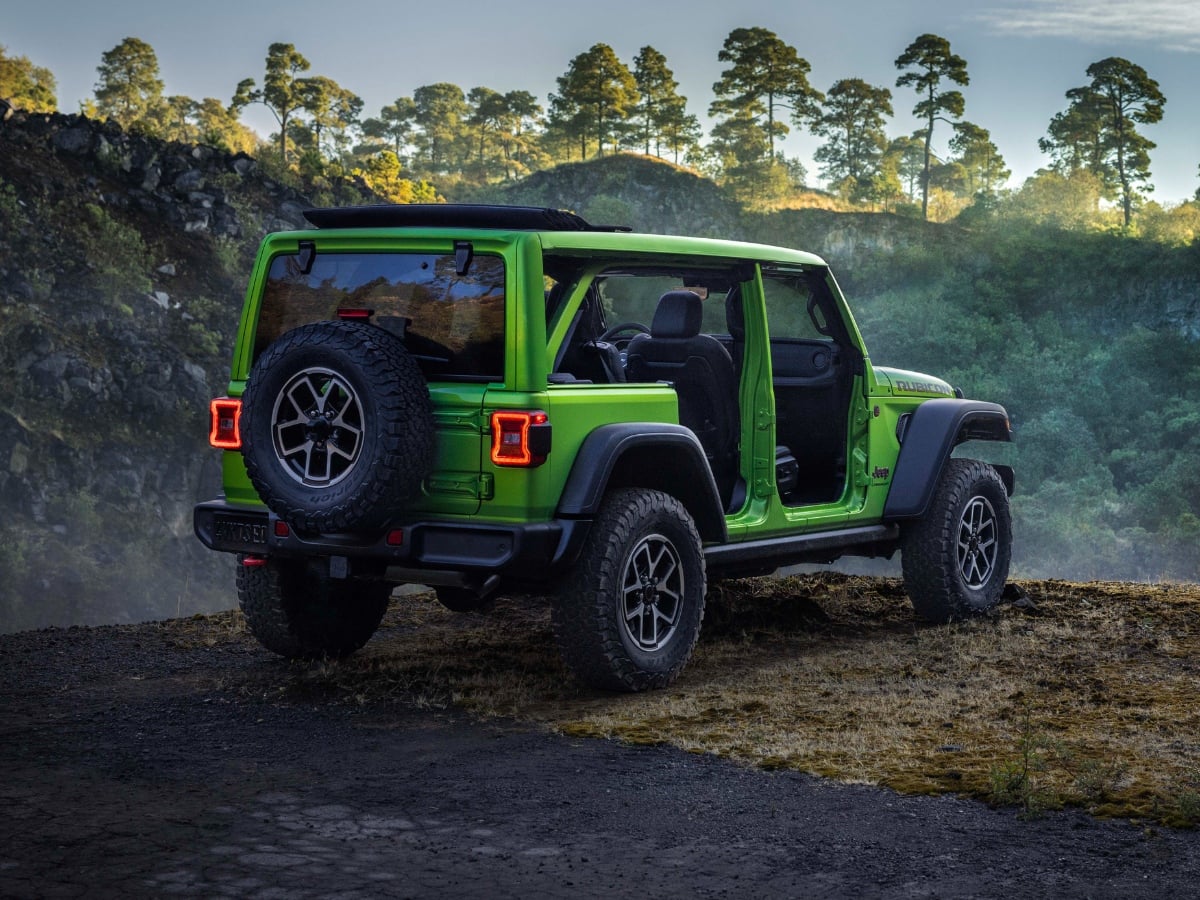
2026 Jeep Wrangler Rubicon
Powertrain options are a core part of what makes a Jeep Wrangler unique, so potential buyers have choices to consider. Base models use the reliable 3.6-liter V6 engine, producing 285 horsepower and 260 pound-feet of torque, paired with a six-speed manual transmission, while an eight-speed automatic is available. Another widely available choice is a turbocharged 2.0-liter four-cylinder engine offering 270 hp, matched with an automatic transmission. The Moab 392 features a 6.4-liter V8 rated at 470 hp and 470 pound-feet of torque.
According to the Environmental Protection Agency (EPA), 2026 Jeep Wrangler SUVs with the V6 engine are estimated to get 19 mpg combined with a manual transmission, while choosing the automatic transmission increases the combined estimate to 20 mpg. Those equipped with the turbocharged four-cylinder engine have an EPA combined fuel-economy estimate of 21 mpg. Finally, the V8-powered Wrangler Moab 392 gets 14 mpg combined.
Two- or four-door models seat four or five people, respectively. The two-door version is slightly limited in cargo space, just under 13 cubic feet, while the four-door offers more room with nearly 32 cubic feet behind the three-passenger rear seat. Towing capacity reaches up to 5,000 pounds on certain four-door models, while most Wranglers have a towing limit of 3,500 pounds.
The 2026 Toyota 4Runner provides two turbocharged powertrain options. The standard engine is a 2.4-liter four-cylinder delivering 278 hp and 317 pound-feet of torque. An available 2.4-liter hybrid produces 326 hp and 465 pound-feet of torque. Both engines feature eight-speed automatic transmissions. Base trims come with standard 2WD and offer 4WD as an option, while higher trims come with standard 4WD.
According to the EPA, the 2026 4Runners with the standard (non-hybrid) engine get 22 mpg combined for 2WD models and 21 mpg combined for 4WD models. Meanwhile, hybrid-powered 4Runners achieve 23 mpg combined.
Unlike the versatile Wrangler, the 2026 4Runner is only offered as a four-door SUV with a rear hatch. It seats five people, with an optional third row that expands capacity to seven on SR5 and Limited trims. A major difference between the non-hybrid and hybrid models lies in cargo space. The non-hybrid provides 48.4 cubic feet of cargo area behind the rear seats, while the hybrid offers 42.6 cubic feet. 4Runners equipped with a third row provide 12.1 cubic feet of cargo space behind the third row. The towing capacity for most 4Runners is 6,000 pounds.
Advantage: Toyota 4Runner
Why? The ability to seat seven, better fuel economy, significantly more cargo space, and stronger towing capacity give the Toyota the advantage in practicality.
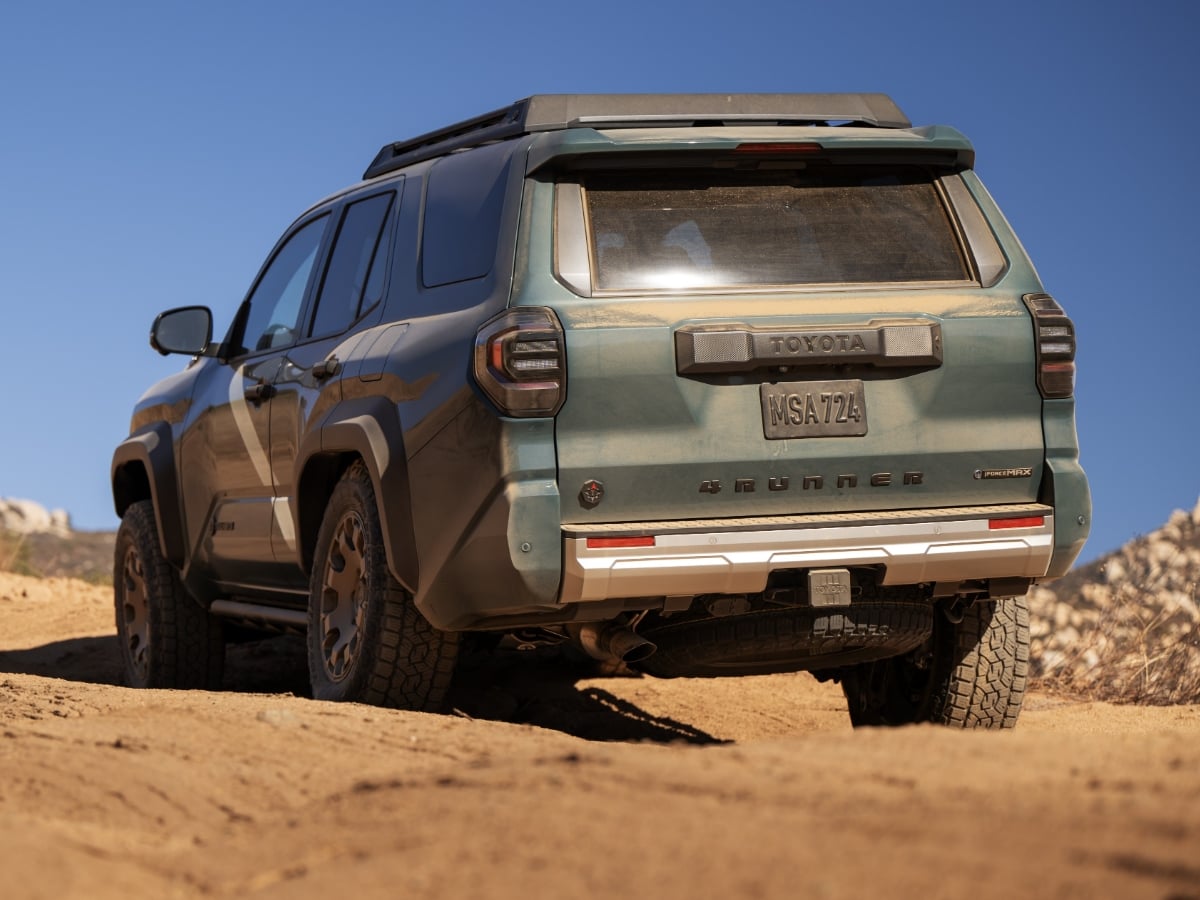
2026 Toyota 4Runner
At this point, it is reasonable for any consumer to expect a brand new vehicle to include the following safety features:
So, how do the Wrangler and the 4Runner stack up? Let's take a look.
While many of today's buyers rightfully expect advanced driver assistance systems (ADAS) like forward collision warning, automatic emergency braking, and rear cross-traffic warning, some traditional off-road enthusiasts prefer to skip them. The base Wrangler Sport offers minimal ADAS, but upgrading to higher trims adds more systems, including adaptive cruise control (ACC), blind-spot warning, rear cross-traffic warning, and park assist.
Recent Insurance Institute for Highway Safety (IIHS) tests of the 2026 Wrangler scored Good in important areas like moderate overlap and side impacts. Still, the IIHS did not award the Wrangler a Top Safety Pick. Currently, the Wrangler’s National Highway Traffic Safety Administration (NHTSA) ratings for 2026 are still pending.
All 2026 4Runner SUVs come with Toyota Safety Sense 3.0 (TSS 3.0) as standard. In addition to the systems listed above, it features motorcyclist detection, ACC, lane centering assistance, lane departure warning with steering assist, Proactive Driving Assist, traffic sign recognition, and automatic high-beam headlights. Blind spot and rear cross-traffic warnings are included on most trims, and park assist is available on higher trims.
The NHTSA gave the 2026 4Runner four stars in its five-star safety ratings program. Regarding crashworthiness testing, the IIHS gave the 2026 4Runner a Marginal rating in the updated moderate overlap front test and a Good rating in the updated side test. It did not name the Toyota a 2026 Top Safety Pick.
Advantage: Toyota 4Runner
Why? The 4Runner offers more extensive standard ADAS on all trims.
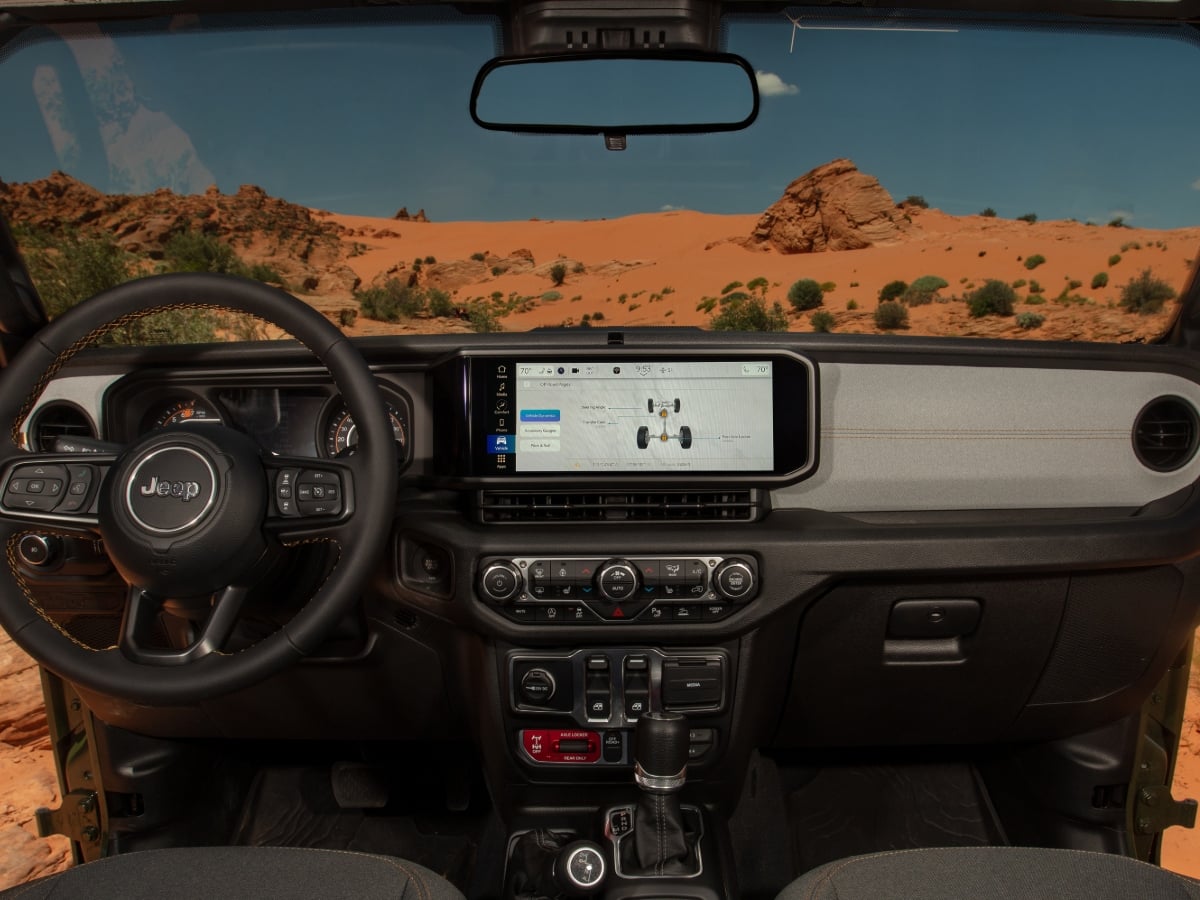
2026 Jeep Wrangler Willys Two-Door
The 2026 Jeep Wrangler features the Uconnect 5 infotainment system, with a 12.3-inch touchscreen acting as the control hub. On entry-level and mid-range trims, this display combines audio controls and climate settings. It offers standard AM/FM radio, wireless Apple CarPlay and Android Auto smartphone mirroring, and voice recognition. As you move to higher trims, optional or standard built-in navigation becomes available.
Throughout the 2026 Wrangler lineup, standard Jeep Connect One is a free connected services package included for 10 years. It offers Wrangler owners over-the-air software updates to keep the vehicle current, vehicle health reports with alerts and service reminders, automatic SOS emergency calls, recall notifications, and remote lock and unlock via the brand's mobile app. Jeep also offers a three-month trial of Wi-Fi hotspot capability.
For dedicated trail enthusiasts, the Off-Road Pages+ feature offers specialized navigation directly on the main touchscreen. It provides detailed trail guides suitable for everything from relaxed scenic drives to challenging rock crawling. Users can preload guides for offline use, track progress in real time, and set personalized waypoints. Choosing a two-year subscription unlocks over 200 additional premium trail guides.
The 2026 Toyota 4Runner features the Toyota Audio Multimedia infotainment system across all trims. Standard features include wireless Apple CarPlay and Android Auto, as well as a three-month SiriusXM satellite radio trial. Lower trims come with an 8-inch touchscreen, while higher trims upgrade to a larger 14-inch display. The base audio system has eight speakers, whereas the upgraded version pairs the 14-inch screen with a 14-speaker JBL premium audio setup. USB-C data and charging ports are located beside the displays, with extra charging ports available for both front and rear passengers.
The 2026 4Runner connects owners through multiple app-based services. Safety Connect includes an emergency button, roadside assistance, collision notification, and a stolen vehicle locator. Service Connect provides maintenance updates. Both offer five-year free trials. 4Runner buyers also receive a one-year trial of Remote Connect, which features lock/unlock, start/stop, and guest driver monitoring. Drive Connect, also with a one-year trial, includes cloud navigation with Google POIs, "Hey, Toyota" voice assistant, and destination assist. The Wi-Fi Connect hotspot comes with a 30-day/3-gigabyte trial.
The 4Runner’s available off-road features include a Multi-Terrain driving mode selector, a Multi-Terrain Monitor, low-speed Crawl Control, and a locking rear differential. A stabilizer disconnect mechanism is standard on the Trailhunter, TRD Pro, and optional on the TRD Off-Road Premium hybrid. An onboard air compressor is standard on the Trailhunter overlanding trim.
Advantage: Jeep Wrangler
Why? Uconnect's intuitive operation, Jeep’s extended connectivity, and trail-focused digital tools give the Wrangler a slight edge.
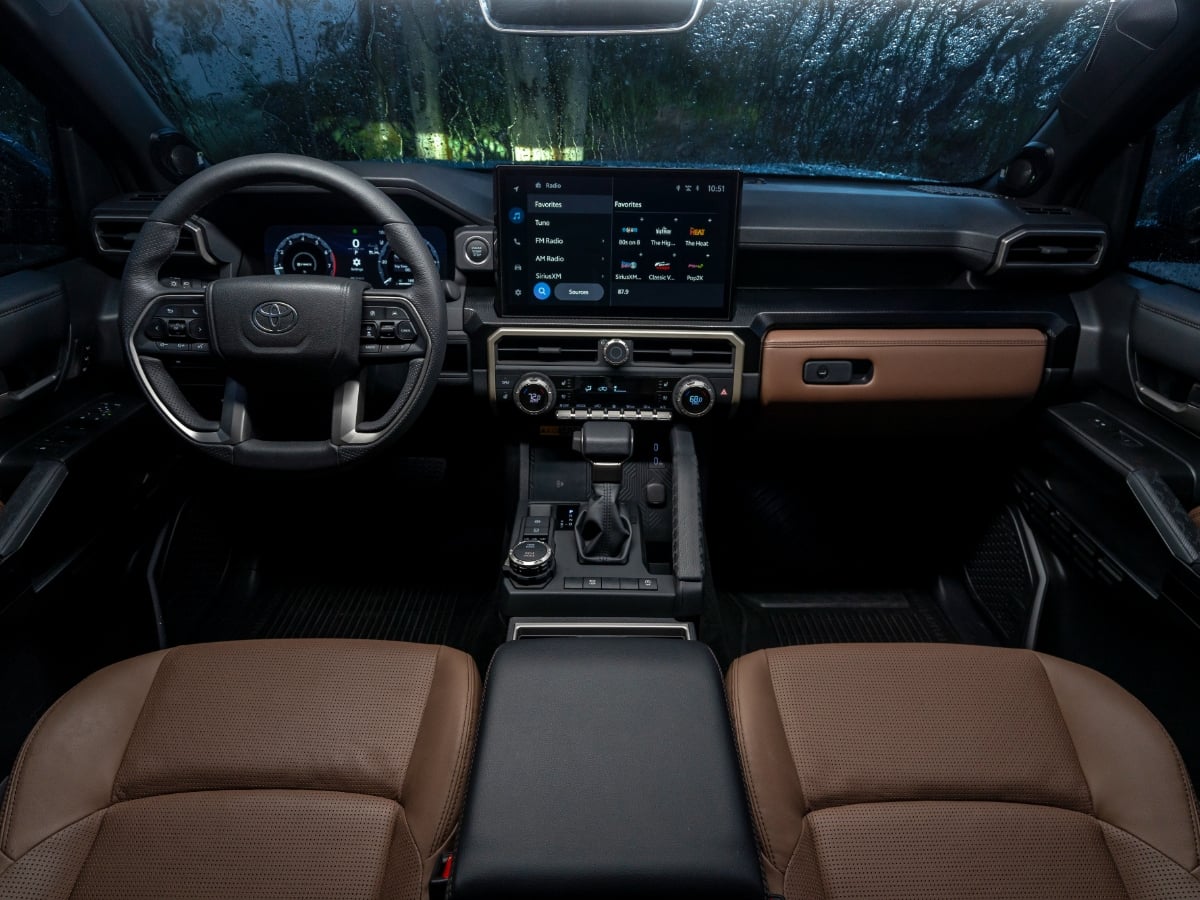
2026 Toyota 4Runner Limited
Few vehicles match the Jeep Wrangler's off-road pedigree. Not only does it showcase the classic look of one of the world’s most iconic vehicles, but it also packs that familiar shape with all the hardware needed to support its outstanding reputation. Having interviewed Jeep executives and engineers for nearly four decades, I know firsthand how obsessed they are with making the Wrangler the most capable off-road vehicle in the world. Solid axles front and rear, sway-bar disconnect, and extensive trail electronics are just a few of the key features that prove the Jeep Wrangler is the real deal.
Interestingly, that ongoing pursuit of all-terrain dominance also leads to many of the Wrangler’s flaws as a daily driver. The vehicle’s stiff ride, indifferent steering accuracy, and road and wind noise all stem from the Jeep brand’s focus on making the Wrangler excel off-road. Honestly, you cannot have your cake and eat it too. If you want to shine on the trail, you must accept some compromises on the road.
With its buttoned-up cabin and conventional rear liftgate layout, the Toyota 4Runner is quite different from the Wrangler’s rugged, top-free/doors-off persona. It is not that the 4Runner cannot handle tough trails, but with available seven-passenger seating, a luxurious interior, and a large cargo area, it is just as comfortable taking kids around the suburbs.
For those who want to enjoy the outdoors in their 4Runner, Toyota offers plenty of gear to help. It includes trim-specific off-road equipment like Fox QS3 shocks (TRD Pro) or Old Man Emu shocks, plus an air compressor (Trailhunter). If you want a trail monitor, Crawl Control, or sway bar disconnect, you can get it. And if you do not … well, that is okay too. So, the 4Runner provides a duality that the Wrangler cannot match, mainly because it chooses not to.
Advantage: Jeep Wrangler
Why? My personal biases favor the Jeep over the 4Runner because, like Coca-Cola, it’s “the real thing.”
To learn more about these SUVs, read our expert reviews of the Jeep Wrangler and the 2025 Toyota 4Runner. To see how consumers rate models in this segment, check out our ratings from verified vehicle owners.
Additionally, please note that while the information in this article was accurate and current as of March 24, 2026, it may have changed since then. Always verify product details and availability on the automaker’s website or with your local dealership.
Jack R. Nerad has reviewed cars, trucks, vans, and SUVs for over three decades. He also managed the editorial efforts of MotorTrend, JD Power, and Kelley Blue Book. Jack currently hosts the Sports Byline Network program “America on the Road,” available on Apple Podcasts, iHeart Radio, Spotify, Audacy, Amazon Music, and other platforms.


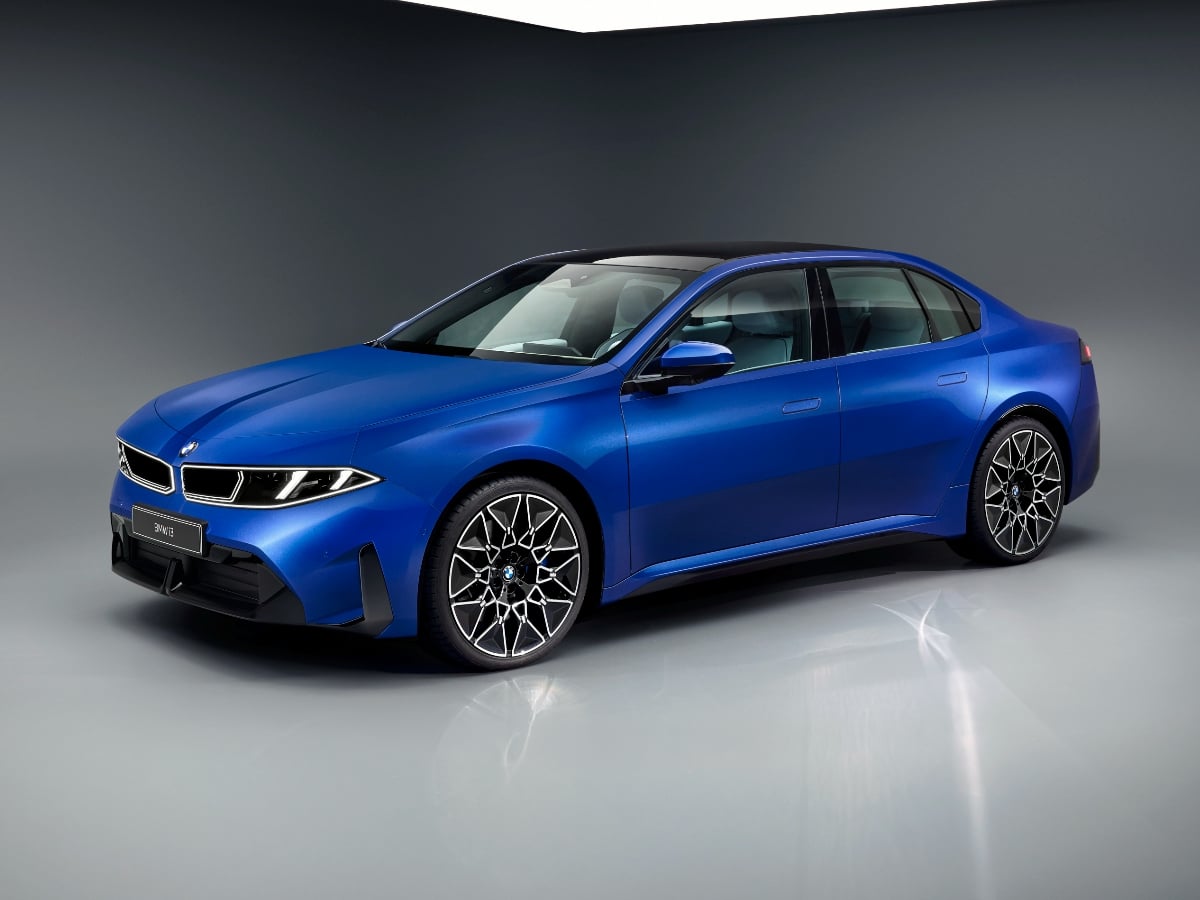
The new 2027 BMW i3 boasts an estimated range of up to 440 miles, 400-kilowatt DC fast charging capability, bidirectional charging to a home or the grid, and next-generation technology.
Read the Full Article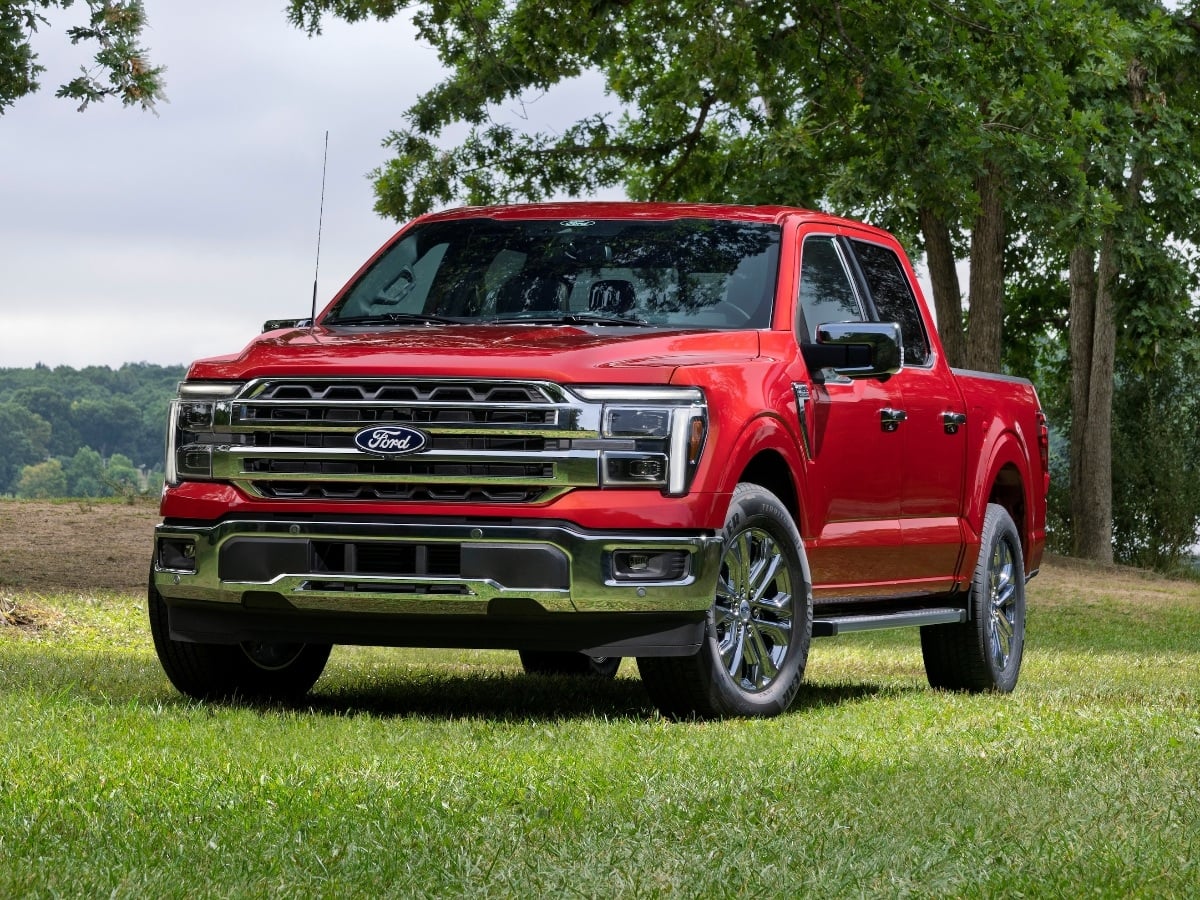
Facing renewed competition in the full-size, light duty pickup truck segment, the 2027 Ford F-150 receives subtle styling updates, a new standard engine, broader availability of its 5.0-liter V8, and ...See More
Read the Full Article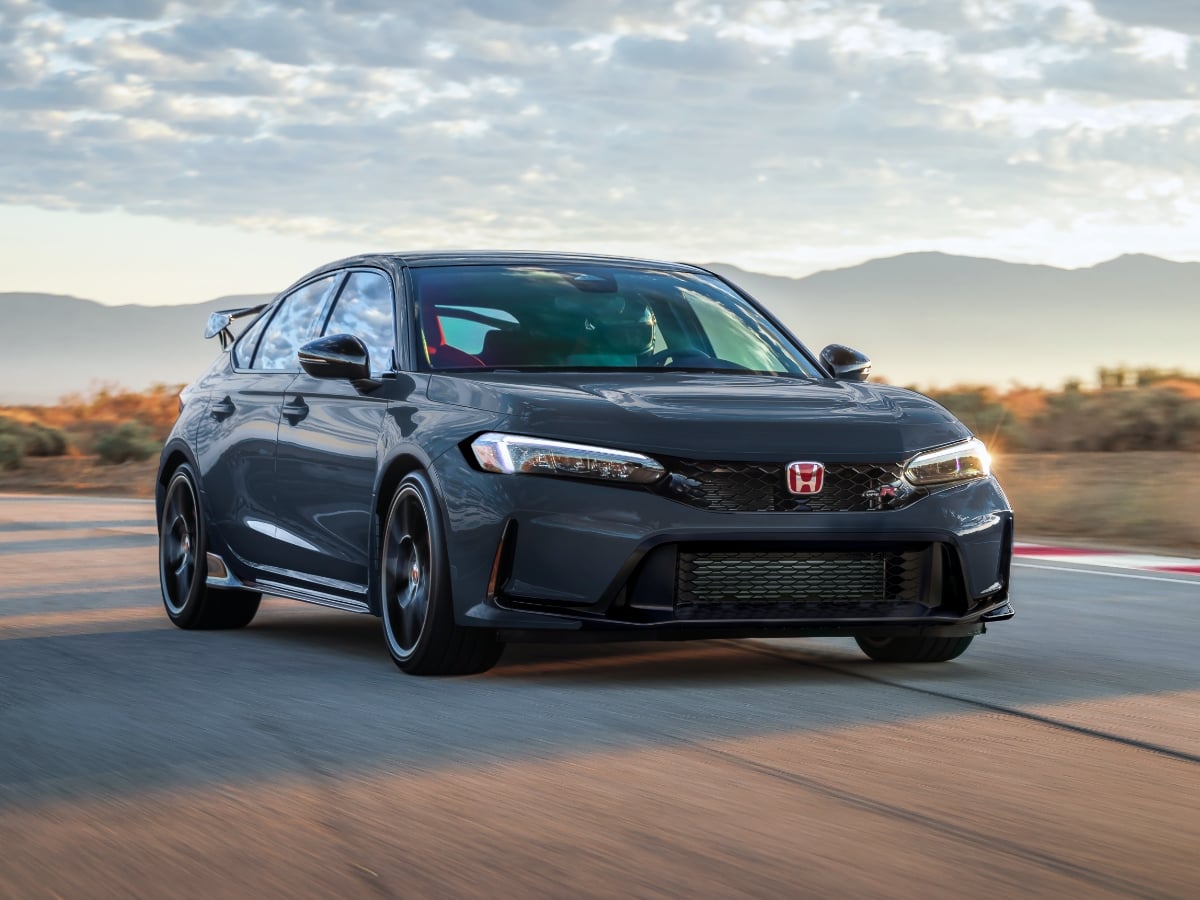
The 2027 Civic Type R goes on sale in October 2026, and it starts at $49,990, including the $1,295 destination charge.
Read the Full Article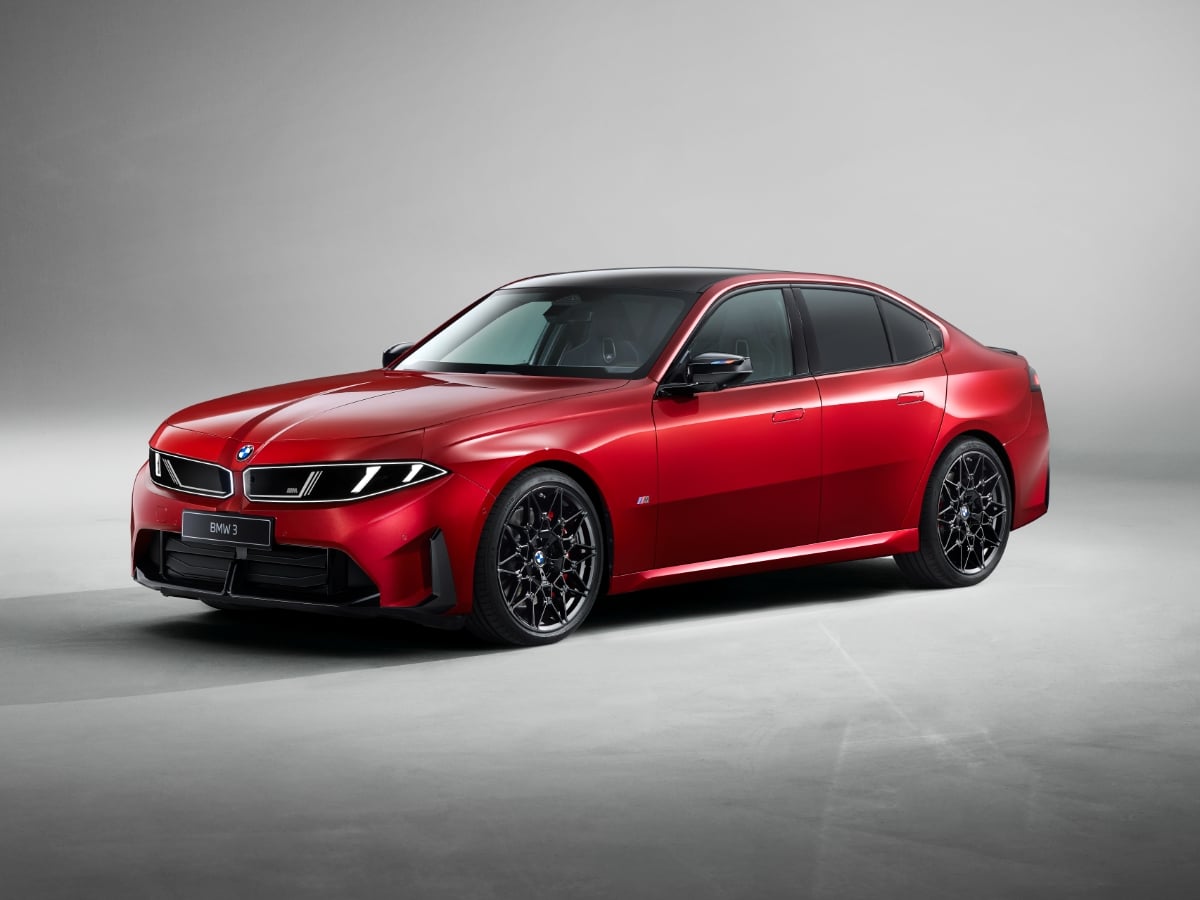
Part of BMW’s Neue Klasse (new class) rollout of redesigned models, the 2027 BMW 3 Series is all-new and goes on sale in the first quarter of 2027.
Read the Full Article