
Americans prefer SUVs, and American families prefer midsize models with three rows of seats. In addition to offering extra room when necessary, they provide plenty of cargo space, all-wheel drive (AWD) for lousy weather and light off-roading adventures, and a tall seating position for better on-road visibility.
What they don't typically provide is a truly enjoyable daily-driving character combined with money-saving fuel efficiency.
Enter the new 2024 Mazda CX-90, which does all of these things and does them in style.
The new CX-90 replaces the CX-9 in Mazda's SUV lineup. It serves as the company's new flagship as it continues its push into premium-brand territory. The SUV moves to a new rear-wheel-drive large vehicle platform, debuts new turbocharged inline-6 and plug-in hybrid electric (PHEV) powertrains, and introduces new technology to the Mazda lineup. And in higher trim levels, the 2024 CX-90 credibly rivals models such as the Acura MDX and Infiniti QX60.
For more background and details, read our full preview of the 2024 Mazda CX-90. You'll find CX-90 prices, updated information, and driving impressions in the sections that follow.
Mazda sells the new CX-90 in three model series equipped with standard AWD: 3.3 Turbo, 3.3 Turbo S, and PHEV. You can buy the CX-90 3.3 Turbo and 3.3 Turbo S now; the CX-90 PHEV is coming soon.
The CX-90 3.3 Turbo has a 280-horsepower, turbocharged inline 6-cylinder engine with 48-volt mild-hybrid technology. It comes in Select, Preferred, Preferred Plus, Premium, and Premium Plus trim levels. Prices range from $40,970 to $54,325.
The CX-90 3.3 Turbo S has a 340-hp (with premium fuel) version of the mild-hybrid turbo-6. It comes in base, Premium, and Premium Plus trim levels. Prices range from $53,125 to $61,365.
The CX-90 PHEV has a plug-in hybrid powertrain making 323 hp and comes in Preferred, Premium, and Premium Plus trim levels. Prices range from $48,820 to $58,325.
I drove two examples of the SUV in the San Francisco Bay area. The 3.3 Turbo S Premium Plus had extra-cost Rhodium White paint, bringing its price to $61,920. The PHEV Premium Plus had optional Artisan Red paint and a sticker price of $58,920. All prices above include the $1,375 destination charge.

Image: Christian Wardlaw
By basing the CX-90 on a rear-wheel-drive (RWD) platform with a 7.4-inch wheelbase stretch compared to the old CX-9, Mazda designers were able to pull the greenhouse back, reduce the front overhang, and give the new SUV a long hood for better-balanced proportions and an upscale look. The design is cleaner and less dramatic than some recent Mazda models and wisely dispenses with SUV costumery.
Mazda reports that the CX-90 is longer, taller, and wider than the CX-9 it replaces. In addition, depending on the configuration, the CX-90 offers 6-, 7-, or 8-passenger seating. Unfortunately, the SUV's third-row seat remains less hospitable than what you'll find in many of the CX-90's competitors. However, Mazda resolved my primary complaint about the old CX-9.
I always felt like the CX-9 fit me like a cheap, oversized suit. The driver's seat felt too small and oddly located relative to the rest of the interior. I could never find a proper position behind the steering wheel, making it difficult to enjoy driving the SUV.
Getting behind the CX-90's steering wheel is significantly more satisfying, even if the SUV's seats are on the firm side. Though I rejected the available driver personalization system's recommended driving position, which suggested I sit closer to the dashboard and lower than I prefer, I quickly dialed in my favorite seat settings and had no complaints during the test drive. Both test vehicles further ensured driver comfort with heated and ventilated cushions and heated steering wheels.
It is worth pointing out how luxurious the CX-90 Turbo S Premium Plus is inside. My test vehicle's tan quilted leather and artificial suede looked terrific, and Mazda thoughtfully padded the side of the center console where my right leg rested. My CX-90 PHEV Premium Plus test vehicle had a dark interior with plastic trim that looked (but didn't feel) like textured aluminum. In both test vehicles, the lower dashboard panels are hard plastic, but Mazda coats them to reduce gloss and glare, so they don't look as inexpensive as they feel.
Depending on the model and trim, the CX-90 has a second-row bench seat or captain's chairs. The Turbo S Premium Plus includes a center storage console that makes it more difficult to access the third-row seat. Rear passengers get their own climate control panel, and a handful of CX-90 models include heated second-row seats. Ventilated captain's chairs are exclusive to the Turbo S Premium Plus.
Second-row comfort is good. You sit high for a clear view, and the captain's chairs provide proper leg support. The seats slide fore and aft, but I wished for more seat-track travel because legroom and foot room are merely adequate. Also, the second-row seating seems close-coupled with the softly padded front seatbacks, which could cause an issue with rear-facing child safety seat handles.
Mazda aimed to improve third-row comfort in the new CX-90, and it may have succeeded. (It's been a long time since I crawled into a CX-9's third-row seat.) However, the space still falls well short of class leaders for comfort, and only small children could possibly fit three across.
Also, due to the Turbo S Premium Plus model's standard middle-row center console, I simply could not fit in the third row due to my size 13 feet, which don't tuck under the captain's chairs together. Due to the console, there was nowhere for my right foot to go. I was able to squeeze into the PHEV Premium Plus's third row, which does not have the console. Even so, this is not a place where adults can find their jinba ittai, which refers to Mazda's "horse and rider as one" guiding philosophy.
Interior storage is adequate. The bin under the split center armrest is shallow, but I would argue that this is not an issue. Do you really want a deep storage bin into which things pile up and disappear? My family has that problem in our own midsize, 3-row crossover SUV. Still, with little more than a shelf forward of the transmission shifter, small bins on the lower door panel, and a sizable glove compartment, there are few places to stash your stuff.
Depending on the model and trim, cargo space ranges from 14.9 cubic feet behind the third row to 40 cubic feet behind the second. Fold both rows of seats down and the SUV holds 75.2 cubic feet of cargo. These measurements land on the small end of the segment.

Image: Christian Wardlaw
Every Mazda CX-90 has a digital instrumentation panel. A 10.25-inch display is standard, with a 12.3-inch unit available as an upgrade. In both test vehicles, the standard layout mimics Mazda's traditional analog gauges with a simple, clear, logical layout that makes it easy to find information at a glance.
The standard Mazda Connect infotainment system comes with a 12.3-inch screen nestled into the top of the dashboard and angled toward the driver. It includes smartphone connectivity, Mazda Connected Services, access to an extra-cost Wi-Fi hotspot, and an E911 automatic emergency notification system. SiriusXM (SXM) satellite radio, navigation, wireless smartphone charging, and a 12-speaker Bose premium sound system are available upgrades.
In more affordable versions of the CX-90, the Apple CarPlay and Android Auto functions require a cable connected to a USB port. Other trims support wireless connectivity. Oddly, Mazda offers touchscreen control of Apple CarPlay and Android Auto only in the most expensive examples of the Turbo and PHEV and in all Turbo S trims.
Both test vehicles came with touchscreen control, which makes using these functions much easier. If you're interacting with Mazda Connect's native platform, touchscreen functionality disappears, leaving you with the physical controls on the center console and steering wheel or a dissatisfying voice-recognition system.
In a world where smartphones are ubiquitous and smart homes are increasingly commonplace, it is hard to understand why Mazda Connect still doesn't offer conversational voice-recognition technology. Instead of saying "Hey Mazda" to rouse a digital assistant that can help you find directions, change the radio station, or adjust climate system settings, you must instead follow prompts on the screen and cross your fingers that it will understand what you're saying.
Of course, if you're planning to use Apple CarPlay or Android Auto most of the time, this isn't an issue because Siri and Google will be ready to help. Still, considering Mazda's stated goal of reducing driver distraction, Mazda Connect causes plenty of it, and a class-leading conversational voice-recognition system could solve most of the problem.
I believe I did discover some upgrades, though. For example, suppose you're listening to SXM, and you spin the center console control knob. In that case, your list of favorite radio stations immediately pops up. If you're manually tuning the radio, the system loads the station list based on the one you're currently listening to and not a list starting with SXM channel 2. I don't recall either of these functional details in previous Mazdas, so if these are new tweaks, they're welcome ones.

Image: Christian Wardlaw
Changing gears now to the CX-90's i-Activsense collection of advanced driver assistance systems (ADAS), the standard package includes the collision warning and avoidance technologies you've come to expect in a vehicle like this. However, there are a few new standard features worthy of mention.
First, i-Activsense employs new cameras and sensors to improve system performance across the board. In addition, new standard equipment includes a rear-seat reminder system, a safe-exit system, and an enhancement to the lane-keeping assistance system to help drivers avoid an unintentional road departure or collision with an oncoming vehicle.
Available new features include a post-collision braking system to protect against secondary collisions following an initial airbag deployment, a front cross-traffic warning system with intersection braking assistance, and a new hands-on Level 2 driving-assist system called Cruising and Traffic Support.
I had a chance to use Cruising and Traffic Support extensively. It pairs the standard adaptive cruise control system with stop-and-go capability with a lane-centering assistance system for hands-on highway driving assistance. Overall, the technology is effective. However, when climbing into the hills north of the Golden Gate Bridge, the tech struggled a bit with the curves, narrow lanes, and moderate traffic. Once the freeway straightened out, the tech's behavior improved.
Notably, the digital instrumentation panel and the available head-up display do a great job of communicating ADAS operational status with no more than a glance. I especially like how they both show blind-spot warnings, helping to keep the driver focused on the road ahead. However, if you're wearing polarized sunglasses, the head-up display fades significantly, and if you're traveling on a bright concrete road surface, it essentially disappears from view.

Image: Christian Wardlaw
Mazda equips the CX-90 Turbo and Turbo S with a new, turbocharged 3.3-liter inline 6-cylinder engine. The Turbo model's engine makes 280 hp and 332 pound-feet of torque, while the Turbo S bumps those numbers to 340 hp and 369 pound-feet when burning premium gas. Both use a 48-volt mild-hybrid system with a small electric assist motor to improve responsiveness and efficiency.
The CX-90 PHEV features a plug-in hybrid powertrain with a 2.5-liter 4-cylinder gas engine, a 68-kW electric drive motor, and a 17.8-kWh battery pack. Total output measures 323 hp and 369 pound-feet of torque. Mazda told me the official EPA estimate for electric-only driving range is 26 miles. The automaker claims you can recharge the CX-90 PHEV in 11 hours using a household power outlet in 75-degree weather.
All CX-90s have a new 8-speed automatic transmission, but it's unlike any automatic you've experienced. Without getting too deep into the technical weeds, it uses a wet clutch instead of a torque converter, but this is a traditional automatic and not a dual-clutch automated manual transmission. By employing the wet clutch and short first and second gears, this transmission design helps to launch the CX-90 from a stop quickly.
Though Mazda builds the CX-90 on a RWD platform, it has standard AWD that delivers the majority of the power to the rear wheels. The automaker says three kinds of software logic dictate power distribution based on wheel slip, steering input, and weight transfer. In addition, the CX-90 provides 8.0 inches of standard ground clearance (8.1 inches with the 21-inch wheels).
Driving modes include Normal, Sport, Off-Road, and Tow, the latter supporting the CX-90's 5,000-pound maximum towing capacity. In addition, the CX-90 PHEV has an EV driving mode and a charging function that can replenish the battery pack while you drive.
Mazda builds the CX-90 on a RWD architecture and equips it with a longitudinally mounted inline-6, which the automaker says better distributes weight and improves the SUV's driving dynamics. In addition, the narrower inline-6 mounted further back on the platform gives Mazda the space to fit the CX-90 with a sophisticated double-wishbone front suspension and a rack-mounted electric steering system. Together, they offer greater precision, feel, and feedback.
Mazda also equips the CX-90 with its Kinematic Posture Control technology, which debuted on the 2022 Mazda MX-5 Miata. It applies subtle braking to the rear inside wheel as the driver turns into a curve. This braking action helps to pull that corner of the vehicle down a bit, improving cornering stability.
So, how does all this hardware and software come together? In a word: brilliantly.
I began my test drive in the CX-90 Turbo S, where the turbocharged 3.3-liter inline-6 supplies smooth and seamless power for quick acceleration. Mazda turbo engines don't build a wave of torque that pushes you deeper into your seat. Instead, the power arrives in a steady, linear fashion that is more predictable.
Coupled with the unusual automatic transmission design and the mild-hybrid electric assist motor, the CX-90 suffers no turbo lag or sensation of delay when accelerating from a stop. However, in Normal mode, it can take a moment or two for the 8-speed automatic to kick down to pass slower traffic.
In my experience, the Turbo S model's powertrain is also remarkably efficient. Mazda told me it would carry an EPA rating of 25 mpg in combined city/highway driving. I averaged 24.2 mpg on a route that included heavy San Francisco city traffic and plenty of energetic driving in Sport mode out near Point Reyes.
Where the CX-90 shines brightest, however, is in the ride and handling department. Like all Mazdas, it feels athletic, but what's remarkable is the outstanding body control. The Turbo S did not suffer understeer in tight corners or unexpected and unwanted weight transfer on undulating surfaces, which are frequent problems in a typical midsize, 3-row crossover SUV.
Better yet, the Mazda CX-90 doesn't subject its occupants to woozy and floaty ride motions or a phenomenon known as head toss, which can lead to nausea. Overall, when driving the CX-90 with enthusiasm, it felt more like a sport sedan than an SUV, and it drives like a lighter vehicle than it is.
Later in the day, I drove the CX-90 PHEV. I started with a nearly full battery and a trip computer showing 25 miles of indicated range. I traveled 24.3 miles before the SUV switched from EV mode to Normal mode, with the trip computer indicating 2.0 miles/kWh and 80 mpg.
The gas engine turned on twice while I drove in EV mode. The first time was when I needed to accelerate from a stop on a hill, and the second time, I matted the accelerator pedal to the floor to enter fast-flowing traffic on a freeway. So, my experience is not based on pure EV driving, but it's close.
As you might expect, due to the added weight of the larger electric motor and battery pack, the CX-90 PHEV's ride and handling are not quite as composed as the 3.3 Turbo S. It feels firmer when traveling over broken pavement. When driving over bridges, dips, and rumpled patches of road, it takes the suspension longer to quell body motion.
After light-footing the PHEV to see if my driving distance would match the original predicted range, I turned on the charging mode function. While driving on the freeway, the battery added a mile of range for every six miles of driving. Theoretically, this means you could recharge the battery using the gas engine in 156 miles of driving.
With the PHEV in its Normal mode, using both the battery and the gas engine, it offers acceleration similar to the Turbo S. However, it doesn't sound as good when revved because a 4-cylinder is providing the soundtrack. Still, considering the PHEV's reasonable price and overall efficiency, buyers might have difficulty deciding between it and one of the turbocharged models.
The 2024 Mazda CX-90 represents a night-and-day improvement over the outgoing CX-9 model. It sets a new standard for Mazda SUVs with upscale design, superior powertrains, enjoyable driving dynamics, upgraded comfort, and fresh technology. Not only that but in its higher trim levels, the new 2024 CX-90 is a legitimately worthy alternative to rivals from premium brands.
Measured against the context of the entire midsize 3-row SUV segment, the CX-90 falters. It does the Mazda things well, which means it is stylish, infused with quality, and great to drive. But it needs more second-row seat track travel, and the third-row seat remains cramped for the class. Cargo volume numbers are also on the smaller side of the scale, the Mazda Connect infotainment system is more challenging to use than what you can find in some competitors, and the i-Activsense collection of safety features meets but does not exceed expectations.
Whether a Mazda CX-90 suits you depends on what you value in a new SUV. If that list includes lots of interior passenger, storage, and cargo space, you may decide to take a pass on the CX-90's numerous favorable traits to get the utility you seek.
Then again, that advice applies across Mazda's SUV lineup, so it should come as no surprise that it also applies to the CX-90.
Christian Wardlaw is a veteran digital automotive journalist with over 25 years of experience in test-driving vehicles. In addition to JDPower.com, his work has appeared in numerous new- and used-car buying guides, newspapers, and automotive industry trade journals.


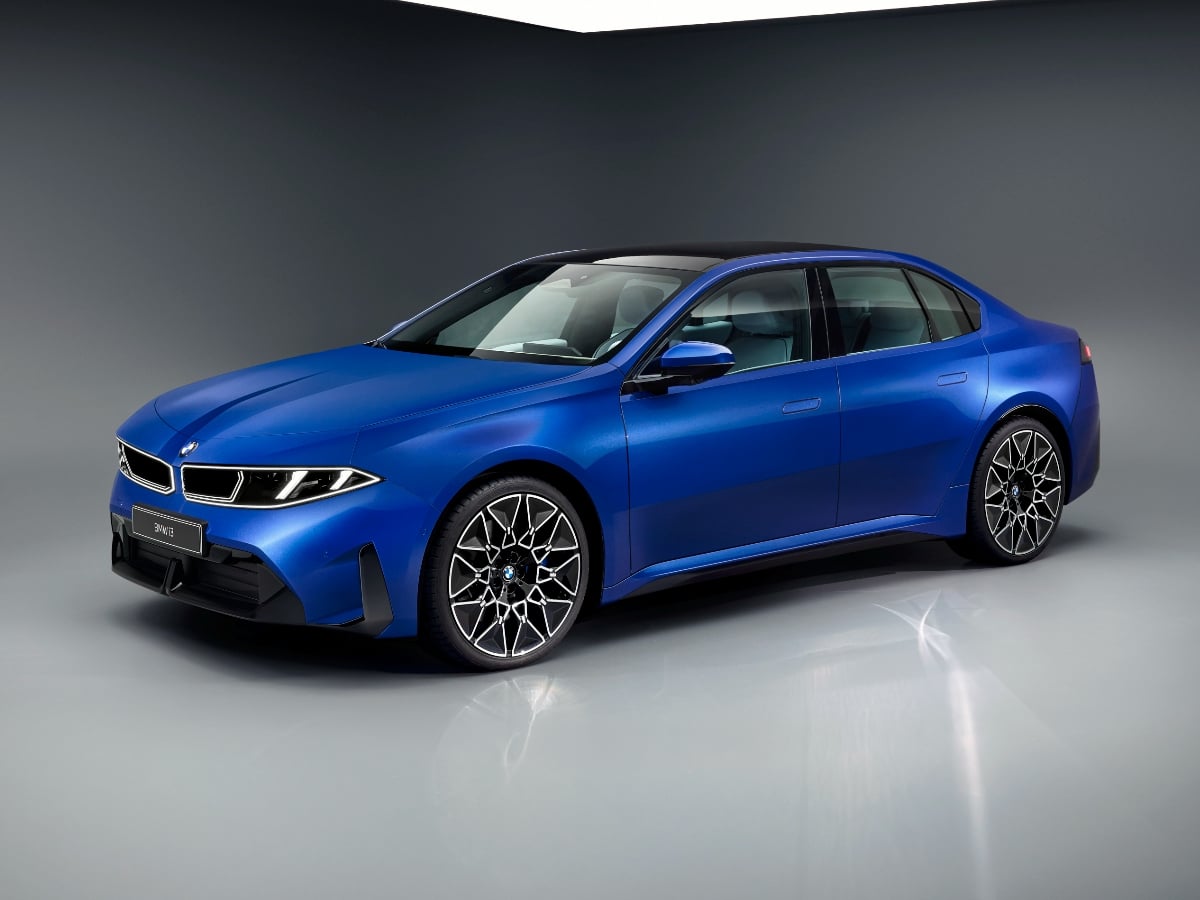
The new 2027 BMW i3 boasts an estimated range of up to 440 miles, 400-kilowatt DC fast charging capability, bidirectional charging to a home or the grid, and next-generation technology.
Read the Full Article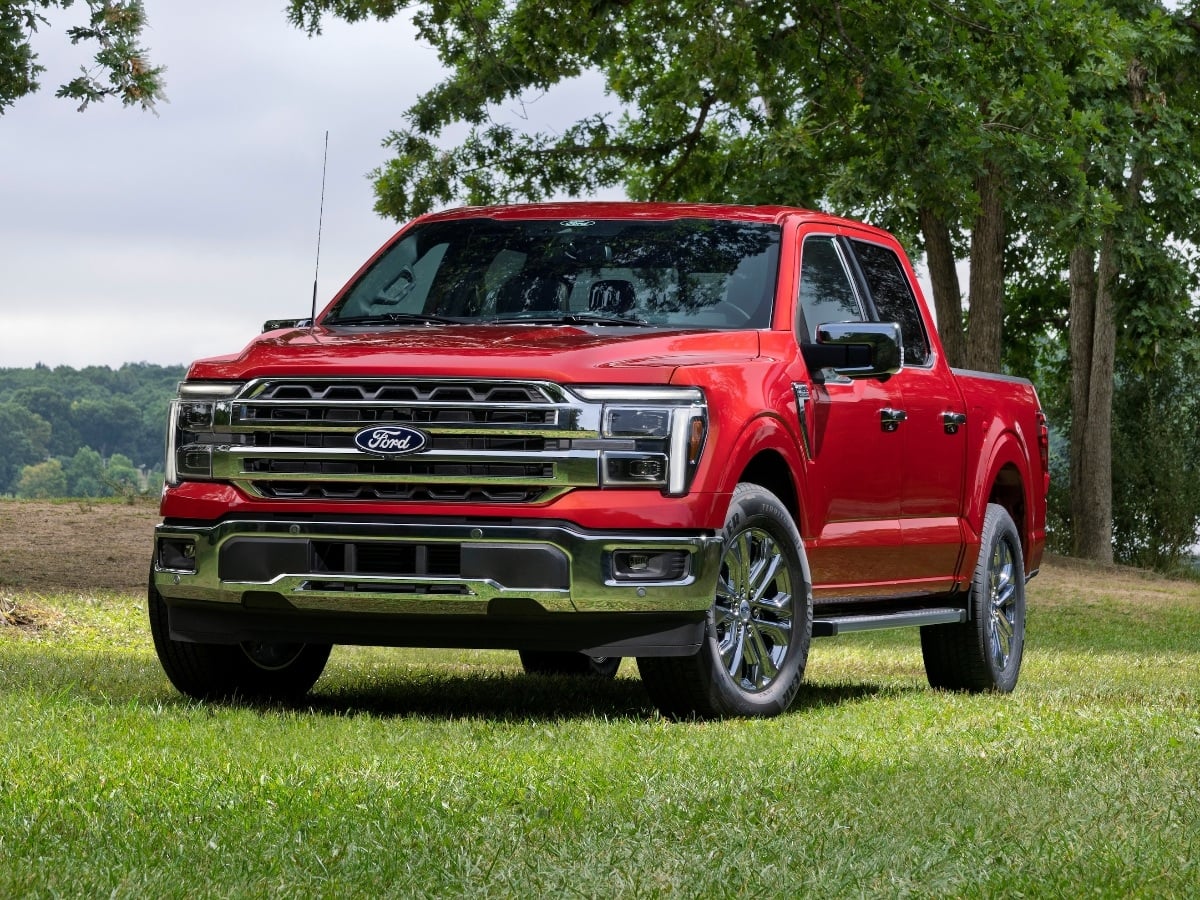
Facing renewed competition in the full-size, light duty pickup truck segment, the 2027 Ford F-150 receives subtle styling updates, a new standard engine, broader availability of its 5.0-liter V8, and ...See More
Read the Full Article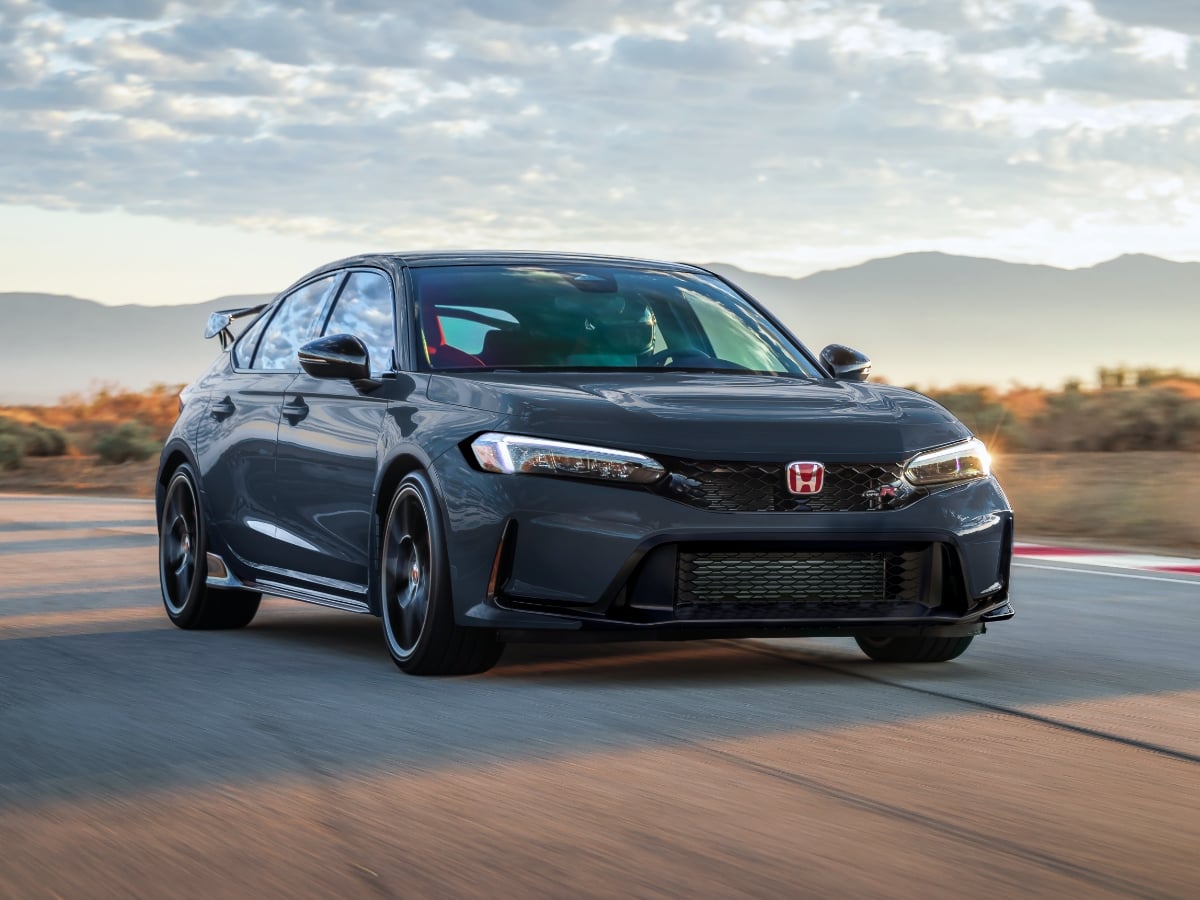
The 2027 Civic Type R goes on sale in October 2026, and it starts at $49,990, including the $1,295 destination charge.
Read the Full Article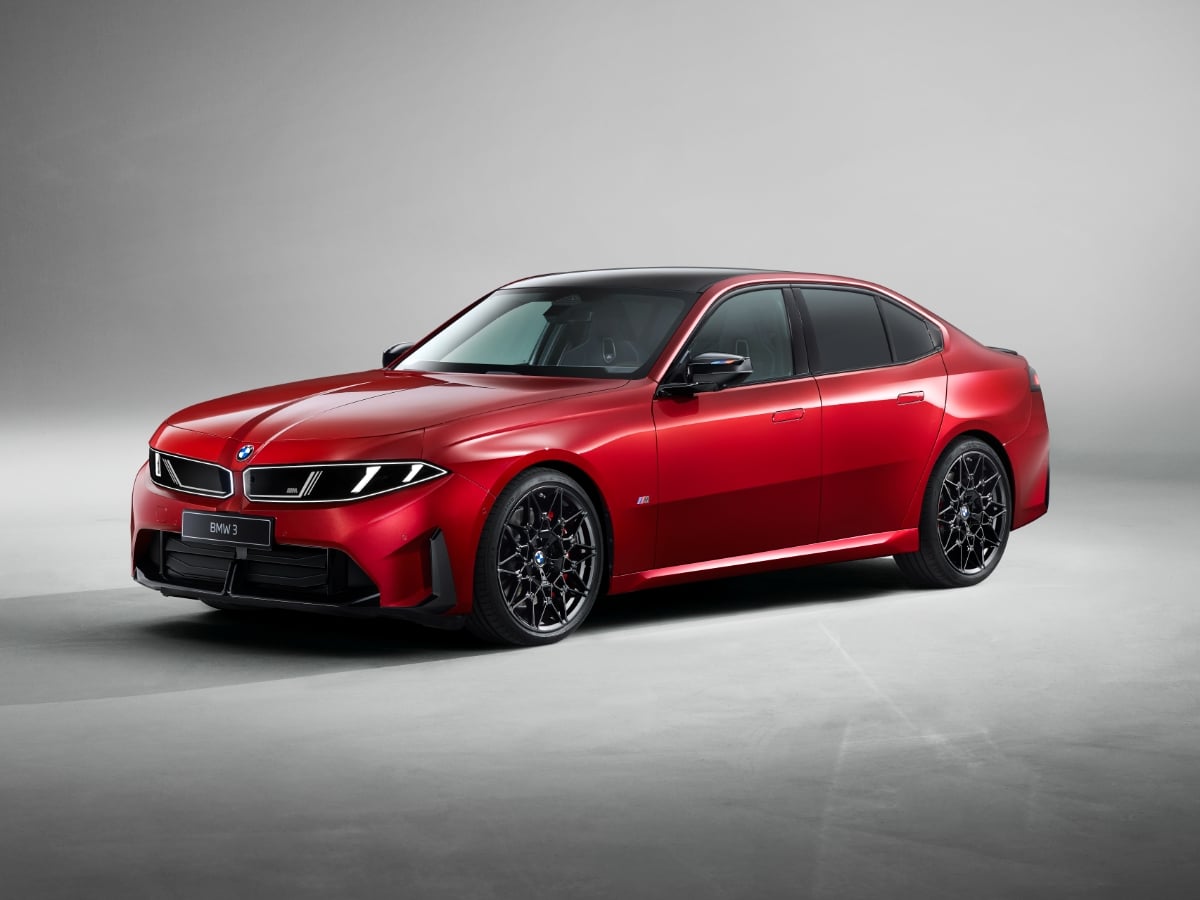
Part of BMW’s Neue Klasse (new class) rollout of redesigned models, the 2027 BMW 3 Series is all-new and goes on sale in the first quarter of 2027.
Read the Full Article