
You can start relaxing on a road trip when you’ve escaped city traffic and reach a stretch of relatively open road that allows you to turn on the cruise control, set a speed, and give your right foot a bit of a break while the car maintains your set speed.
.jpg)
Nowadays, many new vehicles can take things even further with adaptive cruise control (ACC). Other names for ACC include Dynamic Cruise Control, Intelligent Cruise Control, and Active Cruise Control, but they all perform the same function.
Adaptive cruise control uses radar, lasers, cameras, or a combination of any of those items to calculate your surroundings. Its sensors and processors judge what the car in front of you is doing and regulate your car in relation to the one in front of you to maintain a safe distance, braking when they slow down and accelerating when they do, up to the set limit. Soon, LiDAR (Light Detection and Ranging), which is a pulsed laser to create a more comprehensive 3D “map” of the car’s surroundings, will also be used to analyze the car’s surroundings, but no car in America is equipped with LiDAR just yet.
Adaptive cruise control lands on the list of advanced driving assistance systems (ADAS), which takes some of the burdensome driving tasks and puts the vehicle in charge.
Adaptive cruise control comes in various stages of autonomy and sophistication, mainly relating to operating at lower speeds in heavy traffic.
Some automakers combine ACC systems with features like road sign recognition or GPS navigation to tell the driver what the speed limit is on the road they are driving on and self-regulate to not go above it. Other systems will recognize curves on the road or the turn to get on a freeway interchange and automatically adjust the car’s speed to accommodate.
ACC can also be paired with lane-centering technology to offer a more automated driving experience, as with Hyundai’s Highway Driving Assist, or even hands-off driving for brief periods on designated highways. You’ll find this feature on GM vehicles equipped with Super Cruise.
All adaptive cruise control systems require the driver to be fully engaged with their attention on the road, ready to take over at any moment. There are vehicles in the pipeline that allow the driver to divert their attention for brief periods, but none are for sale in the United States at the time of this writing.


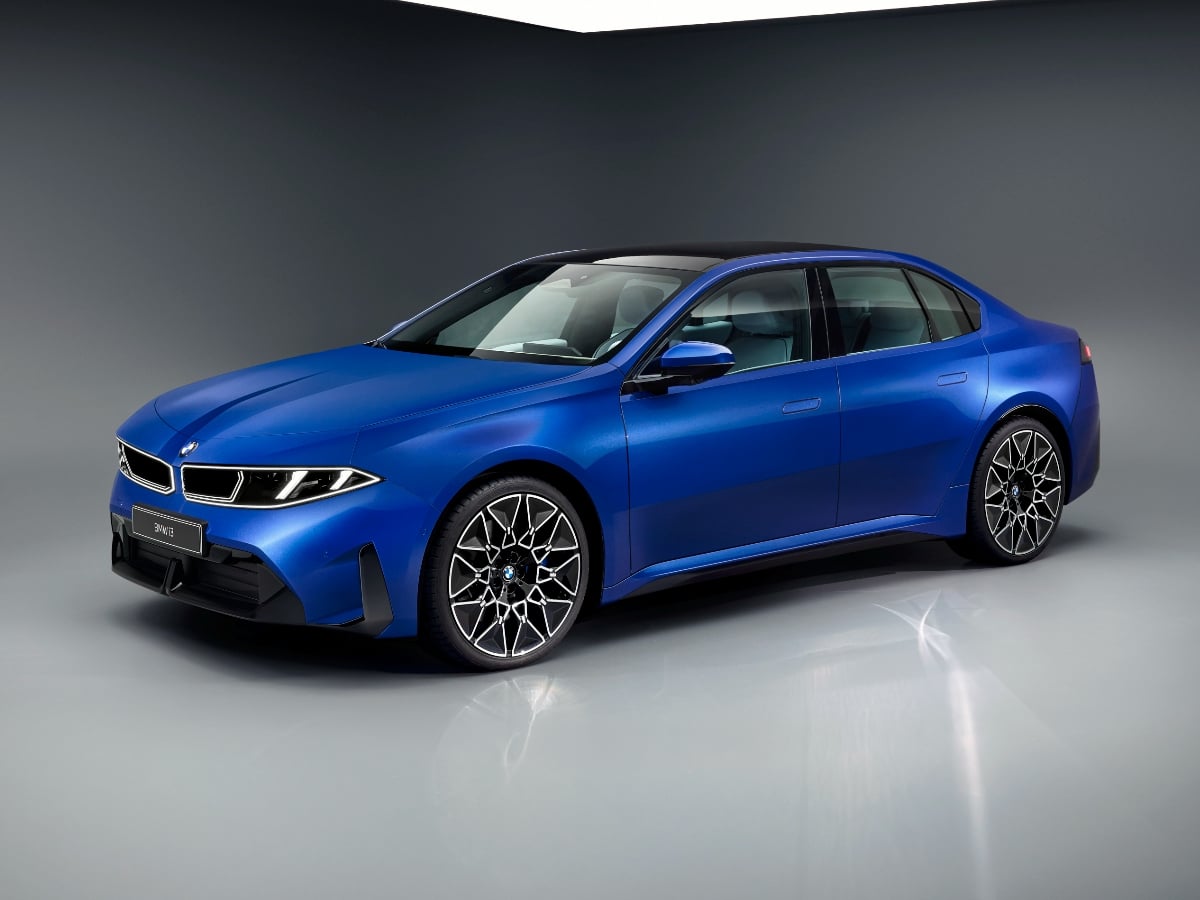
The new 2027 BMW i3 boasts an estimated range of up to 440 miles, 400-kilowatt DC fast charging capability, bidirectional charging to a home or the grid, and next-generation technology.
Read the Full Article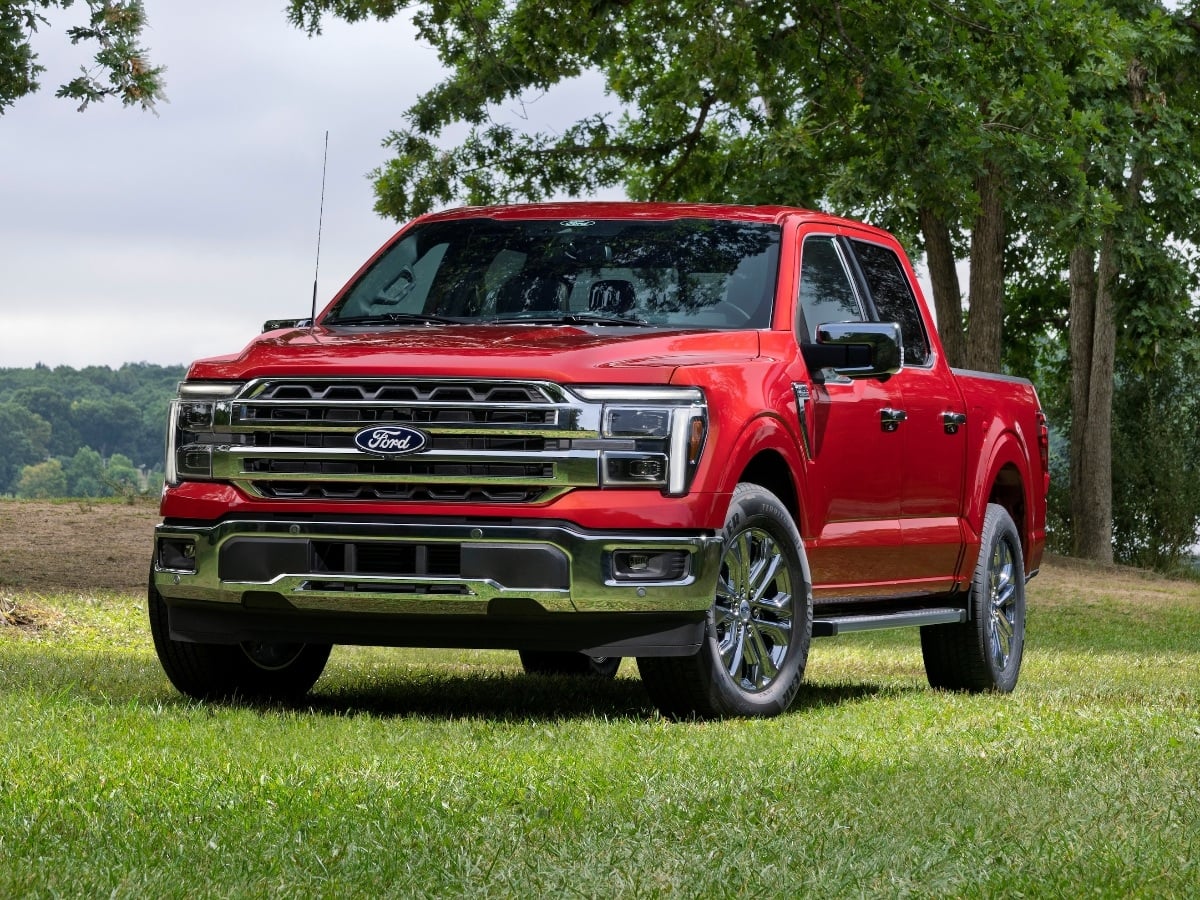
Facing renewed competition in the full-size, light duty pickup truck segment, the 2027 Ford F-150 receives subtle styling updates, a new standard engine, broader availability of its 5.0-liter V8, and ...See More
Read the Full Article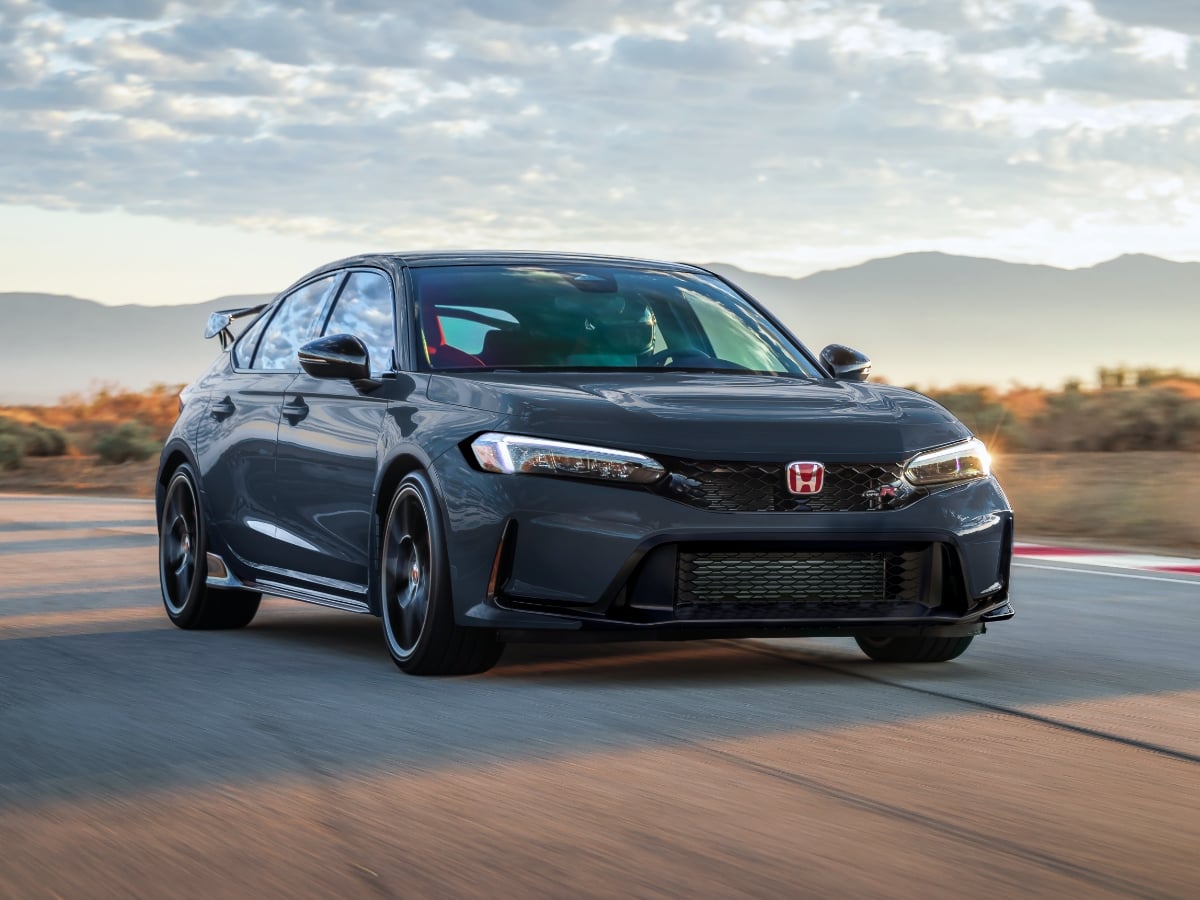
The 2027 Civic Type R goes on sale in October 2026, and it starts at $49,990, including the $1,295 destination charge.
Read the Full Article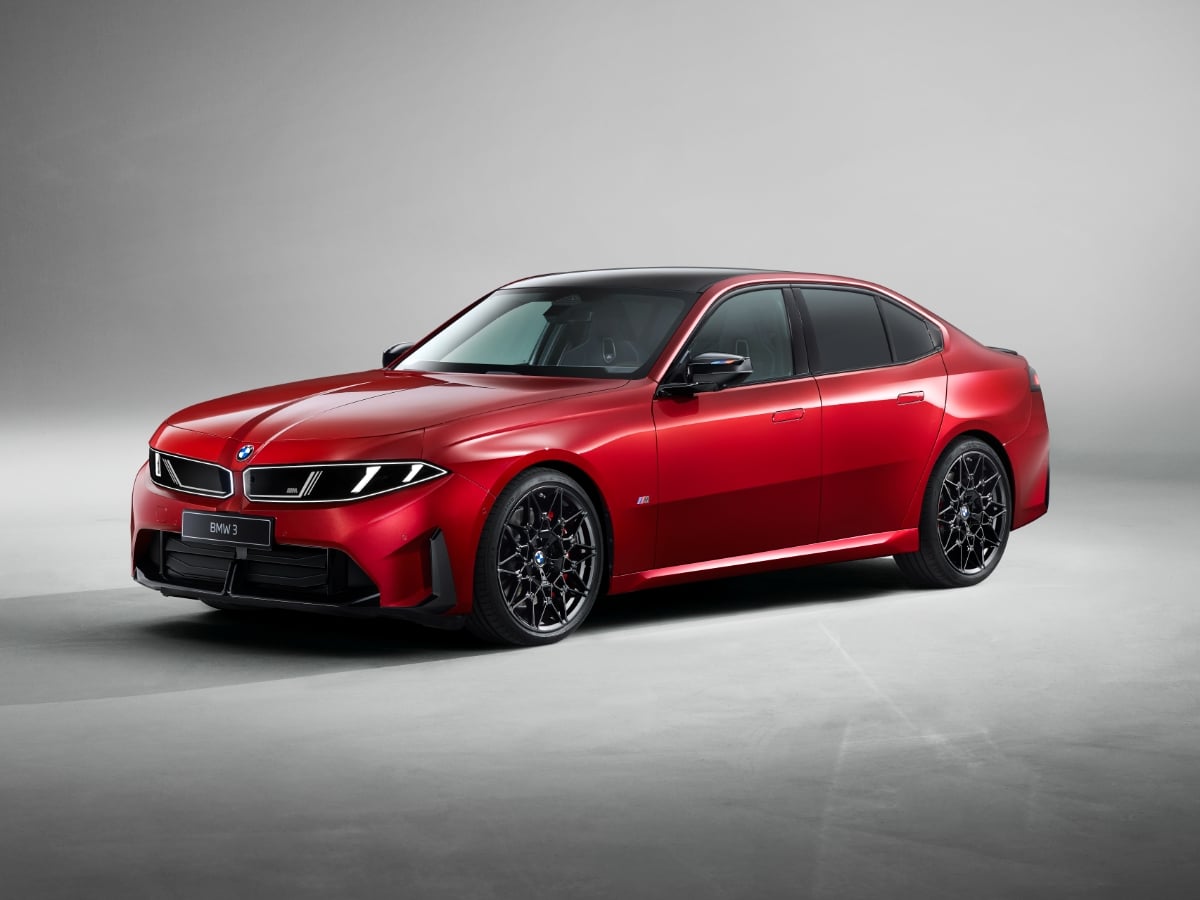
Part of BMW’s Neue Klasse (new class) rollout of redesigned models, the 2027 BMW 3 Series is all-new and goes on sale in the first quarter of 2027.
Read the Full Article