
Hydrogen fuel cell vehicles have been around for decades, and Honda was the first to put Americans behind the wheel of one after obtaining regulatory approval for the 2003 FCX. The FCX Clarity followed, and then the Clarity Fuel Cell. Now, Honda introduces the 2025 CR-V e:FCEV, equipped with the automaker’s next-generation fuel cell technology.
But there’s a twist. It’s also a plug-in electric with 29 miles of estimated range.
Let’s be clear: the CR-V e:FCEV offers more than 29 miles of total driving range. Use the battery’s stored electricity and the fuel in the hydrogen tank, and it will travel 270 miles before you need to find a hydrogen refueling station or an electrical outlet. The electric-only range helps make the SUV more efficient by easing the workload on the fuel cell and ensuring you can still drive it locally if there is a shortage of hydrogen fuel in your region.

Photo: Christian Wardlaw
You can get more details in this 2025 Honda CR-V e:FCEV preview. For this review, I spent a morning at American Honda headquarters in Torrance, California, where I had the chance to learn about the company’s future fuel cell plans across industries and purposes, talk with the CR-V e:FCEV’s engineers, and drive the fuel cell SUV on a short urban loop in the area.
Honda also had the 2024 CR-V Sport Touring available for back-to-back comparison purposes to help me discern the differences between the two SUVs. The TL;DR is that the CR-V e:FCEV looks, feels, and drives like a typical compact crossover SUV, with little to distinguish it other than its unusual powertrain. That’s good because it means the trickiest thing about it is fueling. However, early adopter types who want to drive something special and futuristic might be disappointed.

Photo: Christian Wardlaw
When the 2025 CR-V e:FCEV becomes available later this year, it will have Touring-level equipment and your choice of Platinum White Pearl or Meteorite Gray Metallic paint.
Honda will offer the fuel cell only in California, where the fledgling hydrogen infrastructure to support the powertrain exists, and it will be a lease-only proposition. Company representatives declined to offer payment details other than to say it would be attractive.
In addition, the CR-V e:FCEV will be a rarity on the road, even in the Golden State. Reportedly, Honda will make 300 of them available each year.

Photo: Christian Wardlaw
You can tell the CR-V e:FCEV differs from a standard CR-V by its styling. Reworked from the windshield forward, the revised design makes room for the fuel cell’s cooling system and aids aerodynamics. However, it also significantly increases the front overhang, which throws the SUV’s visual balance off a bit.
Changes are less dramatic in the back, where a new liftgate, clear-lens taillights, and a black trim panel below the window glass distinguish the fuel cell. It shares its black 18-inch aluminum wheels with the CR-V Sport Hybrid and ditches the gray lower body cladding for body-color trim.
Inside, there are more similarities than differences. The main one is the CR-V e:FCEV doesn’t have a traditional shift lever. Instead, a collection of buttons resides on the center console. In addition, the FCEV has artificial instead of genuine leather, and it is convincing enough that Honda should use it across its model lineup in place of the real thing. Lastly, the FCEV offers powertrain-exclusive energy monitoring displays and app features.

Photo: Christian Wardlaw
The FCEV’s battery pack lives underneath the cabin floor, and Honda packages the hydrogen tank behind the back seat. It doesn’t intrude on passenger room or comfort, and the CR-V e:FCEV easily seats up to five people.
However, the arrangement does impede cargo space. To resolve this, Honda added an adjustable cargo floor panel to create a two-tiered loading area with a large flat surface and a storage well hidden from sight when the liftgate is closed. In the photo above, you can see Honda’s trick folding electric Motocompacto scooter on the upper panel, with the lower storage well beneath.
Fortunately, the standard CR-V is among the roomiest models in the compact crossover segment, so the fuel-cell version retains plenty of practicality, if not the same amount of cargo volume.

Photo: Christian Wardlaw
If you’ve been in one of Honda’s newest models, you’ll recognize the CR-V e:FCEV’s 10.2-inch digital instrumentation panel and 9-inch touchscreen infotainment system display. In this model, the latter adds hydrogen station information, charging data, and an energy flow graphic. A 12-speaker Bose premium sound system is also standard.
In addition, the CR-V e:FCEV includes the Honda Sensing collection of advanced driving assistance systems (ADAS), which contains all of the tech you would expect.
Given my brief time in the vehicle, I did not perform a test of the in-car infotainment or Honda Sensing. However, you can read my review of the 2023 CR-V Sport Touring to see what I thought of those features during a complete evaluation of each.
The Honda Power Supply connector is a neat feature that converts the CR-V e:FCEV’s power port into a 110-volt outlet to deliver electricity to external devices. Examples given by Honda include power tools, campsite equipment, small home appliances, and portable air conditioners. Or, you can park next to a beach, erect an umbrella, plug in your laptop, and “work from home.” Sounds good to me.

Photo: Christian Wardlaw
One of the best things about the new Honda CR-V e:FCEV is that it emits nothing but water vapor into the atmosphere, like its rivals, the Hyundai Nexo and Toyota Mirai. But it does the Nexo and Mirai one better, as it can still travel short distances if hydrogen is temporarily unavailable thanks to its oversized battery.
The new CR-V e:FCEV is the first vehicle equipped with the next-generation Honda Fuel Cell Module, developed in partnership with General Motors. Compared to the one used in the Clarity Fuel Cell, Honda says it has reduced costs by more than 65%, increased durability and refinement, and improved cold-weather performance.
The fuel cell pairs with a 17.7-kilowatt-hour (kWh) battery that is Level 2 charging compatible. At home, using a standard household outlet, the battery can recharge overnight.
Total output measures 174 horsepower and 229 pound-feet of torque, delivered to the FCEV’s front wheels. All-wheel drive is unavailable, but you can activate a regenerative braking system via paddles on the steering wheel. Unfortunately, it’s not a set-it-and-forget-it proposition.
You want driving modes? The CR-V e:FCEV has ‘em. Lots of ‘em. First, you can calibrate the vehicle to Eco, Normal, Sport, or Snow. Beyond that, you can choose how you use the energy by selecting between Auto, EV, Save, and Charge.
Honda hasn’t finalized the FCEV’s curb weight, but it’s a fair bet to expect several hundred added pounds compared to a CR-V hybrid. To manage that, Honda retunes the suspension using exclusive springs, dampers, and stabilizer bars while increasing rear lateral and torsional rigidity.

Photo: Christian Wardlaw
Before driving the CR-V e:FCEV, I took a quick spin in the CR-V Sport Touring hybrid. As always, Honda’s two-motor hybrid powertrain impressed me, except for the occasional grumbling from under the hood. On the streets of Torrance, that CR-V felt taut, athletic, and fun to drive.
Then, I drove the same 4.7-mile route in the FCEV version of the SUV. It sounds different, the hybrid’s grumble replaced by alternating silence and the distant whoosh and whir typical of a fuel cell. The FCEV is quick to accelerate from a stop, but as speed rises, responsiveness falls. On city streets and at speeds under 60 mph, the interior is quiet enough to notice more road noise than you’ll experience in the CR-V hybrid.
The FCEV also feels different in this environment, thanks to a softer and smoother ride, but with hints that the suspension is working to manage the added weight. Keep in mind that the driving route included nothing but city streets and a short limited-access stretch of road where I nudged the FCEV up to 60 mph before dialing it back down to the posted speed limit. I couldn’t sample it on the freeway, a mountain road, or undulating surfaces.
Neither could I perform a typical range test of the battery or the fuel cell. So, we’ll have to take Honda’s word for its EPA rating of 57 MPGe, 29 miles of battery range, and 270 miles of total range.

Photo: Christian Wardlaw
The first time I drove a fuel cell vehicle was in the fall of 2005 when I got behind the wheel of the original Honda FCX. At the time, after learning how a fuel cell works, it was an exhilarating experience because it made me feel like I was driving the future.
Years later, during my most recent drive in a Honda Clarity Fuel Cell, it still felt that way, partly because the Clarity didn’t look like anything else on the road, and a roomy Acura-grade interior was part of the deal. It looked, felt, and drove like something special.
Comparatively, the new CR-V e:FCEV, anonymous in its white or dark gray paint, doesn’t look or feel like the future at all.
People can’t seem to get enough of compact crossover SUVs, and within that segment the CR-V is a top seller, so it makes logical sense to pair it with the latest fuel cell technology. But this remains an early-adopter powertrain, and I suspect the people who might choose a fuel cell would prefer to drive something distinguishable from its hundreds of thousands of lookalike siblings.
Nevertheless, the 2025 Honda CR-V e:FCEV adds a compelling twist that might make it a better choice than its two rivals.
Christian Wardlaw is a veteran automotive journalist with nearly 30 years of experience in test-driving vehicles. In addition to JDPower.com, his work has appeared in numerous new and used-car buying guides, newspapers, and automotive industry trade journals.


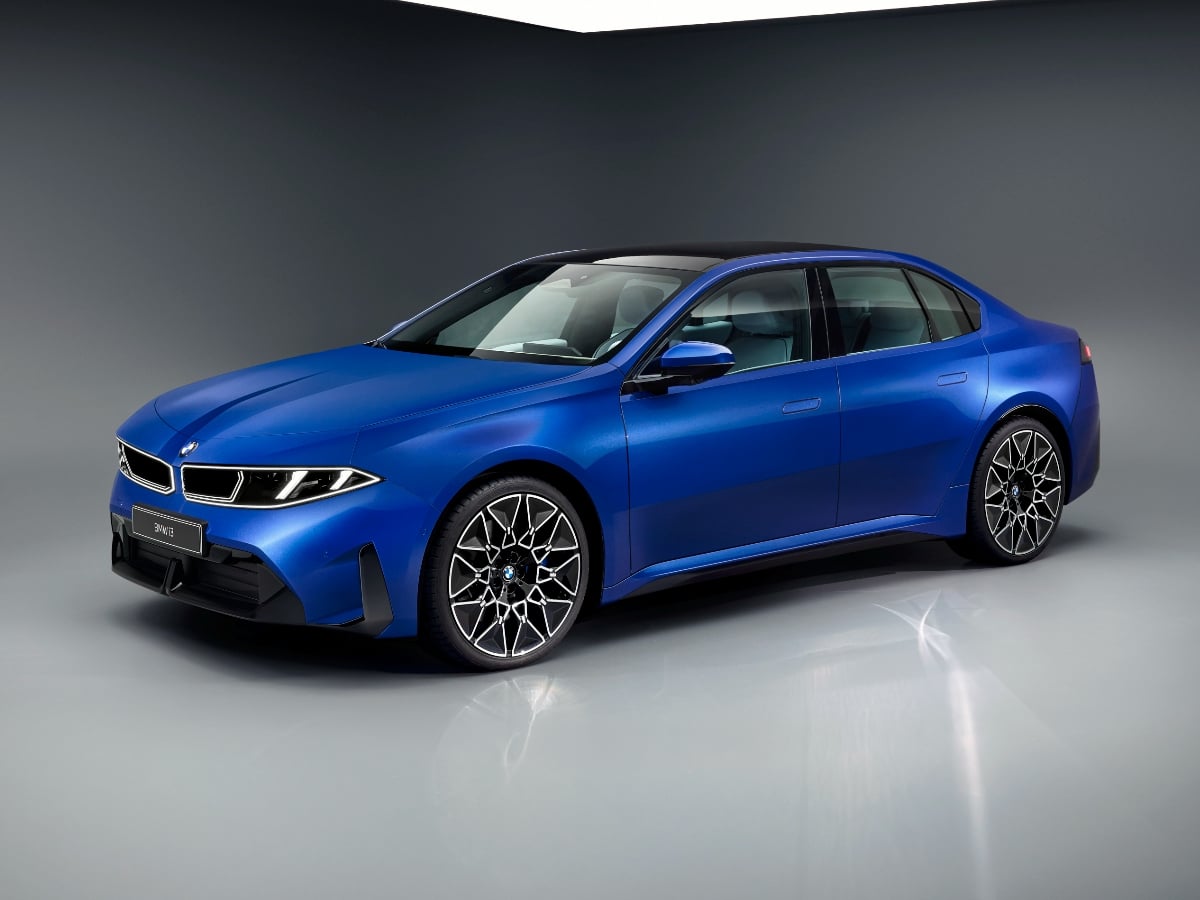
The new 2027 BMW i3 boasts an estimated range of up to 440 miles, 400-kilowatt DC fast charging capability, bidirectional charging to a home or the grid, and next-generation technology.
Read the Full Article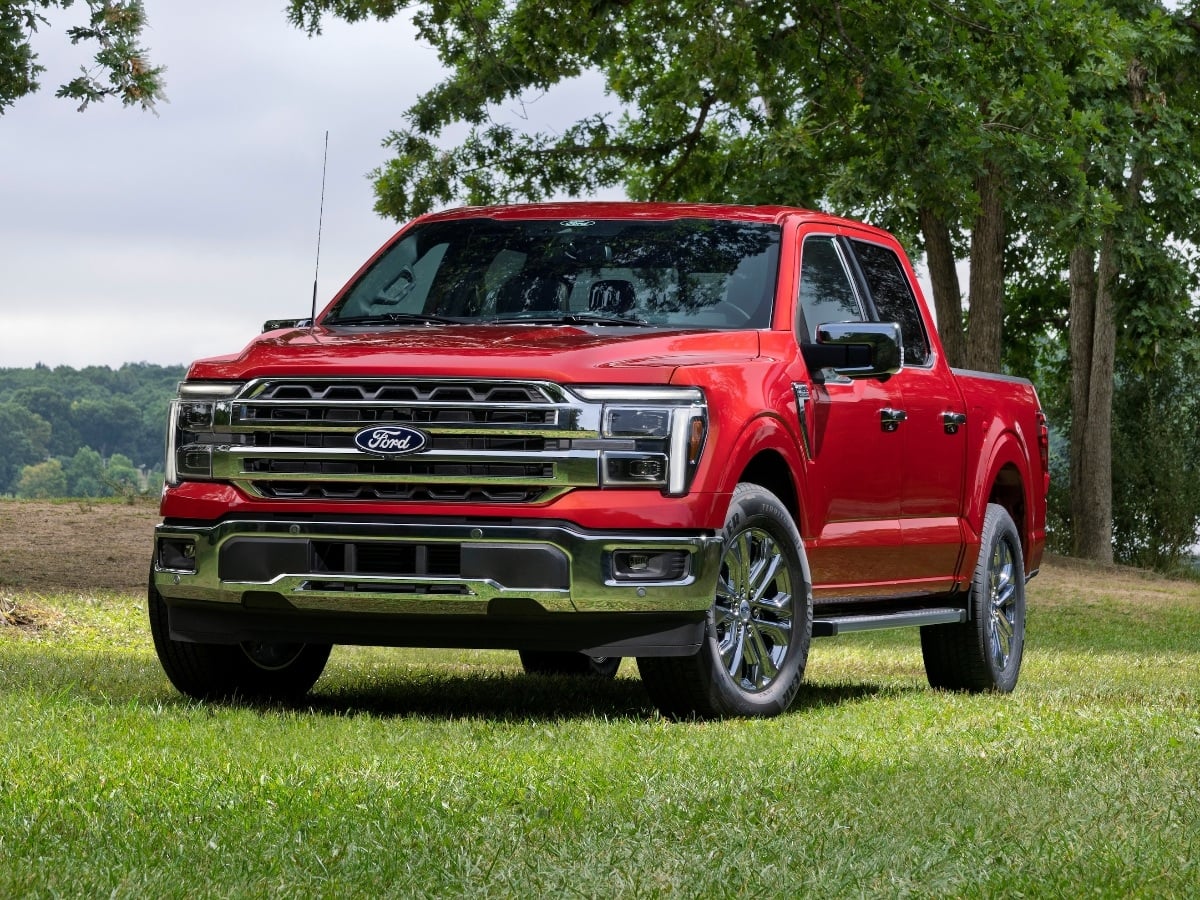
Facing renewed competition in the full-size, light duty pickup truck segment, the 2027 Ford F-150 receives subtle styling updates, a new standard engine, broader availability of its 5.0-liter V8, and ...See More
Read the Full Article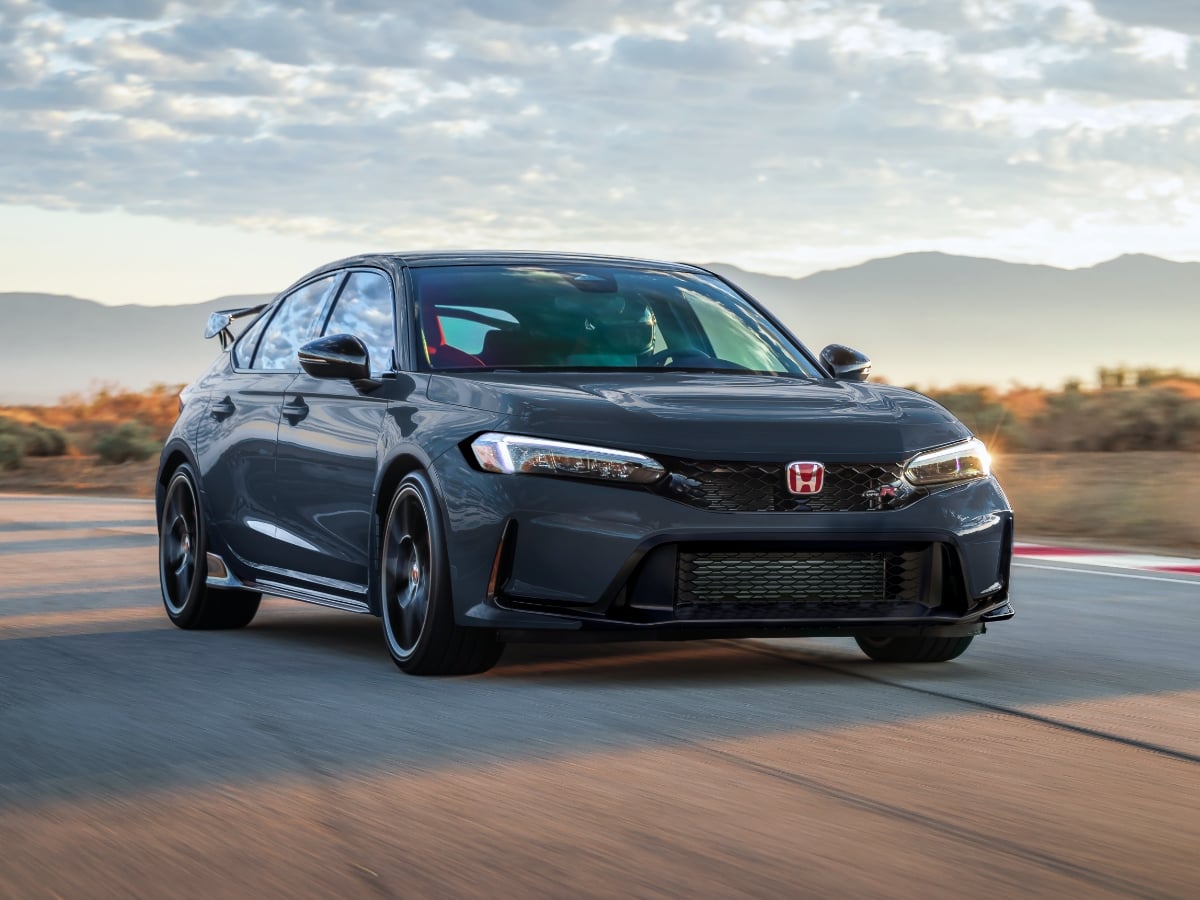
The 2027 Civic Type R goes on sale in October 2026, and it starts at $49,990, including the $1,295 destination charge.
Read the Full Article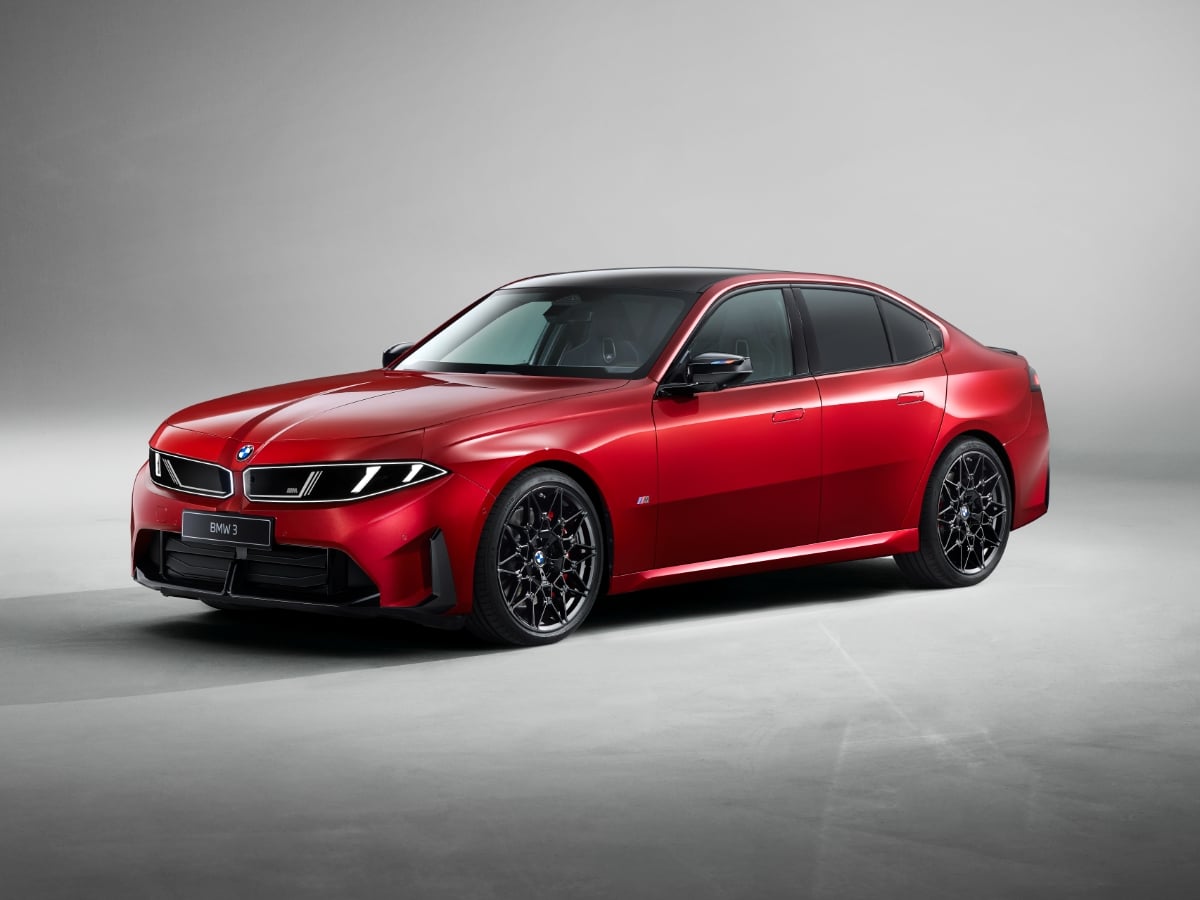
Part of BMW’s Neue Klasse (new class) rollout of redesigned models, the 2027 BMW 3 Series is all-new and goes on sale in the first quarter of 2027.
Read the Full Article