
Rear cross-traffic warning (RCTW), also commonly known as rear cross-traffic alert, is an automatic warning system that provides a safe way for drivers to back out of their parking spots. It is typically a component of a vehicle's advanced driver assistance system (ADAS) suite of safety and technology features. Rear cross-traffic warning detects approaching vehicles (and, in some cases, pedestrians and cyclists) when a car backs up and warns the driver with both auditory and visual alerts.

Everyone dreads having a collision while backing out of a parking spot. Unfortunately, these types of accidents are common. Rear cross-traffic warning technology reduces back-end collisions by 25 to 30 percent. The technology is available as either standard or optional equipment on many new cars today. You can also find aftermarket systems for older cars.
One way to know if a car has RCTW is by checking to see if it has blind-spot warning on the side mirrors. Auto manufacturers often install and integrate the two systems to work in tandem. They both use the same sensors inside the left and right sides of the back bumper to detect vehicles entering their monitored areas.
When the driver shifts the car into reverse, the RCTW system automatically activates. The RCTW system generally comes equipped with a backup or rearview camera to help see vehicles approaching from either side of the car's rear. Both systems will turn on when you put your vehicle in reverse. If an approaching vehicle enters the area monitored by RCTW, the driver will receive a visual or auditory warning. The warning may appear on the dashboard, rearview mirror, and/or side-view mirrors. Since RCTW is directional, visual notifications will generally indicate from which direction a vehicle is approaching.
When the sensors detect vehicles approaching from behind, the RCTW system will trigger visual and auditory warnings. These warnings are intended to have the driver react by braking, thus allowing the approaching vehicle to pass. In some cases, the driver may want to safely pull forward again after determining the position of the approaching vehicle (which may have also come to a stop).
The RCTW feature adds automatic braking on certain premium models. Although standard RCTW and enhanced RCTW with auto braking appear identical, the latter adds the ability to automatically stop the car when the system detects an approaching vehicle from behind. This additional functionality helps lower the odds of getting into an accident while backing up. It also stops the vehicle when it approaches other parked cars or immovable objects like trees, walls, and curbs while backing up.
Most RCTW systems work best for straight parking. Due to a skewed sensor monitoring area, they may not work to their full potential in angled parking configurations. Also, RCTW systems require the vehicle to back up at less than 5 miles per hour. This speed limit may vary slightly depending on the vehicle's make and model.
Keep in mind, RCTW is not perfect and can't replace an attentive driver. Sometimes, there could be limitations on how well RCTW works and the range and clarity of the system. As such, drivers should always be aware of their surroundings.
Turning RCTW on or off is generally very easy. Depending on the vehicle, you can do it by pressing a dedicated button on the instrument panel or within the ADAS menu on the driver information display or the infotainment system touchscreen. Since this feature's purpose is to assist a driver in avoiding an accident, it is advisable always to keep it on unless it is not functioning correctly.
There is little to be done for RCTW to function as expected. The vehicle owner should periodically check to see if the sensors on the back bumper are clean and not obstructed.
Rear cross-traffic warning acts as an extra set of eyes for drivers when backing up. However, it is essential not to rely entirely on the RCTW system when moving in reverse. Drivers should always look back and check their mirrors to gain full visibility of what may be approaching from behind the vehicle.


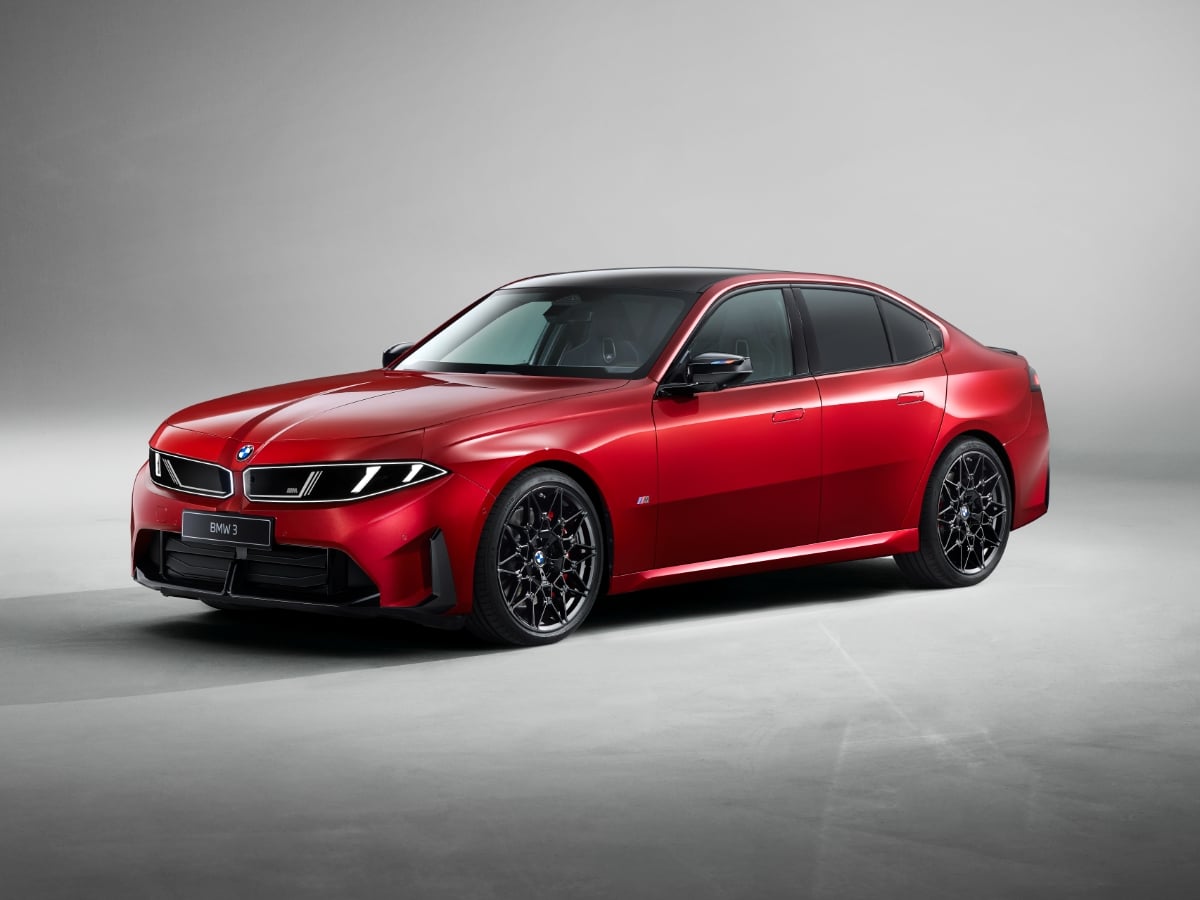
Part of BMW’s Neue Klasse (new class) rollout of redesigned models, the 2027 BMW 3 Series is all-new and goes on sale in the first quarter of 2027.
Read the Full Article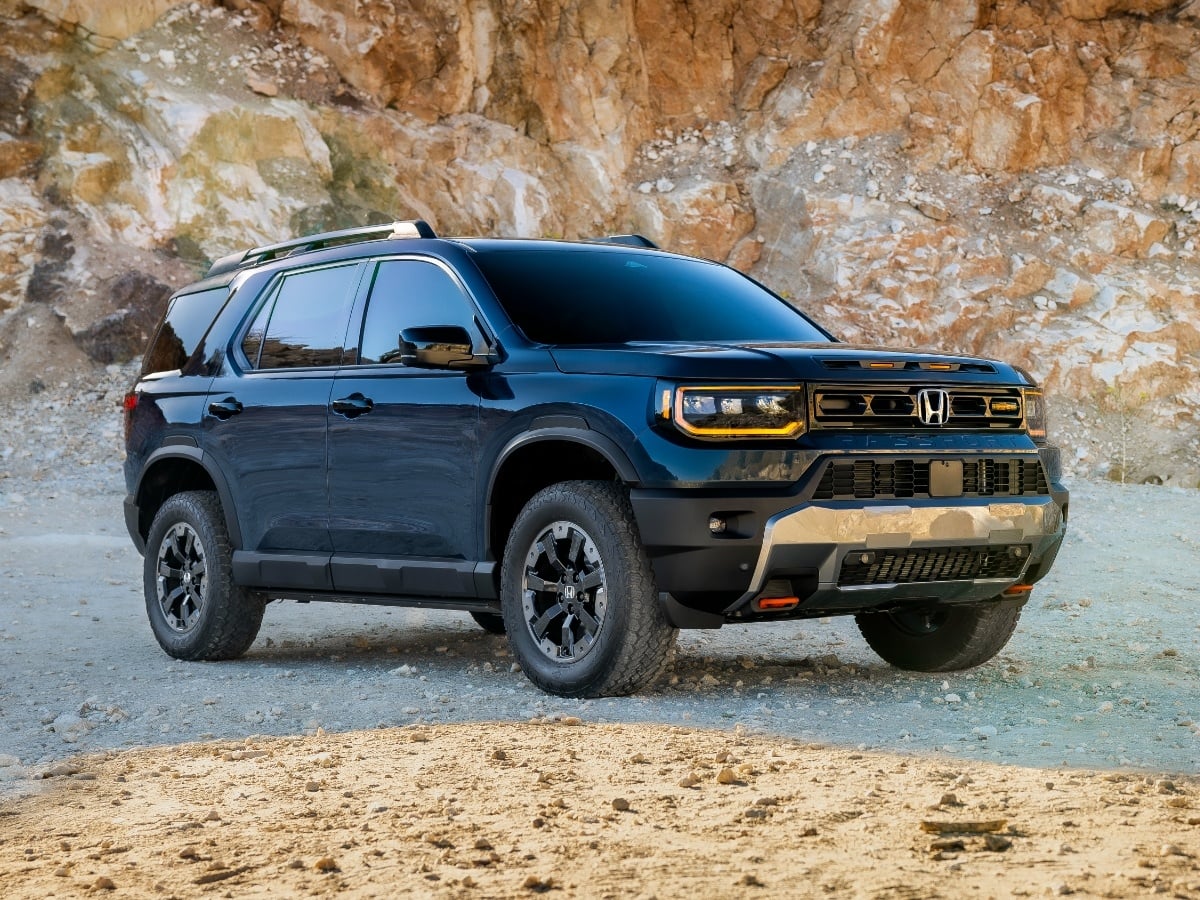
Updates to the 2027 Honda Passport TrailSport include a reworked suspension, improved steering, subtle styling enhancements, and added standard equipment.
Read the Full Article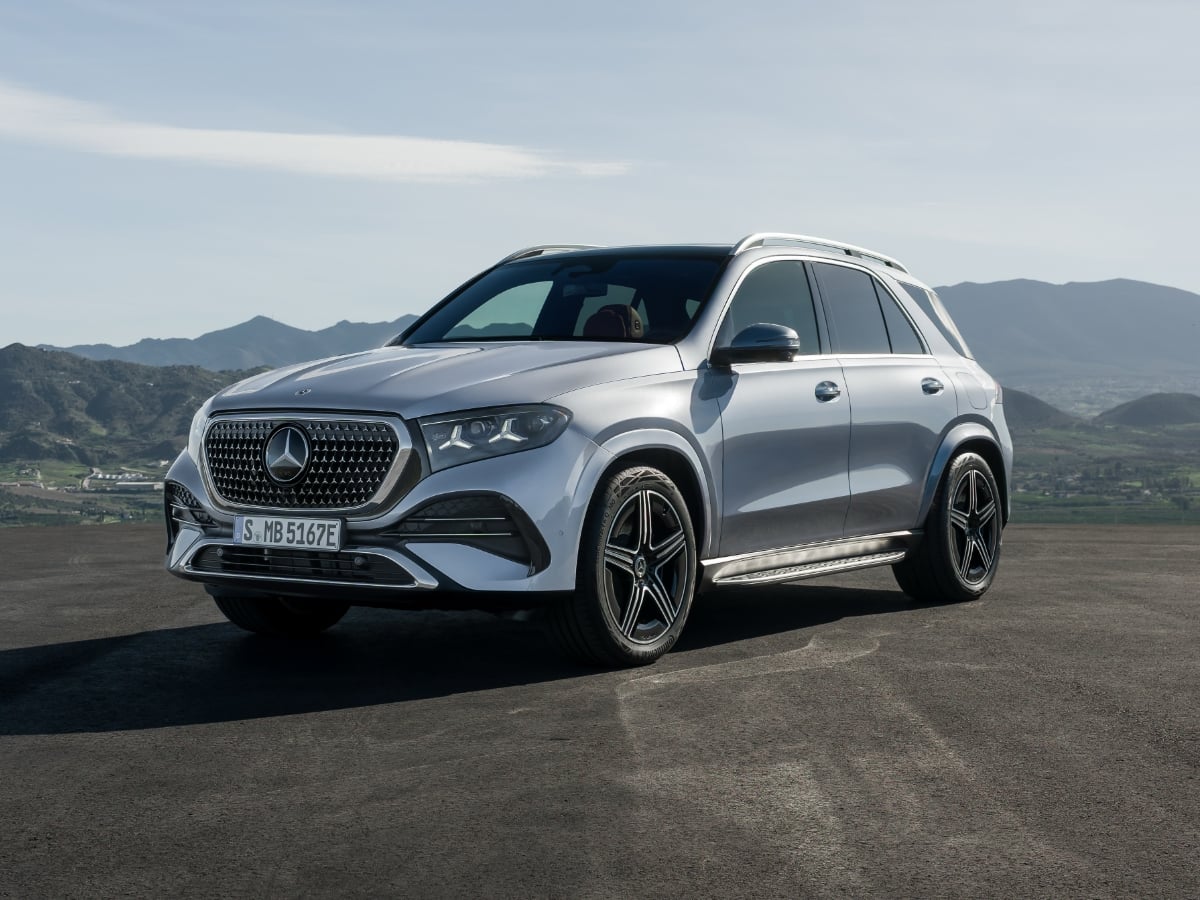
The midsize 2027 Mercedes GLE remains available in original and spicy Coupe recipes, now with standard 4Matic all-wheel drive (AWD), MBUX Superscreen technology, and a panoramic glass sunroof for ...See More
Read the Full Article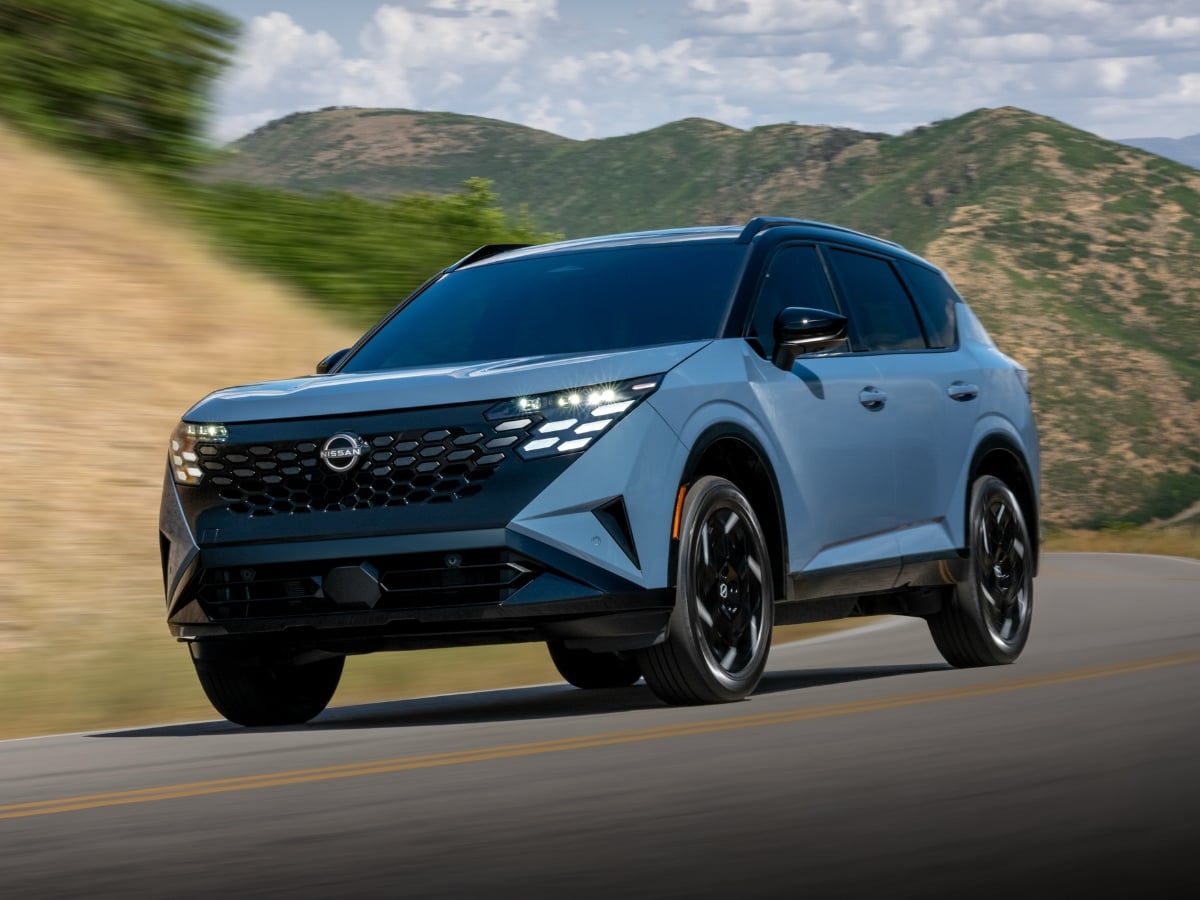
Nissan is about to introduce an innovative new SUV. The 2027 Nissan Rogue Hybrid has a gasoline engine, but it does not power the wheels. Instead, electric motors at each axle provide propulsion, ...See More
Read the Full Article