
Rear-end collisions are common, especially in areas where heavy traffic is an everyday occurrence. Even vigilant drivers sometimes lose focus, so automakers have stepped in with a technology that helps warn of approaching danger. A forward-collision warning (FCW) system, also known as forward-collision alert, may provide visual, audible, or other alerts when the vehicle is approaching an obstacle.

Some complain about “electronic nannies,” but the reality is that FCW and other technologies save lives and prevent collisions. The Insurance Institute for Highway Safety (IIHS) finds that FCW can reduce rear-end crashes by 27 percent. Automakers have caught on and are incorporating FCW and other advanced driver assistance systems (ADAS) into many new models as standard equipment. The result is several IIHS Top Safety Pick and Top Safety Pick+ award winners in all price ranges.
Sensors in a vehicle’s front fascia enable FCW, and many newer models can detect vehicles and pedestrians. Some systems offer a wider field of view or longer reach than others, and automakers pair it with other safety features instead of providing it as standalone tech.

A forward-collision warning system determines the distance and position of people, vehicles, and other obstacles around the front of the car. Using the speed and distance from the danger, the system can alert the driver to brake when necessary.
Forward-collision warning systems generally take one of two paths: Vehicle detection or vehicle and pedestrian detection. Automakers have gravitated toward the more complete systems that offer pedestrian detection to offer more safety equipment in their vehicles. Many systems leverage, or are companions to, FCW. This is most common with automatic emergency braking (AEB), which works with FCW to apply brakes when a collision is likely.
Some vehicles come with intersection turn assistance and other features where sensors that detect vehicles and pedestrians are critical. Automakers wrap other FCW systems into more complex safety features incorporating adaptive cruise control and other features to create hands-free or semi-autonomous driving packages.
Many new models come standard with FCW. The problem is that many automakers use proprietary branding terms to describe safety equipment, making it difficult to understand what is and is not available. Audi includes its FCW system in its Pre Sense package; Honda builds it into its Honda Sensing suite of ADAS. Mercedes-Benz combines FCW and AEB and calls it Active Brake Assist.

If FCW is high on your list of vehicle features, take a close look at the standard equipment list. Some automakers call the tech out directly, making it easy for buyers, but others require research. Look for language that describes alerts or warnings related to obstacles in front of the vehicle. For example, Mercedes’ description states: “technology that can alert you if you’re approaching a vehicle ahead, or even some stationary objects, at a speed and distance that suggest a collision is likely.”
Forward-collision warning can make the difference between making it home safely and having a terrible day, so it’s a good idea to find a model with the safety kit you and your family can rely on. When you’re ready to jump in, head to the Shopping Guides section of our website to learn more about the safest new models.
Chris Teague is an experienced writer in the automotive and technology fields. In addition to JDPower.com, his work appears at Forbes, The Drive, Autoweek, and others.


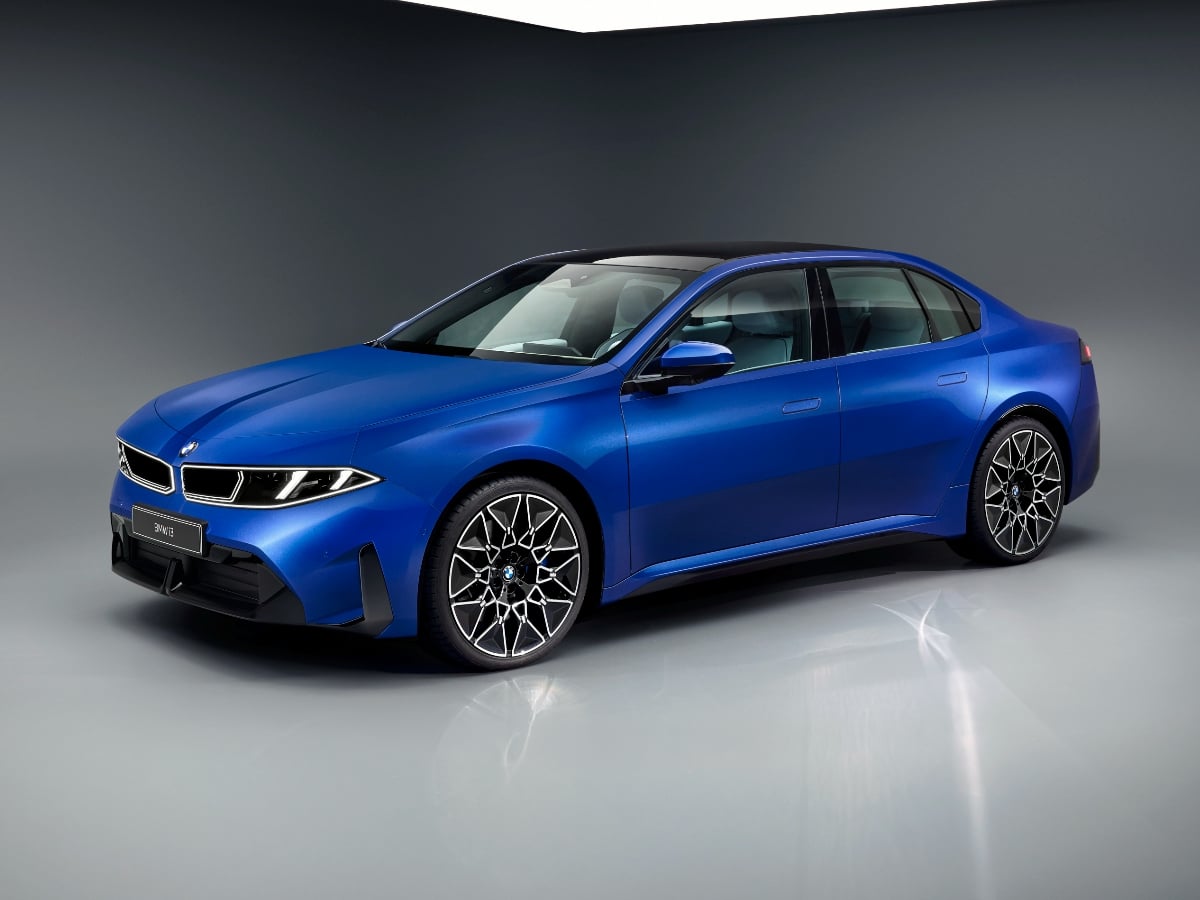
The new 2027 BMW i3 boasts an estimated range of up to 440 miles, 400-kilowatt DC fast charging capability, bidirectional charging to a home or the grid, and next-generation technology.
Read the Full Article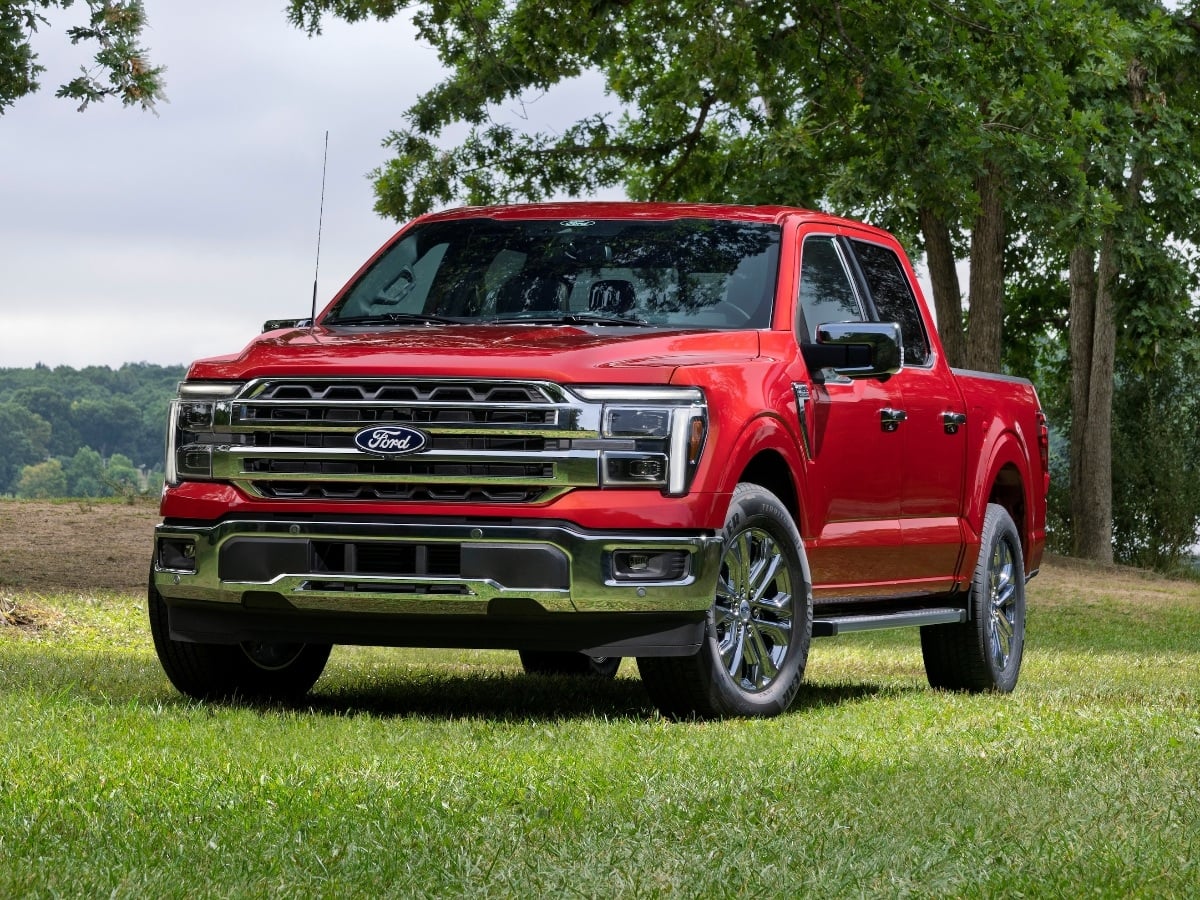
Facing renewed competition in the full-size, light duty pickup truck segment, the 2027 Ford F-150 receives subtle styling updates, a new standard engine, broader availability of its 5.0-liter V8, and ...See More
Read the Full Article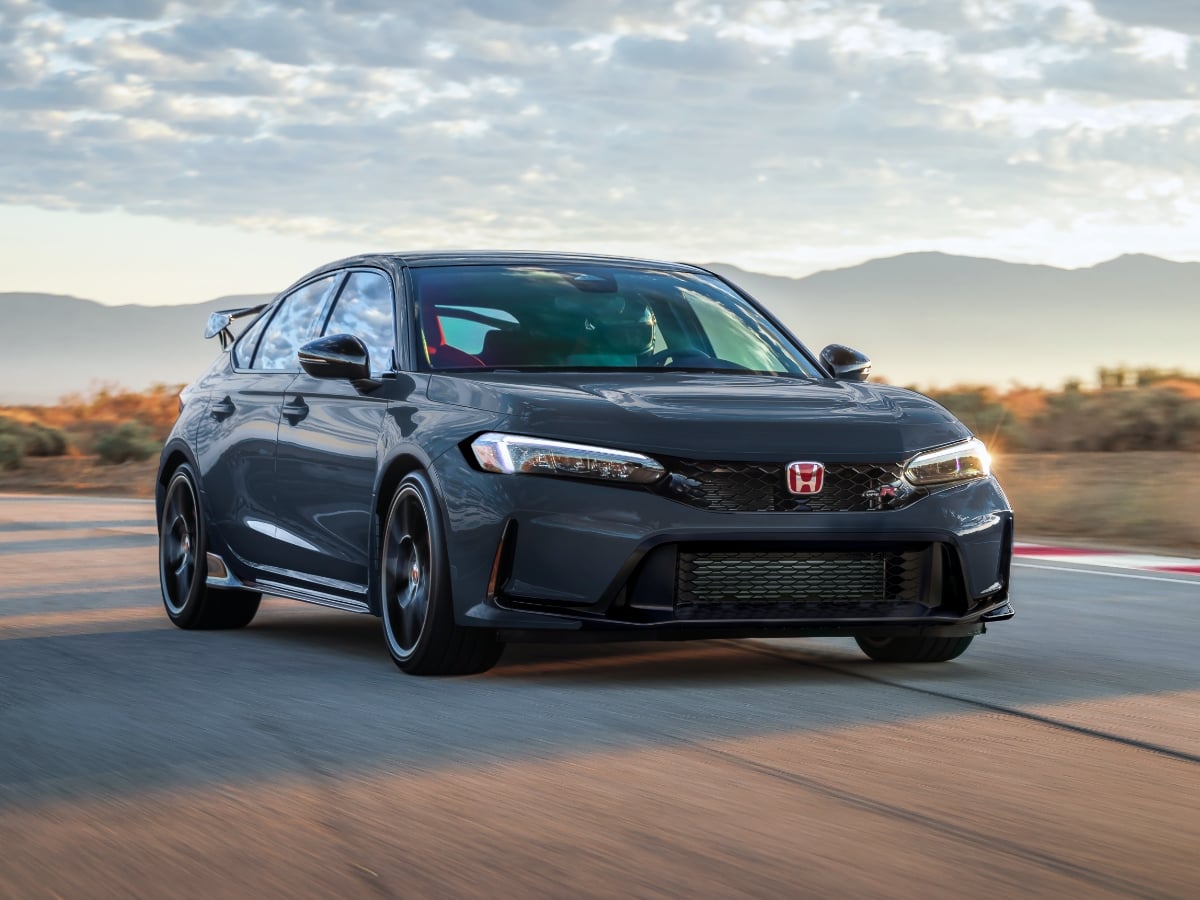
The 2027 Civic Type R goes on sale in October 2026, and it starts at $49,990, including the $1,295 destination charge.
Read the Full Article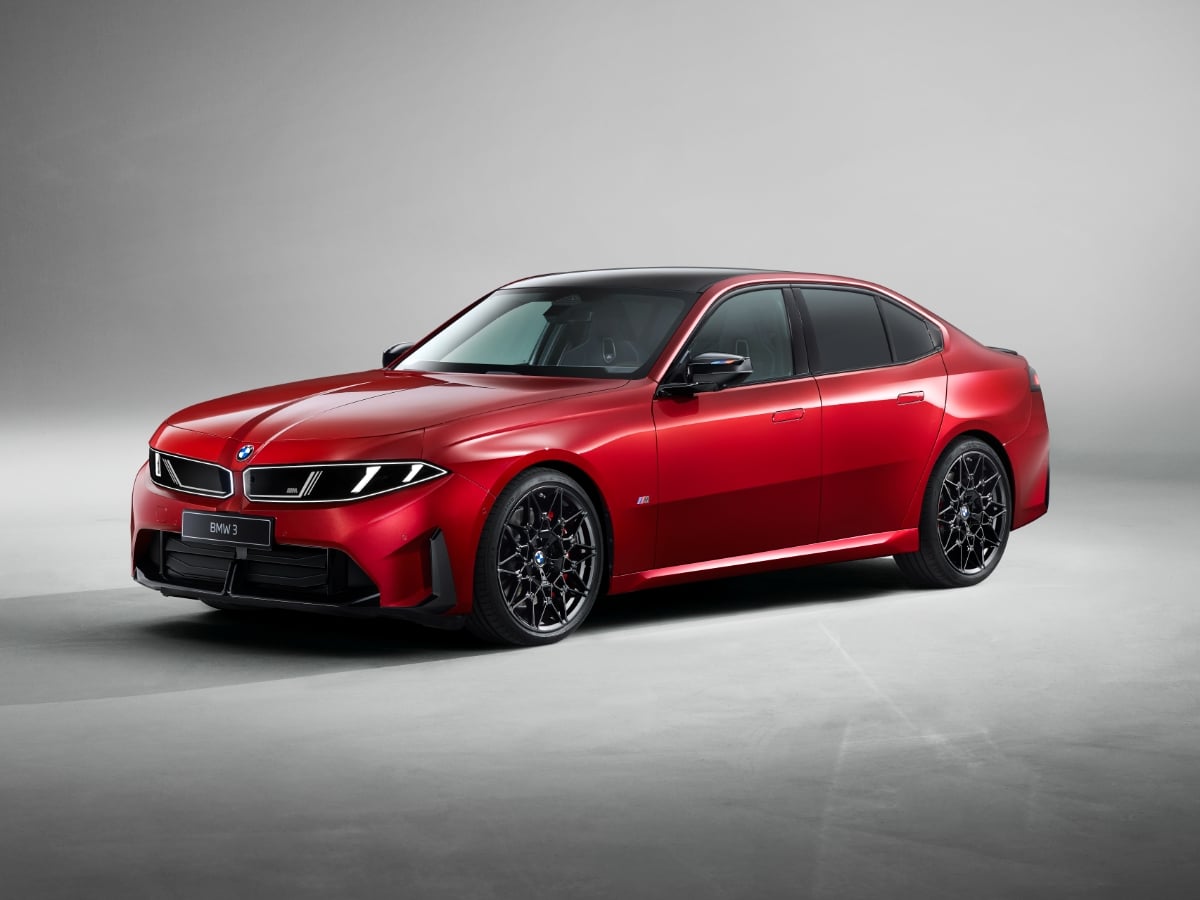
Part of BMW’s Neue Klasse (new class) rollout of redesigned models, the 2027 BMW 3 Series is all-new and goes on sale in the first quarter of 2027.
Read the Full Article