
Automatic emergency braking (AEB) is a safety system that can identify when a possible collision is about to occur and responds by autonomously activating the brakes to slow a vehicle prior to impact or bring it to a stop to avoid a collision. The technology commonly uses radar, cameras, or LiDAR to identify threatening situations. The slower the vehicle is traveling, the more likely it is that the automatic emergency braking system can bring it to a stop to prevent a collision.

The first AEB systems appeared on luxury cars in the mid-2000s. Now, the technology is common across all makes and models as well as price classes. In accordance with an agreement between automakers and the National Highway Traffic Safety Administration (NHTSA), by September 1, 2022, nearly all new vehicles sold in the United States will have the technology as standard equipment.
Since AEB first appeared, automakers have offered numerous systems with varying levels of capability. Whether you are buying a new or a used car, it is crucial for you to know which type of system your vehicle has so that you know what to expect while driving.
Some AEB systems work only at lower speeds. They are designed to prevent collisions in cities, heavy traffic, and parking lots. An example is Mazda’s Smart City Brake Support, which could automatically brake a vehicle traveling at speeds under 18 mph to prevent a collision or reduce speed prior to impact. Mazda offered this technology several years ago and has replaced it with a more capable Smart Brake Support technology that works at speeds up to 90 mph, the manufacturer says.
By 2020, most AEB systems worked both at low speeds and the higher speeds common to suburban boulevards, rural highways, and freeways. With more capable sensing technology, they could “see” farther down the road to identify when a possible collision might occur, making them useful at typical travel speeds. However, in most higher-speed situations, AEB can only slow your vehicle as much as possible before impact instead of bringing it to a stop in time to avoid a collision.
Automatic emergency braking systems usually pair with forward-collision warning technology. As a result, AEB reacts to pedestrians and cyclists that might enter the vehicle’s path of travel. Some systems can also detect large animals on the road ahead and use AEB to avoid a collision or lessen an impact.
In combination with rear cross-traffic warning systems, reverse automatic braking can suddenly stop your vehicle if another one is approaching as you back out of your driveway or parking spot. This system can also sense when you are approaching objects and stop your vehicle before you hit them.
Studies conducted in Europe, the U.S., and other regions consistently show that AEB is one of the most effective collision-avoidance technologies you can have in your vehicle.
One of the most recent studies, conducted by the Highway Loss Data Institute (HLDI) and the Insurance Institute for Highway Safety (IIHS) in April 2019, found a 50-percent reduction in front-to-rear collisions for vehicles with forward-collision warning and AEB, and a 56-percent decrease in front-to-rear crashes with injuries. Reverse automatic braking systems demonstrate a 78-percent reduction in collisions compared to vehicles equipped only with a reversing camera and parking sensors.
Automatic emergency braking can sometimes activate when it isn’t necessary. Our expert independent vehicle reviewers have experienced various false alerts with this technology.
Examples include:
Also, weather can affect your AEB system. Rain, fog, and snow are common reasons that your safety systems may be unable to perform as expected.
Though automatic emergency braking systems can activate when it’s unnecessary, studies show they are among the most effective driving aids in avoiding collisions and, if an impact occurs, reducing injuries. Learn more about the latest vehicle technologies by visiting the Shopping Guides section of JDPower.com.


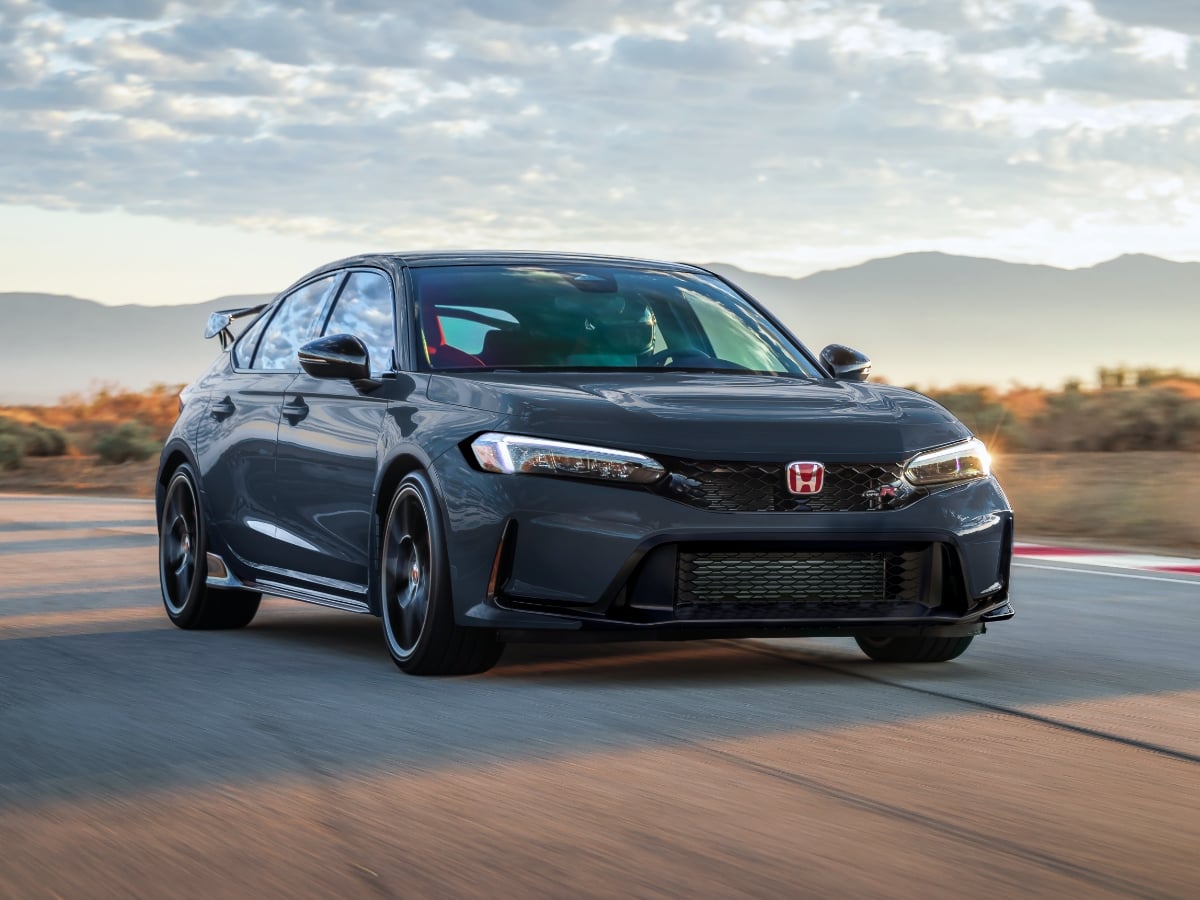
The 2027 Civic Type R goes on sale in October 2026, and it starts at $49,990, including the $1,295 destination charge.
Read the Full Article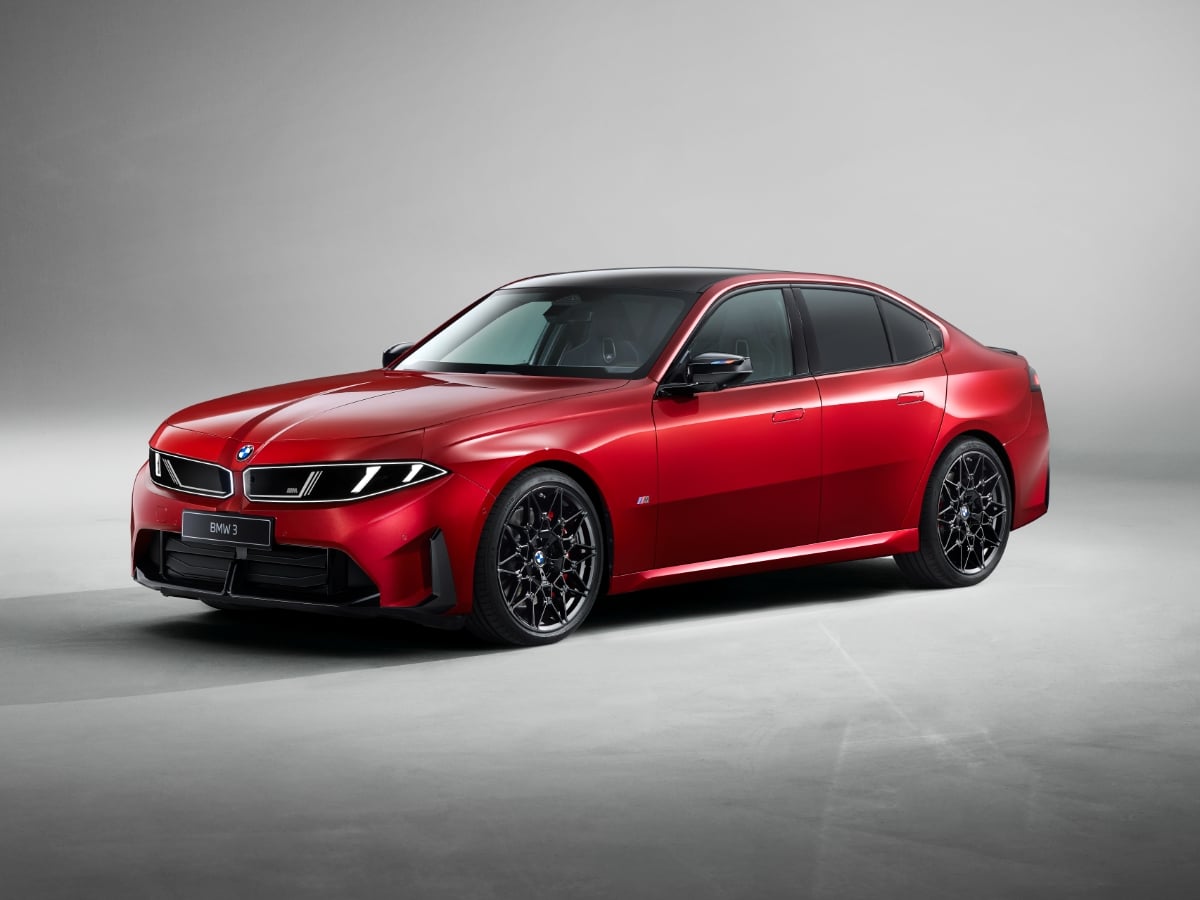
Part of BMW’s Neue Klasse (new class) rollout of redesigned models, the 2027 BMW 3 Series is all-new and goes on sale in the first quarter of 2027.
Read the Full Article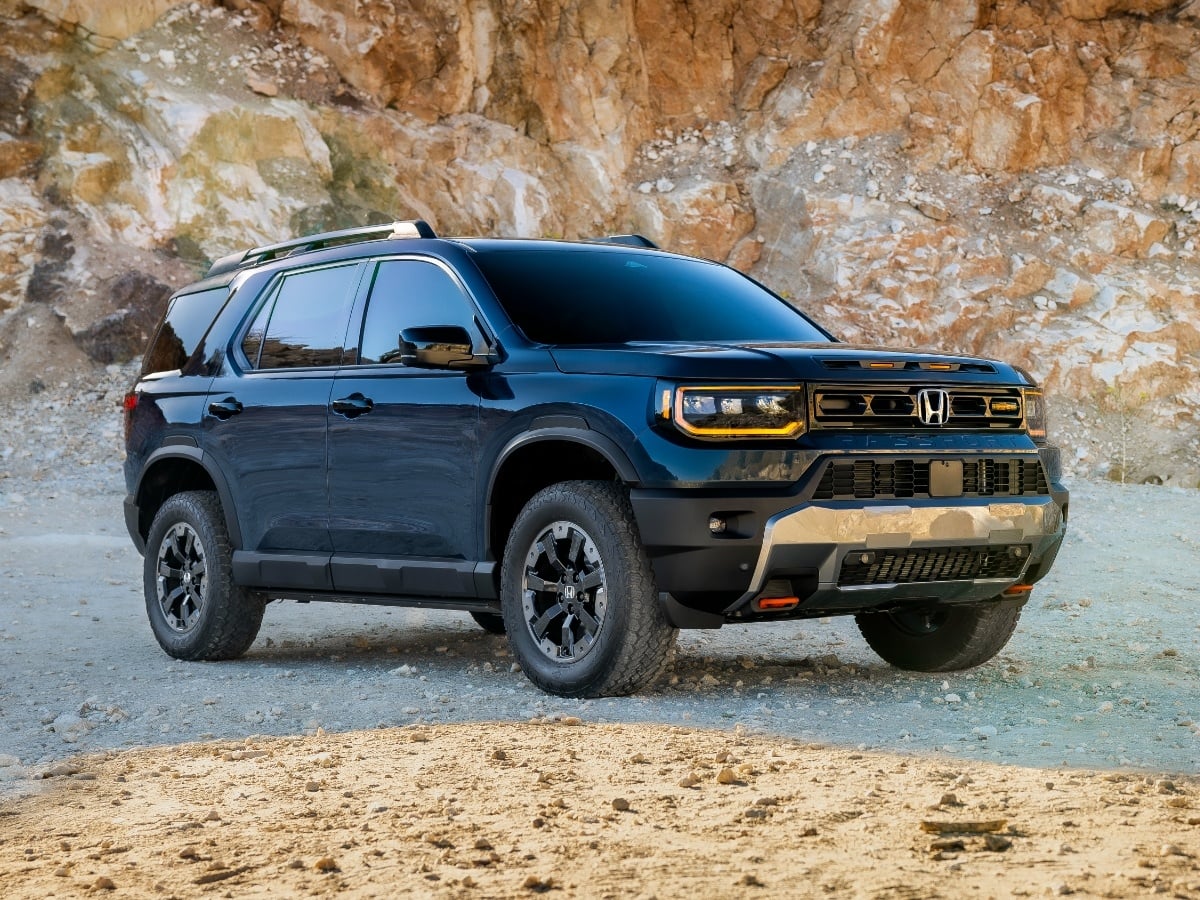
Updates to the 2027 Honda Passport TrailSport include a reworked suspension, improved steering, subtle styling enhancements, and added standard equipment.
Read the Full Article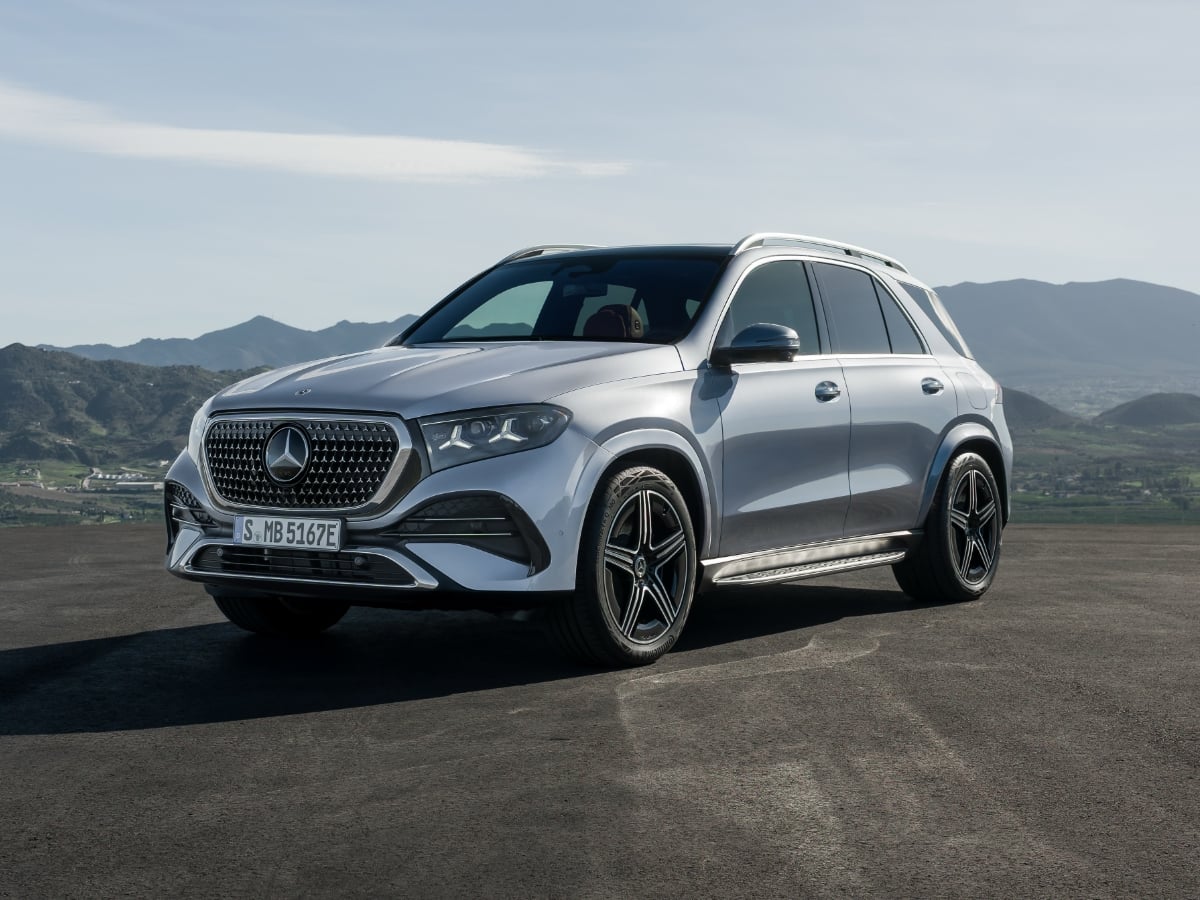
The midsize 2027 Mercedes GLE remains available in original and spicy Coupe recipes, now with standard 4Matic all-wheel drive (AWD), MBUX Superscreen technology, and a panoramic glass sunroof for ...See More
Read the Full Article