
Although overlanding and off-roading are related and may look similar initially, the two activities are very different. Despite people using the terms interchangeably due to certain commonalities, such as rugged vehicles and rough terrain with wilderness backdrops, overlanding and off-roading offer completely distinctive experiences. Let’s look at these vehicle-centric activities to understand the differences better.
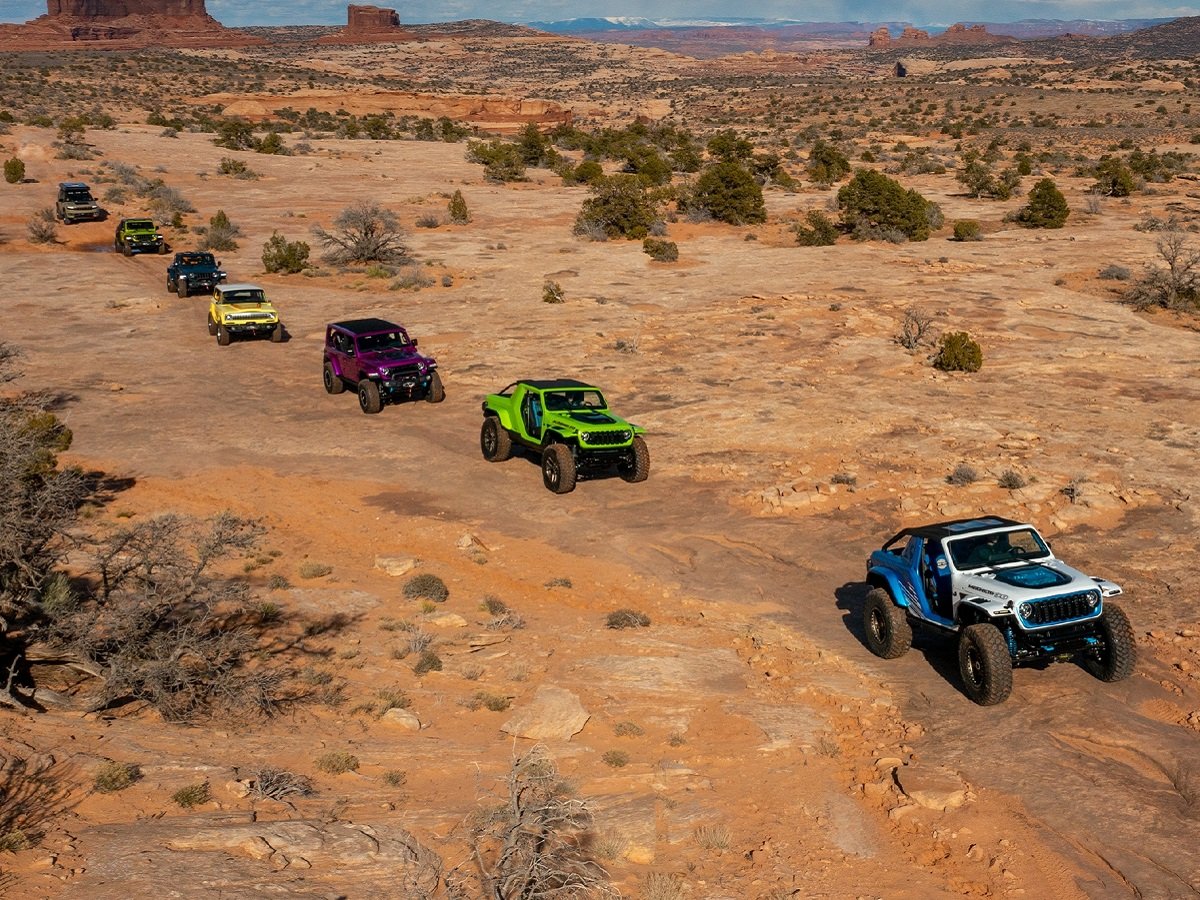
The definition of overlanding is literally what the word implies: It is the act of moving “over land” with some kind of vehicle, motorized or not. From a historical sense, early settlers and explorers who rode horse-drawn coaches and carriages were among the first examples of overlanders in the new world.

Based on those origins, overlanding is a form of self-reliant, long-distance travel from Point A to Point B through mostly remote areas on unpaved or unimproved road surfaces. It also generally involves multi-night camping. Modern-day overlanding involves traversing rugged terrain in a truck camper or equipped rig that can handle rough roads over long distances. Although most enthusiasts recommend using a 4-wheel-drive (4WD) vehicle, you can overland with 2-wheel-drive cars that are less capable than trucks or SUVs. That said, overlanding without 4x4 vehicles can be challenging, especially if off-roading becomes necessary along the way.
Overlanding is as much about the journey as it is about the destination. One can measure trips in days, weeks, or even months. Notable overlanding routes across the globe include the Silk Road (from China to the Mediterranean Sea); Cape Town to Cairo in Africa; and Yellowknife, Canada, all the way down to Tierra del Fuego at the southern tip of Chile to cover the Americas. Overlanders strive for self-sufficiency, carrying gear, supplies, and equipment for extended off-grid travel. They bring food, water, and shelter for daily survival. Instead of traveling lightly and quickly, overlanding is slower, more calculated, and more planned.
Unlike the long-distance sojourns of overlanding, off-roading occurs in short, controlled bursts of rugged adventure involving driving a 4WD vehicle over rough and challenging dirt, mud, gravel, sand, or rocks. Grading of the terrain can range from smooth and level to extreme inclines or declines.

Off-roading typically focuses on technical driving skills, pushing the limits of a vehicle’s capabilities (wheel grip, articulation, ground clearance, suspension upgrades, and engine torque). More than anything, it is about seeking thrilling experiences. Depending on the landscape and location, off-roading activities range from a few minutes to hours. It can happen as part of a local day trip to challenging terrain or may encompass a weekend camping trip along backcountry trails.
The most well-known off-road driving locales in the United States include Moab, Utah; the Rubicon Trail in California; and various areas throughout the Rocky Mountains range in Colorado.
Overlanding and off-roading each has specific pros and cons. Following is a breakdown of each.
On the surface, off-roading and overlanding may look the same but differ in many aspects. Both activities utilize 4WD vehicles and encompass rugged adventures off the beaten path, but the similarities end there. While overlanding usually includes some off-roading, the opposite is typically never the case.
Jessica Shea Choksey is an experienced writer in the automotive field. In addition to JDPower.com, she was a correspondent for PBS’s MotorWeek. Her work has also appeared in AutoTrader.


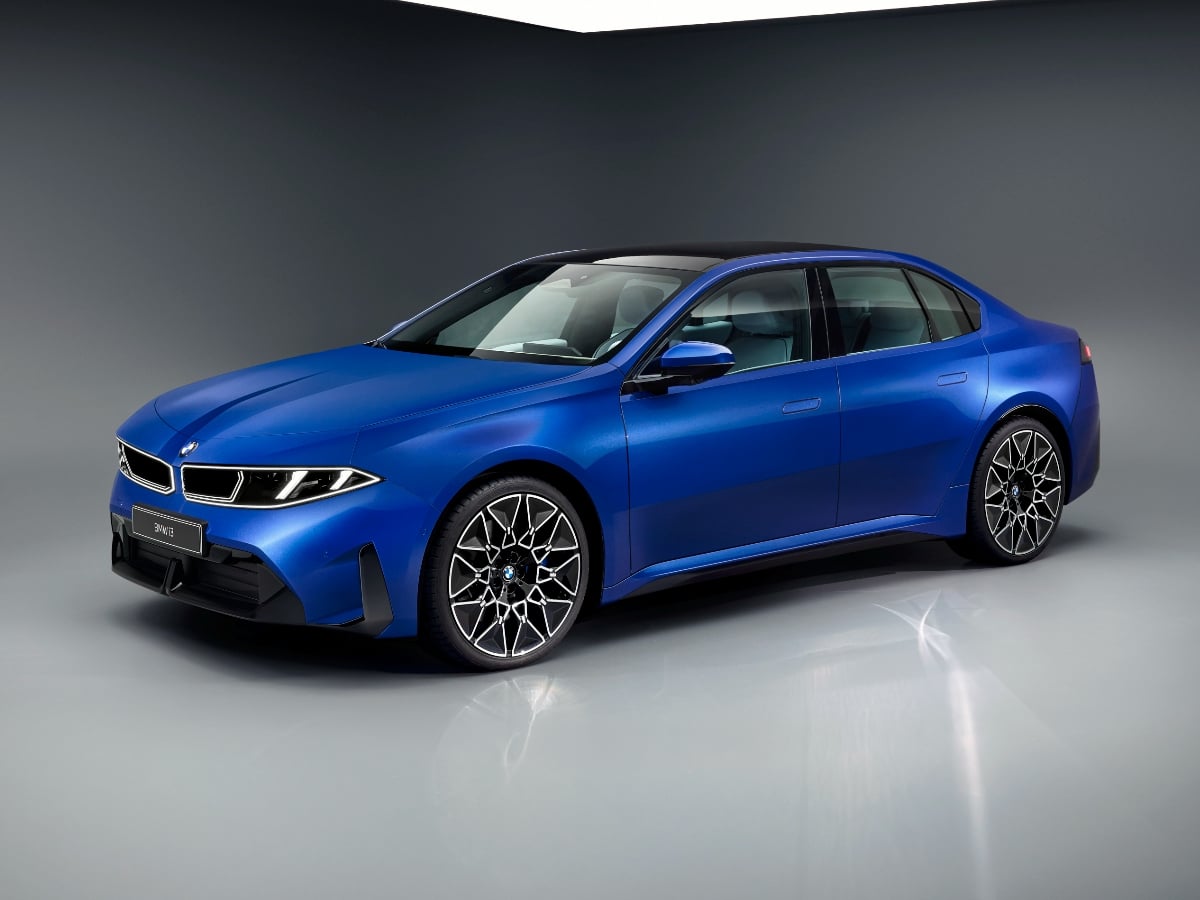
The new 2027 BMW i3 boasts an estimated range of up to 440 miles, 400-kilowatt DC fast charging capability, bidirectional charging to a home or the grid, and next-generation technology.
Read the Full Article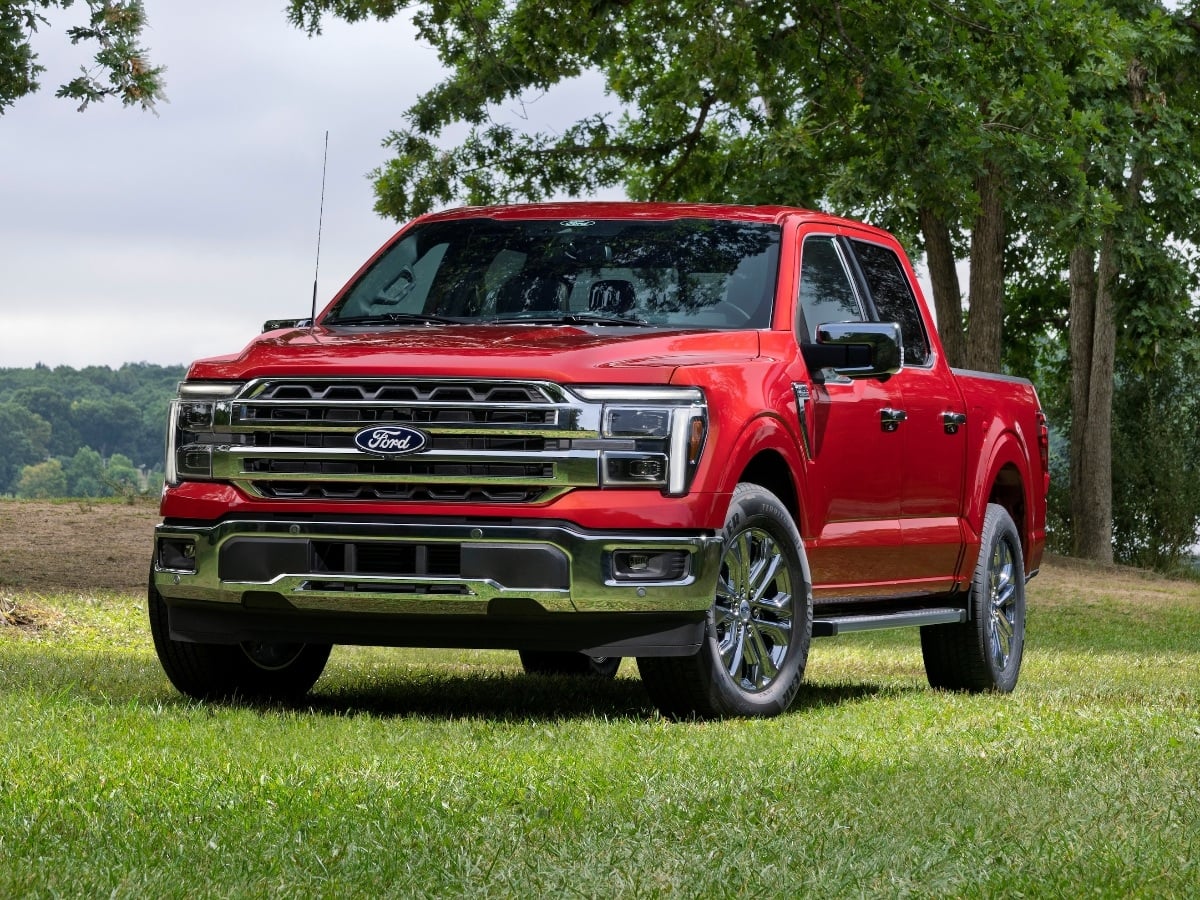
Facing renewed competition in the full-size, light duty pickup truck segment, the 2027 Ford F-150 receives subtle styling updates, a new standard engine, broader availability of its 5.0-liter V8, and ...See More
Read the Full Article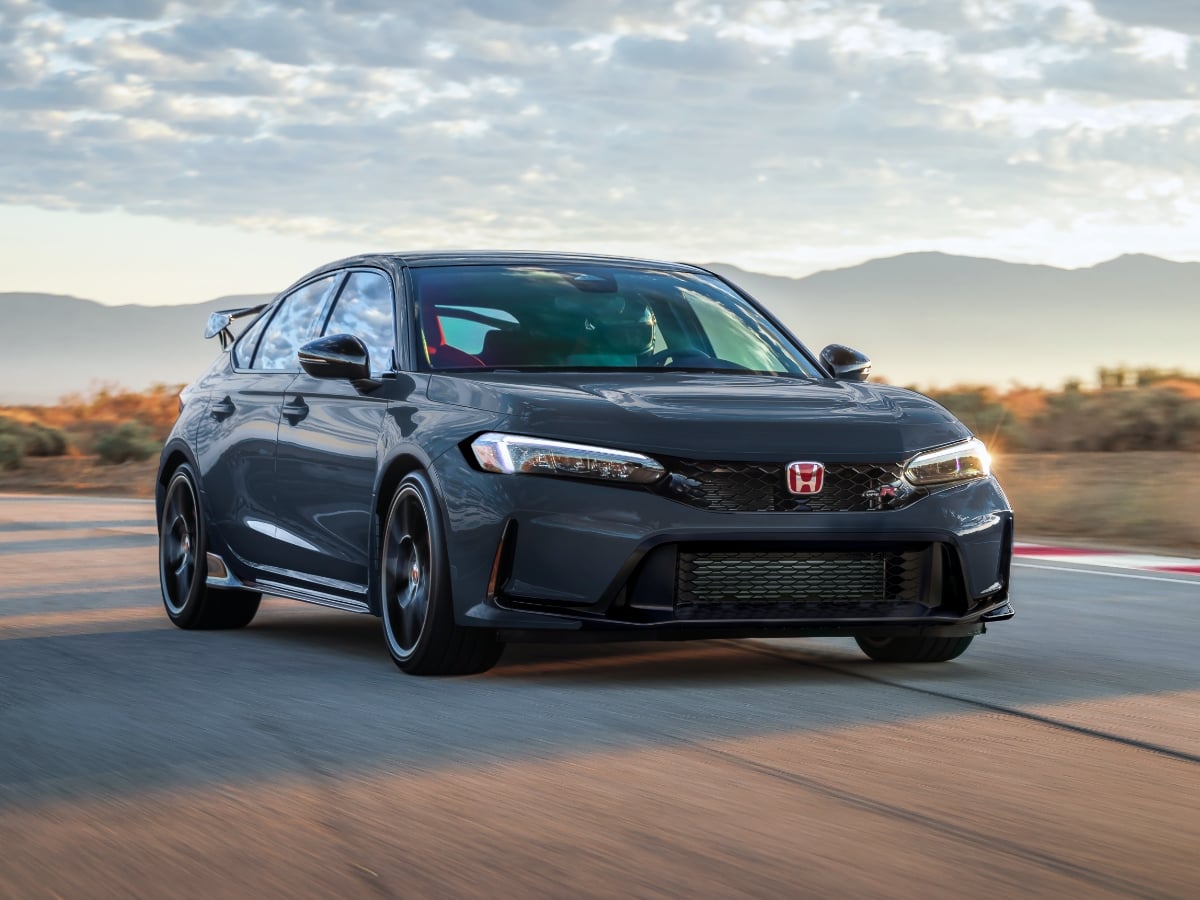
The 2027 Civic Type R goes on sale in October 2026, and it starts at $49,990, including the $1,295 destination charge.
Read the Full Article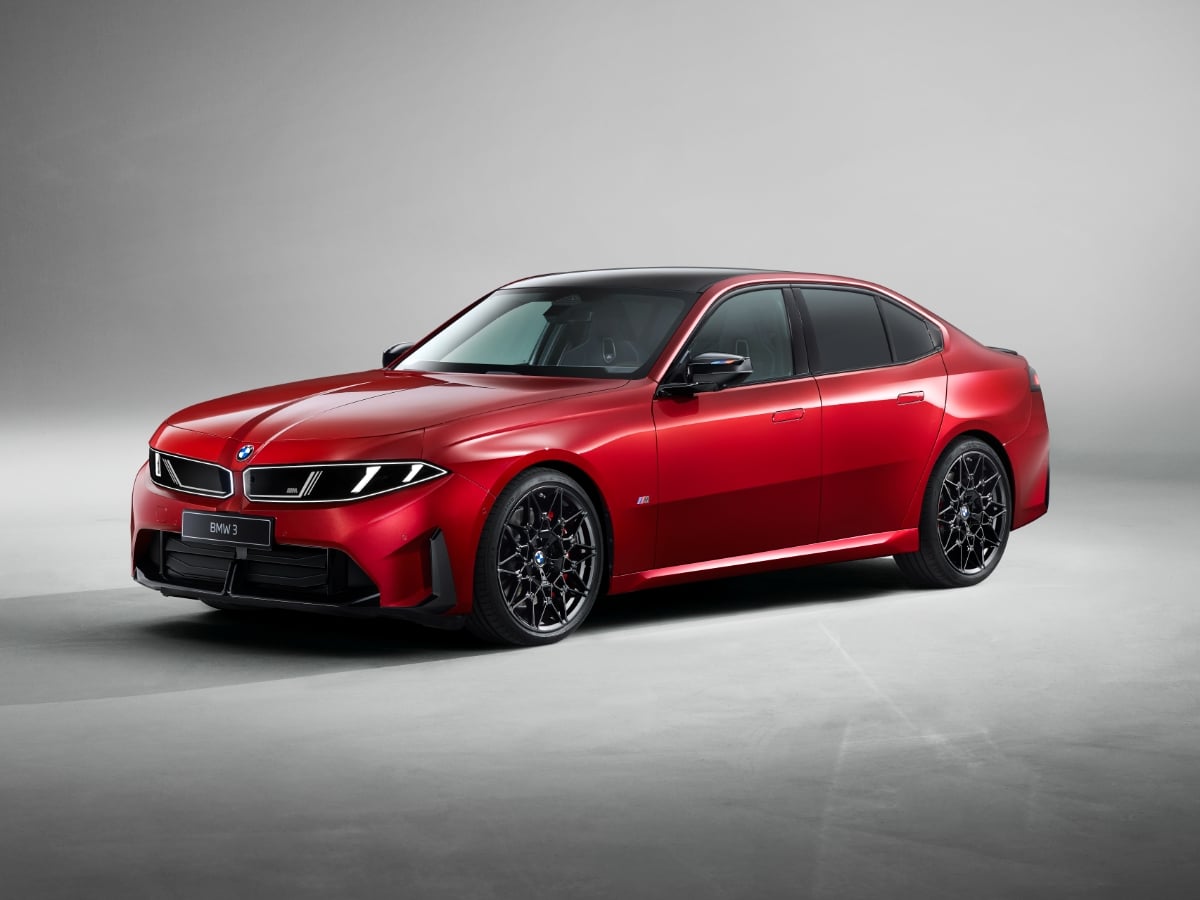
Part of BMW’s Neue Klasse (new class) rollout of redesigned models, the 2027 BMW 3 Series is all-new and goes on sale in the first quarter of 2027.
Read the Full Article