
As carmakers identify new ways to keep vehicle occupants safe, the list of advanced driving assistance systems (ADAS) continues to expand. One of the more recent innovations on the ADAS front is called traffic-sign recognition (TSR). Traffic-sign recognition essentially serves as a second set of eyes for the driver by raising awareness of specific roadway markers to help make better and safer driving decisions.

Photo: CarExpert
Traffic-sign recognition is a safety tech system that recognizes traffic signs and relays the information displayed on the sign to the driver through the instrument cluster, infotainment screen, or head-up display. Most TSR systems can identify speed limit, stop, and “do not enter” signs. More sophisticated systems may be able to recognize other types of signs.
The primary purpose of TSR is to increase driver focus. If a driver misses a sign, TSR can make them aware of it so they can react accordingly. The idea is simple: TSR identifies road signs the driver might have missed and alerts them of their presence.
This technology uses advanced forward-facing cameras positioned high on the windshield, generally adjacent to the rearview mirror housing. Aimed to “see” traffic signs, the cameras scan the side of the road relative to the car.
Once the camera captures a sign, the system’s software processes the image to establish its classification and meaning. The system then relays this information to the driver almost instantaneously in the form of an icon or graphic representation of the sign. However, TSR’s ability to accurately identify a sign depends on the speed of the vehicle and its distance to the sign.
Some TSR systems also work in conjunction with advanced cruise control, which is set to maintain a speed above or below the scanned signs. For example, if TSR detects a 40-mph speed limit, it updates the cruise set speed to 40 mph unless the driver sets the parameters above or below the detected speed limit.
Aside from cruise control-related functionalities, TSR may use the same forward-facing ADAS camera that tracks lane markings to inform the vehicle’s lane-departure warning system or distracted driver alert system. So, it’s common for these features to come with TSR in the same ADAS package.
Current TSR technology cannot determine all traffic signs or operate in all conditions. Several circumstances limit the performance of TSR systems, including:
While TSR and similar camera- and sensor-based technologies are potentially significant to moving us toward an autonomous driving future, there is still a long way to go. At this point, TSR is still primarily a driver-assistance system meant only to assist. Drivers cannot rely solely on this system to make steering or braking maneuvers/adjustments.
Forward-sensing cameras are not self-calibrating. Professional calibration is necessary for most ADAS to work correctly following an accident, windshield replacement, suspension work, or alignment changes. During calibrations, technicians realign forward-facing cameras to the proper position.
Because of how new this innovative safety technology is, not many auto brands include TSR as standard or optional equipment on their models. Premium brands like Audi, BMW, and Mercedes-Benz commonly offer TSR on their models, while safety stalwart Volvo provides the technology on every model in its lineup. While it is less common among mainstream brands, several of them, including Ford, Honda, and Mazda, also offer TSR as part of their higher-level ADAS packages on specific models.
Traffic-sign recognition is still a new technology but effective in elevating driver awareness of speed limits and other road rules for a safer overall driving experience. More automakers will likely add this valuable technology to their ADAS suites soon.


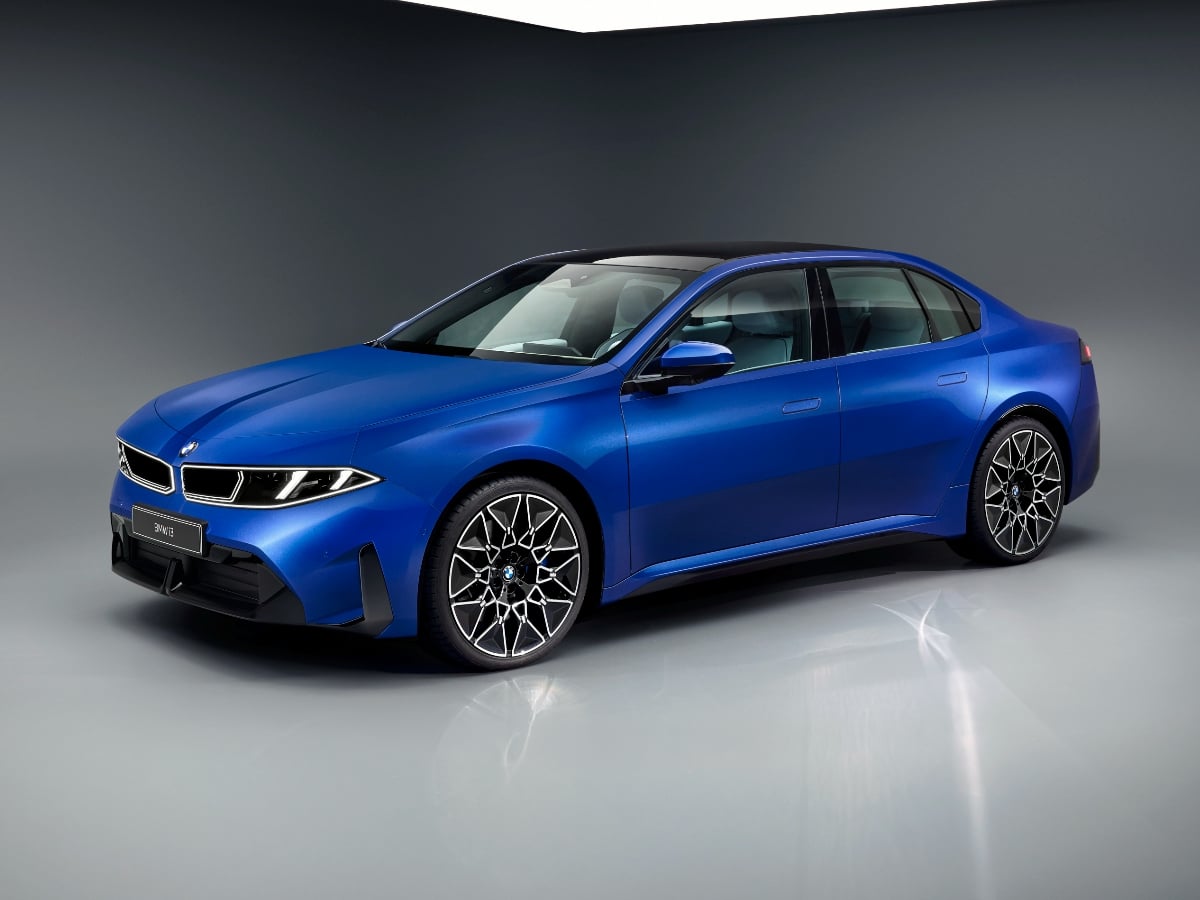
The new 2027 BMW i3 boasts an estimated range of up to 440 miles, 400-kilowatt DC fast charging capability, bidirectional charging to a home or the grid, and next-generation technology.
Read the Full Article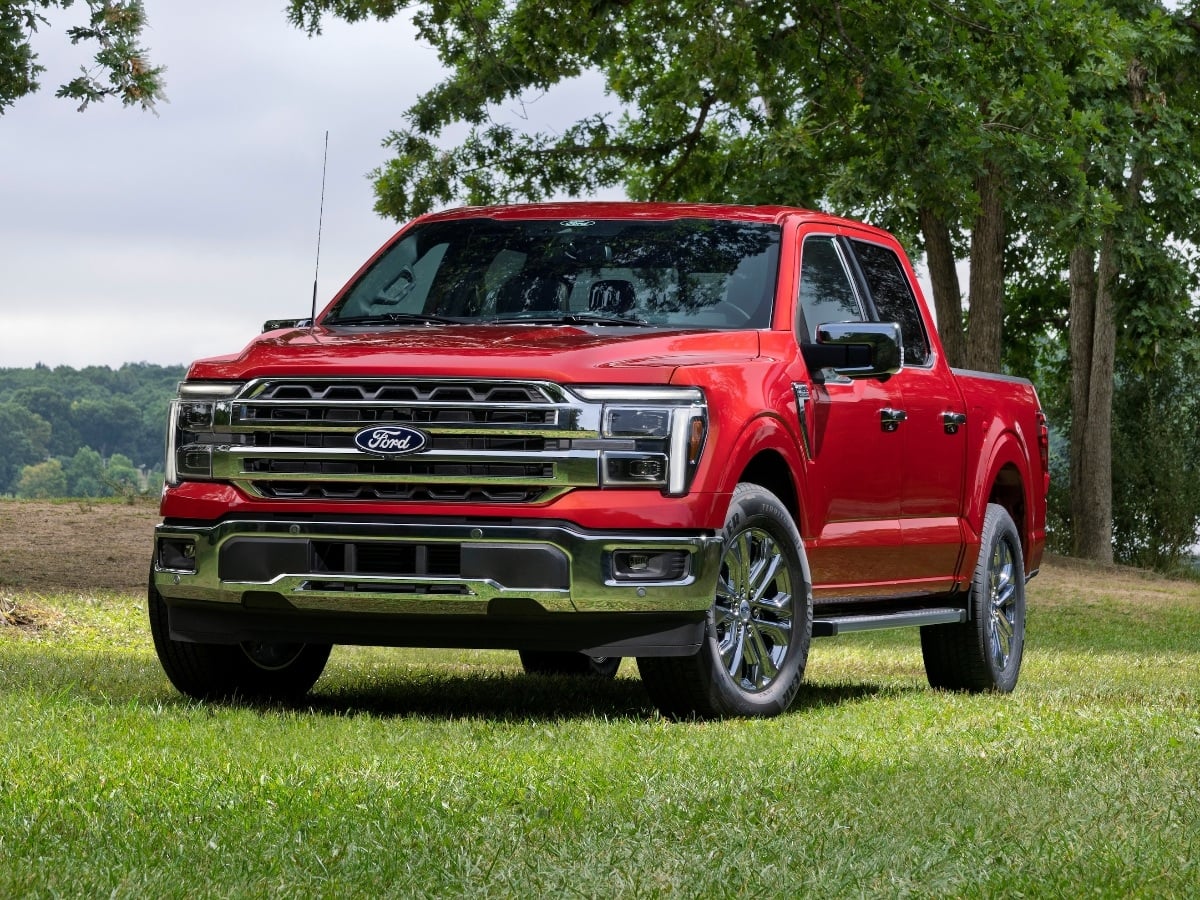
Facing renewed competition in the full-size, light duty pickup truck segment, the 2027 Ford F-150 receives subtle styling updates, a new standard engine, broader availability of its 5.0-liter V8, and ...See More
Read the Full Article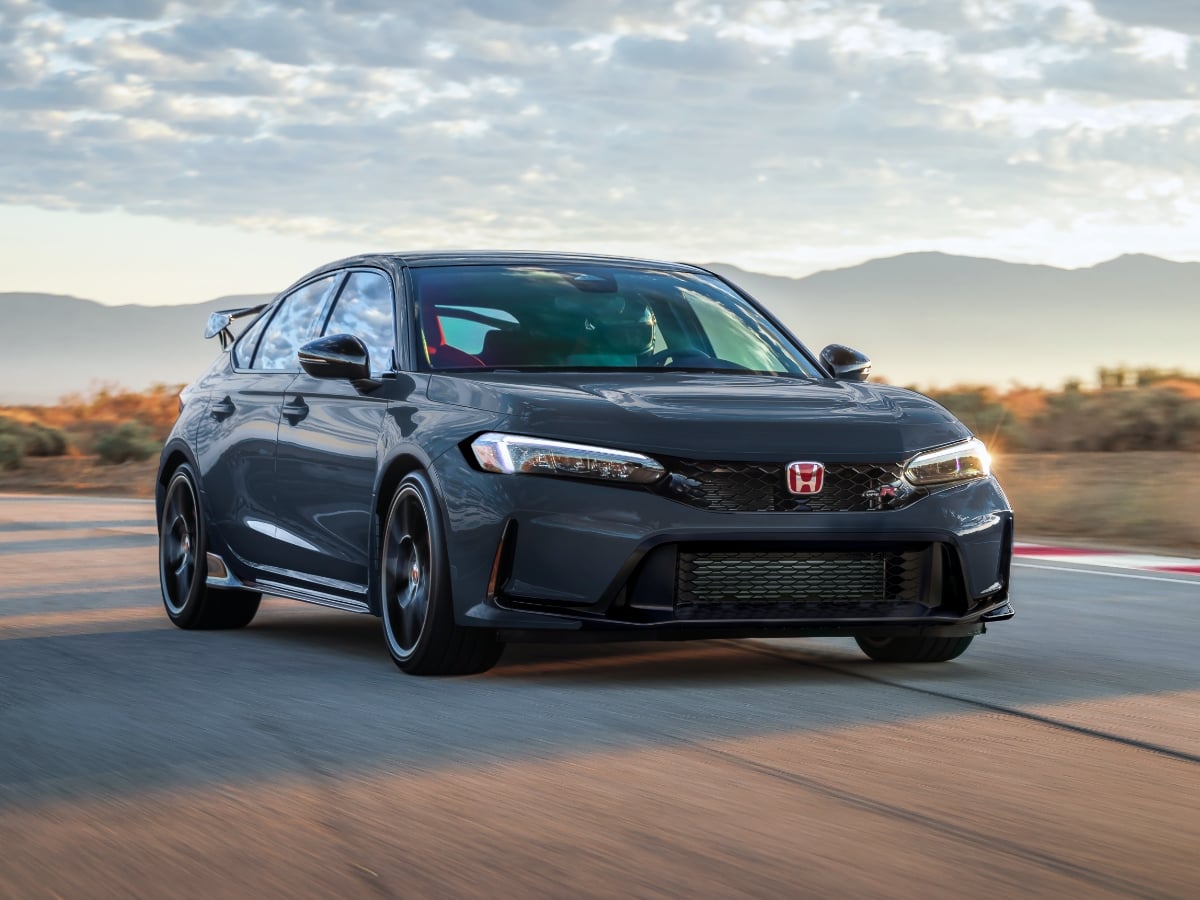
The 2027 Civic Type R goes on sale in October 2026, and it starts at $49,990, including the $1,295 destination charge.
Read the Full Article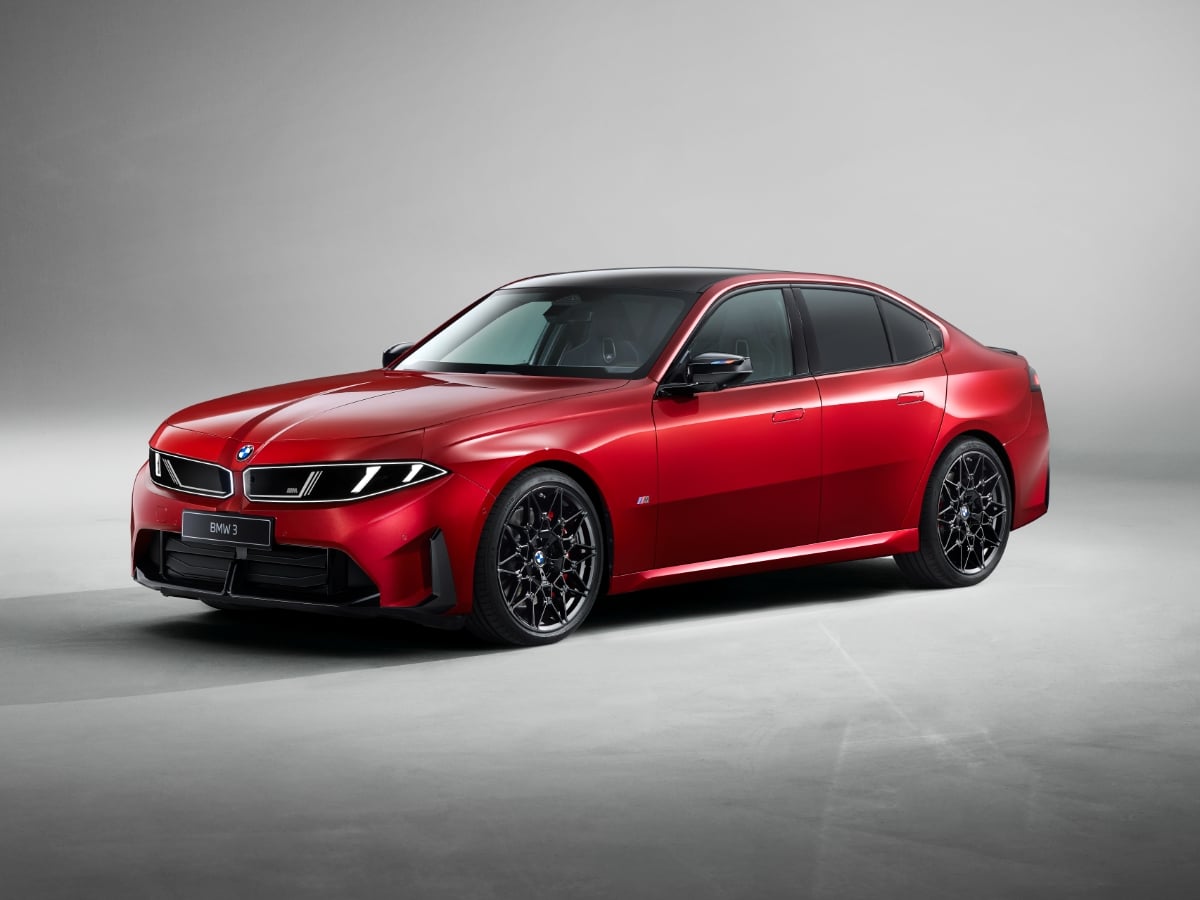
Part of BMW’s Neue Klasse (new class) rollout of redesigned models, the 2027 BMW 3 Series is all-new and goes on sale in the first quarter of 2027.
Read the Full Article