
The difference between all-wheel drive (AWD) and four-wheel-drive (4WD) is a topic of confusion for many car, truck, and SUV buyers. Both systems send power to the wheels where traction is needed most. But if you find yourself wondering which is better, AWD or 4WD, these guidelines may help:

For these reasons, we often associate AWD with cars and crossovers and 4WD with SUVs and pickup trucks. However, the lines of distinction between AWD and 4WD remain blurry for many. Therefore, a car buyer should understand the operational differences between the two systems before deciding which one best suits their needs.
AWD systems typically operate without any driver involvement. They are computer-controlled systems that use sensors to automatically decide which axle and which wheels receive the most power at any given moment when road surface conditions or vehicle dynamics demand extra traction. The wheels receive varying amounts of torque through a system of differentials and clutch packs, which distribute power to optimize traction in rain, mud, snow, and ice.
In everyday dry pavement driving, AWD can elevate steering precision, particularly in turns. For this reason, many high-performance applications integrate AWD along with torque vectoring capabilities to boost cornering prowess at higher speeds. An excellent example of this is Acura's Super Handling All-Wheel Drive (SH-AWD – pictured in the transparency image), which is available on Acura’s recently refreshed 2025 MDX SUV. SH-AWD is unique in that it can send 70% of the engine power to the rear wheels.
There are two kinds of all-wheel-drive systems: full-time and part-time. Full-time AWD continuously motivates all four wheels. Part-time AWD usually remains in front-wheel-drive (FWD) or rear-wheel drive (RWD) mode until more traction becomes necessary. At that point, the part-time AWD system directs power to the axle and wheel(s) in need. Some AWD systems offer a locking differential that equally splits power between the front and rear axles for maximum traction at low speeds.
An AWD system's most apparent advantage is that the driver is not required to do anything to engage the system. Either all wheels are receiving full-time power, or the system is automatically allocating torque to maintain traction. And because this is a computer-based system, the real-time decisions it makes will be better than a human can make.
A disadvantage is that AWD cannot take on extreme off-roading or rock crawling. For those who seek serious adventures, AWD likely won’t suffice. Fortunately, AWD does fulfill the day-to-day needs of most drivers.
Another disadvantage of AWD is related to fuel efficiency. Compared to a two-wheel-drive (2WD) setup, AWD vehicles generally have lower fuel economy ratings. This is especially true of the full-time systems, which power all four wheels at all times. While there may be a slight drop in fuel economy, it is a small sacrifice for many drivers who live in states with inclement weather. Furthermore, AWD vehicles often have better fuel economy than 4WD vehicles.
All-wheel drive is currently available on a range of vehicles from fuel-efficient hybrids like the Toyota Prius hatchback to 7-passenger luxury SUVs like the BMW X7. There are numerous models in between these that offer AWD, including popular compact crossover SUVs like the top-selling Toyota RAV4 and Honda CR-V as well as stalwart family sedans like the Toyota Camry.
Embracing AWD as part of its brand identity, Subaru offers standard AWD on all its models aside from the BRZ sports car. Subaru’s Symmetrical All-Wheel Drive system is a full-time AWD system that leverages sensors to determine which wheels require power. Recently, Subaru introduced “X-MODE”, a driver-activated feature that further refines the AWD system for enhanced stability in poor weather conditions as well as while off-roading.
While most vehicles use “AWD” to indicate their drivetrain, the prevalence of AWD has led automakers to create their own AWD nameplates: Audi has Quattro, Mercedes has 4MATIC, BMW has xDrive, and Volkswagen has 4MOTION.
EVs also incorporate AWD but with a different approach than their internal combustion engine (ICE) counterparts. For EVs offered in single-motor and dual-motor variants, the single-motor version is either front-wheel drive or rear-wheel drive. The dual-motor versions are all-wheel drive as there is a motor powering the front axle and a motor powering the rear axle.
Like AWD systems, 4WD can send torque to all four wheels to maximize traction when needed. Unlike AWD systems that activate automatically, the driver typically must engage 4WD with the push of a button or the pull of a lever. However, some 4WD systems, such as the AutoTrac system available in the GMC Yukon, offer automatic 4WD operation.
Traditional 4WD systems are also more robust than AWD setups and can handle higher towing and hauling loads as well as rugged terrain. That is why they are more commonly available on traditional SUVs and pickup trucks intended for heavy-duty work and more challenging environments requiring higher ground clearance.
Mechanically, 4WD systems use a front, center, and rear differential and a two-speed transfer case to send all four wheels power. The driver can decide to keep power flowing to the rear axle or direct some percentage of the torque to the front wheels. The transfer case also allows the driver to select between 4-Hi or 4-Lo gearing. The 4-Hi setting is appropriate for wet or icy road conditions similar to a typical AWD system, while the 4-Lo setting provides maximum traction in difficult off-road situations.
Some 4WD systems are full-time, sending power to all four wheels continuously. Some, like General Motors’s AutoTrac, automatically engage 4WD when necessary, similar to an AWD system. But most 4WD systems feature part-time operation. Unless the driver actively selects 4-Hi or 4-Lo when road conditions or driving circumstances call for it, the vehicle is only using two of its four wheels to propel itself. With some systems, the driver can also lock the differentials for extra traction in difficult off-road situations.
Vehicles with 4WD inspire confidence in even the most adverse driving conditions. They are also ideal for travel over treacherous terrain or providing the pulling power needed to tow trailers, boats, and machinery. Overall, 4WD vehicles are well-suited for heavy-duty work and play.
As 4WD systems become more sophisticated, new technologies are emerging to aid in serious off-roading. One example is off-road cruise control, available in the Ford F-Series truck and the trail-ready Jeep Gladiator and Wrangler models. When the transfer case is in low range, off-road cruise control enables the vehicle to maintain a set speed under five miles per hour during off-roading and rock crawling. This technology allows a driver to concentrate on getting around, over, or through whatever obstacles present themselves.
Disadvantages of 4WD include the heavy-duty suspensions that often accompany them, making the truck's or SUV's ride quality harsh and unforgiving. Also, 4WD can yield low fuel economy due to the extra power needed to drive all four wheels and the additional weight of the system's components.
In addition to being available on trucks like the Chevrolet Silverado, Ford F-150, and Ram 1500, 4WD (also known as “4x4”) is available on SUVs such as the Toyota 4Runner, Jeep Wrangler, and Ford Bronco. For the most part, 4WD is available on trucks with a few exceptions like the which uses AWD but gives the driver the ability to manually control front and rear axle power distribution. Similar to how the Ridgeline is an example of a truck without 4WD, there are two-wheel drive (2WD) trucks which are denoted as “4x2”. Thus, simply being a truck does not dictate that a vehicle is equipped with 4WD. For many models, 2WD is standard and 4WD is a popular option.
If you're trying to decide whether you need a vehicle with AWD or 4WD, the answer is simple. It depends on the kinds of driving conditions you experience regularly and what you plan to do with your car, truck, or SUV.
An AWD car or crossover may work best for those who need increased traction during typical winter weather, intend to do some light off-roading, and enjoy taking roads less traveled at engaging rates of speed. For those who need a more rugged vehicle that allows the driver to actively control the power flow to the wheels, 4WD is most likely the right choice.


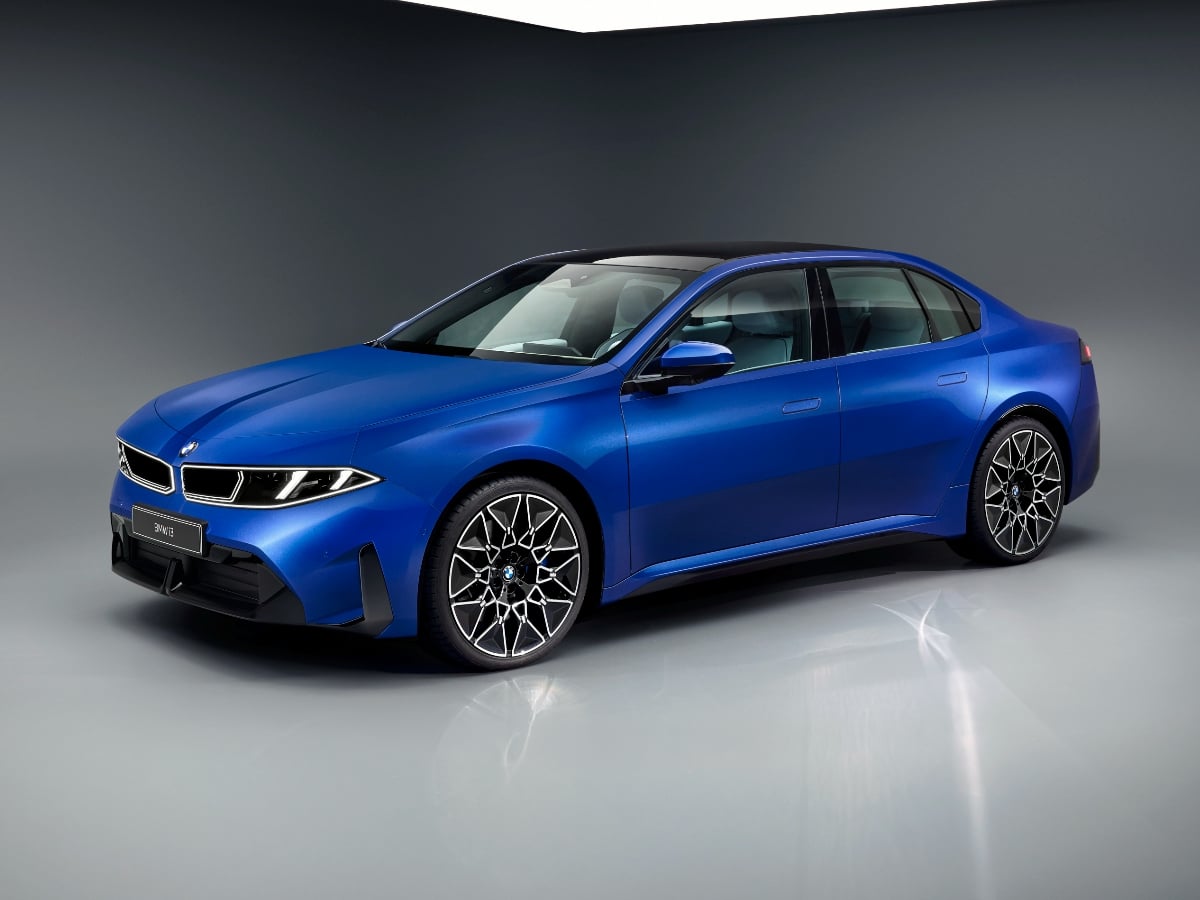
The new 2027 BMW i3 boasts an estimated range of up to 440 miles, 400-kilowatt DC fast charging capability, bidirectional charging to a home or the grid, and next-generation technology.
Read the Full Article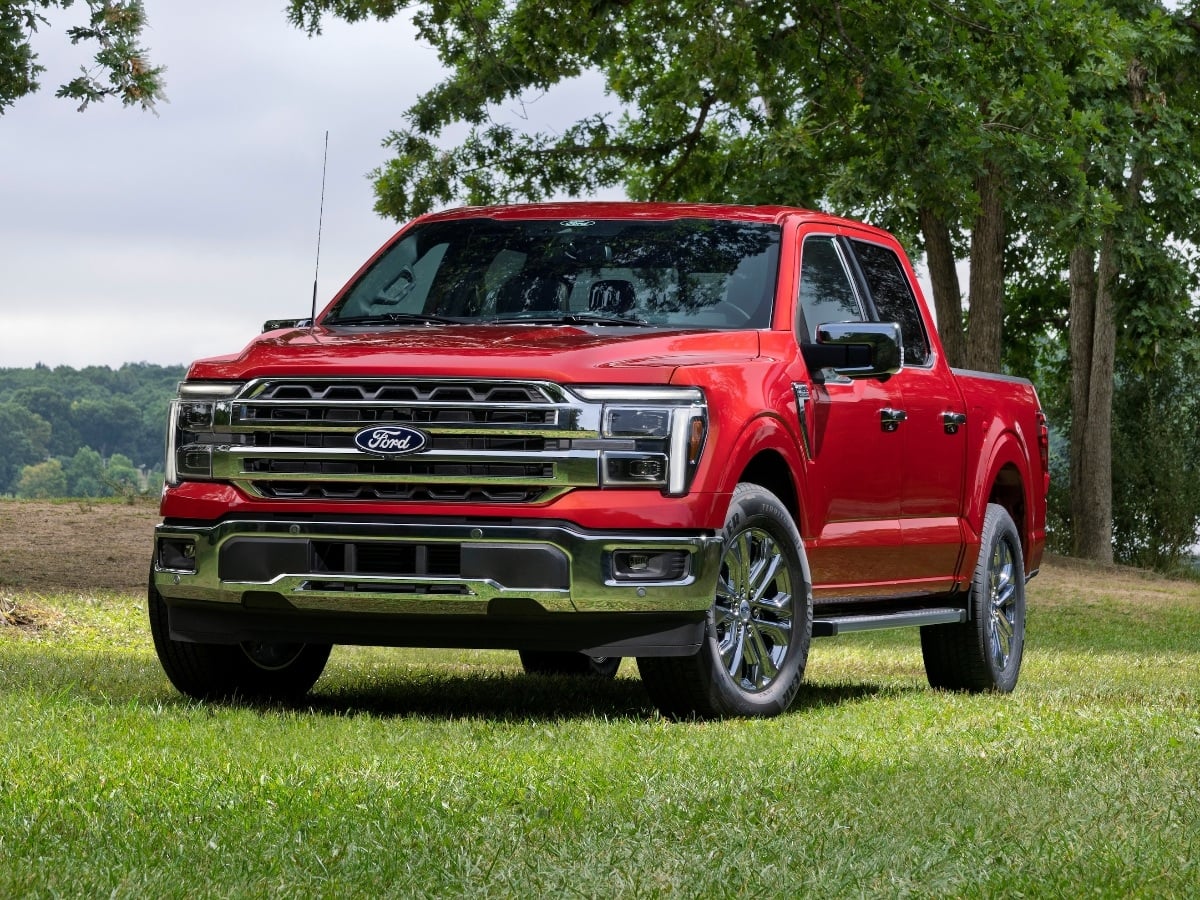
Facing renewed competition in the full-size, light duty pickup truck segment, the 2027 Ford F-150 receives subtle styling updates, a new standard engine, broader availability of its 5.0-liter V8, and ...See More
Read the Full Article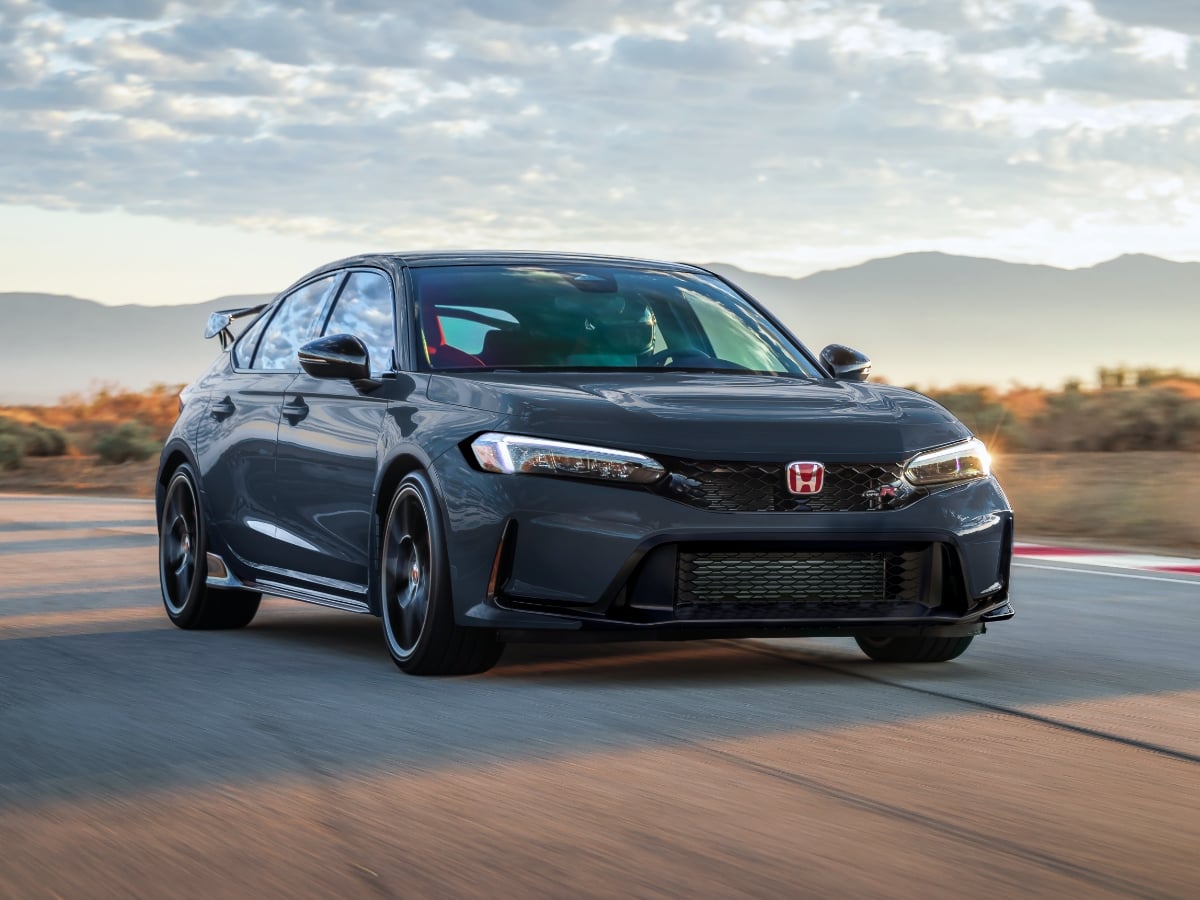
The 2027 Civic Type R goes on sale in October 2026, and it starts at $49,990, including the $1,295 destination charge.
Read the Full Article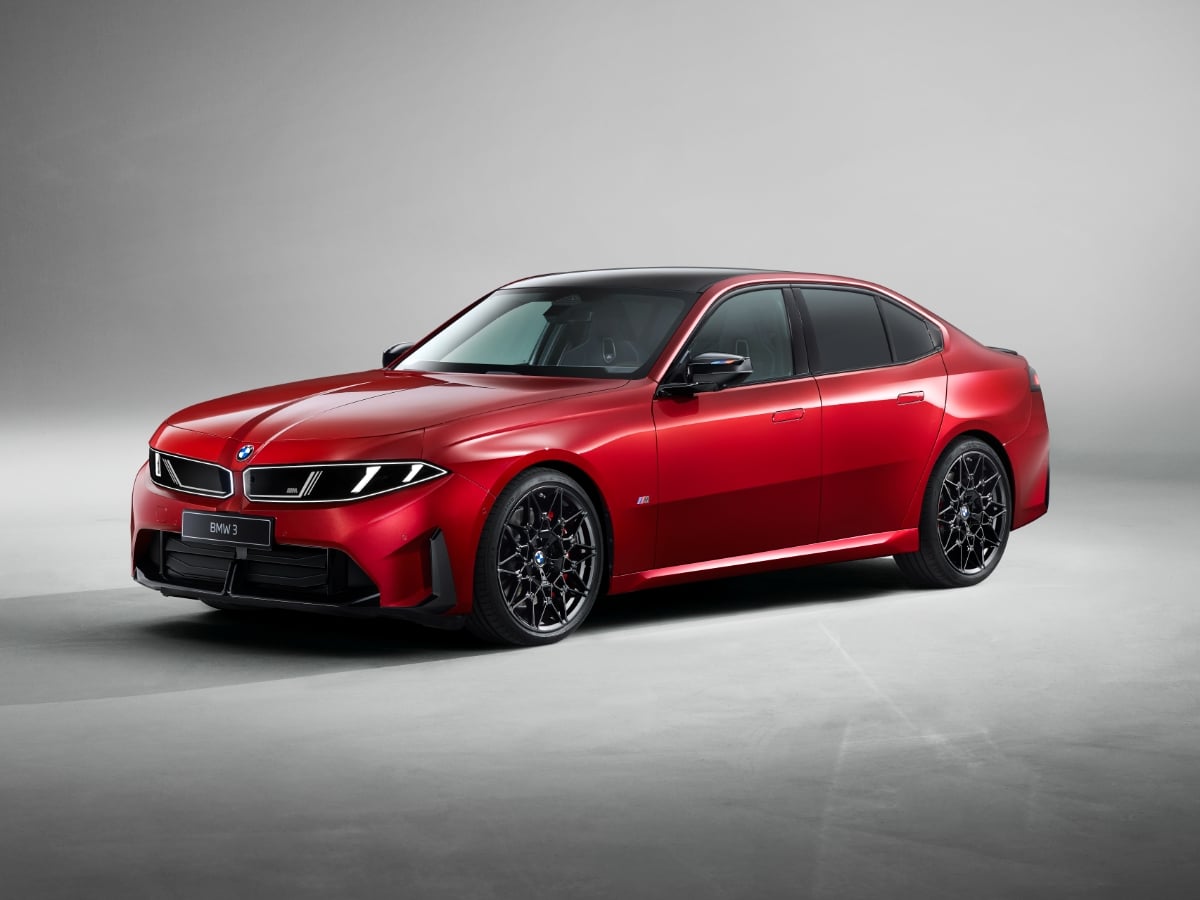
Part of BMW’s Neue Klasse (new class) rollout of redesigned models, the 2027 BMW 3 Series is all-new and goes on sale in the first quarter of 2027.
Read the Full Article