
Soon after the internal combustion engine was invented, technological advancements steadily improved its efficiency and boosted its power output. Increasing displacement—or, in simpler terms, increasing the engine’s volume to burn more air and fuel—was one such improvement. Another method leaves displacement alone, and instead forces more air and fuel in via turbocharging or supercharging. These are known collectively as forms of forced induction.
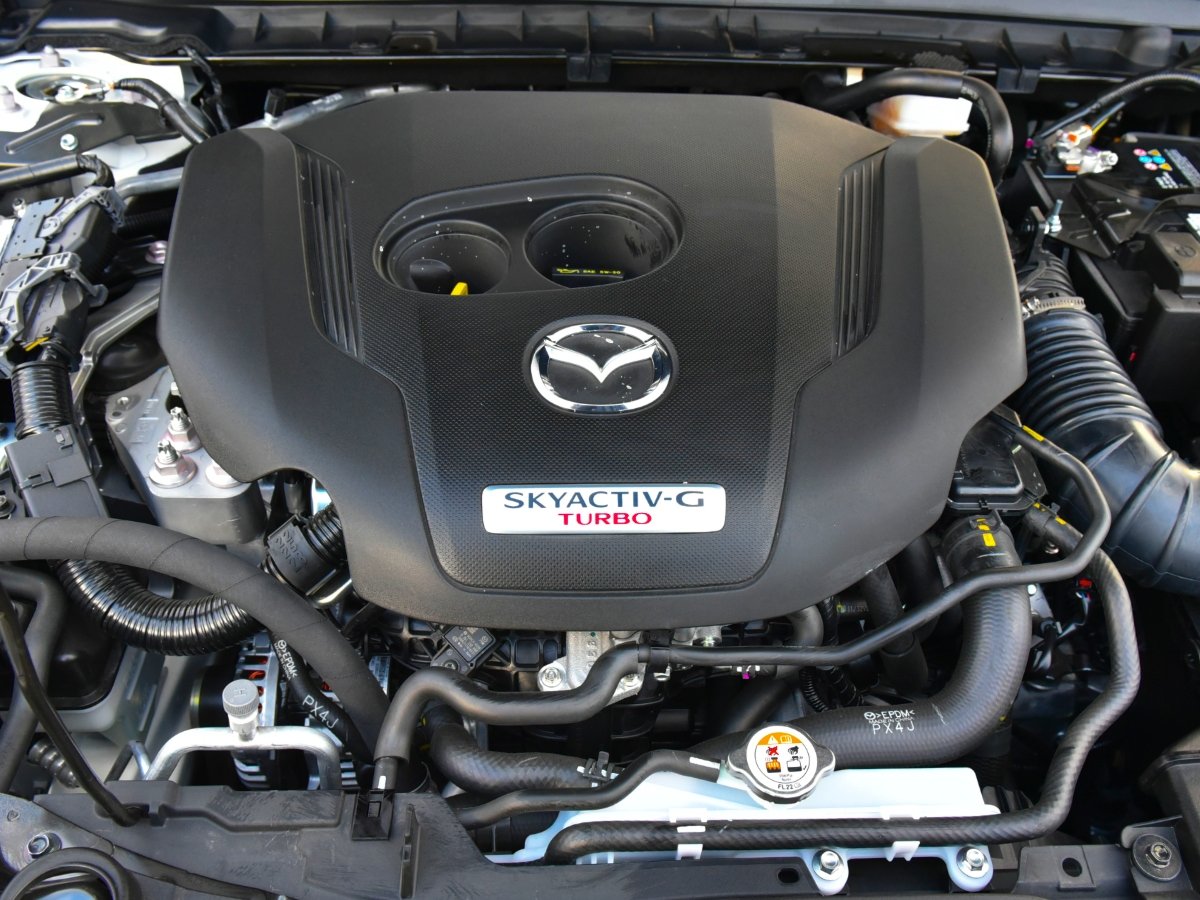
Forced induction has been around since the late 19th century, but didn’t become a common, everyday method of increasing power in passenger vehicles until the 1980s. Here’s how turbocharging and supercharging work, as well as their similarities, differences, upsides, and downsides.
Before diving in, it’s important to highlight how an internal combustion engine works. Inside of an engine’s cylinders, air and fuel mix together and are ignited by the spark plug, which causes combustion. The force from this pushes down on the piston inside of the cylinder, which spins the crankshaft, and sends power to the transmission and drivetrain. As the piston comes back up the cylinder, it pushes out the spent exhaust and the process repeats.
The key similarity between a turbocharger and supercharger is they both compress air and send it into the engine’s intake. Compressed air is denser, meaning more oxygen-rich, and when mixed with the right amount of fuel, creates more power.
Forced induction is often misconstrued, as some may think that simply pushing more air in will yield significantly more horsepower. This is not the case—it must be compressed to the point of being measured in pounds per square inch (PSI). Typically, a turbocharger in any modern, unmodified car produces anywhere from nine to 20 PSI of compressed air. This compressed air is commonly referred to as boost pressure, or boost, for short.
The key trait of a turbocharger is it utilizes exhaust pressure to make power. As exhaust gasses exit the engine, they route through the turbocharger, spinning its turbine wheel. This is what’s referred to as the hot side. On the other side is the cold side, where intake air is fed. Here, air is sucked in, compressed by the compressor wheel that’s spun by the hot side’s turbine via a shaft, and forced into the intake.
This is a very efficient way of increasing power as the engine is using exhaust energy that was on its way out of the exhaust system, so manufacturers determined a way to take advantage of it.
Superchargers create compressed air in a more mechanical way.
The supercharger unit’s internals are connected to the engine’s crankshaft via a belt. As the crankshaft spins, the belt spins at a certain ratio to it, creating significantly higher revolutions per minute (RPM) inside the supercharger that compresses the intake air, and forces it into the intake. There are different types of superchargers, but they all are spun via the crankshaft.
That’s the key difference between a turbo and a supercharger—turbos create boost from exhaust gasses, whereas superchargers create boost from the rotation of the crankshaft.
One thing that both turbochargers and superchargers produce is heat; air heats up as it's compressed. Forcing hot air into the engine defeats the point of forced induction and can even cause major issues.
The solution to this is putting an intercooler between the source of air compression and the intake. An air-to-air intercooler cools the intake charge (the compressed air coming from the turbo or supercharger) via air entering the front end of the car while in motion, similar to how a radiator cools down coolant.
But an air-to-water intercooler does utilize coolant and is slightly more complex. A pump sends coolant between the intercooler and a heat exchanger. This coolant is cooled through the heat exchanger, sent to the intercooler where it pulls the heat out of the intake charge, and then back to the heat exchanger where it’s cooled back down again, and the process repeats.
Turbochargers and superchargers also need a method of relieving system pressure, such as when the driver lifts off the gas pedal. Boost is controlled in a turbocharged engine via a wastegate, which bypasses exhaust gasses from the turbocharger, thus slowing it down to the point of no longer creating boost. Since superchargers don’t utilize exhaust pressure, the cars they’re installed on don't use wastegates.
Turbochargers and superchargers both utilize either a blow-off valve or diverter valve. These are electronically or vacuum-actuated components used to relieve intake pressure when it is not needed, such as when the driver lifts off the gas pedal.
Turbochargers and superchargers have many positive qualities, but also some downsides.
The difference between turbocharging and supercharging is rooted in how they create boost pressure, and thus help the engine make more power. Turbochargers produce more power by making use of exhaust gas, whereas superchargers make more power by utilizing the rotation of the crankshaft.
They both have upsides and downsides and share a lot of fundamentals due to being forms of forced induction.


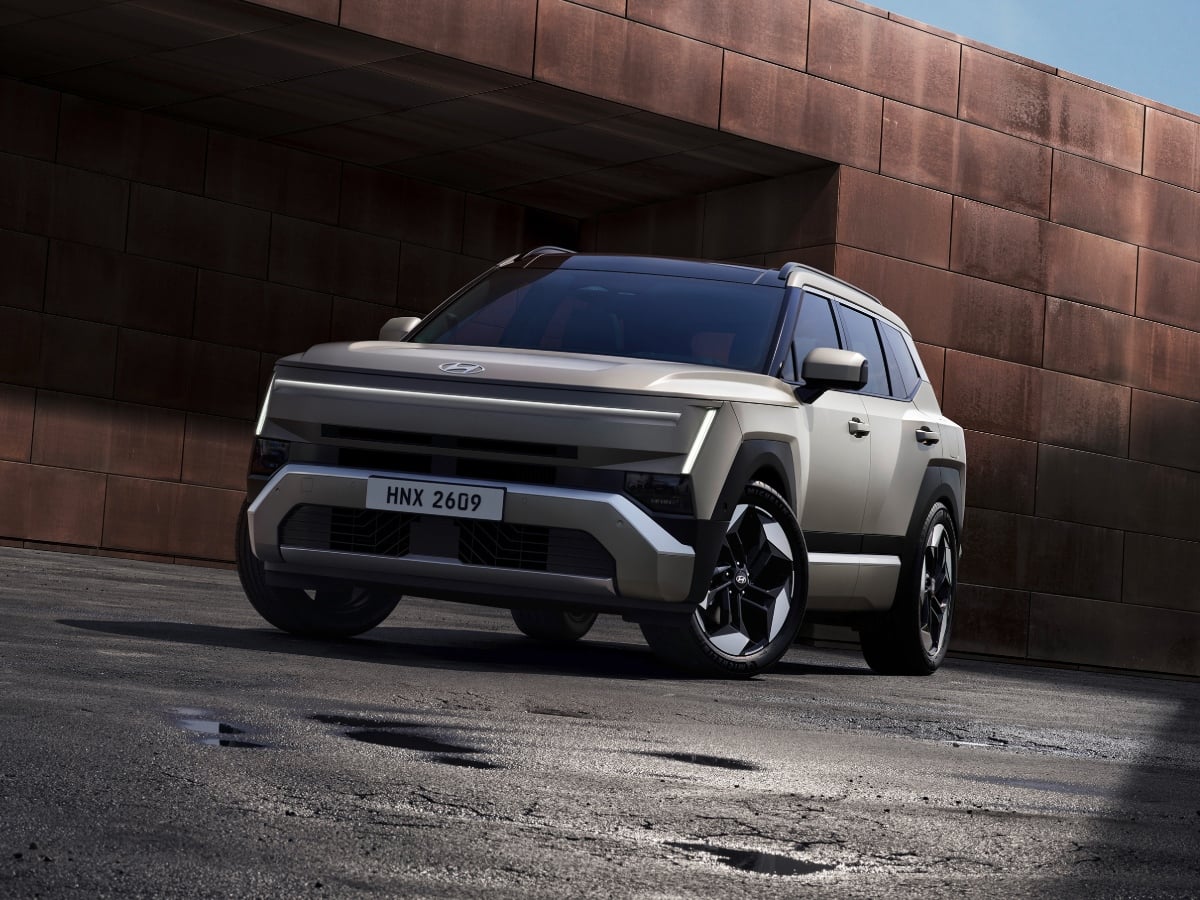
With a purposeful new design and some trail-ready upgrades, the 2027 Hyundai Tucson is pushing the brand's best-selling crossover SUV into more aggressive territory.
Read the Full Article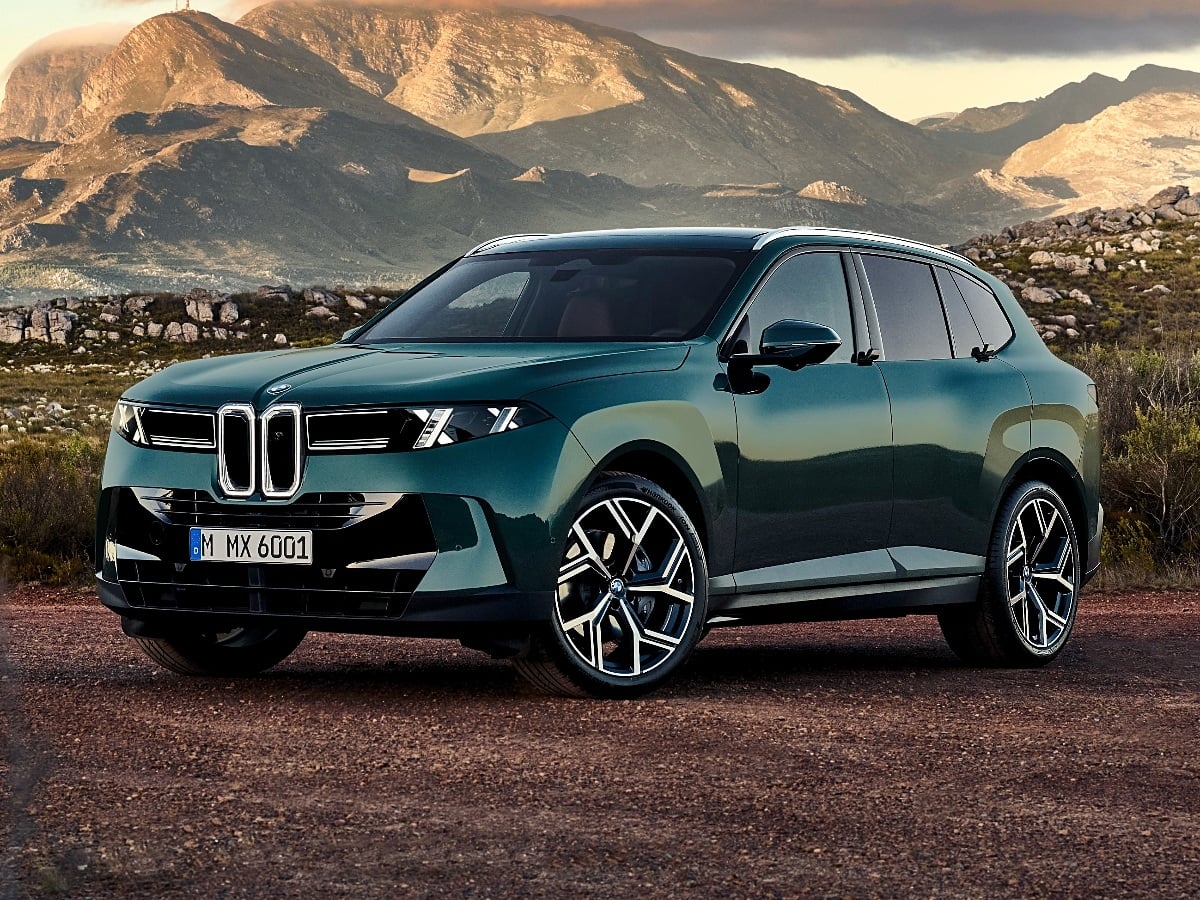
For more than 25 years, the BMW X5 has helped to define the luxury SUV segment. Now, the redesigned fifth-generation 2027 BMW X5 arrives with the automaker’s Neue Klasse styling, a roomier interior, ...See More
Read the Full Article
One of Lexus's most popular models, the NX crossover SUV is also one of the most affordable in the company’s lineup. The 2027 Lexus NX transitions to hybrid-only powertrains, and gets revised ...See More
Read the Full Article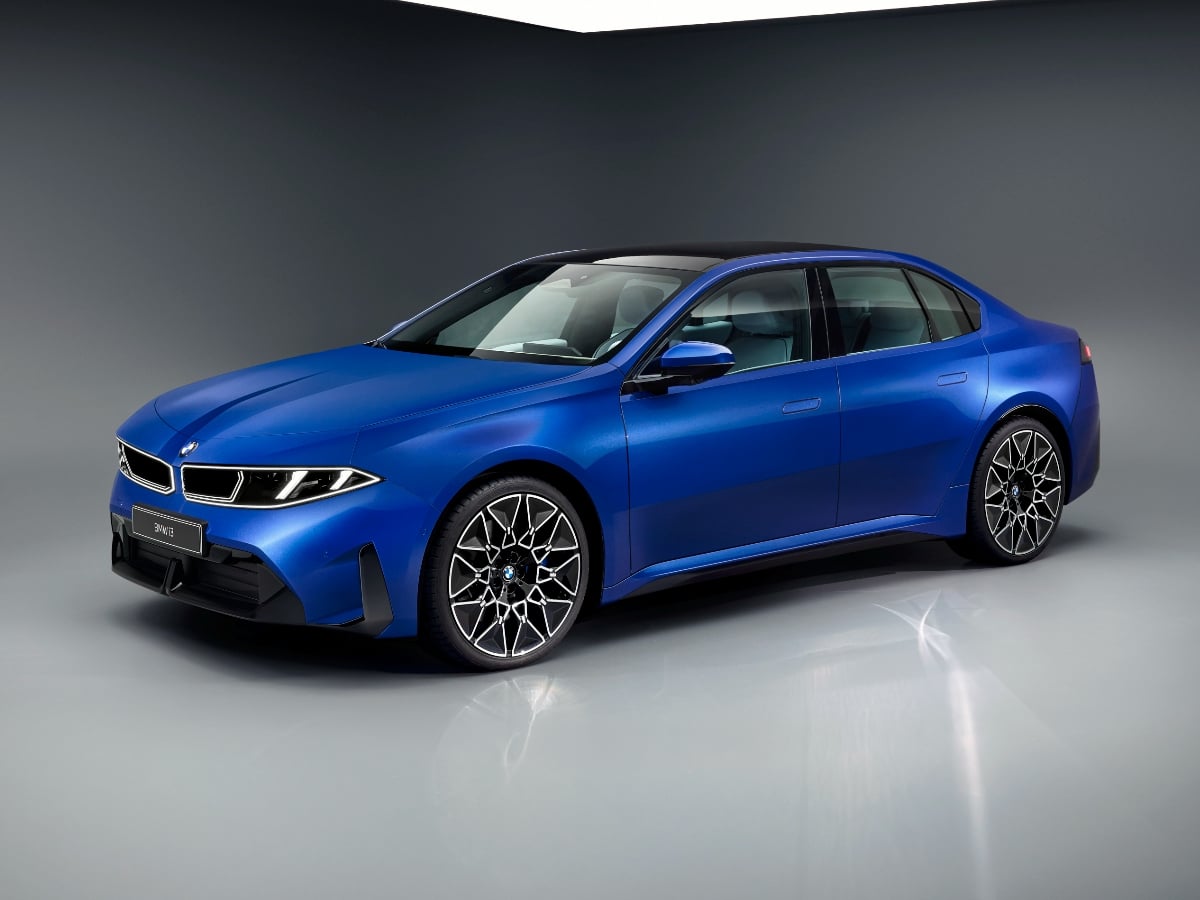
The new 2027 BMW i3 boasts an estimated range of up to 440 miles, 400-kilowatt DC fast charging capability, bidirectional charging to a home or the grid, and next-generation technology.
Read the Full Article