
The transmission is one of the most critical components of an automobile. This article outlines what a transmission is, what it does when you apply the accelerator, and which transmissions are available in modern vehicles.

A transmission is a vehicle’s gearbox. It’s roughly analogous to the gear shifter and chain system employed in bicycles.
Transmission components are always mounted straight on the engine so that their attached belt and gear system can effectively convert the combustion power produced by the engine into physical momentum.
Recall how an engine operates:
So, where does the transmission come into play? In a vacuum (without a transmission), the explosive power produced by a typical automobile’s internal combustion engine would be too high for starting or stopping your car.
Most transmissions comprise five to eight gear sets and a series of gear trains (belts or chains that run along the outside of two or more gears) that deliver power to the car without changing how fast the engine runs.
Put another way, a transmission ensures the engine spins at the proper rate without going too fast or too slow. It also delivers the correct amount of power to the wheels. Without a transmission, any automobile would be difficult to start and stop.
Transmissions are necessary for any motor vehicle to prevent the engine from destroying itself. Without a gearbox system, engines turn too quickly for structural stability causing the engines to shake to pieces or overheat. Furthermore, any car without a transmission cannot harness the engine’s speed, capping its maximum velocity.
A transmission changes gears depending on speed and accelerator input (i.e., how far down you push the pedal) so that the engine’s RPM or “revolutions per minute” are kept appropriately low. This provides two benefits:
Additionally, a transmission allows you to harness your vehicle’s engine energy when necessary. At slower speeds, you can stay in a lower gear and avoid damaging your engine. At higher speeds, you can switch gears to a higher level. By doing so, the transmission allows you to benefit from more of your car's power, rotating the wheels more quickly.
Modern transmissions come in two types: manual and automatic.
Automatic transmissions are the most popular choice as drivers are not required to change gears as they change speeds or road conditions, so they can focus on driving while machines change the gears automatically and smoothly.
Regardless of a manual or an automatic transmission, gearboxes function similarly. The only difference is whether the driver must manually push the clutch to disconnect the engine and transmission to move the car into a new gear level.
These are the typical transmission steps:
With a manual, the clutch must be engaged so that the collar plate disconnects fully from the transmission gears. This is why a car might seem to lag or jump when changing from one gear to another.
The clutch must then be maneuvered so that the collar plate lines up perfectly with the transmission gears you want to select. When executed correctly, the vehicle immediately drives at the selected gear.
An automatic transmission features an automatic clutch. Instead of relying on human control, built-in sensors, processors, and actuators operate the clutch at the perfect moment based on your current speed, accelerator pressure, and other factors.
You can hear an automatic transmission operate as you drive. As you push down on the accelerator, your engine becomes louder, and its built-in torque converter senses the change and automatically shifts to a higher gear.
In contrast, a car with a manual transmission begins to slow and struggle as it is pushed to higher speeds until you switch gears.
As technology has advanced, automakers have developed new transmission types – some prioritizing efficiency and others performance.
On the efficiency side is a continuously variable transmission (CVT), a variation of an automatic transmission, that has become widely available in recent decades. Originally popular on hybrid models, CVTs have since expanded to other powertrains.
Unlike other transmissions, which are typically 5- or 6-speed, CVTs offer unlimited gears. Without being restricted by fixed gears, the CVT immediately identifies the precise gear ratio for the most efficient setting. A CVT functions through a pulley system with cones through a belt or chain that shift to contract or protract the belt diameter to adjust gear ratios.
Born from a racing pedigree, dual-clutch transmissions (DCT) are found in many performance vehicles and feature two clutches. Each clutch is paired with internal transmissions that alternate between supplying power and awaiting shifting to the next gear. Rather than employ a clutch pedal, the clutch is electronically controlled and changes gears faster than a manual or conventional automatic transmission. Despite technically being an automatic, DCTs provide drivers with more control over the transmission. DCT drivers can change gears using paddle shifters to pilot the vehicle as a clutch-less manual – since there’s no clutch pedal.
Although EVs do not have an engine like a traditional gas-powered vehicle, they have a transmission. When an EV’s accelerator is pushed, the battery sends electricity to the motor, which propels the vehicle through a single-speed transmission. The key difference between internal combustion engine (ICE) transmissions and EV transmissions is that EVs do not require multiple gears. While ICE transmissions prioritize efficient power transfer at predetermined gear ratios, the power and efficiency of electric motors make it unnecessary for the EV transmission to shift between RPM ranges. Moreover, through instant torque delivery, EVs send the same torque amount to the wheels at 1 RPM as at 1,000 RPM. While full BEVs offer single-speed transmissions, it should be noted that PHEVs do not.
Ultimately, transmissions are just one part of the fascinating and complex process that occurs when you start your vehicle. This crucial component continues to evolve and offers both performance and efficiency-focused options.
Matt Yantakosol is a lifelong automotive enthusiast and former consultant focused on the consumer aspect of the industry. He has traveled to New York, Detroit, Chicago, L.A., Paris, Geneva, Frankfurt, and Tokyo Auto Shows to track and observe the newest industry innovations. In addition to JDPower.com, Matt's writing has appeared on Pcarmarket.com.


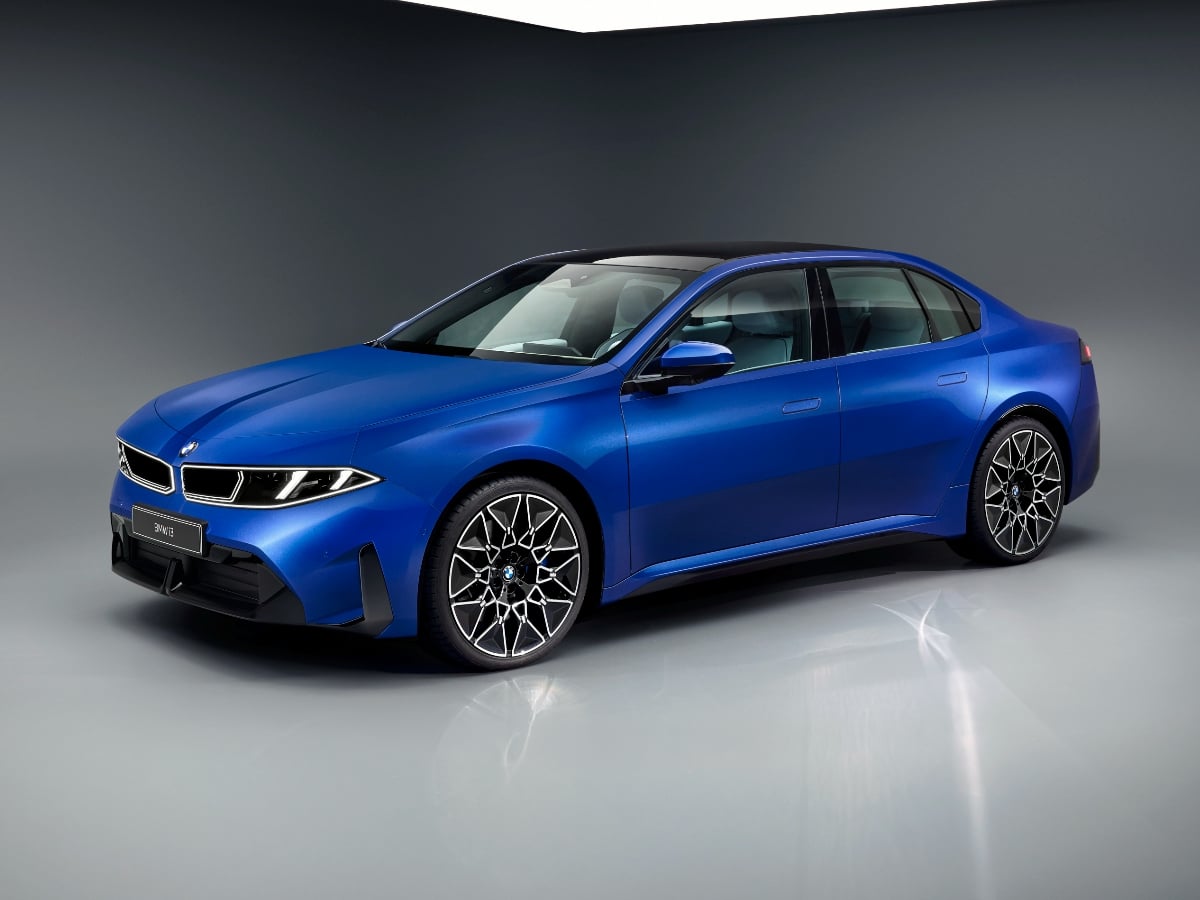
The new 2027 BMW i3 boasts an estimated range of up to 440 miles, 400-kilowatt DC fast charging capability, bidirectional charging to a home or the grid, and next-generation technology.
Read the Full Article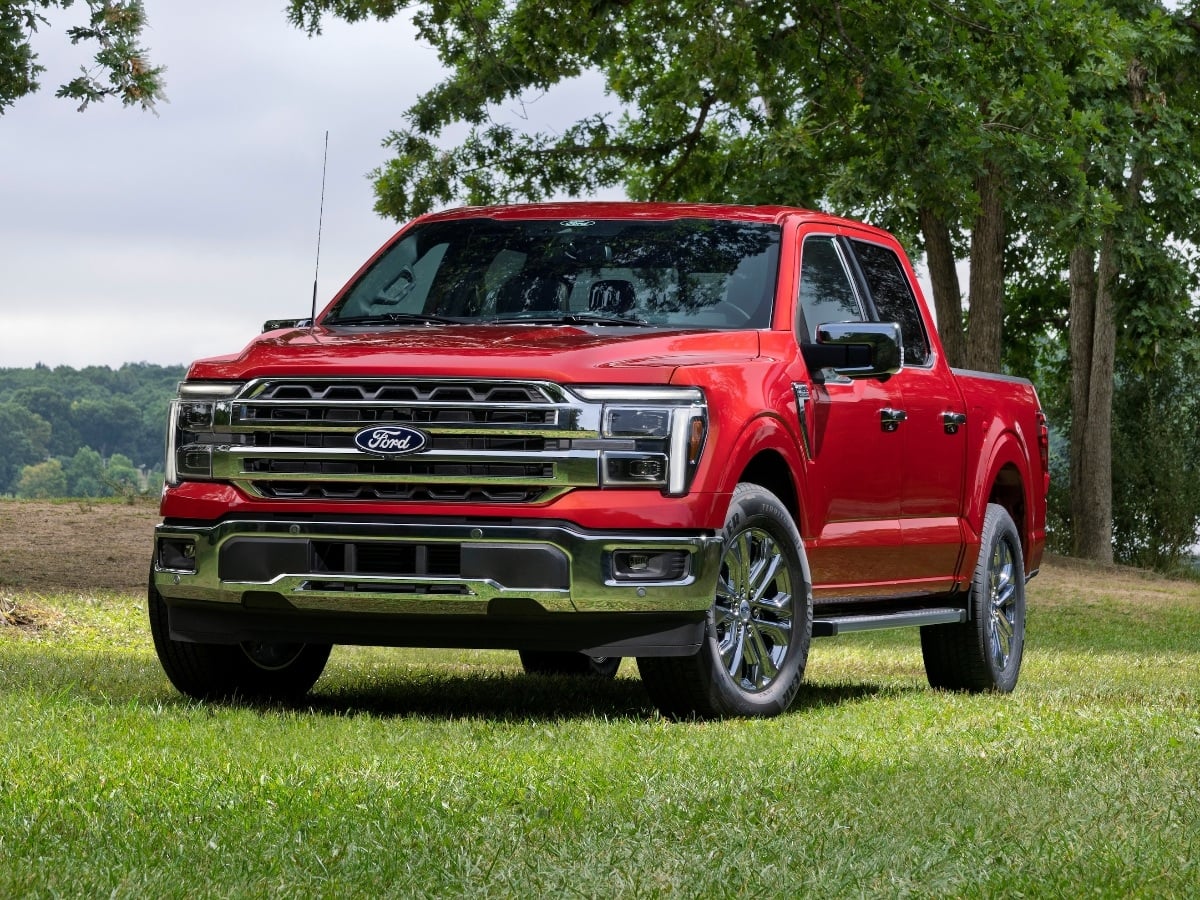
Facing renewed competition in the full-size, light duty pickup truck segment, the 2027 Ford F-150 receives subtle styling updates, a new standard engine, broader availability of its 5.0-liter V8, and ...See More
Read the Full Article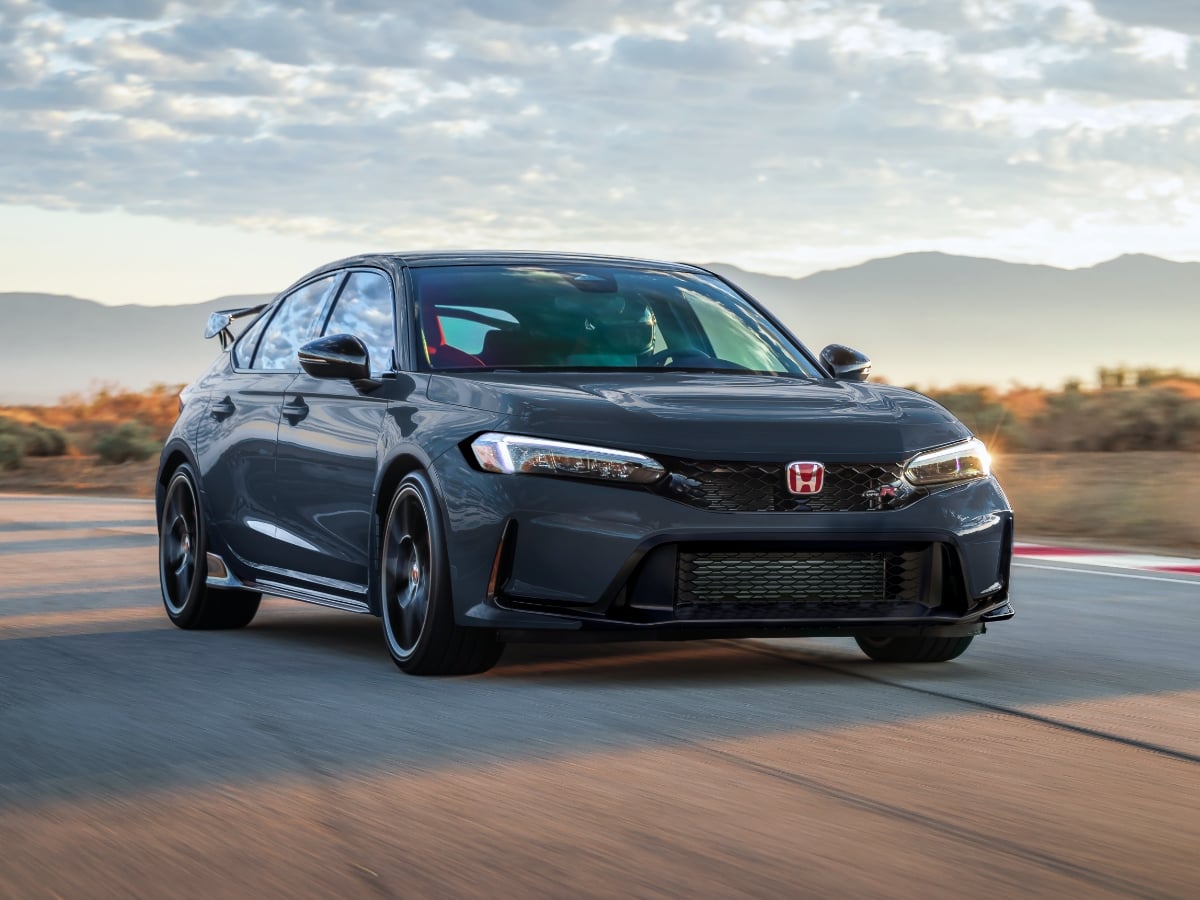
The 2027 Civic Type R goes on sale in October 2026, and it starts at $49,990, including the $1,295 destination charge.
Read the Full Article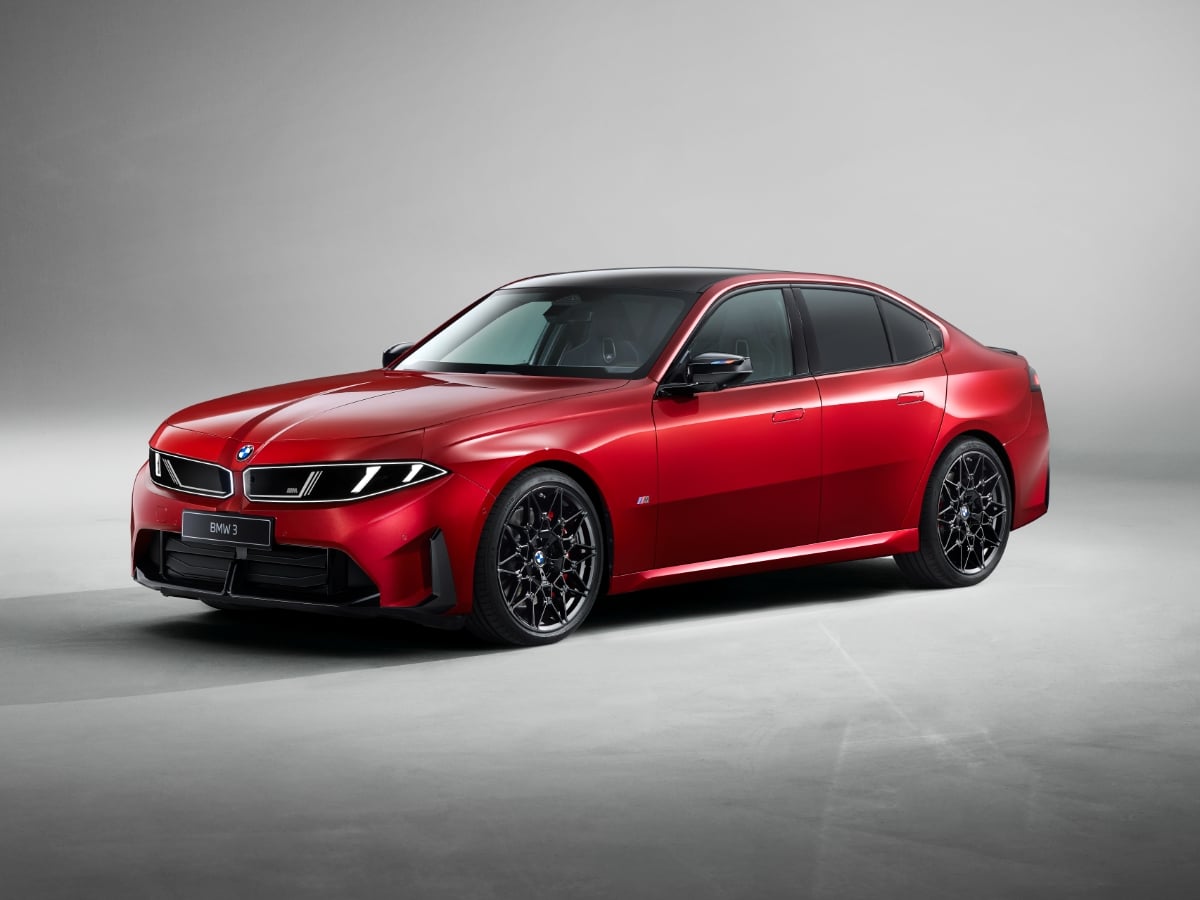
Part of BMW’s Neue Klasse (new class) rollout of redesigned models, the 2027 BMW 3 Series is all-new and goes on sale in the first quarter of 2027.
Read the Full Article