
Best Hybrid Cars
Research top, new vehicles for your needs. The latest J.D. Power ratings and reviews are used, and sometimes, this is from the previous model year.
Optional Equipment
Optional Equipment
Optional Equipment
Optional Equipment
Optional Equipment
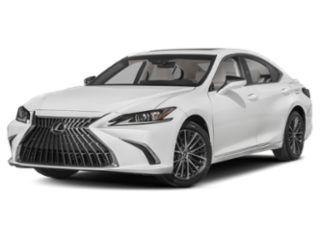
Owners Like
- Overall fuel economy and driving range of your vehicle/driving range and speed of charging your vehicle
- Ease of getting in/out of the [rear/second row] seats
- Quietness of your vehicle's cabin while driving
Owners Don't Like
- Attractiveness of your vehicle's screens and displays
- Experience of using voice assistance in your vehicle
- How your vehicle makes you feel when you start it up
Optional Equipment
Optional Equipment

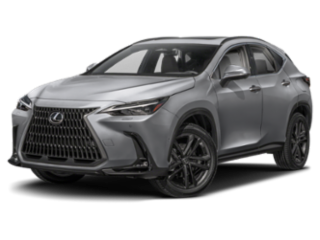
Owners Like
- Quality of the materials used inside your vehicle
- Comfort of your vehicle's ride
- Experience of using voice assistance in your vehicle
Owners Don't Like
- Ease of getting in/out of the [rear/second row] seats
- Power of your vehicle's engine/motor
- Experience of using navigation in your vehicle
Optional Equipment
Optional Equipment
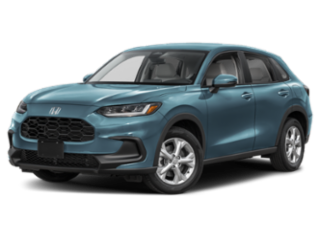
Optional Equipment
Pure electric vehicles (EVs) have been getting much attention recently. However, many car buyers are discovering that hybrid vehicles match their needs and budgets better than electric cars. Happily, consumers will find more hybrids from which to choose than ever as carmakers "electrify" their vehicle lineups. Hybrids typically offer lower purchase prices and more range and flexibility than comparable EVs, so many car buyers include them on their shopping lists.
With all the excitement around EVs, the widespread proliferation of hybrid powertrains is one of the most under-reported stories in today's automotive market. In their quest to achieve better fuel economy and enhanced drivability, many auto manufacturers are equipping new and existing models with hybrid powertrains.
Hybrids come in three flavors. A "mild hybrid" typically uses a starter-generator to add quick power boosts and smooth automatic engine start/stop transitions. Conventional hybrids often have larger battery capacity and rely more heavily on electric power gained from brake regeneration in all-around driving. Plug-in hybrids can travel considerable distances in pure-electric mode on battery power alone. They have onboard battery packs that owners can recharge at home or by visiting public chargers.
Depending on your daily driving routine, a plug-in hybrid might enable you to do all your day-to-day driving on electric power alone. Meanwhile, the onboard gasoline engine allows you to scoff at EV range anxiety.
With the expanded use of hybrid powertrains, car buyers can find hybrids in various vehicle types and body styles. Hybrid versions are widely available, from small hatchbacks to crossover SUVs, minivans, and full-size pickup trucks. And it seems like automakers are introducing more hybrids every day.
Since hybrids come in various forms, they require more explanation than other vehicle types. The list of the best hybrid cars on this page can be invaluable in helping you make a satisfying buying decision.
Note: JD Power ratings reflect our best available data, updated each September. For current model year ratings, we apply previous model year ratings until new consumer survey data is available in September. Learn more about our ratings methodology.
* Please use this rating with caution. The previous model year's rating was applied to this redesigned vehicle. These vehicles have the latest styling, technology, and other components, but are unproven in their first year and can be less reliable than their predecessor.





Learn about Electric Vehicles
See answers to common EV questions, tax incentives, charging maps & more.
Explore EV