
Toyota Safety Sense (TSS) is a suite of safety technologies and advanced driver assistance systems (ADAS) designed to help address three key areas of accident protection:

Toyota launched TSS in 2015 and was among the first automakers to offer a packaged array of ADAS features. Other mainstream and luxury carmakers quickly followed. Since then, TSS has gone through multiple iterations—2.0, 2.5, 2.5+, 3.0—with each subsequent version building upon the previous one to offer Toyota owners a greater sense of on-road safety and a more secure driving experience.
Toyota Safety Sense consists of hardware and software integrated into the vehicle. The hardware includes a forward-facing camera mounted at the top of the windshield behind the rearview mirror and a radar sensor housed in the grille or front bumper. There may also be rear radar and motion sensors that monitor the vehicle's surroundings from behind and the side. Some TSS features are active and under driver control. In contrast, others are "passive" and operate in the background to react in emergency situations.
The original TSS system had four primary functionalities: Pre-Collision System (PCS), Lane Departure Alert (LDA), Automatic High Beams (HBA), and Dynamic Radar Cruise Control (DRCC). These four systems remain TSS's cornerstones, but expanded functionalities and capabilities are detailed below.
The Pre-Collision System (commonly called forward-collision warning or forward-collision alert) mitigates or avoids frontal collisions by detecting a vehicle or a pedestrian in either daytime or low-light situations, as well as daytime cyclist detection. When the system detects a potential hazard, PCS provides audible and visual alerts and automatic braking in certain conditions.
Lane Departure Alert (also known as lane-departure warning) detects lane departure when traveling on relatively straight roads with clear lane markings. If LDA determines the vehicle is starting to deviate unintentionally from its visibly marked lane, the system alerts the driver with an audio and visual warning or even a steering wheel vibration. In addition, many vehicles also include LDA with Steering Assist. With Steering Assist enabled, if the LDA system senses that the car is unintentionally drifting from its lane, it may automatically make small corrective steering inputs to help the driver keep the vehicle in its lane.
Automatic High Beams help the driver see more clearly at night while reducing glare for other drivers. When activated, AHB detects the headlights of oncoming vehicles and taillights of preceding vehicles, then automatically toggles accordingly between high and low beams as needed.
Dynamic Radar Cruise Control—Toyota's term for adaptive cruise control—is an intelligent cruise control system that detects slower vehicles in front and automatically adjusts the vehicle's speed to help maintain a preset distance behind the car ahead. Some Toyota models also feature Full-Speed Range DRCC, which enables low-speed following, speed matching, stopping, acceleration, and deceleration.
Toyota Safety Sense 2.0 (TSS 2.0) consists of six active safety and driver-assistance systems, building on the original TSS suite by adding two new functionalities: Lane Tracing Assistance (LTA) and Road Sign Assist (RSA).
Lane Tracing Assistance operates automatically when both Full-Speed Range Dynamic Radar Cruise Control and Lane Departure Alert are active. This lane-centering assistance system keeps the vehicle centered in its visibly marked lane and preemptively avoids unintended lane departures while cruising. LTA monitors lane markings and the vehicle's path ahead and automatically makes constant steering inputs to help keep the car centered in its lane. This feature is not intended for semi-autonomous driving; the driver must keep their hands on the steering wheel.
Road Sign Assist (RSA) "reads" traffic signs and displays the information on the vehicle's instrument panel display. This traffic-sign recognition system gives the driver additional awareness of posted road signs. Sometimes, the system may also provide alerts if the vehicle speed exceeds the posted limit.
Like TSS 2.0, TSS 2.5 and TSS 2.5+ consist of six active safety and driver-assistance systems with enhancements to the Pre-Collision System (PCS) that expand the response range and enable two new features: Intersection Support and Emergency Steering Assist.
Intersection Support (common name: intersection turn assistance) can detect an oncoming vehicle or pedestrian when performing a left-hand turn at a junction and an oncoming pedestrian when performing a right-hand turn. Emergency Steering Assist (automatic emergency steering) assists the driver in emergency steering maneuvers within the lane, reacting to a pedestrian for TSS 2.5 and a vehicle or bicyclist for TSS 2.5+.
In addition, for TSS 2.5+, DRCC benefits from improved curve speed management in a manner that Toyota says feels more like natural driving. The camera and yaw sensors "see" curves, reduce speed beforehand, and then return to the set speed.
Toyota Safety Sense 3.0 (TSS 3.0) introduces several enhancements over the previous generation, including an upgraded forward-facing camera with higher resolution, wider angles, and an improved radar sensor for a longer and wider field of view. These improvements bring new and expanded features to TSS, which is now capable of over-the-air updates to allow the system to continually evolve as new functionalities are made available in the future.
The most significant enhancement of TSS 3.0 is adding an all-new system called Proactive Driving Assist (PDA). With this new feature, TSS now has seven primary functionalities. When conditions are met, PDA provides gentle braking when driving into curves or gentle braking and/or steering to help support distance control from a preceding vehicle, pedestrian, or bicyclist.
PDA consists of a few distinct features that function in different driving conditions. The PDA feature set includes Obstacle Anticipation Assist, which detects vehicles parked on the side of the road or pedestrians and bicyclists either on the side or crossing the street. PDA also features Deceleration Assist, which provides gentle braking to gradually reduce vehicle speed when the system detects preceding vehicles or certain upcoming curves in the road. Lastly, PDA brings Steering Assist, which "sees" the roadway lines, varying the assistance from the power steering to help the driver stay within the lane.
With TSS 3.0, the Pre-Collison System receives enhanced intersection support with improved detection range capability, including, in certain circumstances, oncoming vehicles in more than one lane while turning and cars approaching from a lateral direction. Also, along with bicyclist and pedestrian detection, PCS under TSS 3.0 can detect motorcyclists in certain situations.
For the Lane Departure Alert system, TSS 3.0 now provides enhanced lane recognition to detect certain 3-dimensional objects used to define the lane. These objects include certain types of guardrails and other highway fixtures.
With TSS 3.0, Dynamic Radar Cruise Control sees several enhancements, including four cruise distance settings instead of the previously offered three. TSS 3.0 also enhances vehicle detection to provide smoother, more natural speed adjustments. The system detects preceding vehicles in adjacent lanes when the driver signals to change lanes. It can preemptively adjust the speed for the upcoming lane.
TSS 3.0 also upgrades Lane Tracing Assist, enabling it to steer the vehicle within its lane to help provide more space between objects you are passing in an adjacent lane. In addition, a newly added Emergency Driving Stop system monitors driver steering inputs. Furthermore, vehicles equipped with a driver monitoring system confirm the driver's eyes are attentive to the road ahead. If the system determines the driver is not alert and does not respond to prompts to resume vehicle control, Lane Tracing Assist can bring the car to a stop under certain conditions.
Additionally, TSS 3.0 brings improvements to the Road Sign Assist feature. RSA can now recognize a wider variety of road signs.
Each iteration of TSS makes driving safety more advanced and comprehensive for Toyota owners. However, drivers are responsible for their own safety. They must always obey traffic speed limits and laws, use mirrors, and focus on the road while driving.
Jessica Shea Choksey is an experienced writer in the automotive field. In addition to JDPower.com, she was a correspondent for PBS's MotorWeek. Her work has also appeared in AutoTrader.


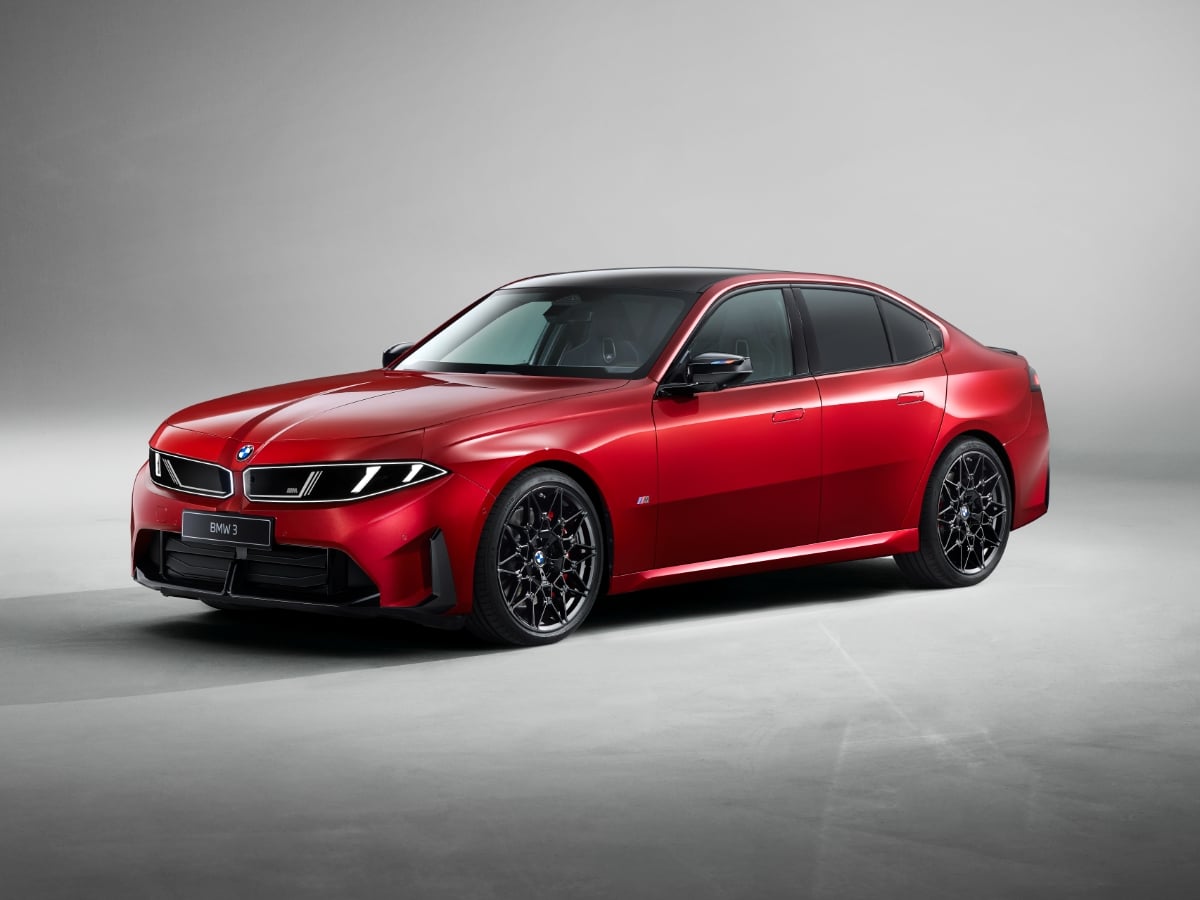
Part of BMW’s Neue Klasse (new class) rollout of redesigned models, the 2027 BMW 3 Series is all-new and goes on sale in the first quarter of 2027.
Read the Full Article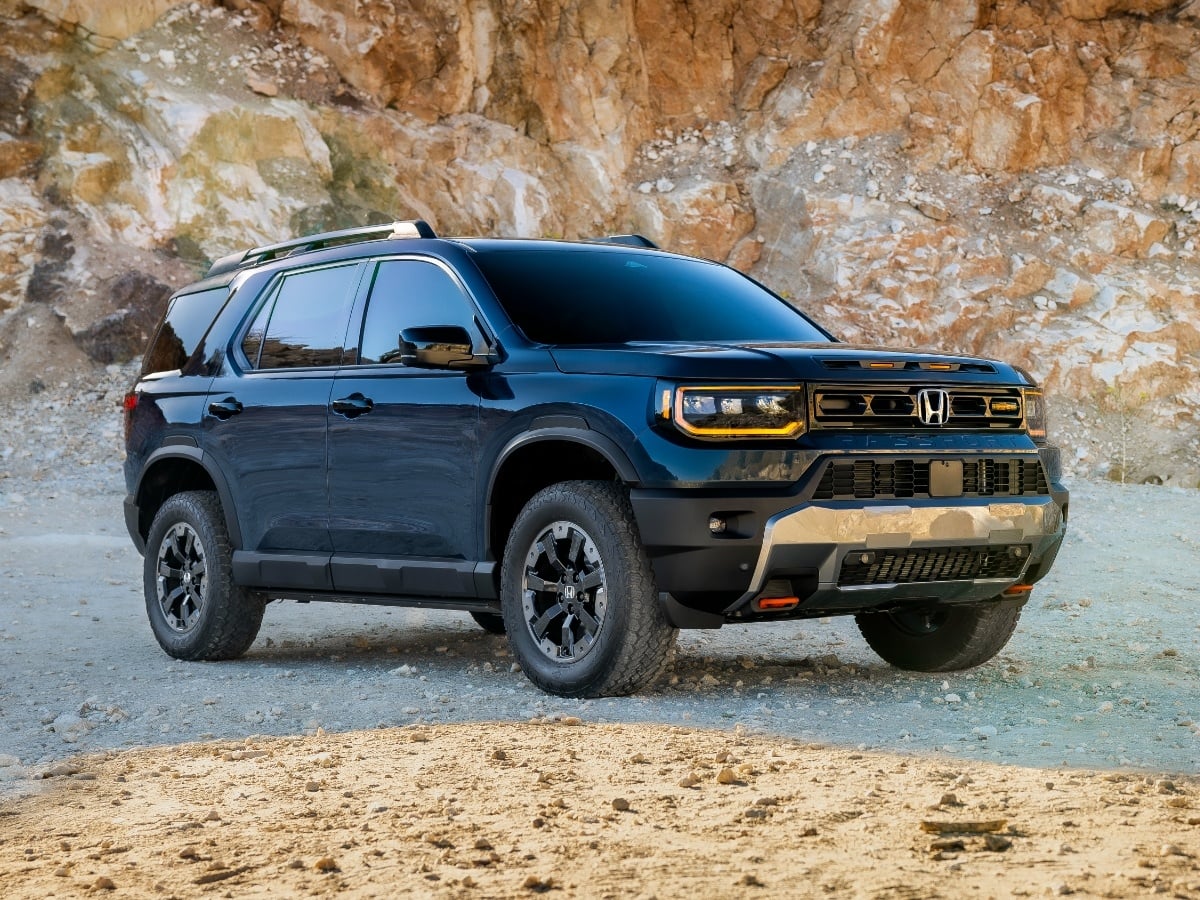
Updates to the 2027 Honda Passport TrailSport include a reworked suspension, improved steering, subtle styling enhancements, and added standard equipment.
Read the Full Article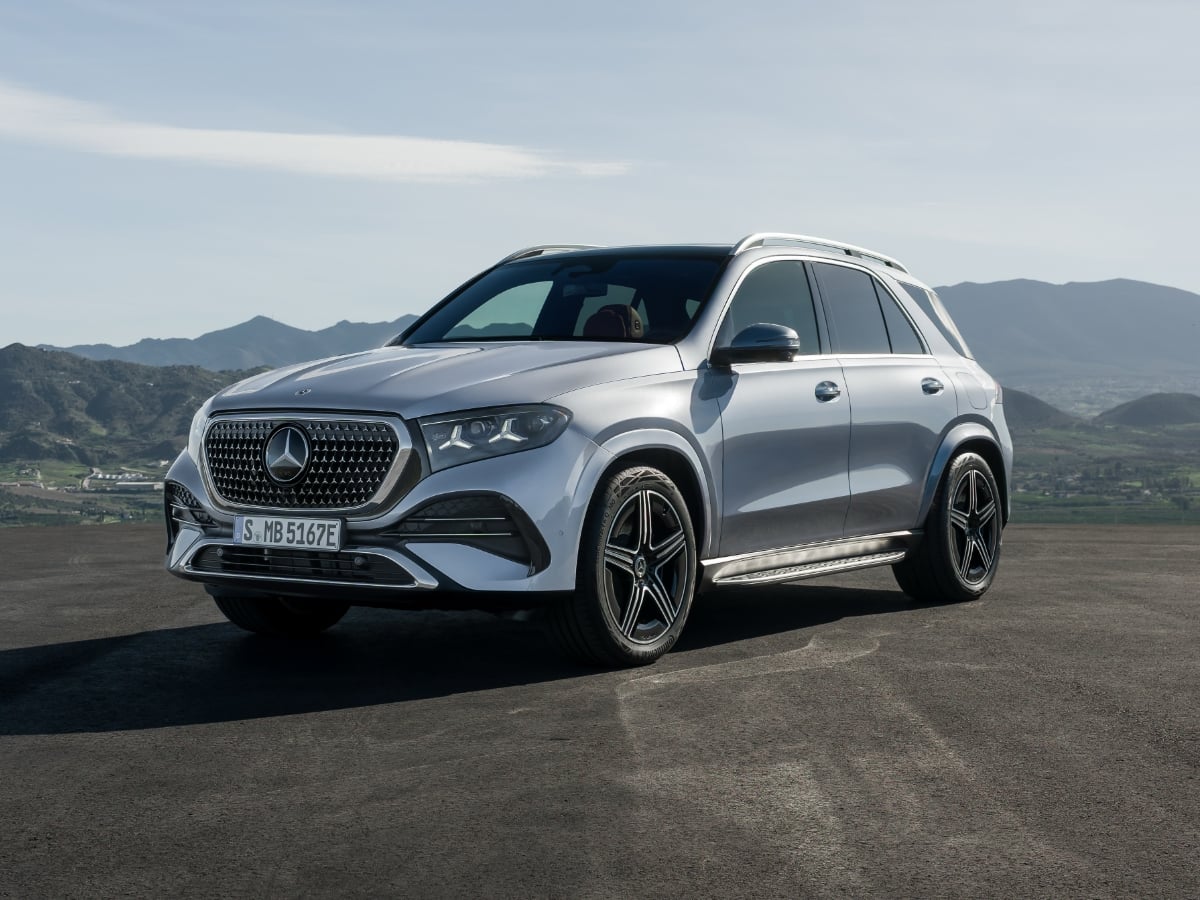
The midsize 2027 Mercedes GLE remains available in original and spicy Coupe recipes, now with standard 4Matic all-wheel drive (AWD), MBUX Superscreen technology, and a panoramic glass sunroof for ...See More
Read the Full Article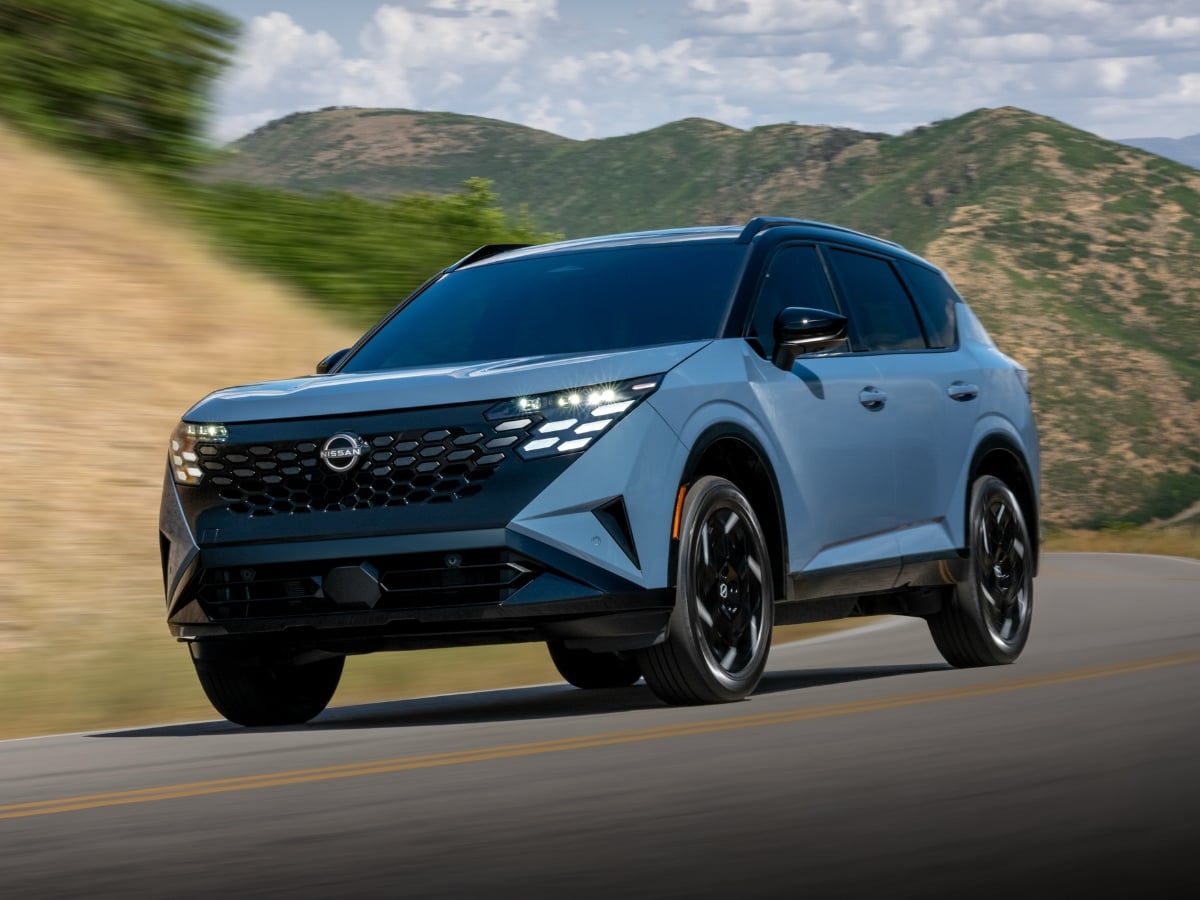
Nissan is about to introduce an innovative new SUV. The 2027 Nissan Rogue Hybrid has a gasoline engine, but it does not power the wheels. Instead, electric motors at each axle provide propulsion, ...See More
Read the Full Article