
There are a lot of components in your car you might not think about, but which are of great importance. Maintaining them or going through with the repairs if something is wrong is a great way to take care of your ride and avoid long-term damage.

Like the engine, the suspension is crucial to keep your car's condition in check. It directly affects your driving experience and, if one of its parts degrades, leads to terrible issues that could’ve been avoided otherwise.
This article will focus on one of the suspension’s components, shock absorbers or shocks. We will explain what the suspension does on the whole and mention how shocks function. Lastly, we will discuss how long they last and what problems could arise due to their faultiness.
You should treat suspension as a protective layer of shock-absorbing components such as springs and dampers. It helps ensure that your drive is safe and smooth by absorbing the energy from various road bumps and other kinetic impacts. The suspension also ensures that your tires stay on the road and increases friction.
The suspension consists of two main parts: springs and shocks. The first help control the height and load of the suspension and cabin, while the latter absorbs kinetic energy impulses that your tires transmit on road contact.
If you were to drive without one, all kinetic impact would transfer directly to your vehicle’s frame. It would make driving difficult and uncomfortable at best and may result in road accidents as the car would lose its grip due to tires jumping up and down.
As we mentioned previously, shocks keep the springing movement of your car to a minimum, stopping oscillation and bounce. They are an essential part of your suspension and keep the underside of your vehicle whole, preventing any possible damage. It should be effortless to handle your car if they work correctly, while the wheels themselves should be appropriately aligned in this case.
More often than not, most people confuse struts with shocks. It is easy to do as they both serve shock-absorbing purposes. However, struts have multiple roles and are a structural element of your vehicle, directly responsible for wheel alignment.
Struts and shocks have nothing to do with each other, and your vehicle can never have both. So, if you ever run into any issues, keep that in mind.
Shocks are wear- and tear-resistant and last for quite a while. They don’t go out all at once and, because of that, can serve you for about 50,000-100,000 miles. Their condition will undoubtedly depend on what kind of driver you are, so you will have to pay close attention and catch the moment when shocks will need changing.
Usually, tell-tale signs include feeling every bump you encounter on the road. As mentioned in the article, shocks reduce their kinetic impact to preserve your car’s frame. You should immediately go to an auto shop if it has suddenly changed.
Other common signs may include steering problems, as controlling your vehicle becomes difficult with faulty or worn shockers. Your steering wheel may become too stiff or hard to turn, while your car will sway or lean when you take turns or switch lanes.
You could also experience fluid leaks or braking issues, including uneven tread wear. The latter occurs when your suspension or wheel alignment is off and presents in the form of scalloped dips, developing around the tread edge.
Shock absorbers are responsible for absorbing kinetic impact when you move over road bumps or rough surfaces. As part of the vehicle’s suspension, they work with other components and ensure proper wheel alignment and movement.
They will last you for about 50,000-100,000 and go out slowly and not all at once. If they become worn out, you will experience car control problems, see fluid leaks, and encounter other signs described above.
The only way to prevent severe damage is to be cautious and attentive. Staying on top of your maintenance is a great solution, and you should drive over to an auto shop when something feels wrong.


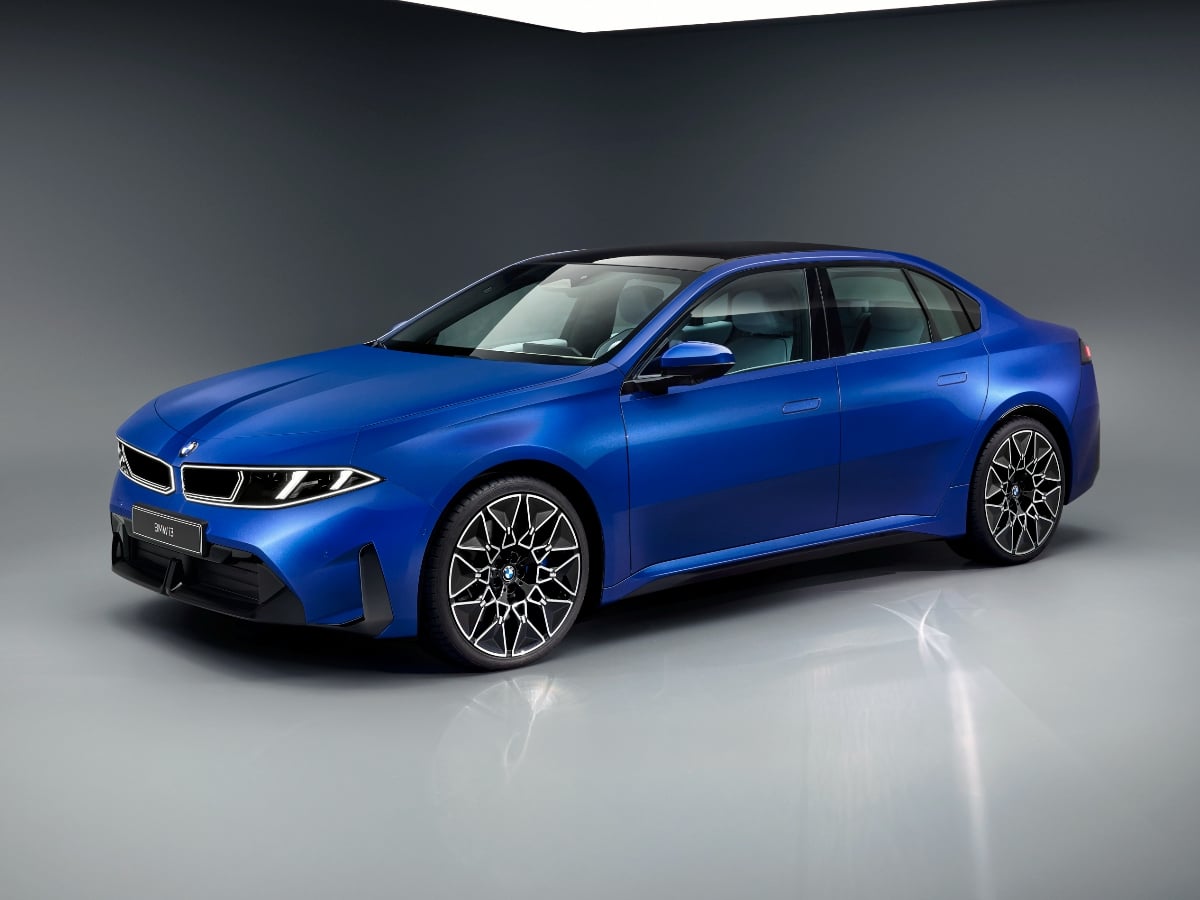
The new 2027 BMW i3 boasts an estimated range of up to 440 miles, 400-kilowatt DC fast charging capability, bidirectional charging to a home or the grid, and next-generation technology.
Read the Full Article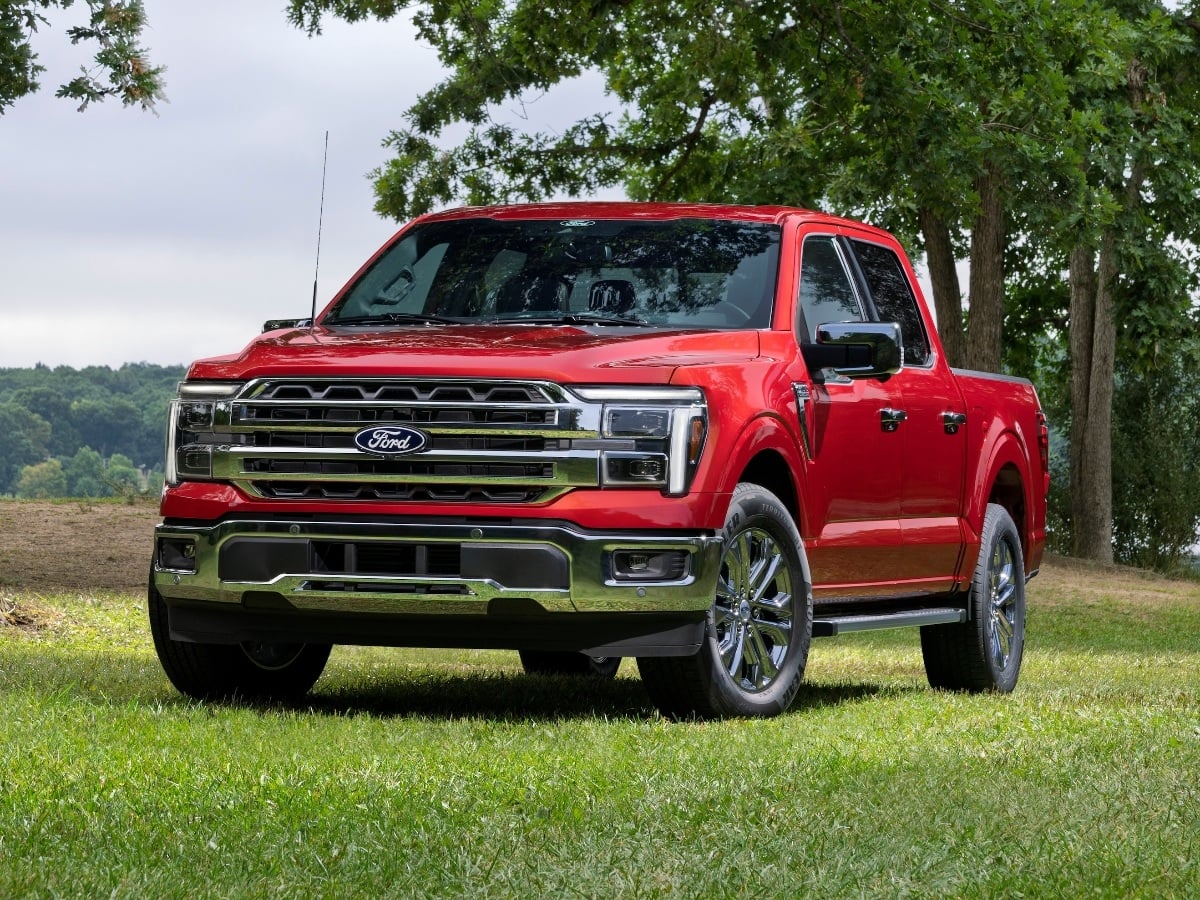
Facing renewed competition in the full-size, light duty pickup truck segment, the 2027 Ford F-150 receives subtle styling updates, a new standard engine, broader availability of its 5.0-liter V8, and ...See More
Read the Full Article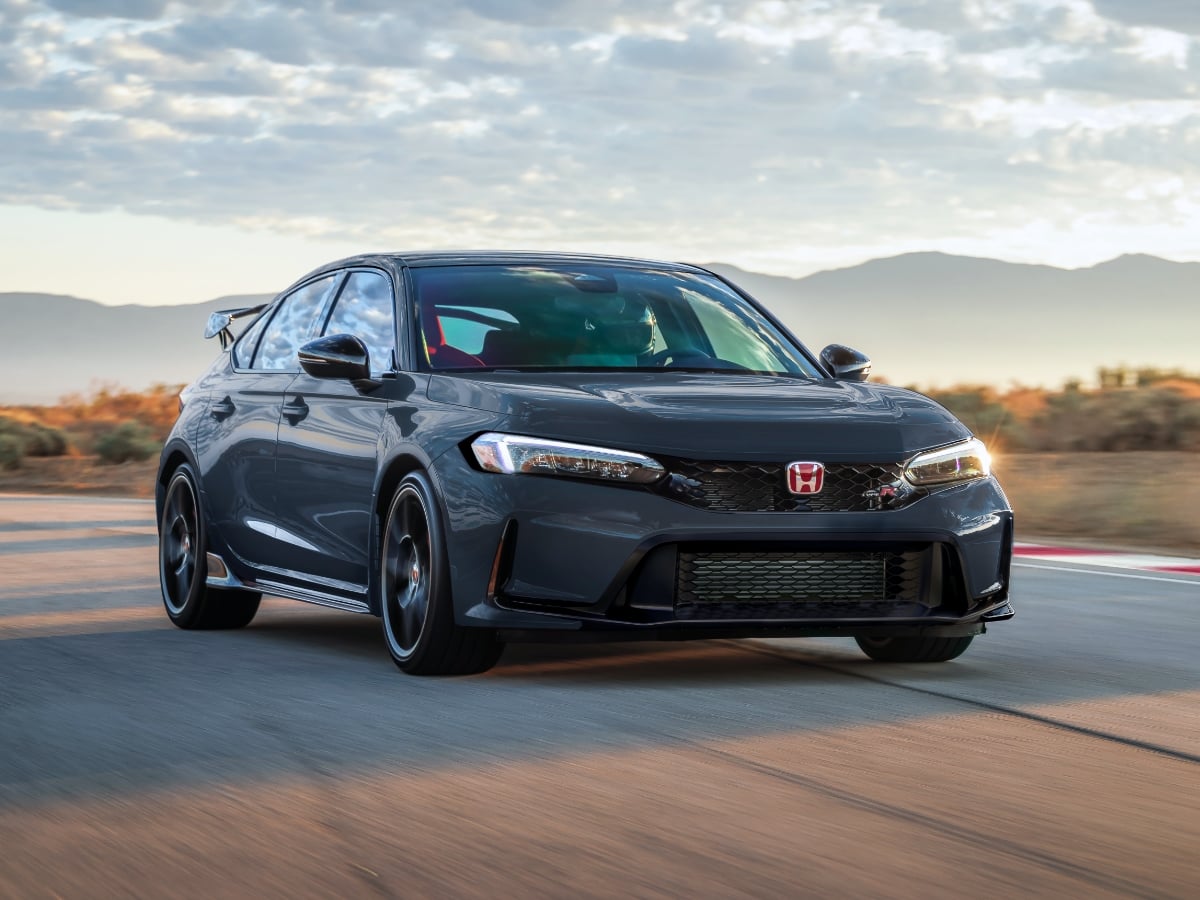
The 2027 Civic Type R goes on sale in October 2026, and it starts at $49,990, including the $1,295 destination charge.
Read the Full Article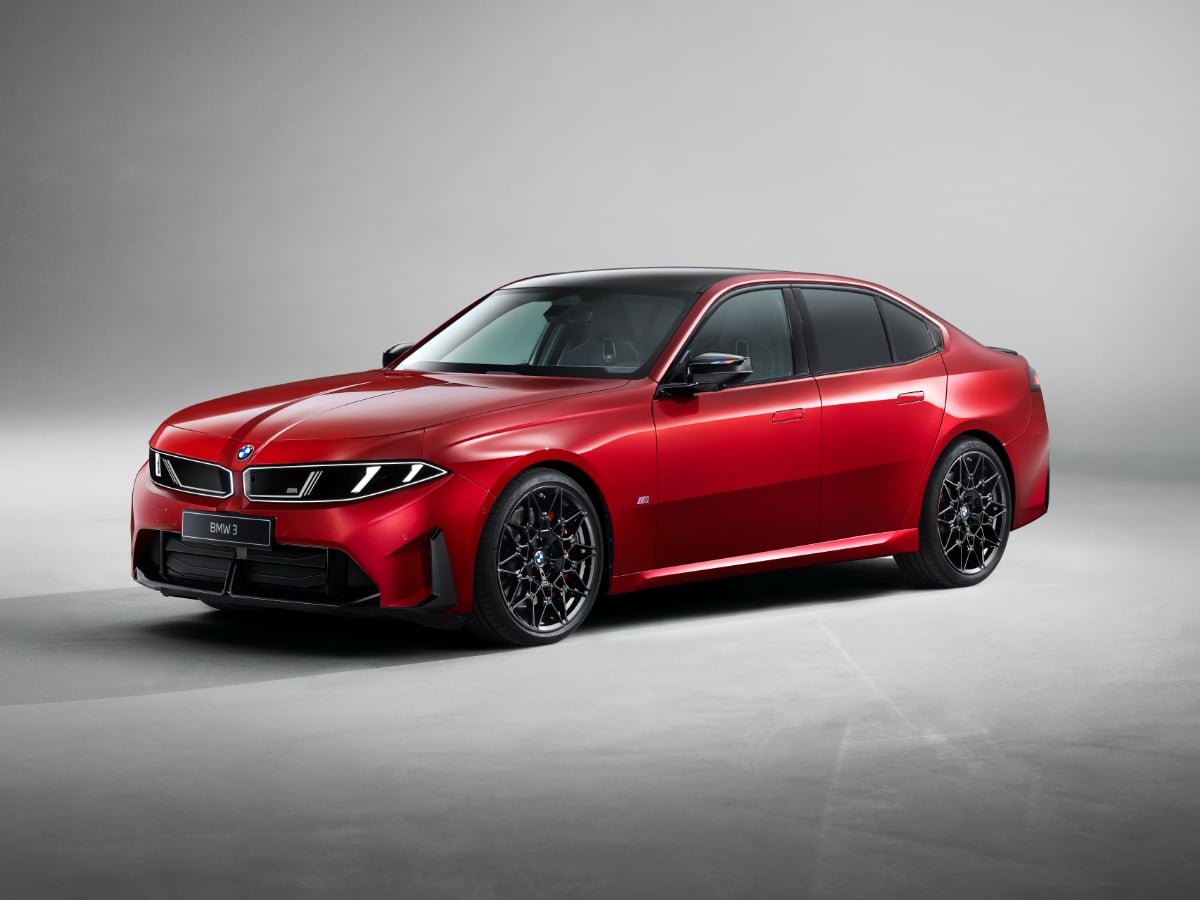
Part of BMW’s Neue Klasse (new class) rollout of redesigned models, the 2027 BMW 3 Series is all-new and goes on sale in the first quarter of 2027.
Read the Full Article