
While many automakers are scaling back plans for battery-powered electric vehicles (BEVs), Toyota continues to expand its EV lineup, with the latest addition being the all-new C-HR. The electric compact crossover replaces the previous gas-powered C-HR, which went out of production a few years ago. The new version delivers a dramatic performance increase with standard all-wheel drive (AWD). The smallest EV in the Toyota portfolio, the C-HR is an ideal choice for a first foray into EV ownership.
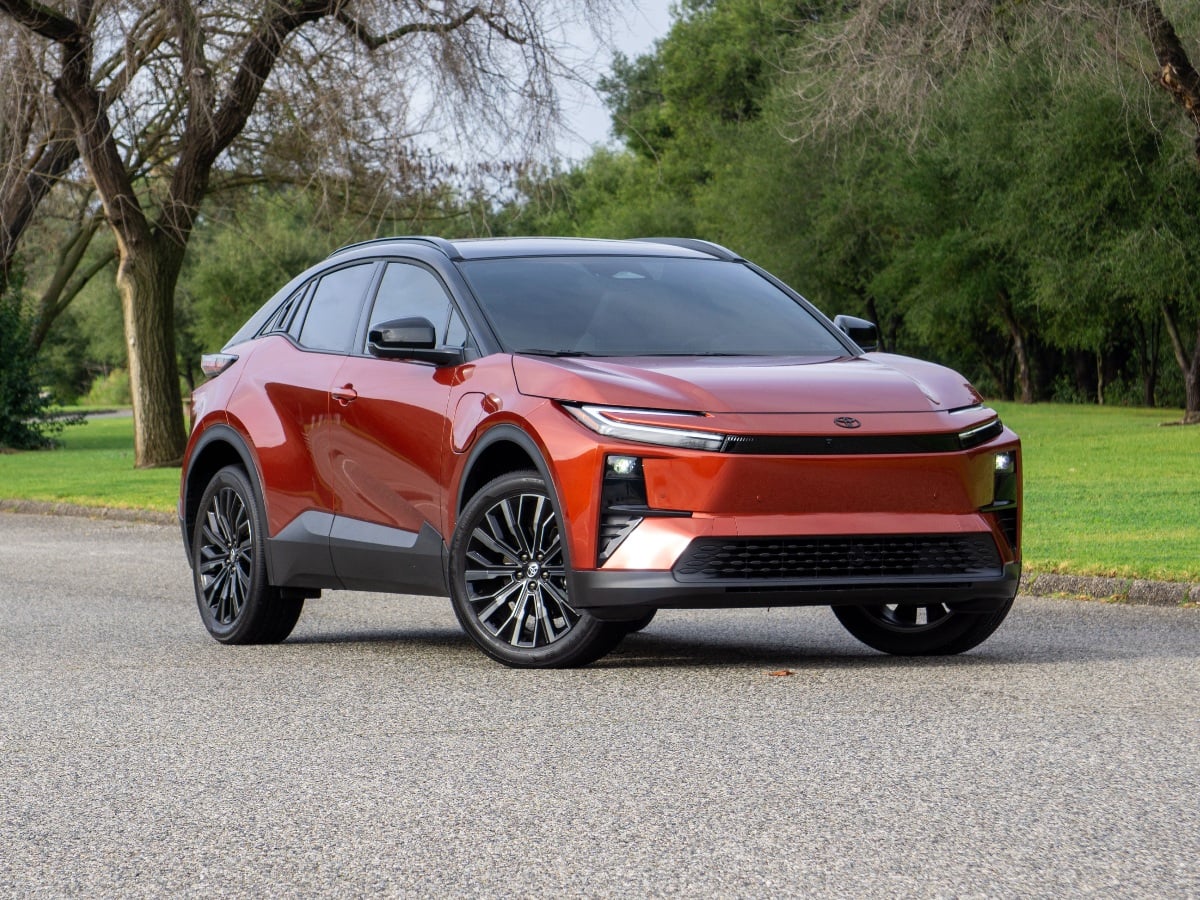
Photo: Perry Stern
It may share the C-HR name, but the new model's performance and features have little in common with its predecessor’s. With a standard dual-motor electric drivetrain, the 2026 C-HR delivers strong acceleration and excellent fuel efficiency in a sporty-looking crossover, making it a welcome addition to Toyota's EV lineup.
The 2026 Toyota C-HR is a five-passenger compact crossover available in two trim levels: SE and XSE. Both trims come standard with a dual-motor AWD powertrain, with base prices ranging from around $39,000 to $41,000, including the destination charge.
For this 2026 C-HR review, Toyota provided a test vehicle equipped with XSE trim and the following options:
The test vehicle's manufacturer suggested retail price (MSRP) was $43,000, including the $1,450 destination charge to ship the crossover SUV from the Takaoka, Japan, assembly plant to a local dealership. The price does not reflect any current rebates, incentives, or price adjustments since Toyota manufactured the test vehicle.
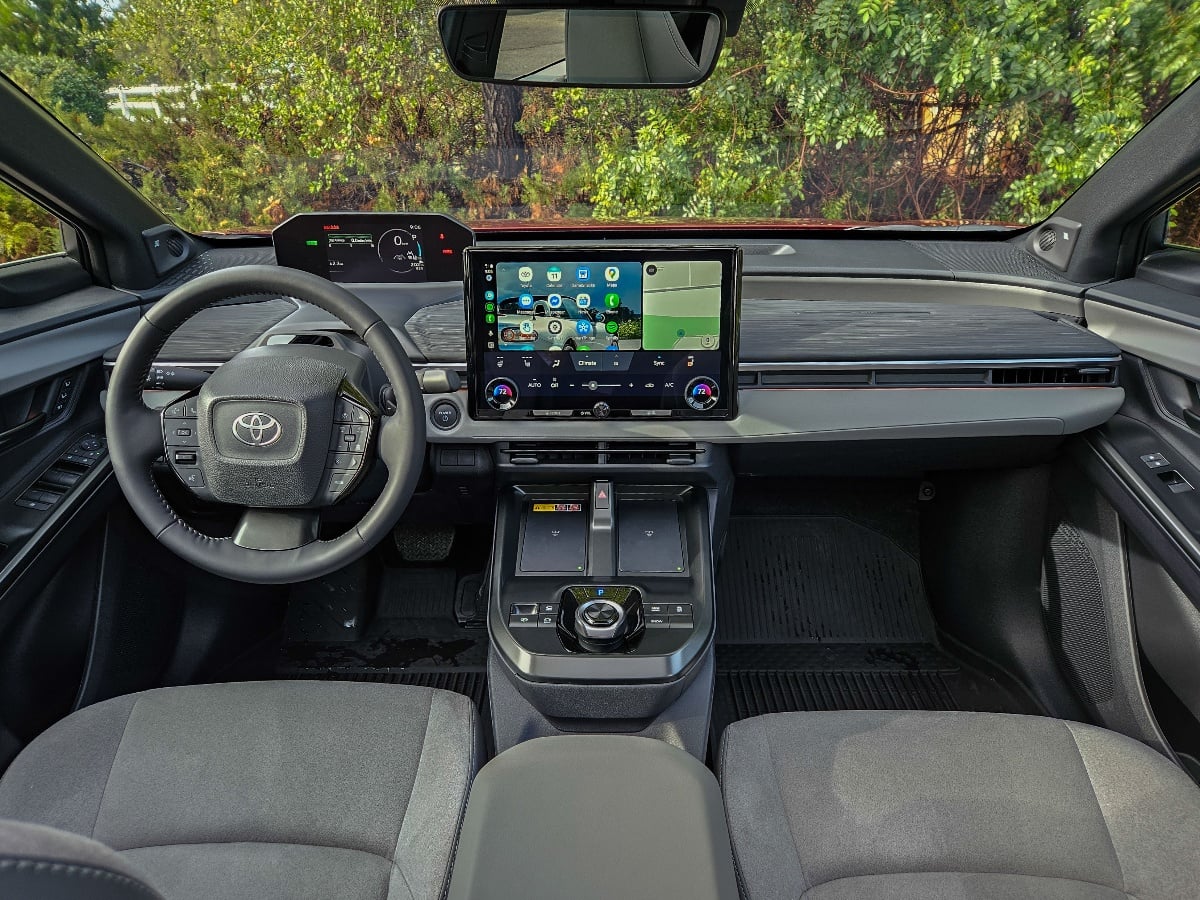
Photo: Perry Stern
While they are not identical, all of Toyota's EV models share a similar front-end style, and the C-HR is no exception. Slim LED running lights just below the hood line give the small EV a wide stance and a modern look, while the headlights integrated into the bodywork are almost invisible until they are turned on. With a sleek roofline, short overhangs, and bold fenders, the C-HR is the sportiest-looking model in Toyota's EV lineup.
Inside, the C-HR has a distinctly modern look, with a clean dashboard design highlighted by the 14-inch touchscreen infotainment display. A digital gauge cluster is also standard; however, its placement is unusual. Positioned high on the dashboard, near the base of the windshield, the screen is visible above the steering wheel rather than through it, as in most other vehicles. Even with the steering wheel in its lowest position, it was uncomfortable trying to see the gauges above the wheel.
Dual wireless smartphone charging pads dominate the center console, and while they are nice to have, I would prefer added storage rather than the second charger. There is still plenty of space, with two cupholders and a large open area below the center console. Additional storage is available beneath the center armrest, and the lid conveniently opens to the right or left.
Front seats continue the sporty look with firm bolsters and integrated headrests. I liked the soft feel of the synthetic suede seat trim in my XSE test vehicle, which complements the SofTex synthetic leather on the seat edges. Overall, the seats are comfortable with good padding, but I found myself sliding in the seat during particularly enthusiastic driving.
Rear seat room is more than adequate for two adults, thanks in part to the shape of the front seatbacks, which provide a bit more knee room. The floor is almost flat, with only a slight hump in the middle, making the center seat usable in a pinch. However, fitting three adults would not be terribly comfortable. Headroom is good, but taller passengers may want to skip the sunroof, which reduces the available headroom by more than an inch. Dual USB-C ports provide power for rear seat passengers, and heated outboard seats are available on the XSE trim.
The C-HR offers good utility, with 25.3 cubic feet of storage behind the rear seats, enough space for a few large suitcases. A removable hard cargo cover keeps valuables out of sight. Folding the 60/40 split rear seats expands the available space to 59.5 cubic feet.

Photo: Perry Stern
Both trims of the new Toyota C-HR come standard with the brand's Audio Multimedia infotainment system, displayed on a large 14-inch touchscreen. The 7-inch digital gauge cluster is also standard.
The C-HR's infotainment system includes:
Toyota's infotainment system is easy to navigate, with clear icons and persistent shortcuts to navigation, audio, communications, and vehicle settings on the left side of the screen. Climate functions occupy the lower section, including integrated physical knobs for the dual-zone climate control. I also appreciated the volume knob at the bottom of the screen.
Setting up Android Auto on the C-HR with my Samsung Galaxy S23+ was a breeze, with the phone connecting via Bluetooth. While it is nice that Android Auto uses all the real estate for a clear presentation, the shortcuts disappear, making it more cumbersome to return to the native Toyota system.
To use the native cloud-based navigation and Toyota's Intelligent Assistant natural voice interface, you will need a Drive Connect subscription, which is included as a three-year trial in all new C-HRs. Activated with the phrase "Hey, Toyota," the Intelligent Assistant works very well. It adjusted the cabin temperature up when I told the assistant I was cold, made a hands-free call, found the closest pizza place, and provided navigation directions.
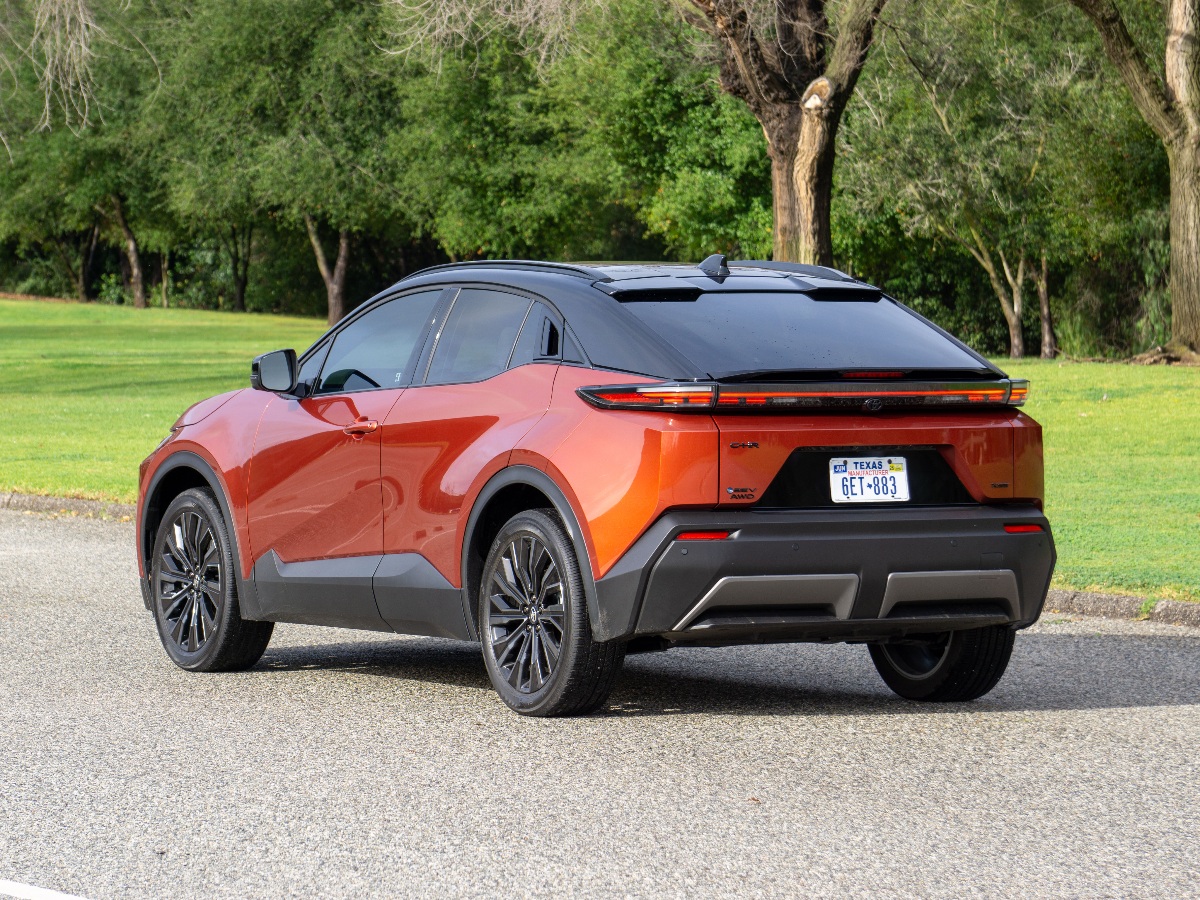
Photo: Perry Stern
The 2026 Toyota C-HR comes standard with a dual-motor electric drivetrain that produces 338 horsepower. With the electric motors' inherent instant torque and AWD grip, the C-HR will sprint to 60 mph in a claimed 4.9 seconds.
With a 74.7-kilowatt (kW) lithium-ion battery, the C-HR has an Environmental Protection Agency (EPA)-estimated range of 287 miles in the SE and 273 miles in the XSE, due to the XSE’s larger wheels. As of this writing, the EPA does not have MPGe figures for the new C-HR, but during my drive, the trip computer showed an impressive 3.5 miles per kilowatt-hour, or 118 MPGe.
The C-HR features a North American Charging Standard (NACS) charge port. According to Toyota, the C-HR will charge at up to 150 kW on a DC fast charger, going from 10 to 80 percent in about 30 minutes. The C-HR will charge at 11 kW with a Level 2 charger, taking about 7.5 hours to reach a full charge.
It did not take long behind the wheel to fully appreciate the powerful electric drivetrain. With more than twice the horsepower of the previous-generation C-HR and AWD, the new C-HR accelerates very quickly from a stop. In typical EV fashion, power comes on quickly, with smooth, steady delivery for a very satisfying performance.
Regenerative braking is adjustable via the steering wheel paddles, and at the maximum setting, the C-HR will slow almost to a stop when lifting off the accelerator. However, Toyota does not offer a one-pedal driving option that would bring the vehicle to a complete stop without braking. One-pedal driving is a convenient feature common in many EVs on the market.
The C-HR's small footprint makes it a great option for driving around town, and its quiet operation is a bonus. Pulling into a small parking lot outside the local coffee shop, the multiple camera views and good visibility made parking a breeze.
Heading north out of Ojai, California, into the mountains, the C-HR proved quite enjoyable to drive. While I would not go so far as to call it sporty, the C-HR has quick steering response, and the suspension keeps the small crossover stable and steady when pushed hard through turns. Even at higher speeds, the C-HR always seemed to have power on tap, with enough oomph to push you back in your seat. Overall, the ride is comfortable even on rougher pavement, and road noise is minimal.
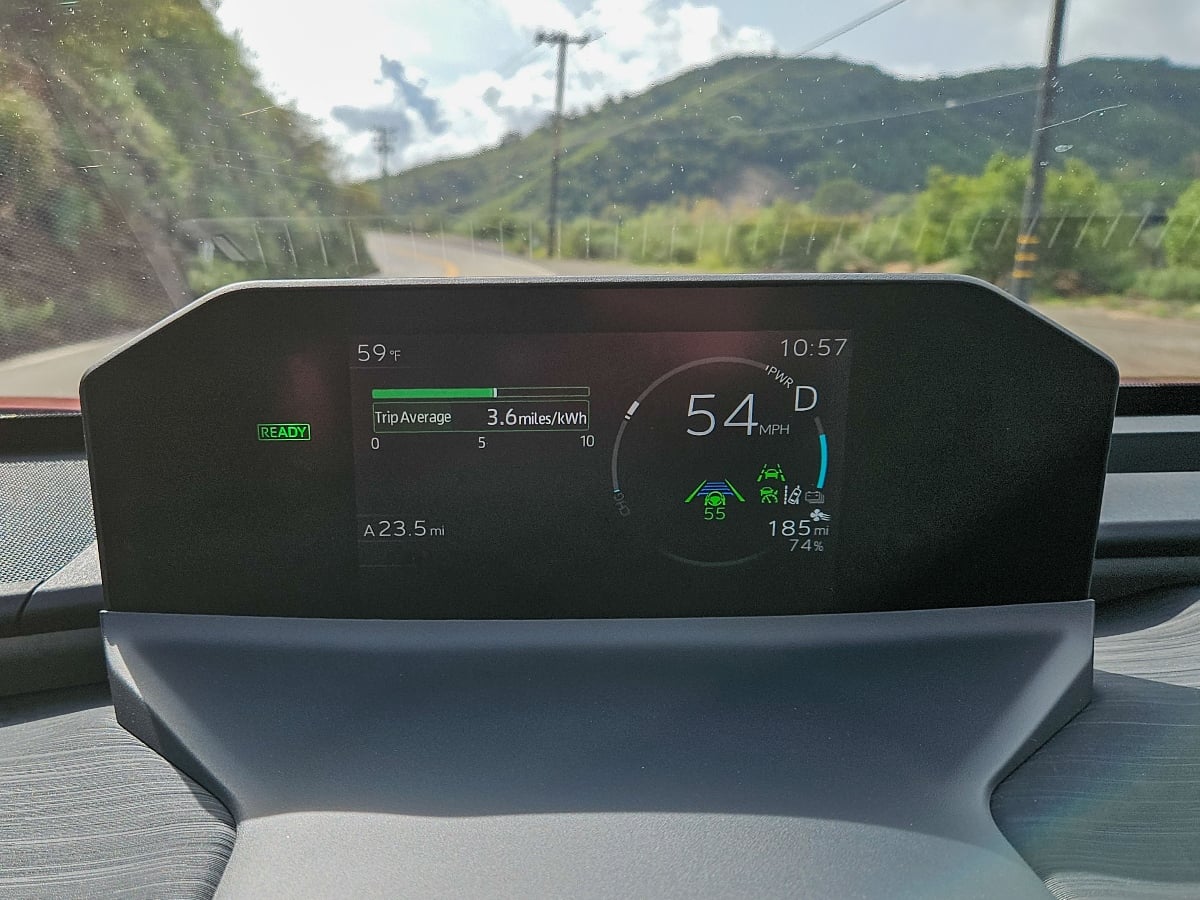
Photo: Perry Stern
Both versions of the 2026 Toyota C-HR come standard with Toyota Safety Sense 3.0 (TSS 3.0), the brand's full suite of advanced driver assistance systems (ADAS). TSS 3.0 includes the following features:
Additionally, the top-level XSE includes front and rear parking assist with automatic braking, front cross-traffic warning, and traffic jam assist, which provides limited hands-free driving at speeds below 25 mph on select roads.
The front cross-traffic warning system proved most useful when pulling out of a parking lot onto a busy road. A visible and audible alert warned me that a vehicle was approaching from the left, so I knew not to pull into traffic.
I also used adaptive cruise control with lane centering, and the system worked well, braking steadily when the vehicle ahead slowed and accelerating smoothly back to the set speed. The lane centering system kept the C-HR between the lines with minimal back-and-forth movement, and it quickly prompted me to put my hands on the wheel when it did not detect any steering input.
Because it is an all-new model, neither the Insurance Institute for Highway Safety (IIHS) nor the National Highway Traffic Safety Administration (NHTSA) has published crash test ratings for the 2026 C-HR.
According to the JD Power 2025 Initial Quality Study (IQS), the Buick Encore GX ranks highest in the Small SUV segment. The Kia Soul ranks second, and the Chevrolet Trailblazer and Ford Bronco Sport rank third (in a tie).
According to the JD Power 2025 Automotive Performance, Execution and Layout (APEAL) Study, the Mini Countryman ranks highest in the Small SUV segment. The Hyundai Kona and the Buick Envista are the next highest-ranked models.
Other 2026 C-HR competitors include the Honda HR-V, Mazda CX-30, and Subaru Crosstrek.
The all-new 2026 Toyota C-HR delivers strong, efficient performance in the compact crossover segment with a powerful dual-motor electric powertrain. While it is not offered as a lower-priced single-motor variant like its virtual twin, the Subaru Uncharted, the C-HR's stylish interior, distinctly high-tech vibe, and respectable driving range make it a great option for a first-time EV buyer.
Perry Stern has worked in the automotive industry for over 30 years and has always been a car enthusiast. Driving nearly every new car on the market, Perry has written for multiple publications in addition to his work for jdpower.com. Living in southeast Michigan, Perry remains passionate about cars, especially his 2006 Mazda MX-5 Miata.


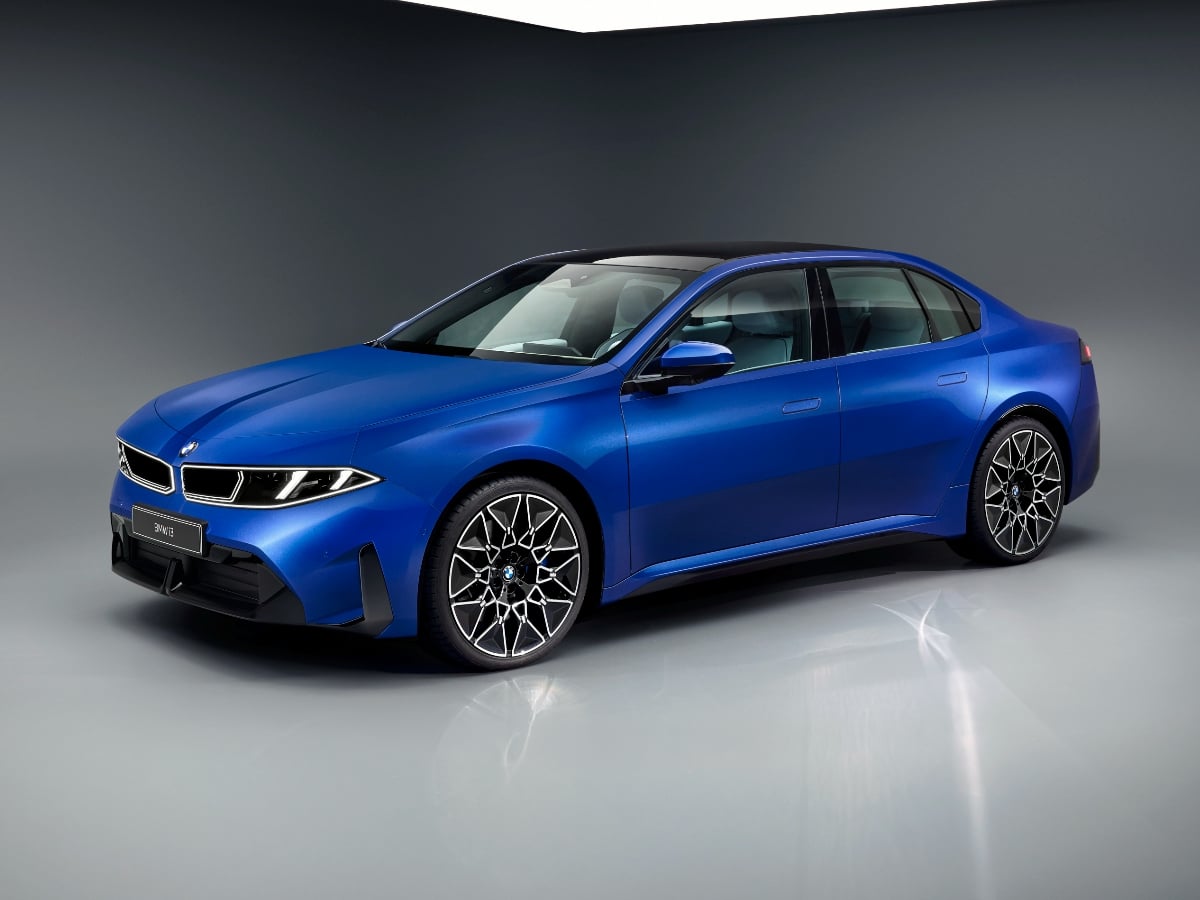
The new 2027 BMW i3 boasts an estimated range of up to 440 miles, 400-kilowatt DC fast charging capability, bidirectional charging to a home or the grid, and next-generation technology.
Read the Full Article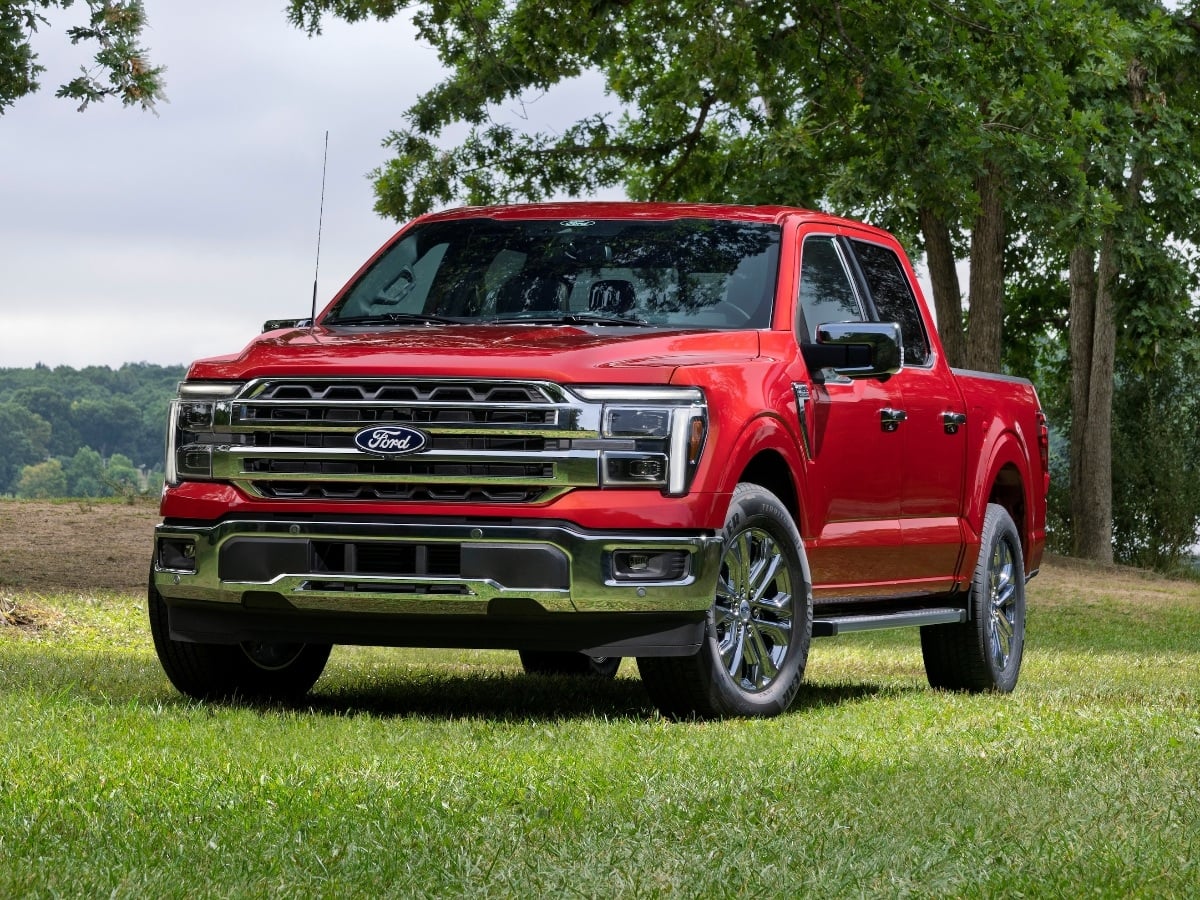
Facing renewed competition in the full-size, light duty pickup truck segment, the 2027 Ford F-150 receives subtle styling updates, a new standard engine, broader availability of its 5.0-liter V8, and ...See More
Read the Full Article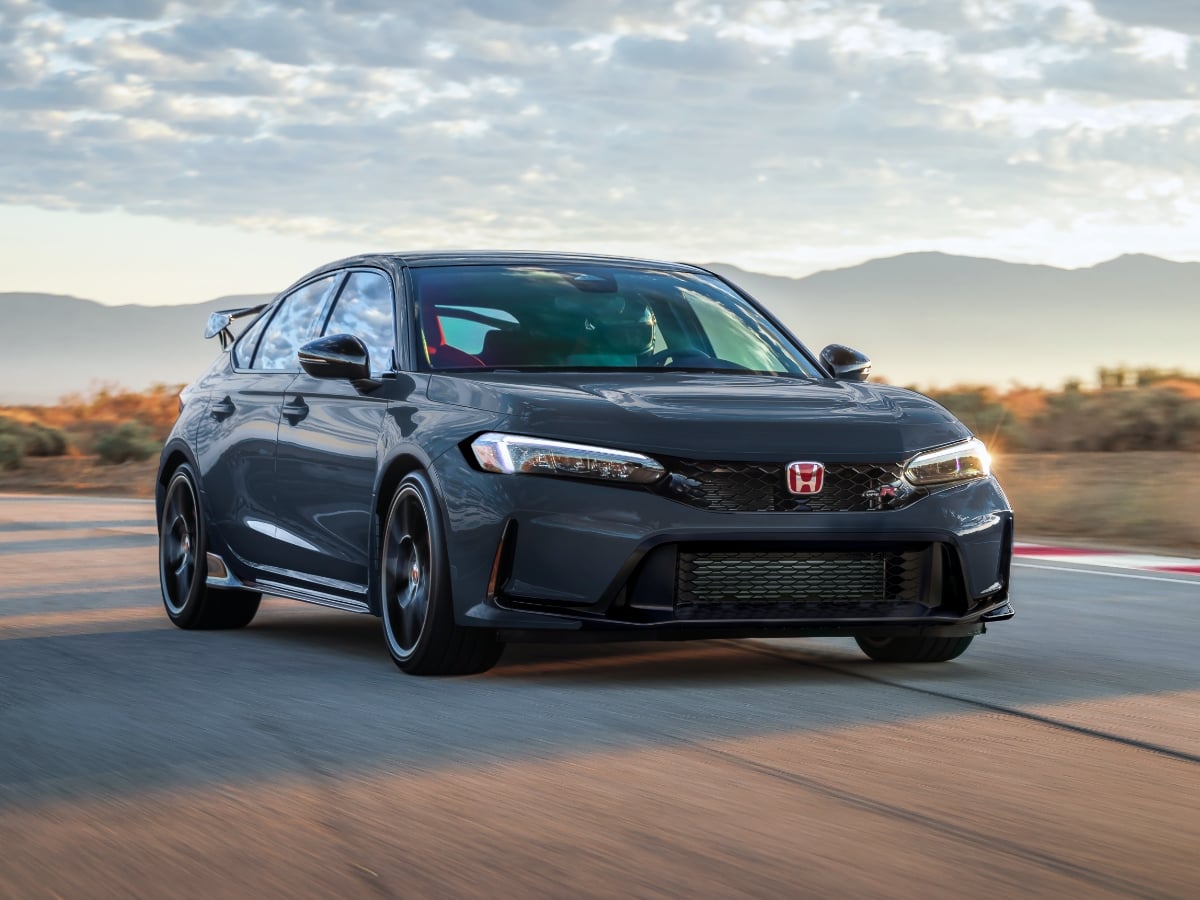
The 2027 Civic Type R goes on sale in October 2026, and it starts at $49,990, including the $1,295 destination charge.
Read the Full Article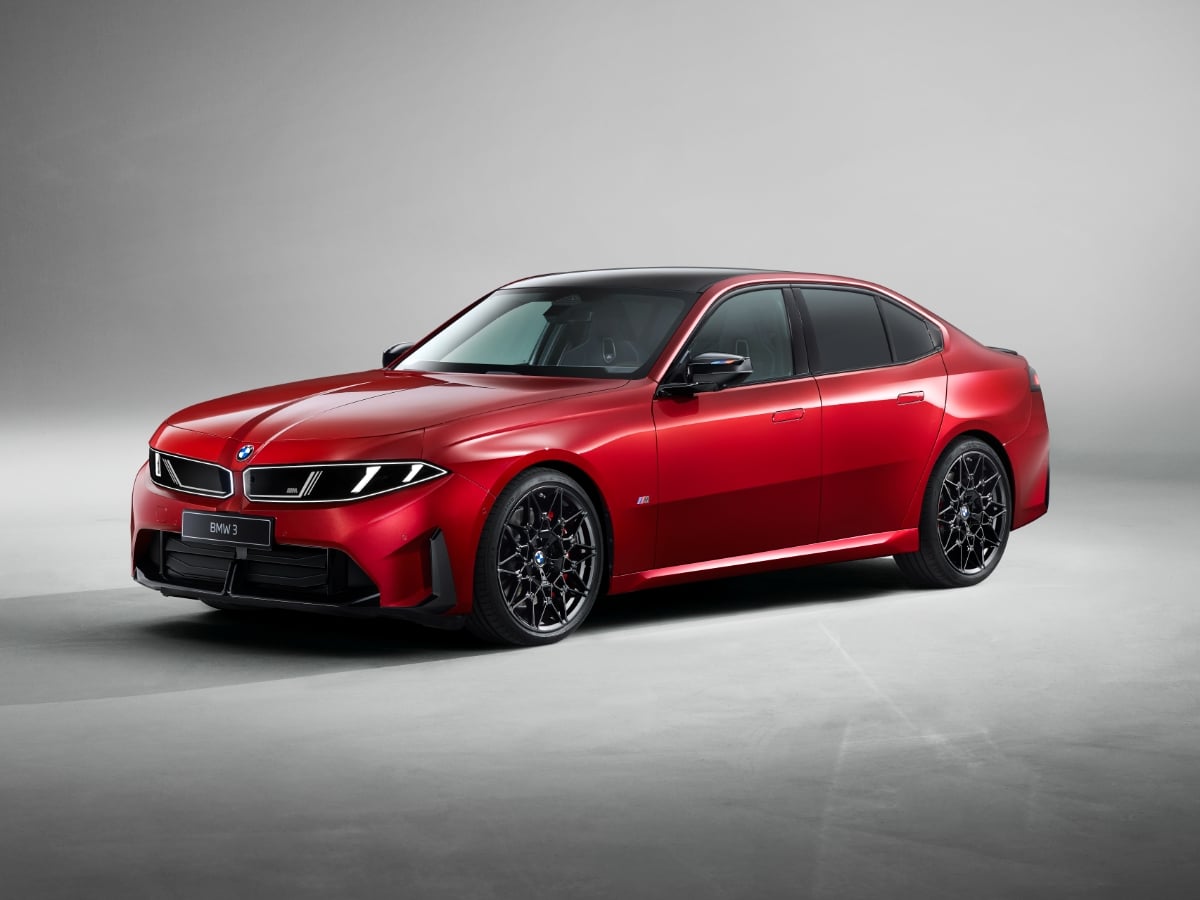
Part of BMW’s Neue Klasse (new class) rollout of redesigned models, the 2027 BMW 3 Series is all-new and goes on sale in the first quarter of 2027.
Read the Full Article