
The North American Charging Standard (NACS), also known as the Tesla charging standard or the Tesla Supercharger network, is an electric vehicle (EV) charging connector system developed by Tesla. It has been the charging method for all Tesla vehicles in the United States and Canada since 2012. With its vast network of charging stations, Tesla will soon make NACS widely available for adoption by other manufacturers, many of which will equip their North American EVs with the NACS charge port or provide a NACS adapter starting as early as the end of 2024.

The NACS standard can support both AC charging and DC fast charging. It uses a 5-pin layout. When using AC power, the NACS system can deliver up to 80 amps at 277 volts. With DC fast charging, NACS can provide up to 500 amps at up to 500 volts. However, the more common NACS configuration in residential setups provides up to 48 amps of current at 240 volts.
The NACS connector has a single button located on the top center of the handle. When you depress the switch, the connector emits a UHF signal. When the connector locks, the signal commands the vehicle to retract the latch holding the connector in place. When the connector isn't locked, the signal commands the nearby vehicle to open the door covering the inlet.
Aside from NACS, other charging standards for high-power DC charging of electric vehicles include:
The NACS specifies several safety mechanisms to protect the end-user, such as preventing the amount of heat generated during charging. NACS and CCS use the same communications protocol between the EV and the charging station. This allows the vehicle and charging station to agree on charging parameters and ensure a safe charge.
There are currently almost 2,000 Tesla Supercharger stations with over 17,000 chargers in the United States. This includes both Tesla's destination chargers and locations where Tesla has partnered with other companies. The charging network is vast but is on the brink of expanding due to a more industry-wide push for charger availability.
In July 2023, seven major global automakers—BMW Group, GM, Honda, Hyundai, Kia, Mercedes-Benz, and Stellantis NV—announced plans to create an unprecedented new charging network joint venture that will significantly expand access to high-powered charging in North America. The partnership aims to install at least 30,000 high-powered charge points in urban and highway locations. Charging stations will be accessible to all EV customers, offering CCS and NACS connectors. The first stations are scheduled to open in the summer of 2024.
In May 2023, Ford Motor Company became the first large automaker to announce that it would use NACS with its EVs. Starting in 2025, new Ford electric vehicles will have native NACS charge ports, and prior electric Ford models will be able to connect to NACS chargers using a NACS-to-CCS1 adapter. Since then, other automakers, including Audi, Fisker, GM, Mazda, Polestar, Porsche, Rivian, Scout Motors, Subaru, Toyota, Volkswagen, and Volvo—have announced plans to equip their EVs sold in the North American market with NACS charge ports from the factory starting in 2025.
The North American Charging Standard provides an opportunity to enhance EV ownership by making charging simpler and more available to Tesla and non-Tesla EV drivers alike.
Jessica Shea Choksey is an experienced writer in the automotive field. In addition to JDPower.com, she was a correspondent for PBS's MotorWeek. Her work has also appeared in AutoTrader.


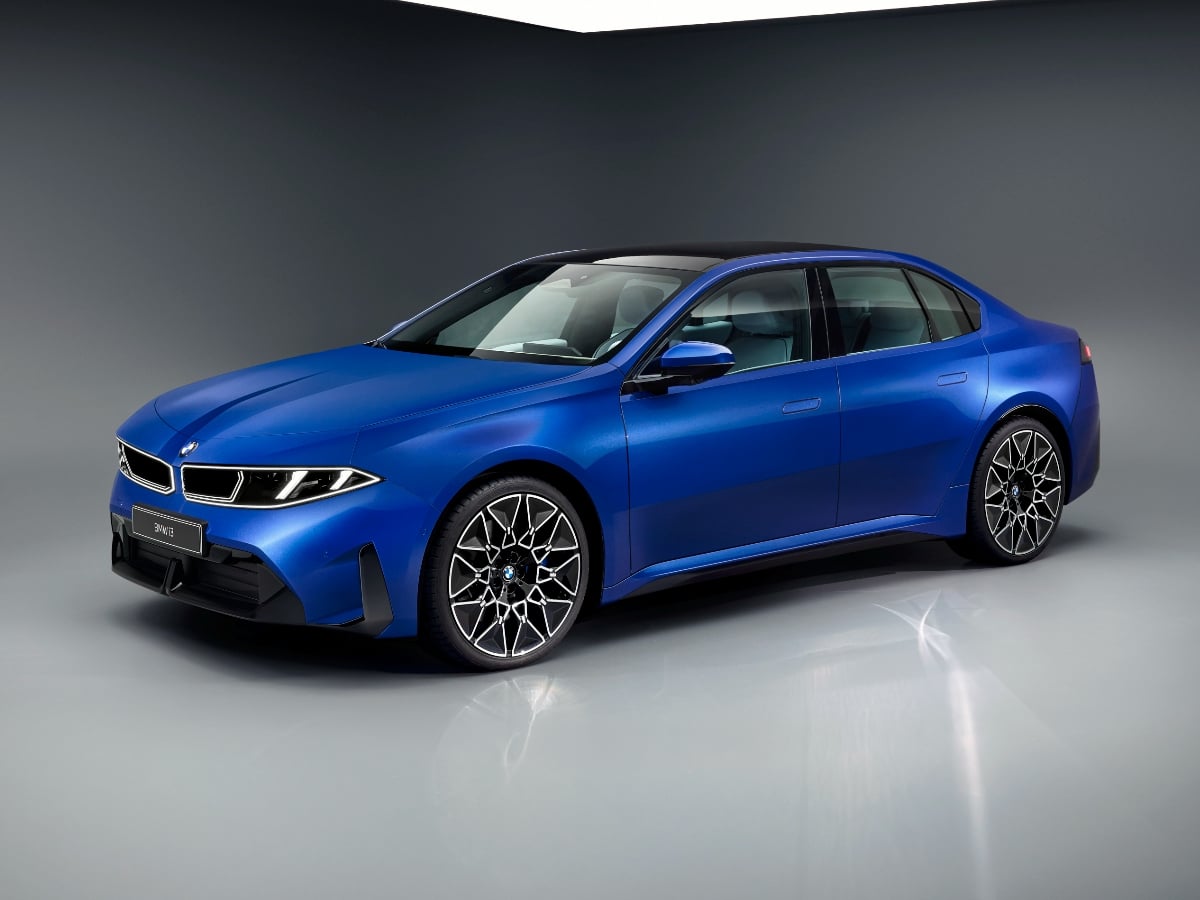
The new 2027 BMW i3 boasts an estimated range of up to 440 miles, 400-kilowatt DC fast charging capability, bidirectional charging to a home or the grid, and next-generation technology.
Read the Full Article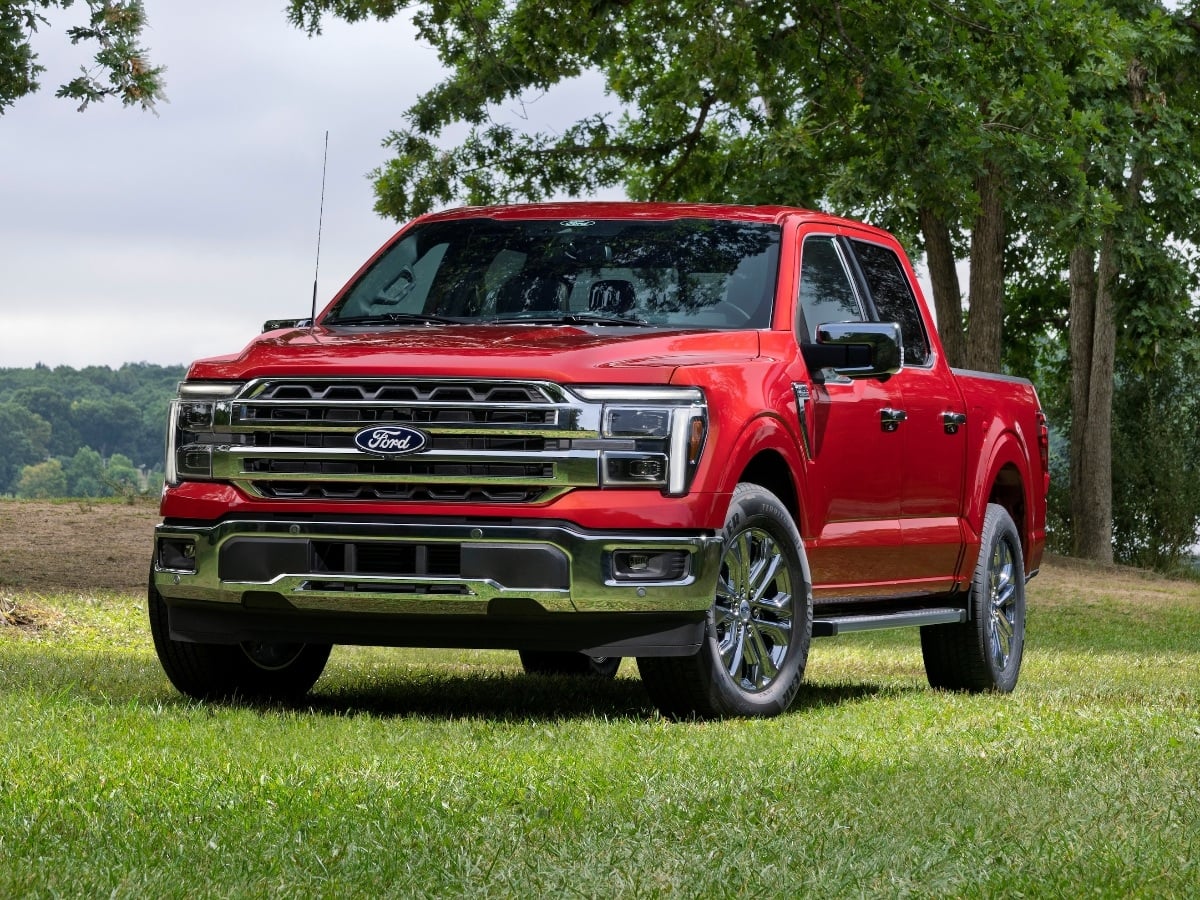
Facing renewed competition in the full-size, light duty pickup truck segment, the 2027 Ford F-150 receives subtle styling updates, a new standard engine, broader availability of its 5.0-liter V8, and ...See More
Read the Full Article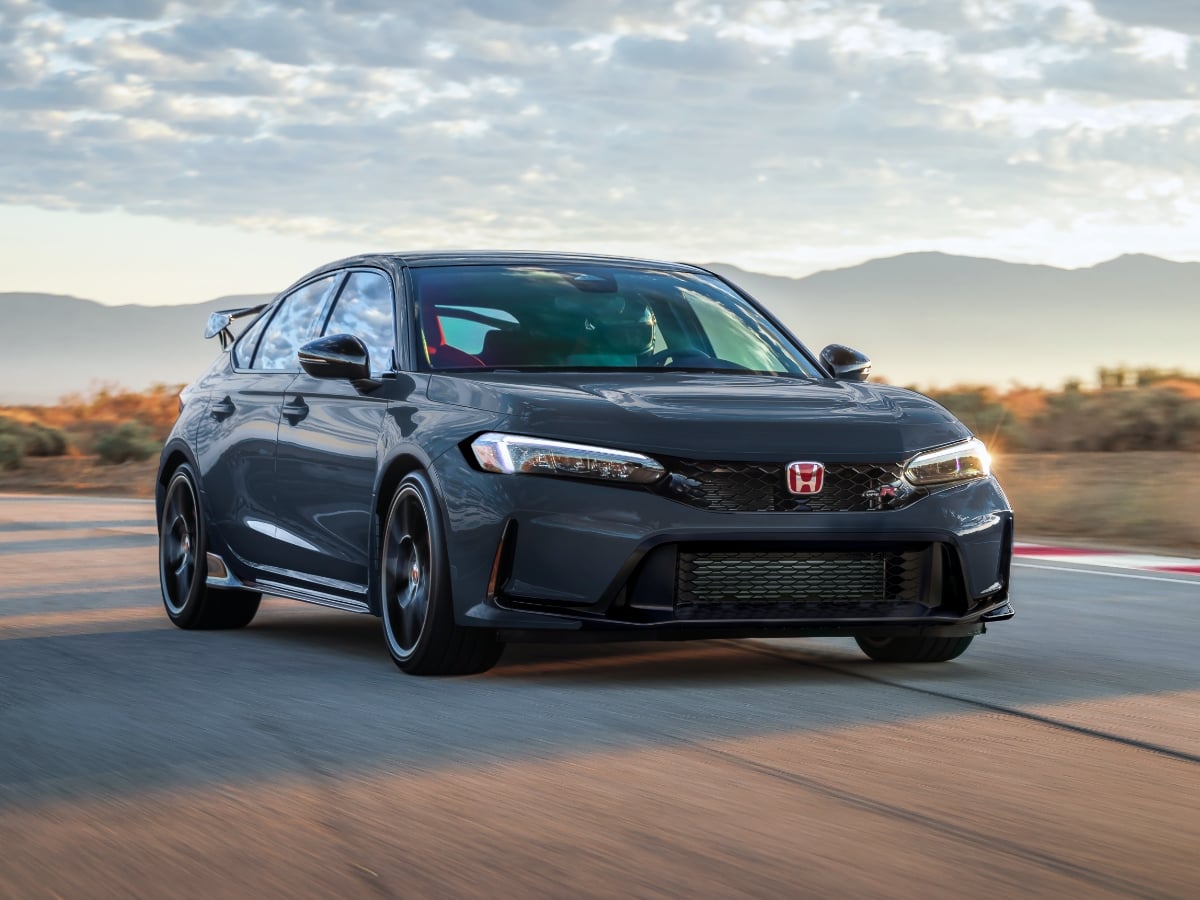
The 2027 Civic Type R goes on sale in October 2026, and it starts at $49,990, including the $1,295 destination charge.
Read the Full Article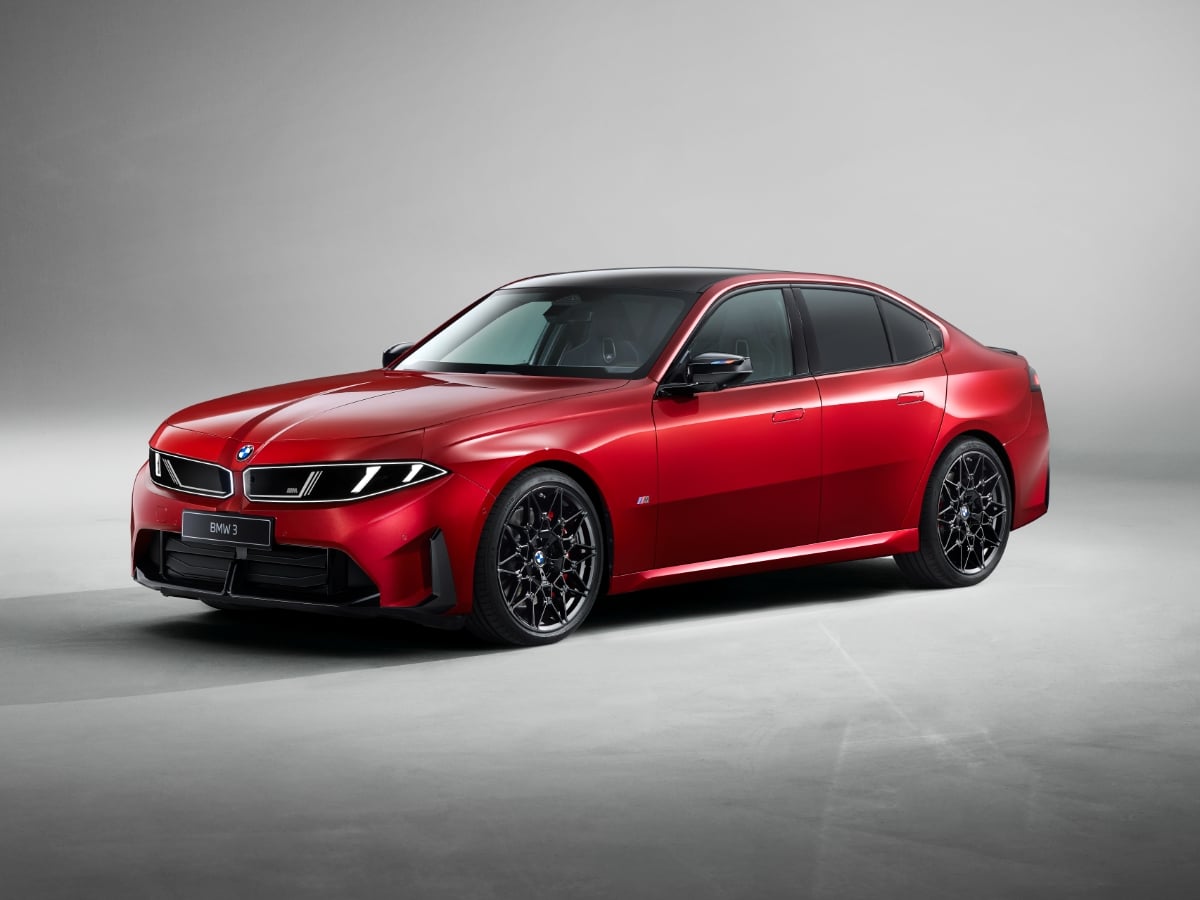
Part of BMW’s Neue Klasse (new class) rollout of redesigned models, the 2027 BMW 3 Series is all-new and goes on sale in the first quarter of 2027.
Read the Full Article