
There are multiple methods that automakers utilize to make hybrid and battery-electric vehicles (BEVs, more commonly referred to as EVs) as efficient as possible. One is improving their overall aerodynamics so that they cut through the air with ease. Another is to keep tire rolling resistance to a minimum by mounting up specially engineered tire compounds. But one of the most common methods for improving vehicle efficiency is utilizing regenerative braking, also known as regen.

But what is regenerative braking? To put it plainly, it’s a way to recapture the energy lost while slowing the vehicle down, whether by coasting or applying the brakes. While opinions differ about the way it affects the driving experience, one thing is for sure: It’s an effective way to reduce a hybrid or EV’s overall carbon footprint.
Regenerative braking is the act of regenerating power while braking. The basic concept is the opposite of how an electric motor functions. While the electric motor drives the wheels while accelerating, the wheels spin the electric motor to generate electricity while decelerating. In essence, reversing the flow of electrons and sending them back into the battery.
The shift in inertia under braking creates heat. Every conventional braking system does this; when a brake caliper clamps down on a brake disc, the friction between the two surfaces is what slows the vehicle down, creating heat along the way.
Regenerative braking takes that braking force to spin the electric motor and turns it into a kind of generator.
Regenerative braking comes in different forms:
The stronger the braking force, the more energy is recovered. The same goes for the amount of resistance applied when the driver lifts off the throttle; this is often referred to as one-pedal driving.
One-pedal driving (OPD) refers to when the driver only uses the throttle pedal while steering an EV or hybrid. The amount of resistance when the driver lifts the throttle is very similar to that of pressing down on the brake; thus, they are driving with just one pedal.
Automakers have designed and engineered cars to have different levels of OPD, from barely any resistance to a very substantial amount. The more resistance, the more charging will happen, which extends the vehicle’s range.
Driving a car with regenerative braking does take some getting used to. OPD can feel weird for a while, and some simply do not like it. It makes driving smoothly—meaning, without harsh brake inputs—a little harder to perform for some folks. That’s because the sudden shift in longitudinal G force (between acceleration, coasting, and braking) is very sudden, and requires a more conscious driver to smoothly facilitate.
Not only that, but it may cause passengers or even other motorists to be confused by the on/off-switch-feeling experience.
It’s important that consumers learn the upsides and downsides of regenerative braking to make a more informed decision before purchasing a hybrid car or EV. The biggest benefit of regen is it extends the number of miles a car can drive between charges.
Mild-hybrid electric vehicles (MHEV) and plug-in hybrid electric vehicles (PHEV) have smaller batteries than BEVs, so it takes less regenerative braking to recuperate charge back to 100 percent. That means the battery may be able to last through normal, everyday driving around town without having to plug in to a charger.
Regenerative braking also allows for more efficient braking. Because the regen system is aiding in slowing the car down, it's causing less heat and wear in the car’s conventional braking system, maintaining an effective temperature for when it’s put into use. Not only that, but using the motor to slow the car down means using the conventional braking system less, thus extending its service life and requiring fewer replacements over the life of the vehicle.
When it comes to performance-oriented driving, the Hyundai IONIQ 5 N is a high-performance EV that takes advantage of regen to extend the amount of time it can drive around on a race track, such as driving at a track day (also commonly called a high-performance driving event). Additionally, factoring regen into one’s braking on track makes for smoother braking and throttle inputs, which is the best way to maximize the tires’ grip and set a faster lap time.
Regenerative braking does not recuperate the exact amount of energy used to get the vehicle moving. For example, the amount of energy used to accelerate to 30 mph and then braking back to zero is not recuperated in its entirety through regenerative braking.
Instead, it’s an effective way to utilize what’s already engineered into the car, making the distance traveled in between plugging into a charger noticeably greater. Not only that, it reduces wear on the vehicle’s conventional braking system, thus extending its service life—this translates to less brake replacements and more money saved.
Some may not like the on/off-switch-feeling experience of OPS, but luckily, manufacturers offer different levels of regen to suit drivers’ individual driving habits. Regen is passive and easy to acclimate to, but above all, it extends the range of a hybrid car or EV, which improves overall passenger vehicle emissions to help us achieve a greener, more emission-free planet.


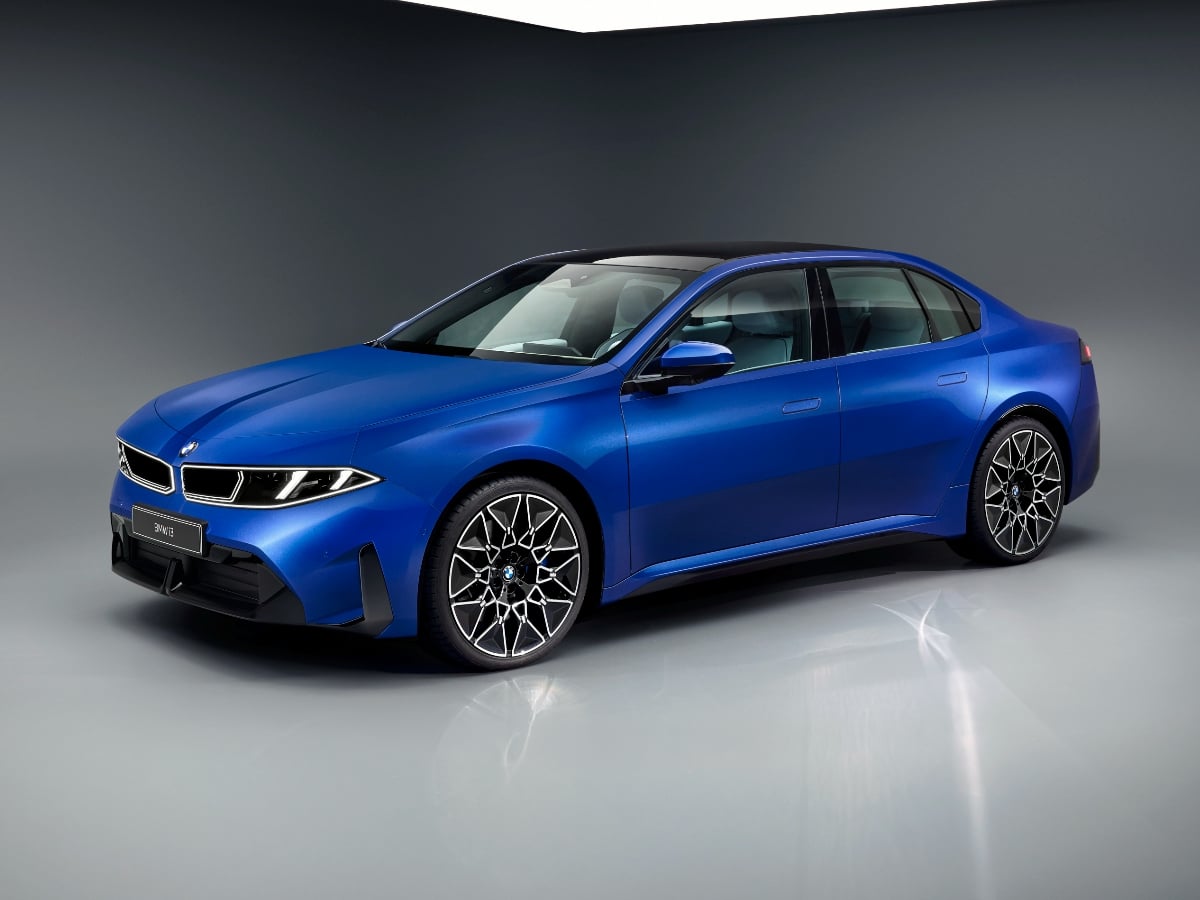
The new 2027 BMW i3 boasts an estimated range of up to 440 miles, 400-kilowatt DC fast charging capability, bidirectional charging to a home or the grid, and next-generation technology.
Read the Full Article
Facing renewed competition in the full-size, light duty pickup truck segment, the 2027 Ford F-150 receives subtle styling updates, a new standard engine, broader availability of its 5.0-liter V8, and ...See More
Read the Full Article
The 2027 Civic Type R goes on sale in October 2026, and it starts at $49,990, including the $1,295 destination charge.
Read the Full Article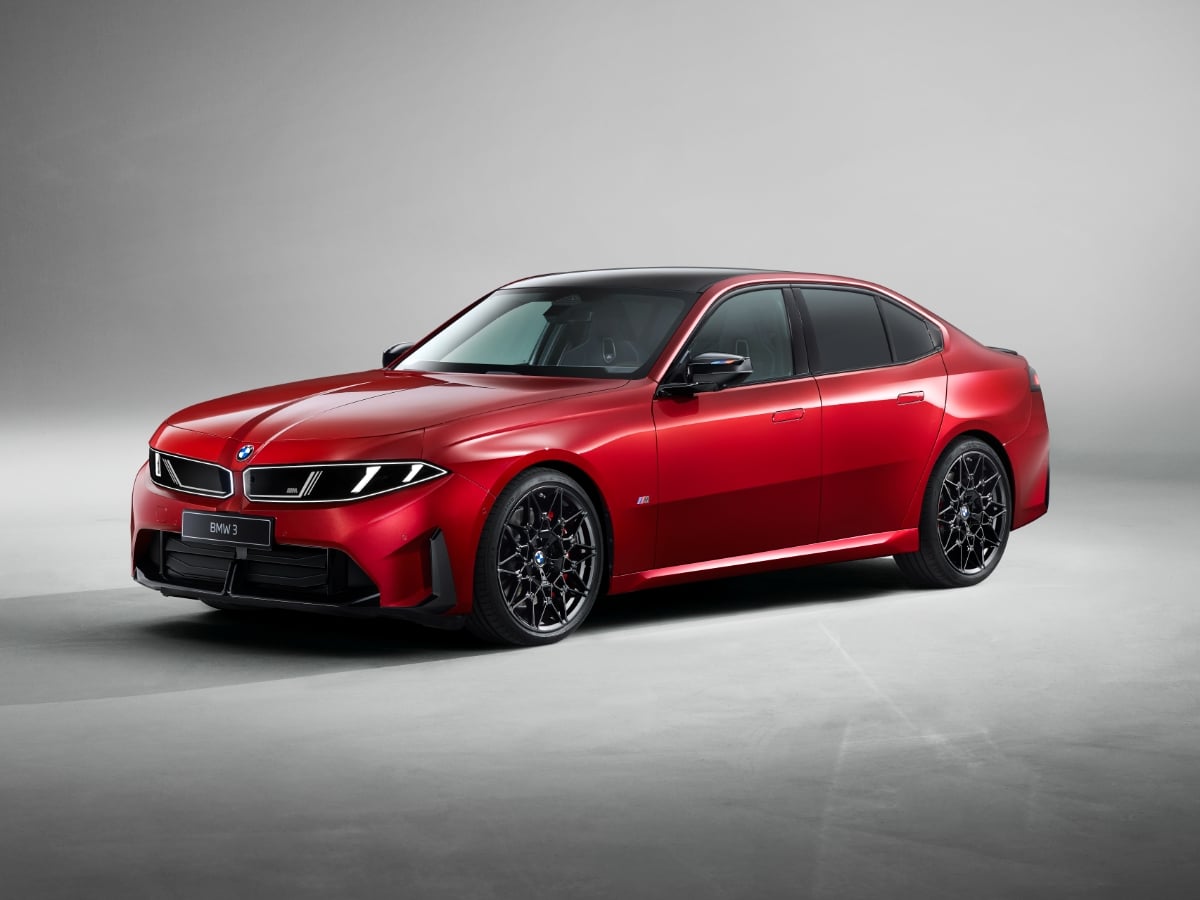
Part of BMW’s Neue Klasse (new class) rollout of redesigned models, the 2027 BMW 3 Series is all-new and goes on sale in the first quarter of 2027.
Read the Full Article