
Over the past 15 years, Bluetooth technology has become a staple of the in-car experience, making connectivity between driver and mobile device a reality. This wireless communication tool has effectively and seamlessly changed the way we drive, promoting safety and convenience in everyday motoring.
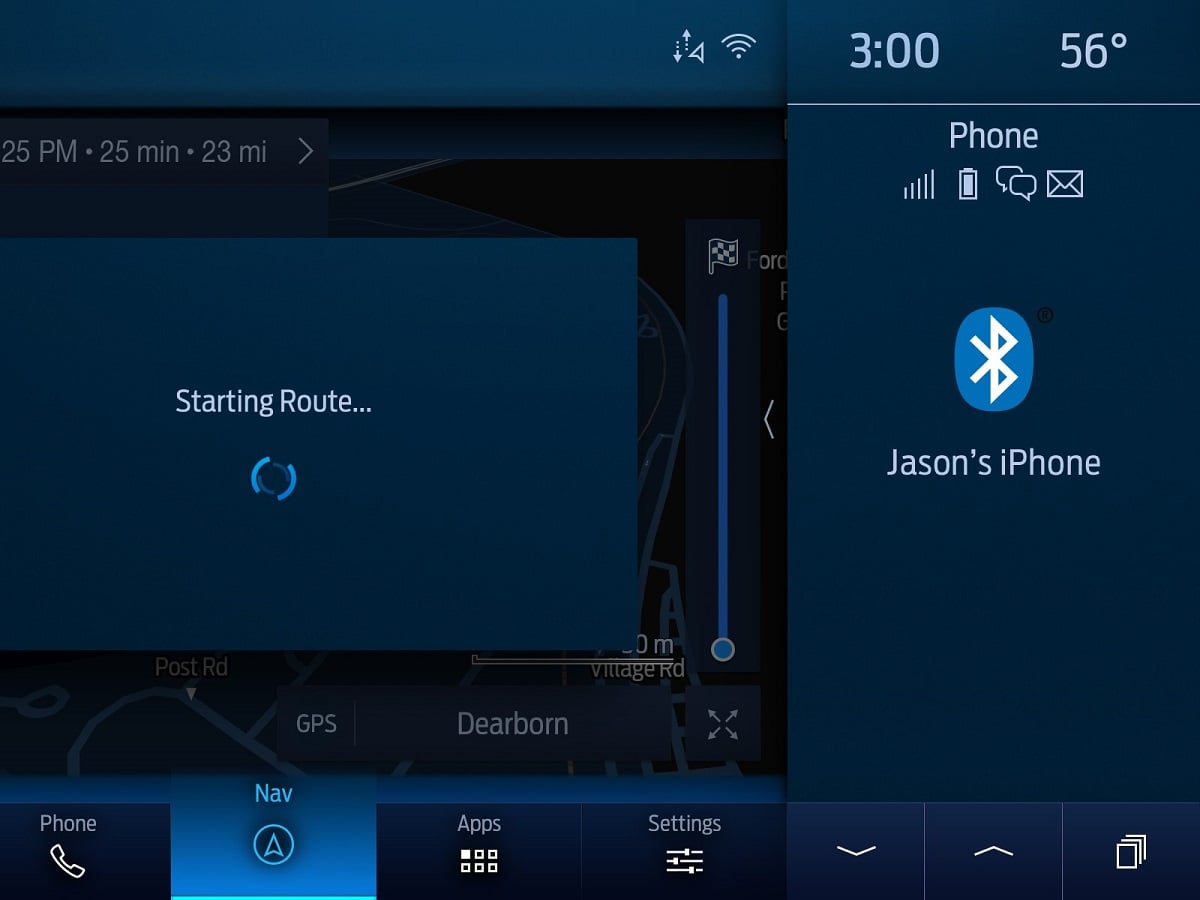
The name "Bluetooth" has roots back to Scandinavian history. It refers to a 10th-century Danish king, Harald "Bluetooth" Gormsson, who united Denmark and Norway into a single kingdom. His ability to unify two things into one became the namesake of this modern innovation.
Invented in the 1990s and initially developed for personal area networks, Bluetooth is wireless communication technology that enables devices to connect and exchange data over short distances, generally under 30 feet. It has since found its way into various applications, the most significant being automotive infotainment systems.
As such, Bluetooth allows drivers and passengers to connect—or unify—their smartphones and tablets with their vehicle's head unit. This two-way tethering facilitates hands-free calling, audio streaming, technology assistance, and access to navigation, among other functions and apps.
Bluetooth uses radio waves in the 2.4 GHz frequency range, enabling devices to communicate without wires. When you “pair” a mobile device with a vehicle's Bluetooth, the two devices establish a secure connection.
The pairing process involves first taking steps for the vehicle and the mobile device to recognize one another. It begins with a Discovery Mode, allowing the car to search nearby Bluetooth-enabled devices.
Next, the driver or passenger selects their device from the list of available options, often confirming a code to ensure security. Once paired, the device and car can communicate, allowing for features like phone calls and media playback.
You can often initiate pairing through voice commands or touchscreen controls, making it user-friendly. For safety reasons, many vehicles will not allow the pairing process while the vehicle is moving.
Bluetooth technology allows for a range of features and capabilities while driving without the need for manual input:
Bluetooth integration in vehicles offers numerous benefits:
Despite its apparent advantages, Bluetooth technology has some potential challenges:
Bluetooth makes it easier and safer for drivers to stay connected to their mobile devices while on the road. Promoting connectivity and convenience, this technology enhances the driving experience for those who choose to use it.
To learn more about various automotive technologies, visit the Shopping Guides section of the website.
Jessica Shea Choksey is an experienced writer in the automotive field. In addition to JDPower.com, she was a correspondent for PBS's MotorWeek, and her work has appeared on Autotrader.


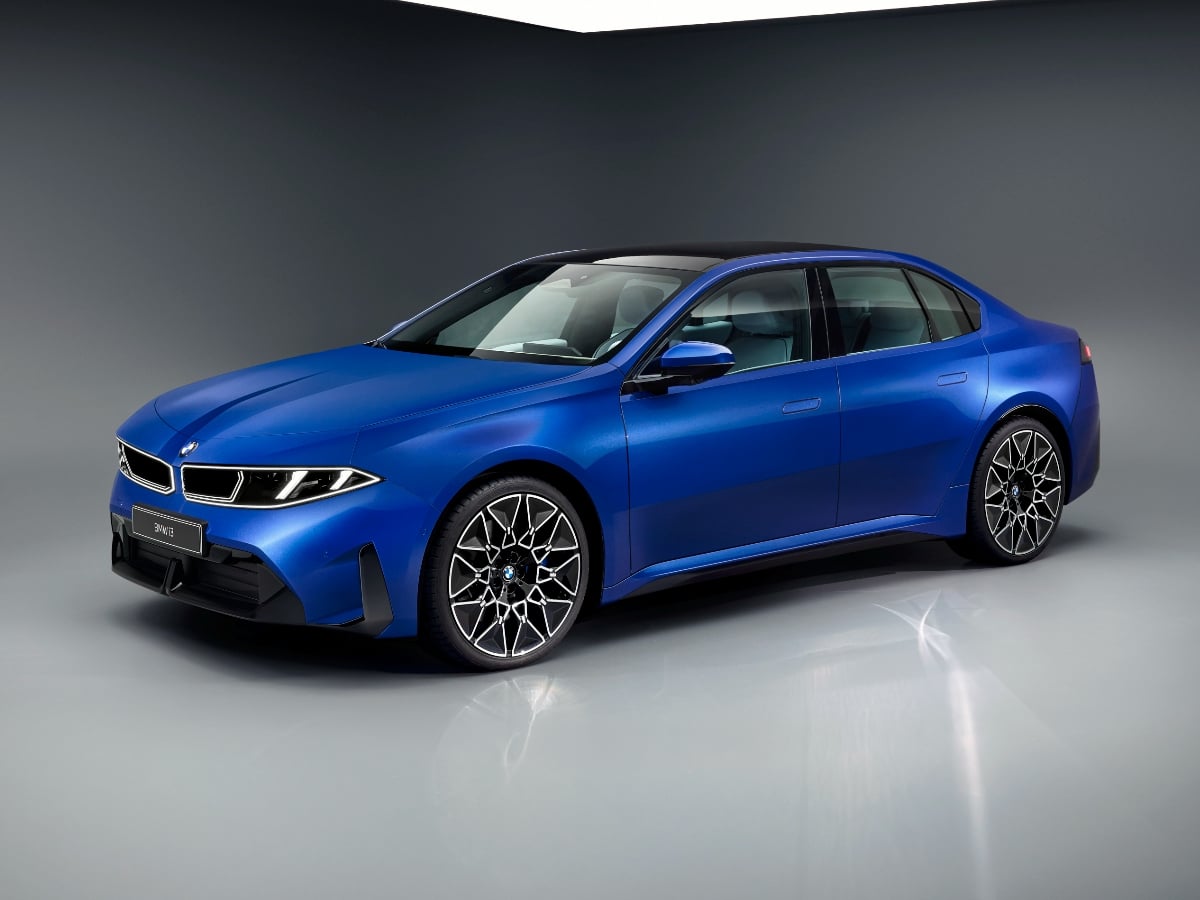
The new 2027 BMW i3 boasts an estimated range of up to 440 miles, 400-kilowatt DC fast charging capability, bidirectional charging to a home or the grid, and next-generation technology.
Read the Full Article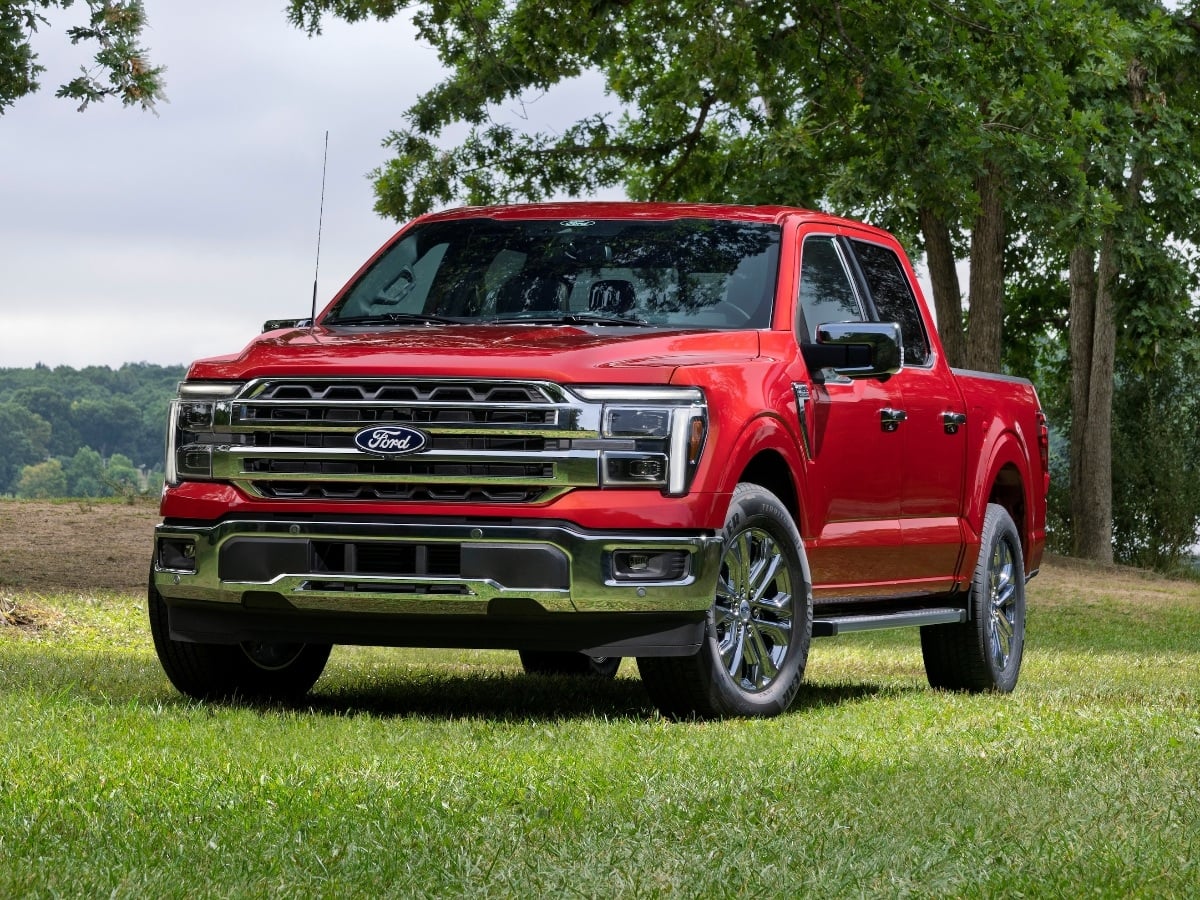
Facing renewed competition in the full-size, light duty pickup truck segment, the 2027 Ford F-150 receives subtle styling updates, a new standard engine, broader availability of its 5.0-liter V8, and ...See More
Read the Full Article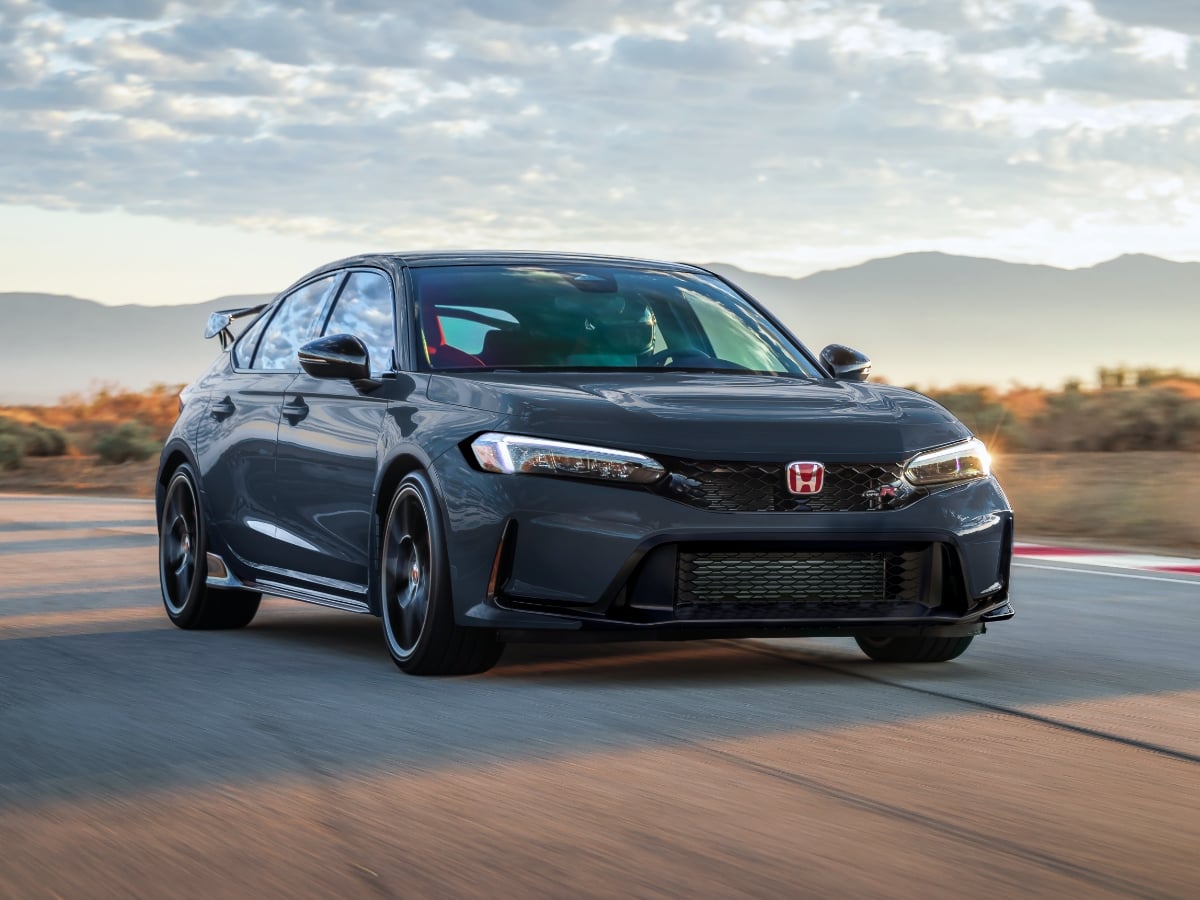
The 2027 Civic Type R goes on sale in October 2026, and it starts at $49,990, including the $1,295 destination charge.
Read the Full Article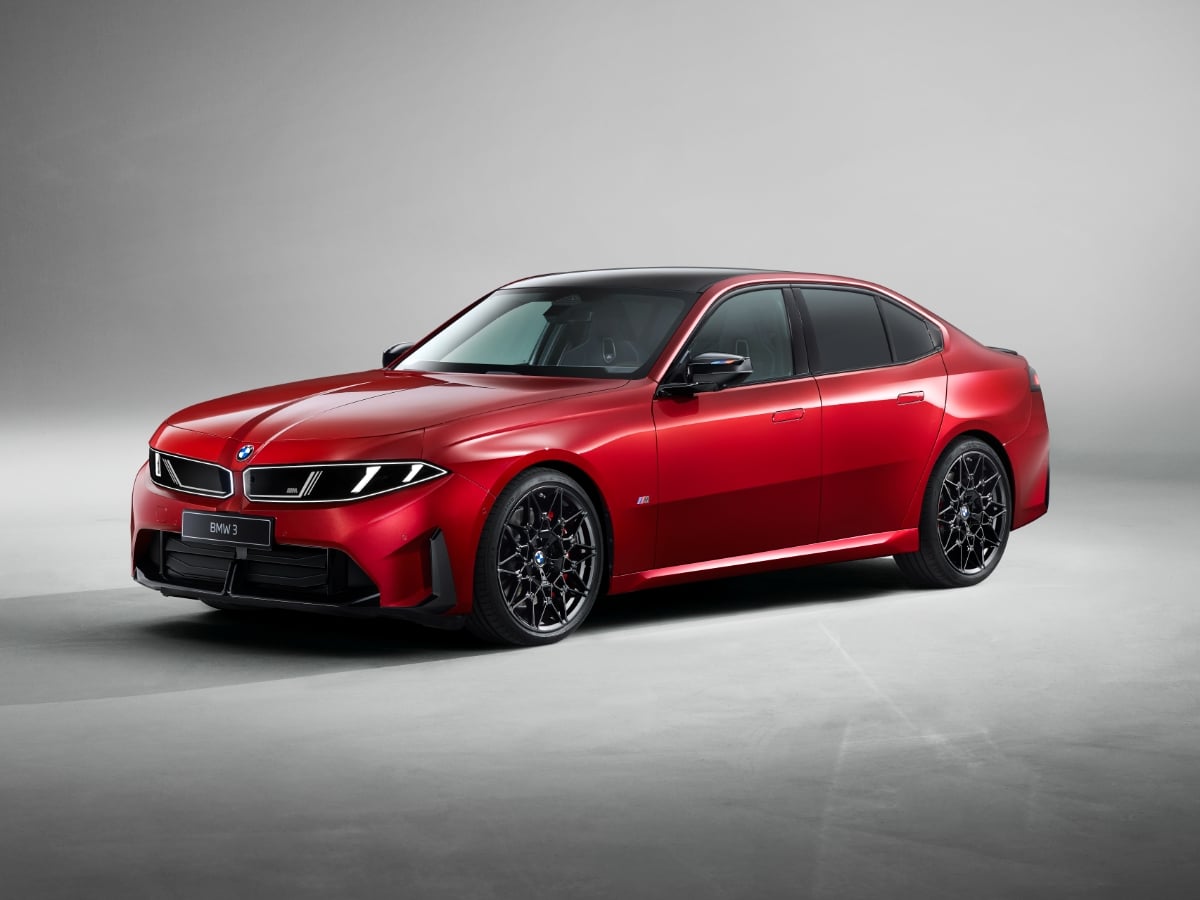
Part of BMW’s Neue Klasse (new class) rollout of redesigned models, the 2027 BMW 3 Series is all-new and goes on sale in the first quarter of 2027.
Read the Full Article