


Page Sections

EV & Hybrid Tools & Resources
Other Resources


Electric Vehicle Learning Center
Your resource for electric vehicle research and shopping. Learn how EVs work, how they compare to gas and hybrid options, and what to expect from ownership, all in one place designed to help you make confident, informed decisions.

The world is going electric, driven by advances in technology, efficiency, and sustainability.
Whether you have already made the jump to an EV or are thinking about the possibility of getting one, we’re here to provide all the information you need to make educated decisions into the future. From media coverage to helpful ownership tools to onsite shopping, this is your one-stop EV research destination.
EV information can vary based on location and car model. Simplify your research process by using our EV tools and resources to get the most relevant results.
Electric Vehicle Tools & Resources
-

EV Incentives
& BenefitsTake advantage of programs to make your EV purchase more affordable.
-

EV Savings Calculator
Find EV charging stations and relevant station information.
-

EV Route Planner
Check to see how many public chargers are available on your destination.
-

EV & Hybrid Range Map
Check to see how many public chargers are available around your destination.
-

EV Charging Stations
Check to see public chargers located in and around a selected area.
Where {{ sections[currentIndex].key === 'gas' ? 'gas' : (sections[currentIndex].key === 'hybrid' ? 'hybrids' : (sections[currentIndex].key === 'phev' ? 'plug-in hybrids' : 'EVS')) }} sit in the powertrain lineup.
Discover the differences across Gas, Hybrid, Plug-In Hybrid, and All-Electric. Switch tabs or drag the slider to reveal your selected information.
{{ currentSection.powertrainTitle }}
{{ currentSection.oneLiner }}
{{ spec.title }}
{{ line }}
{{ block.heading }}
{{ block.body }}
- {{ it }}
Top Rated {{ group.segment }} {{ currentSection.headingName }} Vehicles: View More
Real-World Savings
Hybrid vehicles typically achieve 25–40 % better fuel economy than comparable gas-only models. Many drivers save $400 – $700 per year on fuel costs and visit the gas station less often, thanks to regenerative braking and electric assist that reduce engine load in stop-and-go driving.

Gasoline (ICE)
Simple, familiar, and affordable—quick refueling, long range, and lots of choices, with near-universal service support.



hybrid (HEV)
Want better MPG without changing your routine? Hybrids blend electric assist with a gas engine for smooth, quiet starts and fewer fuel stops. No charging required—just drive and save at the pump.

Plug-in hybrid (PHEV)
Drive most days on electricity, keep gas for weekend getaways. Charge at home overnight for quiet, torquey EV miles, then seamlessly switch to hybrid power for longer trips—no range anxiety, all flexibility.
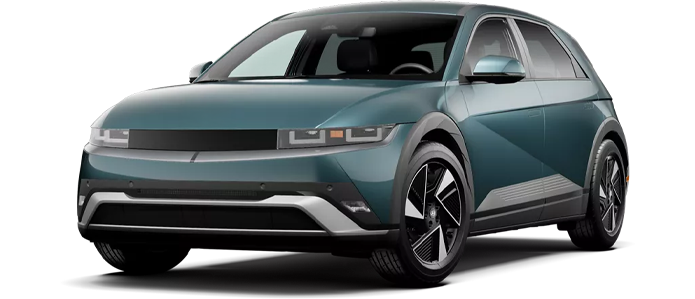
Electric Vehicle (EV)
Skip gas stations. Enjoy instant torque, quiet rides, and low routine maintenance—charge at home and go farther confidently.
Common Questions & Answers

EV ownership experience
Feel confident that you're asking the right questions and selecting the right EV for you.
- A fully electric vehicle, also known as an EV, runs solely on electricity and has no internal combustion engine. A hybrid electric vehicle, on the other hand, combines a traditional internal combustion engine with an electric motor and battery, allowing it to switch between the two power sources.
- There are some special considerations for winter driving with an electric vehicle, such as the impact of cold temperatures on battery range and the need for proper tire maintenance. Cold temperatures can reduce the range of an electric vehicle by up to 30%, so it is important to plan your trips accordingly. Additionally, it is important to ensure that your tires are properly inflated and have adequate tread depth to ensure safe driving in winter conditions.
- In remote locations, there may be limited charging options and it's important to plan ahead and make sure there are charging stations available. It's also important to have a backup plan in case the charging station is out of service or unavailable.
- In an apartment or condo, you may need to pay an additional fee for use of the charging stations on the property or you may need to get permission from the building management to install a charging station. Make sure that you have the necessary electrical capacity to charge the vehicle before purchase.
- Yes, there are special considerations for insuring an electric vehicle. Some insurance companies may offer specialized coverage for electric vehicles, and it's important to make sure that your policy covers the specific risks associated with electric vehicles, such as the cost of repairs to the battery and charging system. Additionally, you should make sure that the policy covers the full replacement cost of the vehicle in case of a total loss.
- If your electric vehicle runs out of charge while driving, it will come to a stop. It's important to plan ahead and make sure that you have enough charge to reach your destination. If you do run out of charge, you will need to call for a tow truck to take your vehicle to a charging station.
- The range of an electric vehicle is typically less than that of a gasoline-powered car. The range of an electric vehicle is measured in miles per charge, while the range of a gasoline-powered car is measured in miles per gallon. On average, the range of an electric vehicle is around 150 to 250 miles per charge, while the range of a gasoline-powered car is around 300 to 400 miles per tank of gas.
Benefits of an EV over gas power
A sporty ride with instant torque and zero emissions. Learn more about the benefits of EVs.
- Yes, many governments offer financial incentives and tax credits to encourage the purchase of electric vehicles. These incentives can include things like rebates, tax credits, and access to carpool lanes.
- Yes, electric vehicles produce no tailpipe emissions and have a lower overall environmental impact than gasoline-powered cars. Additionally, the electricity used to power electric vehicles can come from renewable sources, further reducing their environmental impact.
- Yes, there are various tax credits and incentives available for electric vehicle buyers, depending on the location and the type of vehicle. In the United States, for example, the federal government offers a tax credit of up to $7,500 for the purchase of a new electric vehicle. Additionally, some states and local governments also offer additional incentives, such as rebates and exemptions from sales tax.
- The driving experience of an electric vehicle is generally considered to be smoother and quieter than that of a gasoline-powered car. Electric vehicles have instant torque and accelerate quickly, resulting in a more responsive and enjoyable driving experience. Additionally, electric vehicles produce zero emissions, which can result in a cleaner and more pleasant driving experience.
- The cost of ownership for an electric vehicle can vary depending on several factors, such as the make and model of the vehicle, the cost of electricity in the area, and the cost of maintenance. However, overall, the cost of ownership for an electric vehicle is generally lower than that of a gasoline-powered car. This is due to the fact that electric vehicles have fewer moving parts and require less maintenance, as well as the fact that electricity is generally cheaper than gasoline.
- The acceleration and performance of an electric vehicle can be better than that of a gasoline-powered car. Electric vehicles have instant torque, which means that they can accelerate quickly, providing a more responsive and enjoyable driving experience. Additionally, most electric vehicles have a single-speed transmission, which provides smooth and seamless acceleration.

Myths Busted
The anxiety of being stranded during a road trip? We bust this myth and other EV rumors.
- The upfront cost of an electric vehicle can be higher than a traditional gasoline-powered car, but the total cost of ownership over time can be less. Electric vehicles require less maintenance and have lower fuel costs, which can offset the higher purchase price.
- Yes, many electric vehicles have a range of over 200 miles per charge, making them suitable for long-distance travel. Additionally, an extensive network of public charging stations is being developed, making it easier to charge on the go.
- Yes, electric vehicles are just as safe as gasoline-powered cars.
- Electric vehicle batteries are designed to last for many years and have a lifespan of around 8-10 years. Many manufacturers also offer warranties on their batteries, which can last up to 8 years.
- The range of an electric vehicle refers to the maximum distance it can travel on a single charge. This can vary depending on the make and model of the vehicle, as well as factors such as driving style and weather conditions. Most fully electric vehicles on the market today have a range of around 100-300 miles per charge.
- In very cold temperatures, the battery's range may be reduced, and in very hot temperatures, it's important to keep the battery cool and avoid overcharging. It's also important to use a charger that's been tested and certified for use in extreme temperatures.
- Some electric vehicles have a towing capacity and can be used for towing small loads. However, it is essential to check the vehicle's specifications and ensure that it can handle the weight of the load you plan to tow.
Charging Your EV
Before jumping into the driver's seat of an EV, let's review some of the charging basics.
- Answer: The time it takes to charge an electric vehicle can vary depending on the type of charger being used. A home charger can take anywhere from 4-8 hours to fully charge an electric vehicle, while a public fast charger can charge a vehicle up to 80% in around 30 minutes.
- You can charge your electric vehicle at home using a home charger, which can be installed in your garage or driveway. This type of charger is typically slower than public charging stations but is more convenient for overnight charging.
- A Level 2 charger is a type of electric vehicle charging station that uses a higher voltage and amperage than a Level 1 charger, allowing for faster charging times. A Level 2 charger can typically charge an electric vehicle in 4-6 hours, while a Level 1 charger can take up to 12 hours.
- The availability of home charging equipment varies depending on location and the type of equipment. Many electric vehicle manufacturers offer home charging equipment, and it can also be purchased from third-party suppliers. Additionally, some utilities offer rebates and incentives for customers who install home charging equipment.
- Yes, you can charge your electric vehicle at a public charging station. Public charging stations are widely available in most urban areas, and their numbers are increasing in suburban and rural areas as well. Public charging stations can be found in parking garages, shopping centers, and other public places. Some public charging stations require a membership or payment, while others are free to use.
- The cost of electricity for charging an electric vehicle varies depending on the location and the cost of electricity in that area. On average, it costs around $0.13 to $0.15 per kilowatt-hour to charge an electric vehicle. This means that it costs around $5 to $10 to fully charge an electric vehicle, depending on the size of the battery and the cost of electricity in your area.
- Yes, it is possible to charge your electric vehicle using solar power. This can be done by installing a solar panel system on your property, which can be connected to your electric vehicle's charging system. This can provide a sustainable and cost-effective way to charge your electric vehicle.

News & Articles
-
new car preview
With sleek new styling and seating for up to seven passengers, the all-new 2027 Toyota Highlander arrives as the brand's first battery-electric vehicle (EV) built in America.
-
new car preview
Merging advanced technology, electric propulsion, increased space, and a luxury aesthetic, the all-new 2027 Mercedes-Benz GLB promises several strides forward in the compact luxury SUV segment when it hits the market in late 2026.
-
new car preview
German automaker Porsche has announced its most powerful vehicle to date, and it is not a sports car.
-
new car preview
When you look at the selection of electric vehicles (EVs) on sale in the United States, most of them are SUVs, and most of those are crossovers without much off-roading capability.
-
new car preview
With a starting price below $30,000, including the destination charge, the 2027 Chevrolet Bolt will be among the most affordable electric vehicles (EVs) on the market when it debuts in early 2026.
-
new car preview
The all-electric Polestar brand has a new flagship. The 2026 Polestar 5 is a sleek, high-powered sedan that will sit atop a lineup that currently consists of SUVs.
Load More
Interested in Commercial EVs?
Explore Commercial Electric Vehicle (CEV) tools and information at Comvoy.com
