
A smartphone is more than just a communication device; it's a GPS navigator, music library, podcast player, and even a mobile office. As our reliance on these devices and their apps grows, so does the need to keep them charged throughout the day, especially when traveling during daily commutes or weekend trips.

Wireless smartphone charging in a car offers a clutter-free and straightforward way to keep devices charged while on the go, simply by placing the phone on a conveniently located charging pad. It’s no surprise that so many automakers are now offering this technology.
Wireless car phone charging uses a technology called inductive charging. It works by transferring energy between two coils—one in the car charging pad and the other in the phone—through an electromagnetic field.
When you place a compatible phone on the charging pad, the car's transmitter coil creates an oscillating magnetic field. This field induces an electric current in the receiver coil inside the phone. That current is then converted into direct current (DC) power and used to recharge the phone's battery. Most in-car systems are integrated into the center console, dashboard tray, or armrest compartment.
The phone and the car both need to support the same wireless charging standard—most commonly the Qi (pronounced "chee") standard, developed by the Wireless Power Consortium. We will cover Qi in more detail below.
Wireless vehicle charging provides several practical benefits to enhance the car ownership experience:
Although it offers clear and tangible benefits, wireless charging in vehicles has some disadvantages.
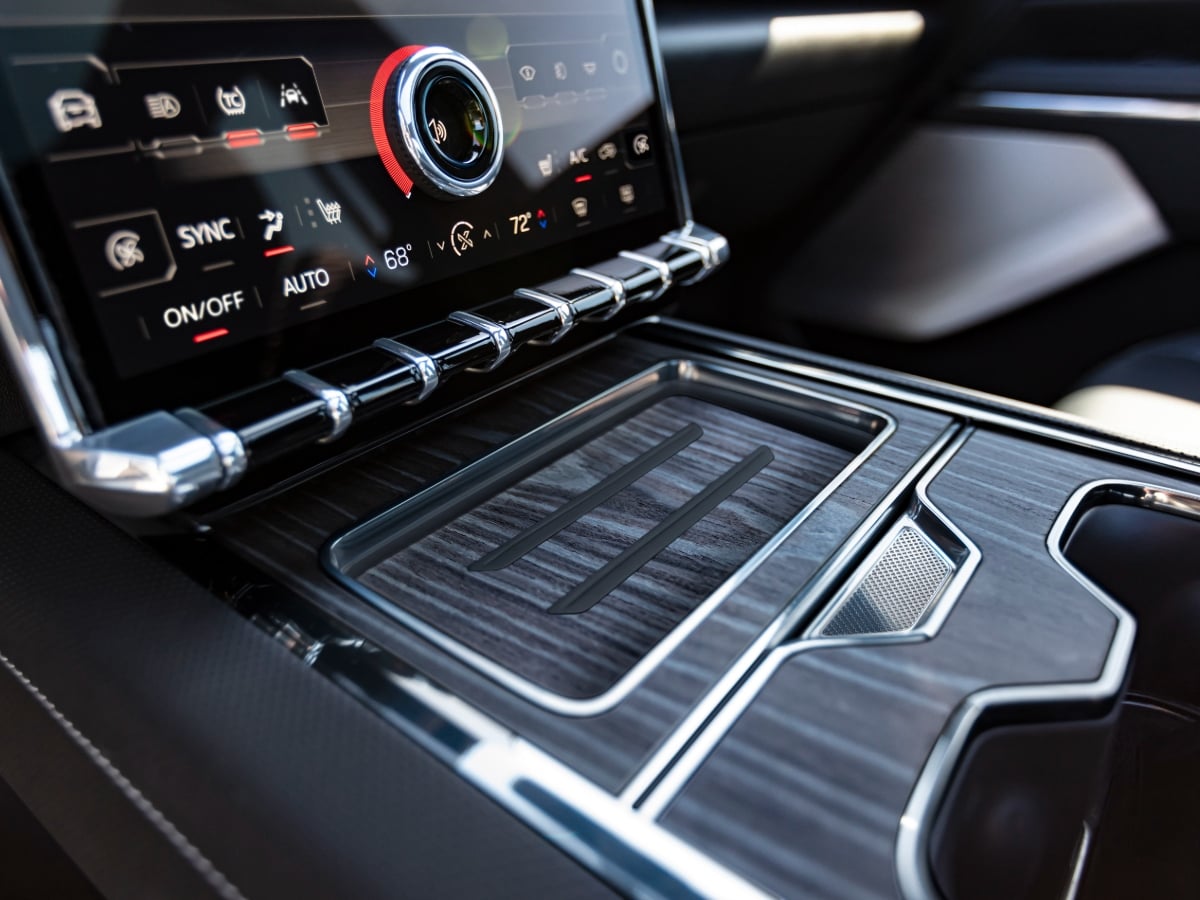
Qi is the most widely supported wireless charging standard used by major companies, including Apple, Samsung, Google, and most car manufacturers. It provides global connectivity between devices and chargers, so you can charge your phone on any Qi-compatible pad, whether in your car, on your desk, or your nightstand.
The technology continues to improve with new releases that offer higher power ratings, enhanced heat dissipation, and faster charging speeds. Qi2—the latest upcoming update—could further enhance efficiency and consumer convenience in cars.
Wireless charging is not limited to motor vehicles. It's being used in other settings increasingly, including:
These widespread applications demonstrate the increasing acceptance and value of wireless charging as a mainstream technology.
The future of wireless charging looks promising, especially for cars. Reasons include:
Inductive smartphone charging in a vehicle is a user-friendly, convenient feature that supports our lives on the go. The use of inductive technology, standardized via the Qi protocol, enables drivers to charge their phones without cords or mess.
As more vehicles and devices adopt wireless charging, the idea of a freer driving experience is quickly becoming a reality. For drivers seeking ease, comfort, and a cleaner cockpit, wireless charging is no longer a luxury—it's rapidly becoming the norm.
To learn more about various automotive technologies, visit the Shopping Guides section of the website.
Jessica Shea Choksey is an experienced writer in the automotive field. In addition to JDPower.com, she was a correspondent for PBS's MotorWeek, and her work has appeared on Autotrader.


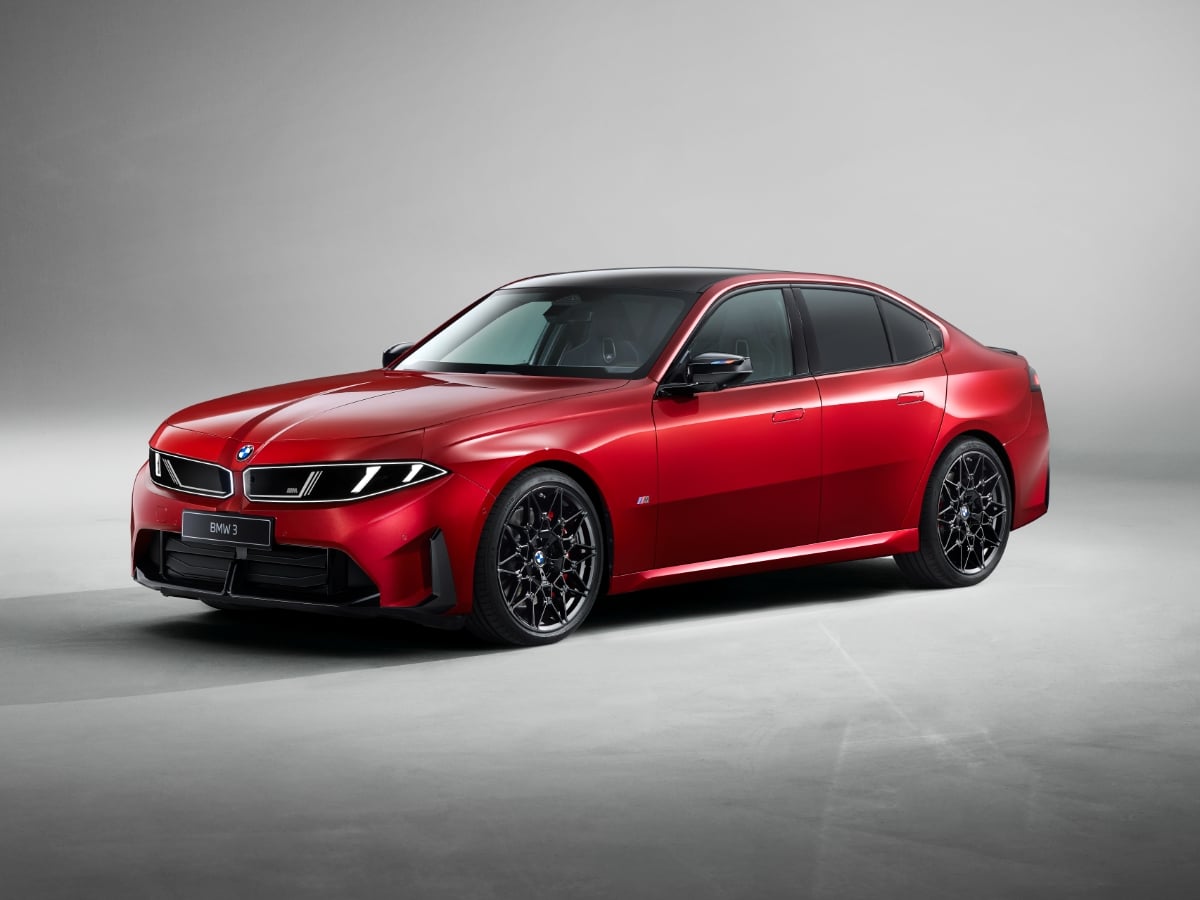
Part of BMW’s Neue Klasse (new class) rollout of redesigned models, the 2027 BMW 3 Series is all-new and goes on sale in the first quarter of 2027.
Read the Full Article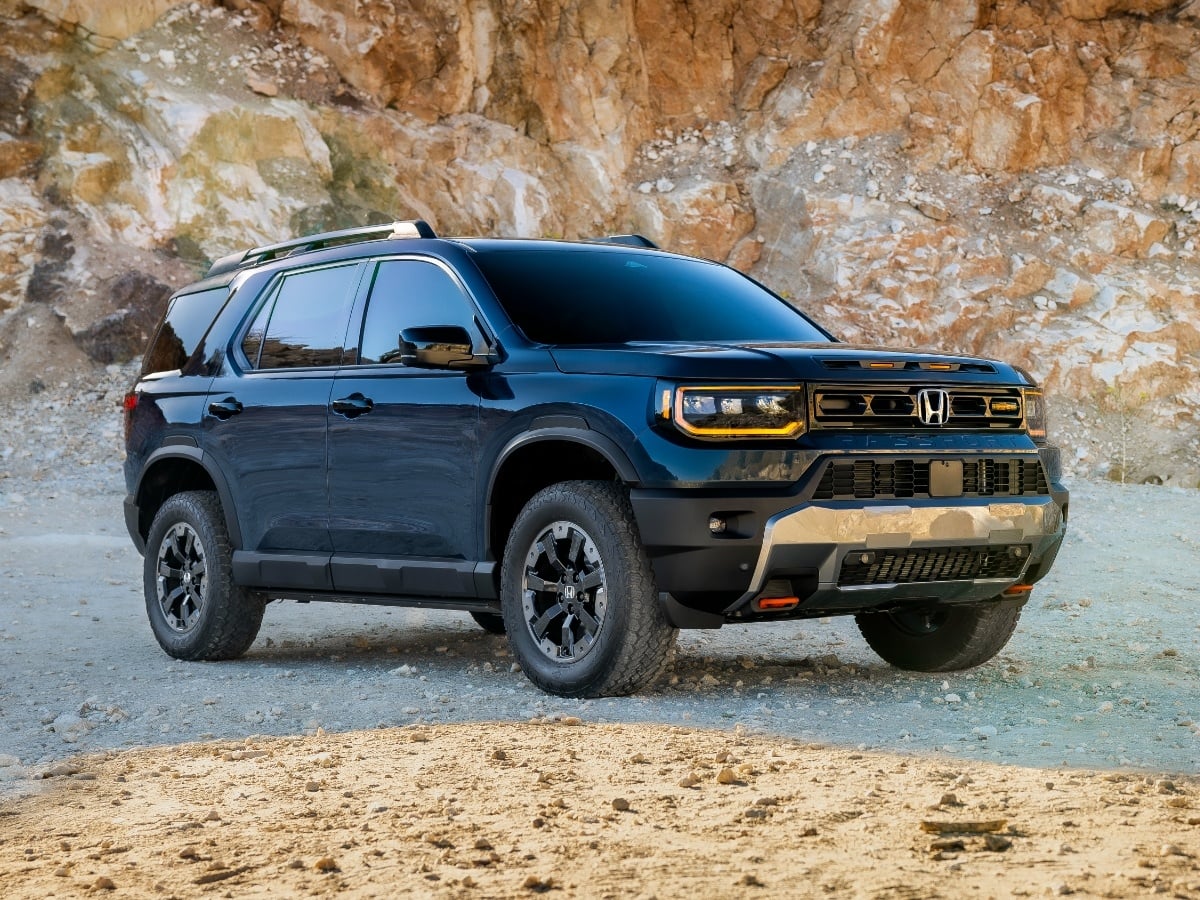
Updates to the 2027 Honda Passport TrailSport include a reworked suspension, improved steering, subtle styling enhancements, and added standard equipment.
Read the Full Article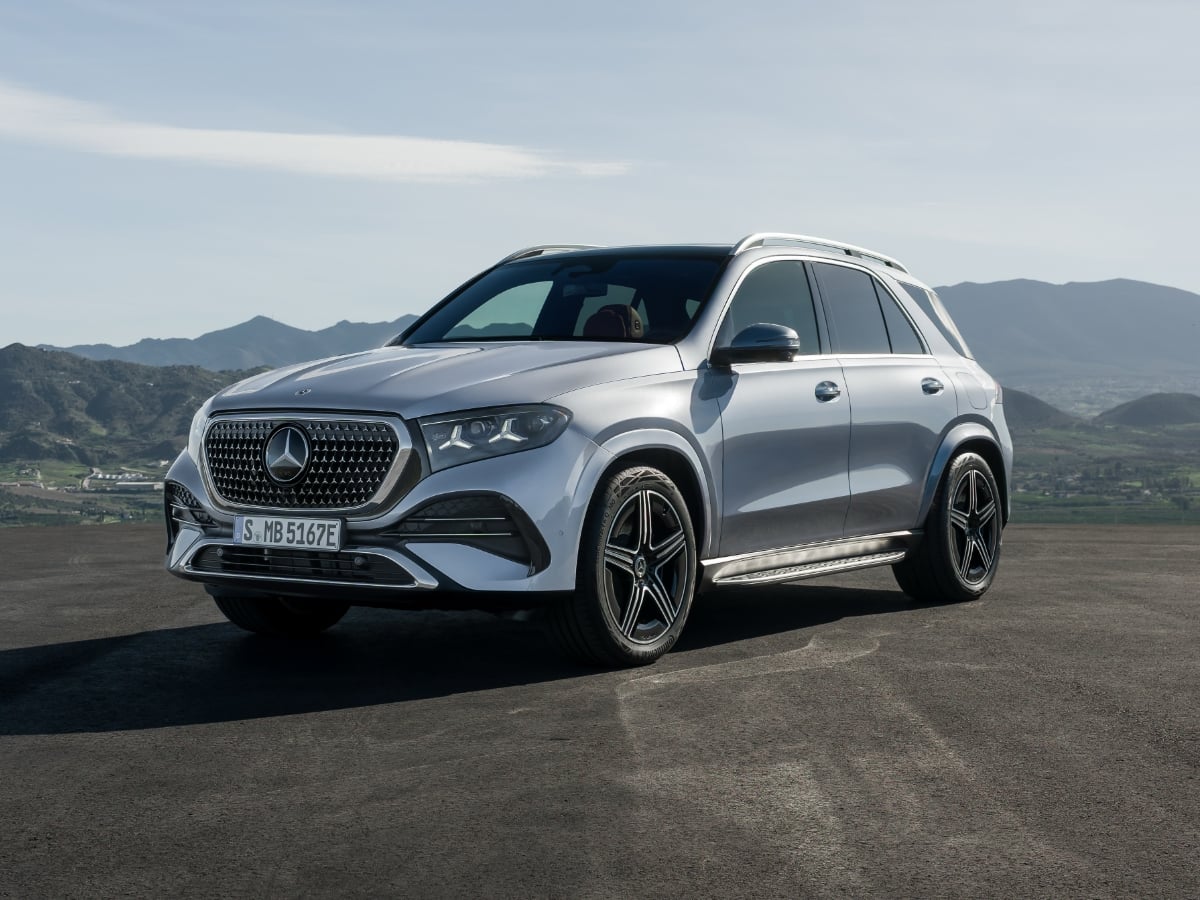
The midsize 2027 Mercedes GLE remains available in original and spicy Coupe recipes, now with standard 4Matic all-wheel drive (AWD), MBUX Superscreen technology, and a panoramic glass sunroof for ...See More
Read the Full Article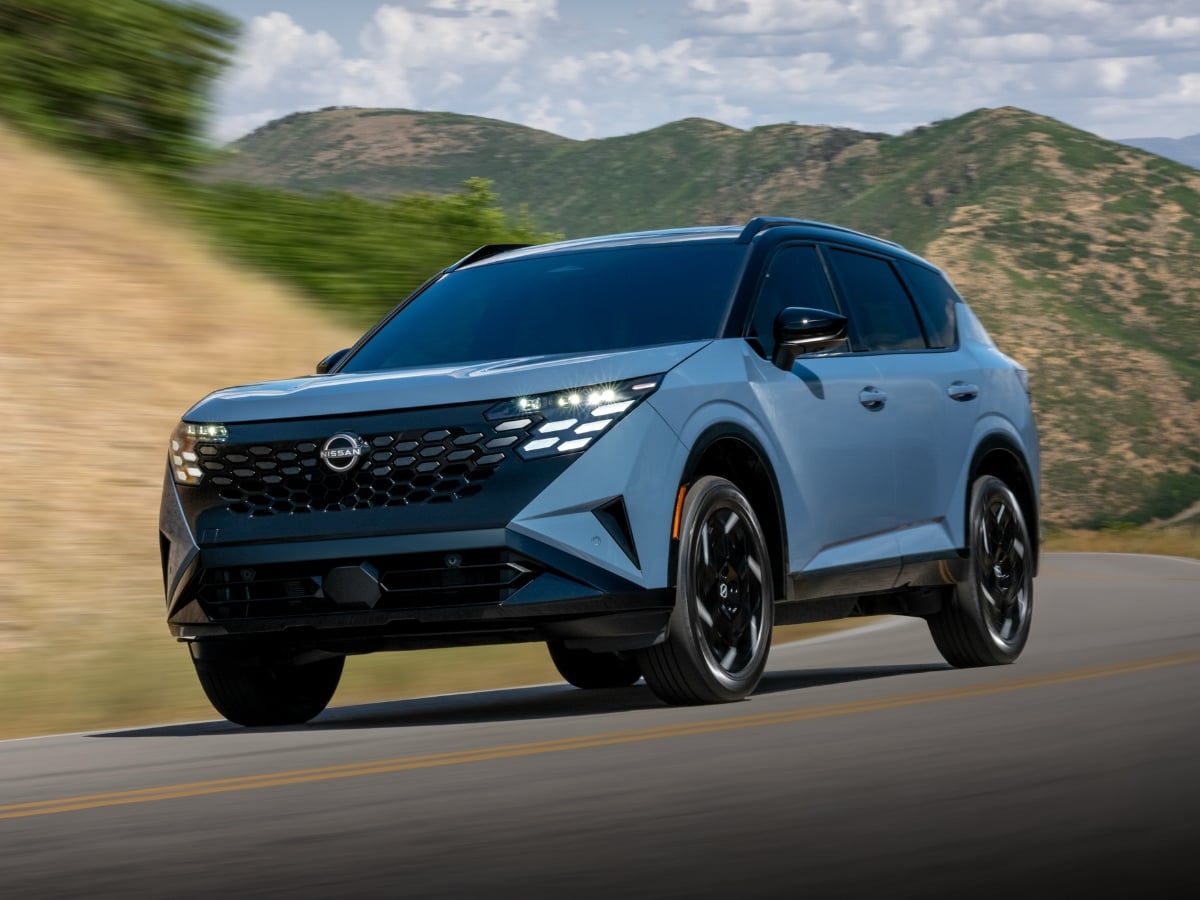
Nissan is about to introduce an innovative new SUV. The 2027 Nissan Rogue Hybrid has a gasoline engine, but it does not power the wheels. Instead, electric motors at each axle provide propulsion, ...See More
Read the Full Article