
Toyota sold a vehicle called the C-HR once before. Now, the nameplate returns in the form of the 2026 Toyota C-HR, a stylish compact electric crossover SUV perfect for daily driving.

The 2026 C-HR joins Toyota’s growing portfolio of electric vehicles (EVs) as an entry-level model sold alongside the automaker’s existing bZ and new-for-2026 bZ Woodland EVs. Thanks to its distinctive coupe-like profile, it is decidedly different from the bZ variants.
Every C-HR has a standard dual-motor, all-wheel-drive (AWD) electric drivetrain. When it goes on sale in 2026, it will be available in sporty SE and XSE trim levels, and Toyota will set prices closer to the EV’s arrival in dealership showrooms.

With its coupe-inspired silhouette and aggressive stance, the 2026 Toyota C-HR leans into style without sacrificing utility. Sharp creases, flowing body lines, and a wide, planted look help it stand out in the crowded electric crossover SUV segment.
Toyota’s signature Hammerhead design theme gives the C-HR a futuristic appearance in front, while a full-width light bar adds visual drama to the rear. The C-HR has rear doors, but Toyota hides the handles to preserve the EV’s sporty appearance and youthful identity, which help set it apart from conventional SUVs and its bZ-badged siblings in Toyota’s EV lineup.
Riding on 18-inch or 20-inch wheels, the C-HR also offers bold new colors like Tandoori and Overcast, and two-tone options are available. Functional design touches like standard low-profile roof rails and a power liftgate add everyday practicality to its sporty shape.

In recent years, Toyota has made great strides to upgrade its cabins by adding better technology and higher-quality materials, and that trend continues in the 2026 C-HR.
It has a clean and modern layout with a blend of physical and digital controls for the climate and audio systems. A standard 14-inch touchscreen infotainment display sits in the center of the dashboard, complemented by a digital instrumentation display positioned above the steering wheel at the base of the windshield. Dual wireless smartphone chargers are also standard.
With SE trim, the seats feature fabric upholstery with SofTex bolsters. SofTex is Toyota’s artificial leather. Upgrade to the XSE, and you get SofTex with synthetic suede trim. Ambient lighting and an available panoramic roof enhance the cabin atmosphere, and rear passengers get USB ports and separate climate controls.
Behind the back seat, the C-HR offers 25.4 cubic feet of cargo space. A 60/40 split-folding rear seat expands on that to make the most of the C-HR’s compact footprint.
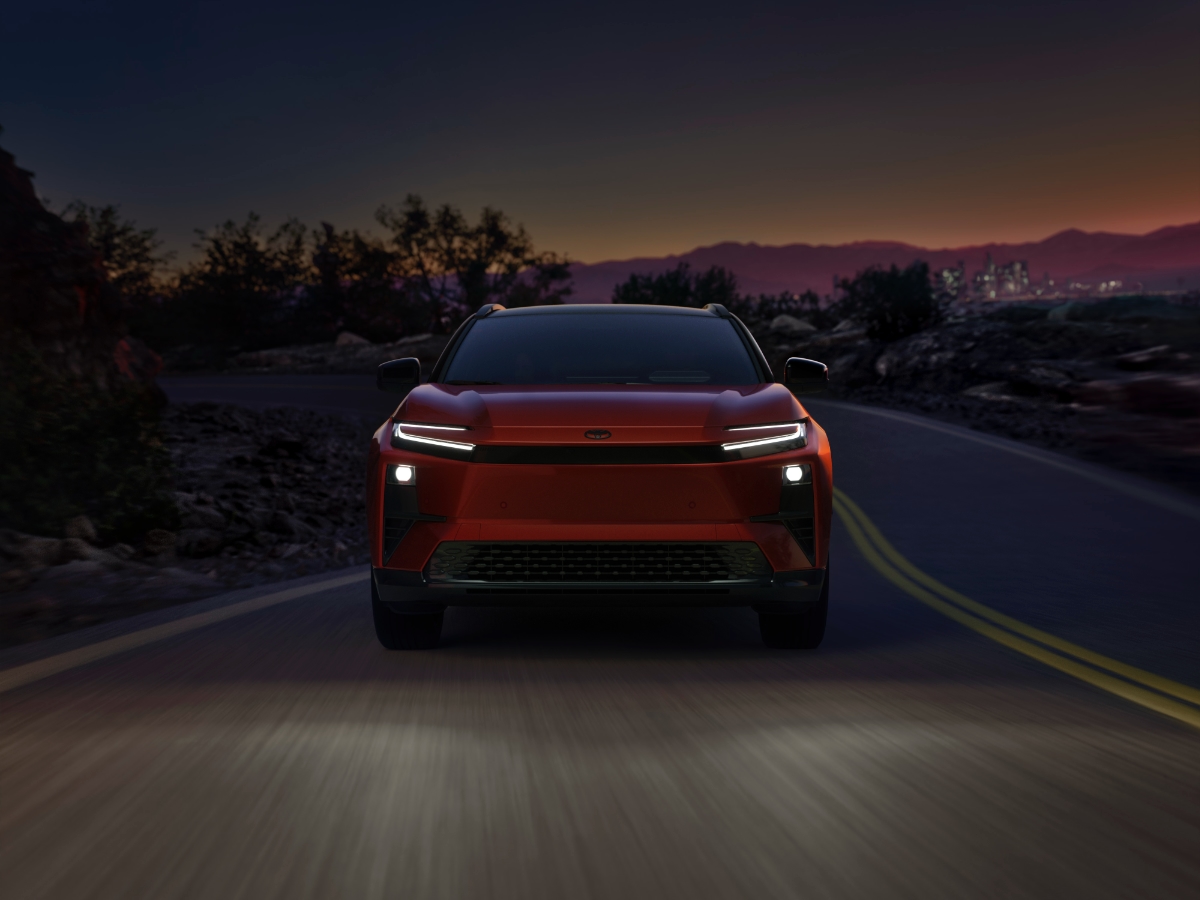
Built on Toyota’s e-TNGA electric platform, the new C-HR employs two electric motors, one each at the front and rear axles, to create an AWD system. They produce a combined 338 horsepower, and Toyota quotes a 0-to-60-mph acceleration time of around 5.0 seconds.
A 74.7-kilowatt-hour (kWh) lithium-ion battery is standard, and Toyota estimates it will deliver 290 miles of range. Paddles mounted to the steering wheel allow the driver to activate and choose between four levels of regenerative braking to help preserve that range.
To make charging easier and more seamless, Toyota equips the C-HR with an 11-kilowatt (kW) on-board AC charger, Plug & Charge functionality, and a North American Charging Standard (NACS) port, which gives owners access to a growing fast charging network.
A battery pre-conditioning function is standard, which optimizes the battery temperature for rapid charging before you plug in. Toyota says that the C-HR can charge from 10% to 80% in around 30 minutes under ideal conditions.

Toyota’s latest infotainment and safety systems are also on board, including Toyota Safety Sense 3.0, a collection of advanced driver assistance systems (ADAS). Highlights include adaptive cruise control, lane centering assistance, and Proactive Driving Assist. The latter technology adds subtle steering and braking inputs to ensure safer driving, but if you’d rather not use it, you can turn it off.
Toyota also includes a five-year trial subscription to Safety Connect and Service Connect. These connected services go beyond basic alerts, offering 24-hour emergency assistance, automatic crash notification, stolen vehicle tracking, and real-time vehicle health reports. Remote Connect, complimentary for three years, allows drivers to lock or unlock the EV’s doors, pre-condition the cabin temperature, and monitor charging via their smartphone.
A 14-inch touchscreen running Toyota’s Audio Multimedia system is standard. It includes wireless Apple CarPlay, wireless Android Auto, and a three-year trial subscription to Drive Connect with a digital voice assistant, cloud-based navigation, and more. Wi-Fi Connect is also standard, including a trial subscription of 30 days or up to three gigabytes of data to a 4G Wi-Fi hotspot that supports up to five devices.
Available audio options include a standard six-speaker system or an upgraded nine-speaker JBL premium audio system with an 800-watt amplifier.
The 2026 Toyota C-HR enters a competitive field of entry-level electric crossovers aimed at urban drivers and first-time EV buyers. What sets the C-HR apart from rivals like the Chevrolet Equinox EV, Hyundai Kona Electric, and Kia Niro EV is its coupe-like design, standard all-wheel drive, and Toyota’s reputation for long-term reliability. With a compelling mix of performance, tech, and utility, the electric C-HR could appeal to drivers looking for a stylish EV that doesn’t sacrifice everyday functionality.
Toyota is the source of information in this article. It was accurate as of May 15, 2025, but it may have changed since that date. Always confirm product details and availability with the automaker’s website or your local dealership.
Zac Johnson is a lifelong car enthusiast pursuing his dream of becoming an automotive journalist. He is a social media manager, contributor to JDPower.com, a member of the Automotive Press Association, and founder of Best Daily Drivers.


With Labor Day in the rearview mirror, fall is just around the corner. That also means the 2026 model year is drawing to a close, and automakers and dealers are clearing out 2026 inventory to make ...See More
Read the Full Article
Are you looking for the best deals on the hottest new cars in September 2026? Look no further. We researched the latest car incentives and offers for America’s 10 top-selling cars. Here, listed ...See More
Read the Full Article
If you are searching for the best deals on the hottest new SUVs in September 2026, your search ends here. We researched the latest car incentives and offers for the 20 top-selling SUV models in ...See More
Read the Full Article
If you are searching for the best deals on the most popular new trucks in September 2026, your search ends here. We researched the latest incentives and offers for America's 10 top-selling trucks. ...See More
Read the Full Article