
The abbreviation MPGe seems to be surfacing more and more these days as the auto industry moves toward an all-electric future. So what exactly is MPGE? This acronym is key to understanding how electrified cars measure efficiency.

MPGe is an abbreviation for “Miles Per Gallon Equivalent” and measures the efficiency of electrified cars. MPGe is a measurement of vehicle efficiency focused on the energy a vehicle uses, whether it comes from fuel, electricity, or even hydrogen. This consumption is viewed as a gasoline equivalent.
The acronym “MPGe” was first coined by the Environmental Protection Agency (EPA) in 2010, as the means of measuring car efficiency a decade ago were unable to include EVs and hybrids. MPG, or “Miles Per Gallon,” measures how many miles you get from one gallon of fuel. But since EVs don’t use gasoline or diesel fuel, it is impossible to measure the efficiency of an EV simply by referring to MPG metrics.
The US government requires all vehicles to display a “Monroney Sticker” to show potential buyers how efficient a car is and the running costs associated with every new vehicle on the market. Monroney stickers on EVs, FCEVs, and PHEVs must contain MPGe ratings instead of the standard MPG.
Before we dive into how MPGe is determined, we need to understand two essential metrics:
To calculate the MPGe rating of a particular car, you need to consider the well-established EPA energy standard BTU (British Thermal Unit). According to the EPA, one gallon of fuel equals 115,000 BTUs, which means the potential heat generated from burning a gallon of fuel is 115,000 BTUs.
To generate the same amount of energy with electricity, you would have to use 33.7kWh. Therefore, a single gallon of fuel generates the same amount of heat energy as 33.7kWh of electricity.
If an electric car can travel about 100 miles on 33.7kWh of electricity (the equivalent of one gallon of fuel), the car’s MPGe rating is 100MPGe. If a second vehicle can travel 100 miles while using 32kWh of electricity, then the MPGe ratings of that car are 105MPGe, because that vehicle is more efficient.
There are three types of vehicles that use the MPGe measurement:
Electric cars are designed to store electric energy in high-voltage batteries. These batteries often hold up to 120kWh of electricity that is then sent to an electric motor that converts electric energy into motion energy. EVs also use regenerative braking to recuperate any energy that could potentially be lost during braking by returning it to the battery.
A plug-in hybrid is a car that uses an electric engine and a combustion engine that work in conjunction to provide the driver with power at any given moment. A plug-in hybrid is typically able to operate in both electric mode only and gasoline mode only, while most plug-ins often rely on both.
As such, the energy consumption of a plug-in hybrid can be measured with both MPG and MPGe ratings - depending on whether the vehicle relies solely on the combustion engine, the electric engine, or both.
A hydrogen car, or FCEV, uses fuel cell devices that convert chemical energy stored in hydrogen into electricity that is then transformed into motion energy by the electric motor. In essence, hydrogen cars are electric cars, the only difference being that the power they use comes from hydrogen - not from gasoline or electric batteries.
FCEVs can be measured with MPGe because the gasoline equivalent of energy they use can be compared to other types of vehicles.
In simple terms, MPGe is a generalized approach for measuring electrified cars' efficiency compared to their traditional combustion engine counterparts.


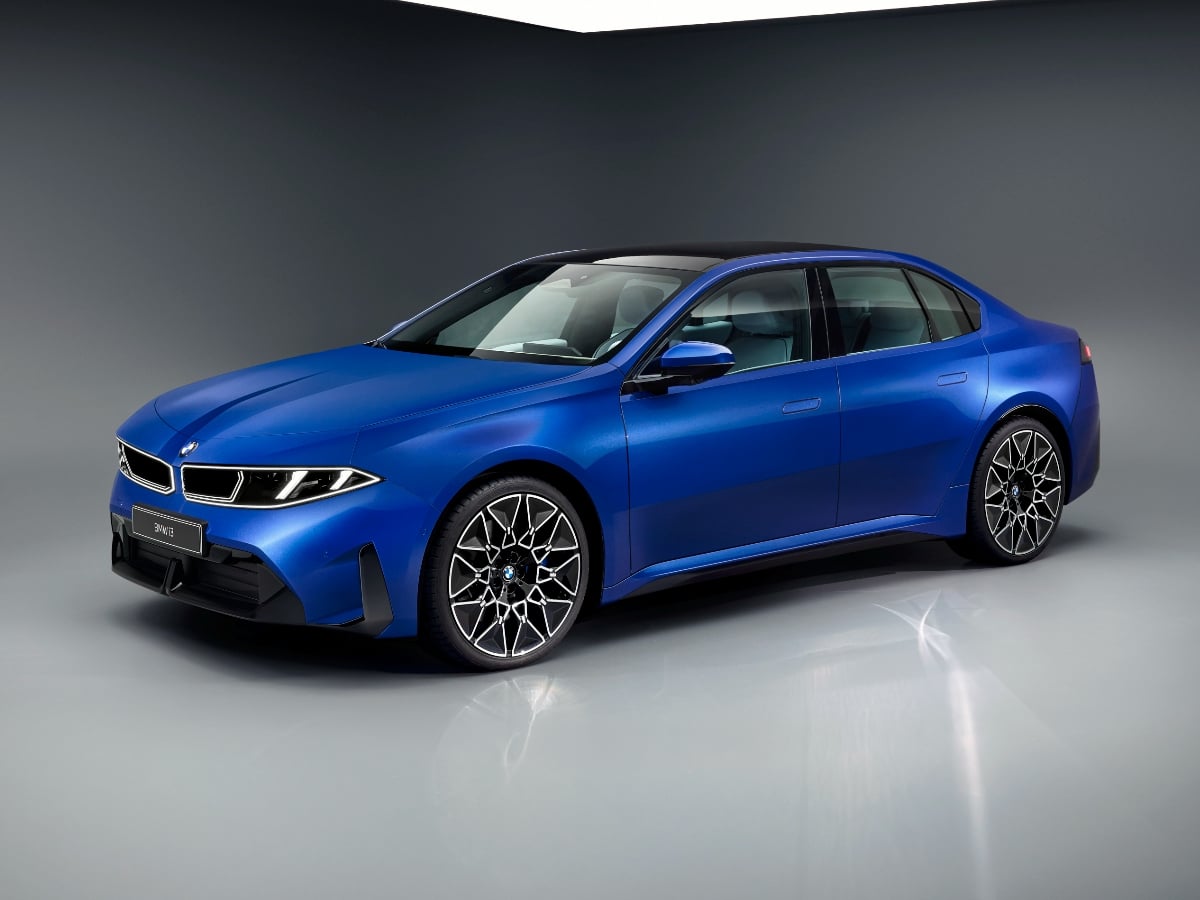
The new 2027 BMW i3 boasts an estimated range of up to 440 miles, 400-kilowatt DC fast charging capability, bidirectional charging to a home or the grid, and next-generation technology.
Read the Full Article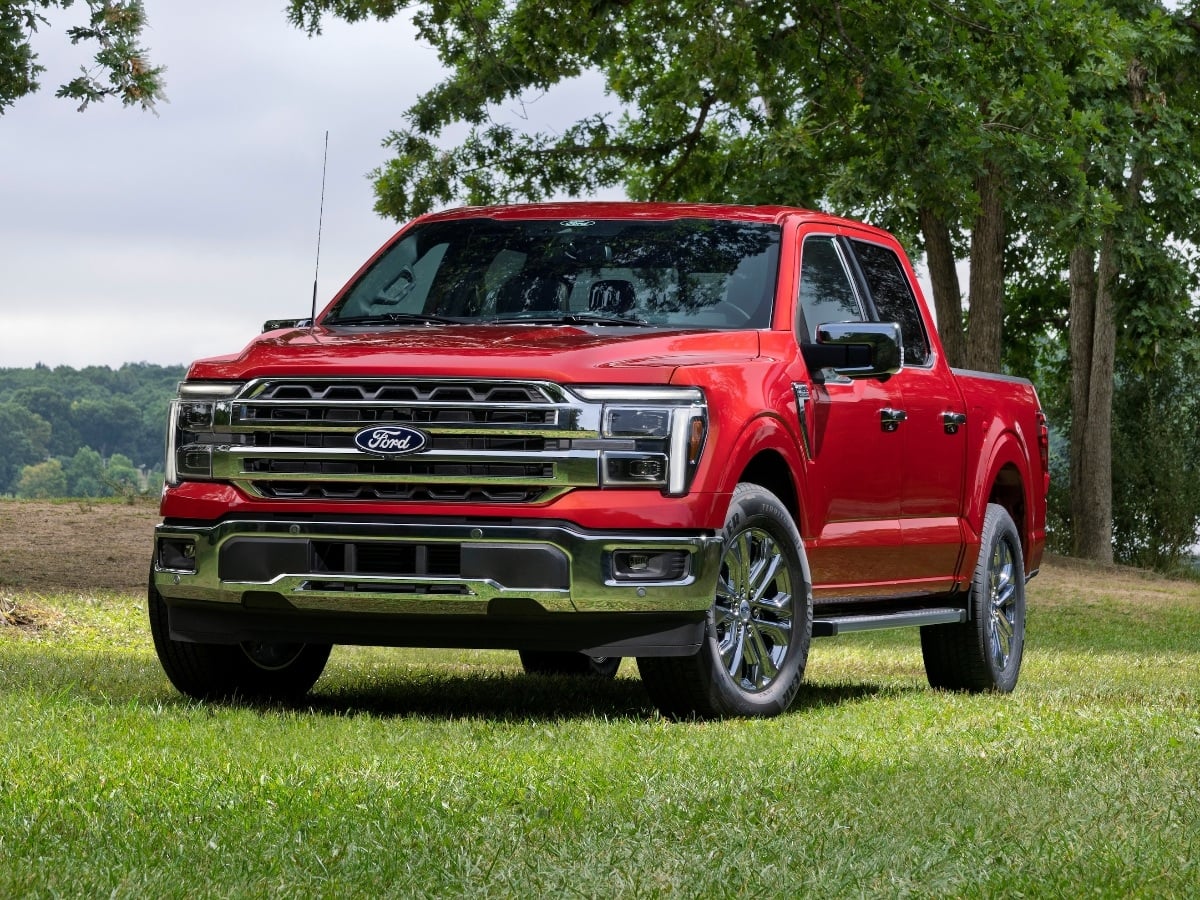
Facing renewed competition in the full-size, light duty pickup truck segment, the 2027 Ford F-150 receives subtle styling updates, a new standard engine, broader availability of its 5.0-liter V8, and ...See More
Read the Full Article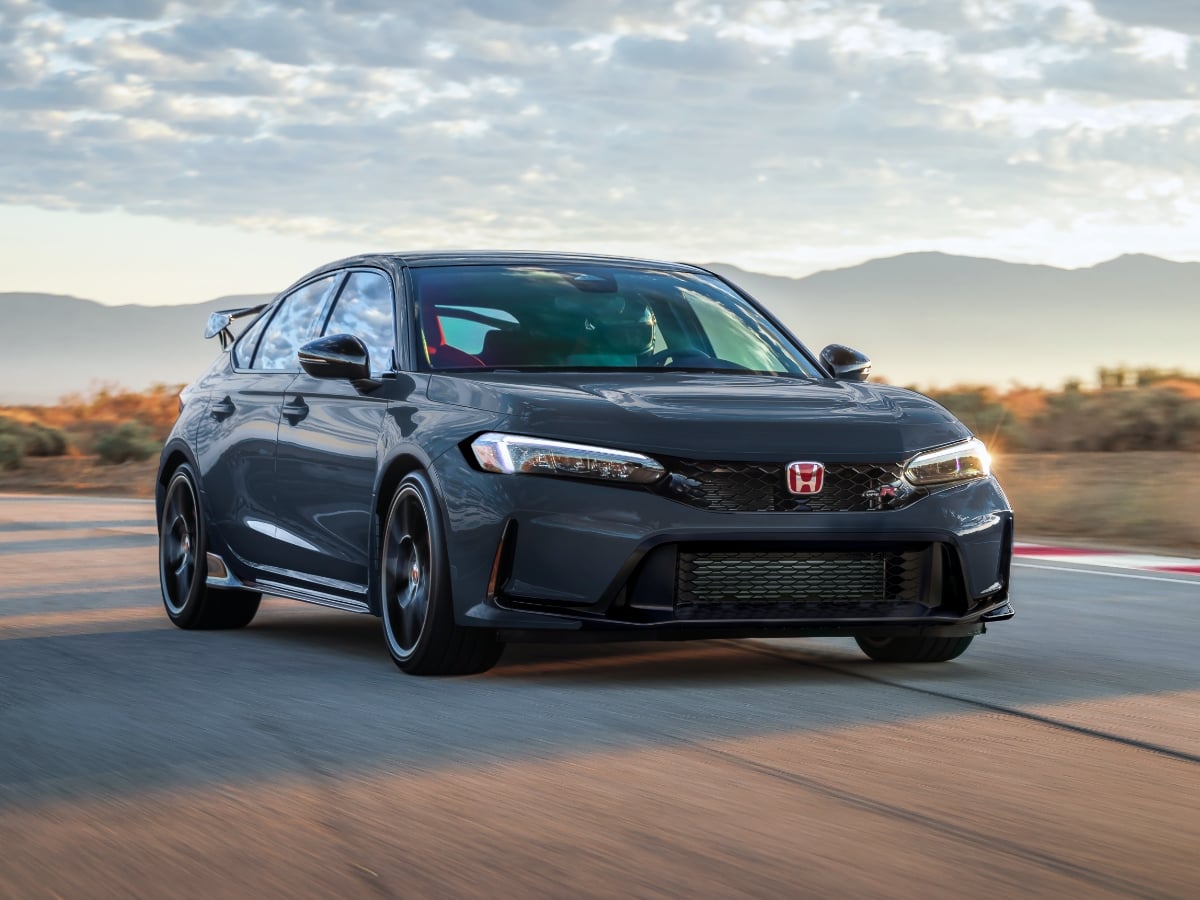
The 2027 Civic Type R goes on sale in October 2026, and it starts at $49,990, including the $1,295 destination charge.
Read the Full Article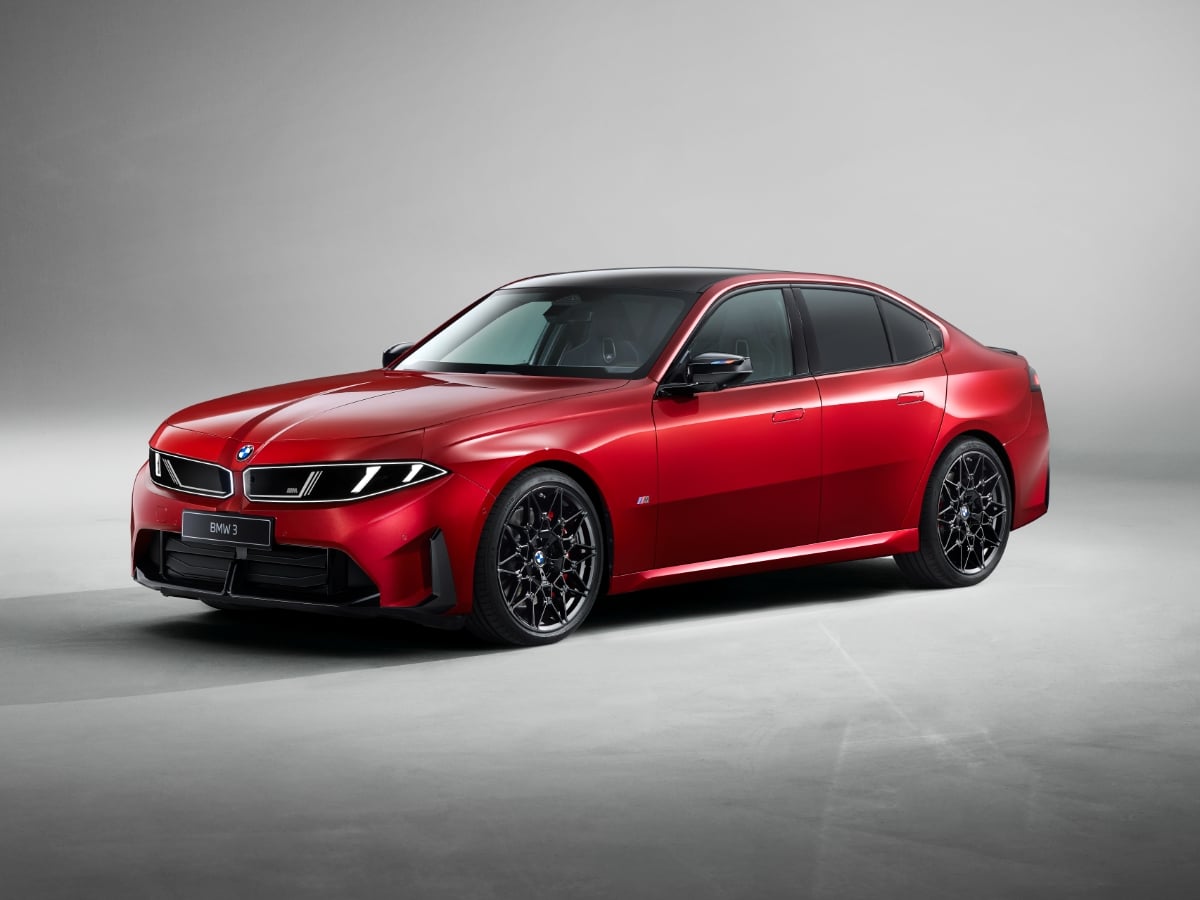
Part of BMW’s Neue Klasse (new class) rollout of redesigned models, the 2027 BMW 3 Series is all-new and goes on sale in the first quarter of 2027.
Read the Full Article