
The 2026 Subaru Crosstrek is a rugged, straightforward small crossover SUV. There is nothing flashy about it, and when placed alongside certain competitors, it might appear outdated. High-tech features are not its strength. However, it excels at the fundamentals: build quality, ease of use, comfort, space, efficiency, safety, all-wheel drive (AWD) capability, and, most surprisingly for a Crosstrek, enough power from the standard 2.5-liter engine for 2026.
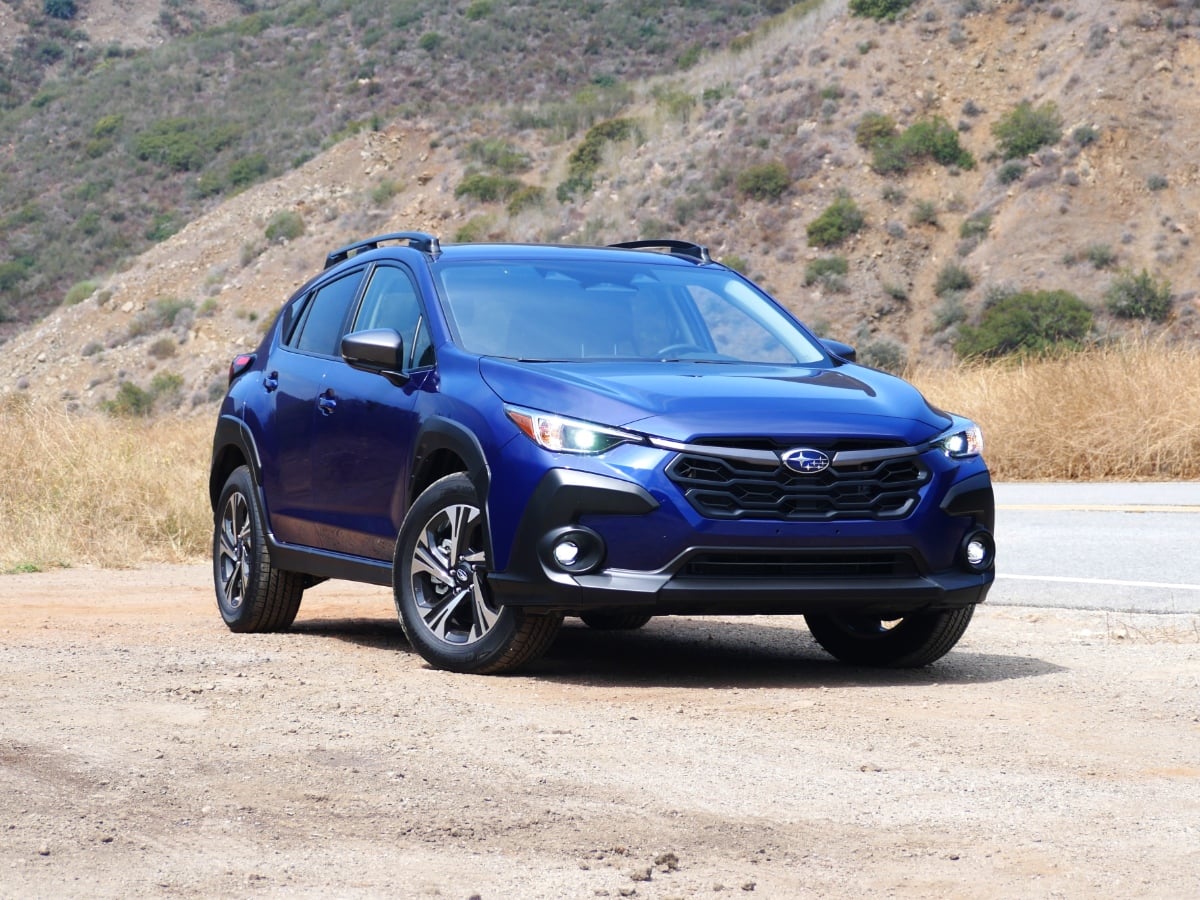
Photo: James Riswick
The bigger news for 2026 is the return of the Crosstrek Hybrid to the lineup. Whereas the previous model was a plug-in hybrid, this one is a traditional hybrid without all-electric range. While we know the basic specs (not fuel economy) and feature details, there is still much to learn, including how it drives. Look for a future Crosstrek Hybrid review to answer those questions.
In this review, I will focus on the 2026 Crosstrek’s gas-only lineup, which includes five trim levels: Base, Premium, Sport, Limited, and Wilderness. They all share the same engine, although the Wilderness has key differences that provide advantages when driving off-road. Base prices range from $28,415 to $35,215, including the destination charge.
For this 2026 Crosstrek review, Subaru provided a test vehicle equipped with the Premium trim and Option Package 14. That eloquently named package includes:
The test vehicle’s manufacturer suggested retail price (MSRP) was $31,660, including the $1,420 destination charge to ship the crossover to a local dealership from the Lafayette, Indiana, assembly plant.
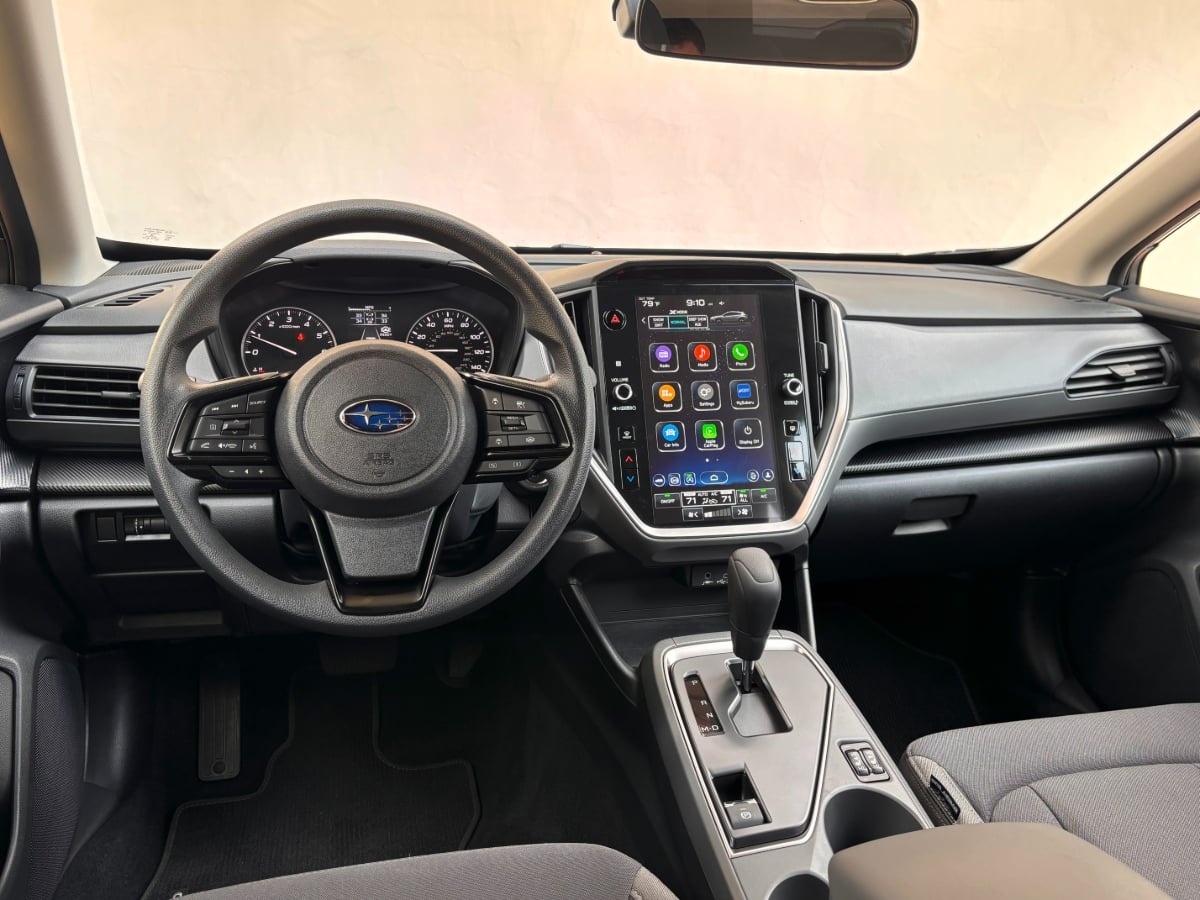
Photo: James Riswick
If you are out cross-shopping subcompact crossovers and the Crosstrek is the last one on your list to check out, there is a good chance you will find this Subaru a bit dated. The instrument panel has gauges instead of a screen. The touchscreen, while large and portrait-oriented, has basic graphics. The heated seat buttons look like they could have been in a 1996 Legacy.
Now you need to decide if that sounds bad. Yes, the analog gauges are outdated by 2026 standards, but they are still readable, and there is a redundant digital speedometer in the simple center screen. To me, the Crosstrek’s physical dials appear more upscale than the plain, barely customizable digital clusters found in a Chevy Trax or low-trim Hyundai Kona.
The touchscreen, meanwhile, features main menu tiles that are easy to read at a glance. It resembles a Jitterbug phone. That is a positive aspect when using it in a moving vehicle. The controls in those menus are simple and they also have large print.
There are physical buttons for defrost and temperature, but all other climate controls are located at the bottom of the screen. Turning on air recirculation requires opening a climate menu, but the icon for it is unusually small. Even worse, polarized sunglasses distort the bottom right part of the screen.
The design itself is not anything special, but the plastics look and feel durable. They are built to a similarly sturdy standard that will likely look the same eight years from now.

Photo: James Riswick
The Premium’s optional power driver’s seat provided good support. I sat on a rugged cloth material that appeared built to last for years (upper trims have water-repellent simulated leather). As usual, Subaru seats feel slightly overstuffed and are quite comfortable.
Getting in and out of the front seats is very easy, even compared to other subcompact SUVs (especially the Hyundai Kona I drove immediately before this one). However, the hatchback-like sloped roofline hinders access to the rear seats. Watch your head.
The back seat offers a lot more space. Even at 6-foot-3, I had plenty of headroom, and my legs barely brushed the back of the driver’s seat. I also think there is more usable legroom compared to competitors than the specs indicate, likely due to the Crosstrek’s hatchback-like shape versus a more upright, SUV-style design.
Building on that, the Crosstrek was able to carry more of my test luggage than I expected, despite its modest 19.9-cubic-foot capacity. It outperformed the Chevy Trax, Honda HR-V, Buick Envista, and Chevy Trailblazer, despite their significantly higher cubic feet volume on paper.
For anything that does not fit inside, all trims but the base Crosstrek have sturdy raised roof rails that made it easy for me to install my own Yakima crossbars. No need to buy specially sized, hard-to-mount ones from the accessories catalog.
Small item storage is disappointing. The cargo area has slots large enough for a Nalgene bottle, but the cupholders failed to secure a 40-ounce jumbo cup, and my slimmer metal water bottle clanked around inside. It also barely fit in the doors. These are common challenges faced by competitors. The other storage bins are also small, and the center console has a lot of wasted space. Subaru is targeting outdoor enthusiasts; it should improve in this area.

Photo: James Riswick
While the base Crosstrek features an unusual pair of stacked 7-inch touchscreens, all other trims, starting with the Premium, have an 11.6-inch portrait-oriented touchscreen called Multimedia Plus. The new-for-2026 Crosstrek Hybrid includes a 12.3-inch digital instrument panel, but the gas-only Crosstreks retain traditional the analog gauges with a 4.2-inch color central display.
In the Premium, the system’s content includes:
The Crosstrek Limited is eligible for integrated navigation, and both it and the Wilderness can have a Harman Kardon premium sound system.
Following on my earlier comment about basic functionality, let’s talk about Apple CarPlay, which connected wirelessly from my phone without any issues. The setup was extremely easy. It does not take up the entire screen but rather occupies a small square in the middle. CarPlay’s docked icons are also strangely positioned at the bottom instead of on the left. That is just odd, but it is not a problem.
Having previous experience with lower trim level Subarus, I expected a so-so stereo. However, the unbranded six-speaker system turned out to be surprisingly decent. Faint praise, perhaps, but my various content types from different sources sounded impressively clear, considering the price.
The Premium does not include a wireless smartphone charger; that feature is available in the higher Sport trim. The space where the charger would usually be can still hold a phone, but it will slide around on the smooth surface.
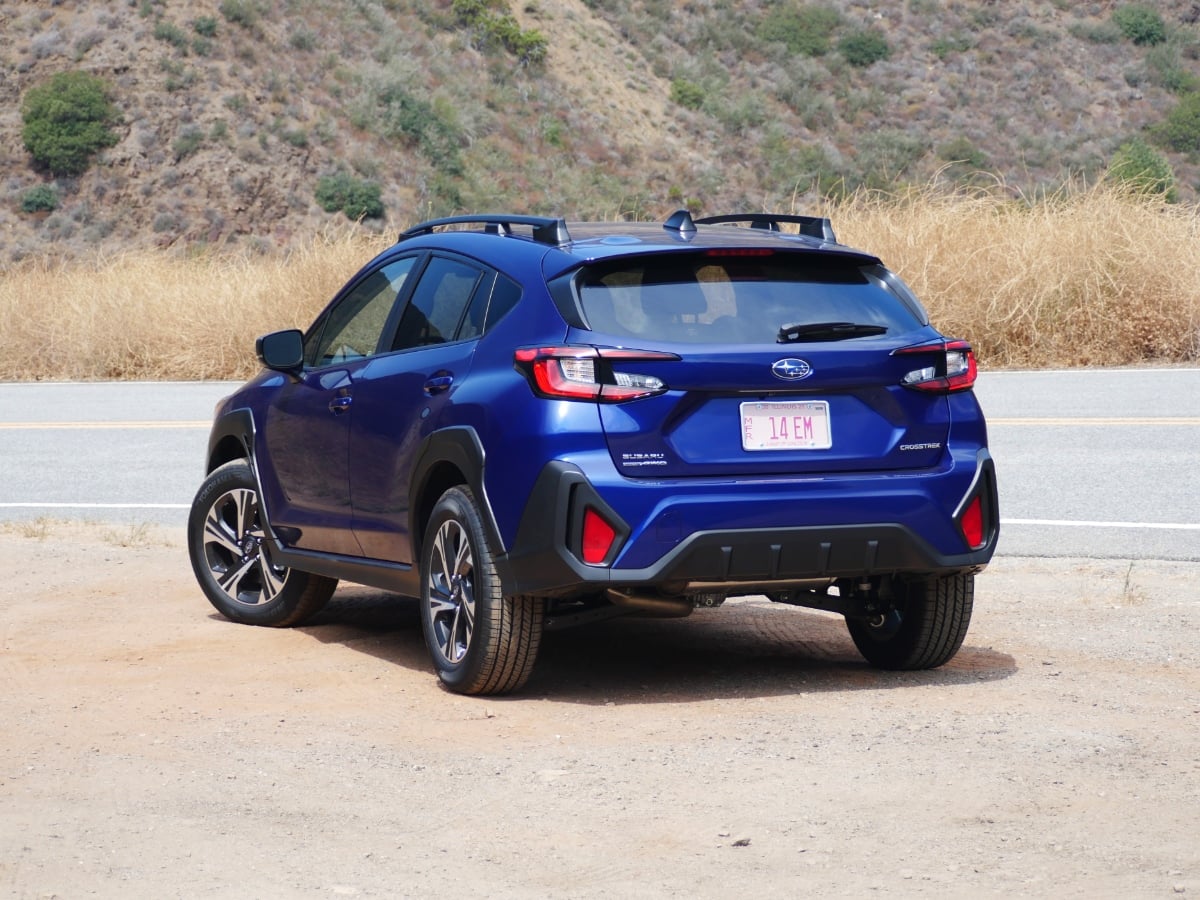
Photo: James Riswick
This is hard to quantify, but the Crosstrek just feels solid. It has to do with the way it handles the highway, takes a corner, and feels in your hands and in the seat of your pants. After a week in an almost equally priced Hyundai Kona, the Subaru felt like a sturdier, more refined vehicle.
It translates to a truly impressive ride. The soft suspension that cushions dirt trail bumps and the 17-inch wheels, which are tiny by 2025 standards, definitely help, and the vehicle doesn’t float or wallow. It was smooth on the highway, and genuinely comfortable—much more so than the Kona and every other subcompact I recently tested.
The handling was surprising. If it had grippier tires, the Crosstrek could actually be somewhat fun to whip around corners. It is lifted quite a bit, but it did not feel as tippy or top-heavy as subcompacts often do. I prefer the steering to have just a little more weight, but it is precise enough, and lighter steering helps when driving on dirt.
Speaking of which, I drove on dirt. I pointed the little Crosstrek up my usual extra-steep, rutted dirt incline and set the X-Mode system to Snow/Dirt (the other setting is Deep Snow/Mud) to optimize traction through the AWD and traction control systems. Frankly, I expected to get stuck three quarters of the way up, with the engine revving and a cloud of tire-spun dust filling the air.
There was some tire slippage on the loose dirt surface, but the little Crosstrek went up the hill without any problems. It had enough clearance to clear a few tough rocks at the top and a crest that’s known to high-center some vehicles. I did not plan to try more difficult challenges because this one seemed like the most off-roading someone would attempt in a Crosstrek. It handled it well.
The Crosstrek’s standard 2.5-liter four-cylinder engine now delivers 180 horsepower and 178 pound-feet of torque, which is more standard horsepower than nearly any other vehicle in its class.
The Crosstrek feels a bit more lively off the line than it actually is due to some eager throttle tuning, but it still accelerates confidently around town and smoothly onto the highway. There is an “S” mode that makes responses even sharper, but I never felt the need to use it.
I was also impressed by the continuously variable automatic transmission (CVT) that did not cause the engine to loudly drone or do yo-yo revs when off and on the throttle in the mountains (two CVT trademarks/annoyances). The CVT also simulates gears when upshifting, but it does not do so as convincingly or naturally as the Kona transmission. I did, however, appreciate the paddle shifters that allowed me to select a lower gear, which the car maintained when going down an extended grade.
The Environmental Protection Agency (EPA) estimated the Crosstrek’s fuel economy at 29 mpg combined. That is pretty much standard for the segment. I averaged 28.1 mpg on my 75-mile evaluation route (my mountain road section is not usually kind to small, non-turbocharged engines), and I achieved an impressive 37.5 mpg on the highway portion.
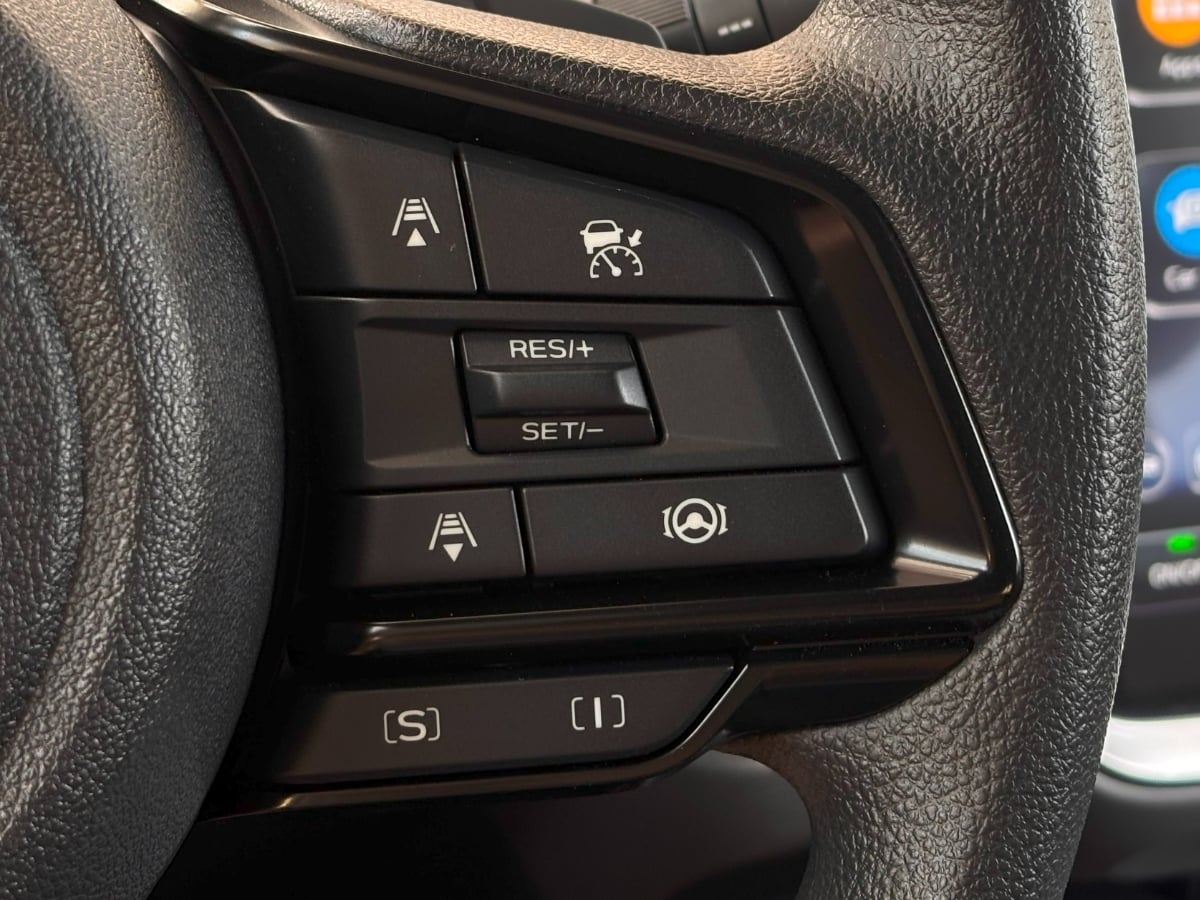
Photo: James Riswick
Subaru offers a standard suite of safety technology called EyeSight, which includes the following features:
As mentioned above, the Option Package 14 includes the following extra features that are standard on the Limited and Wilderness:
I really appreciate that Subaru provides strength options for specific systems, like lane keeping assistance. It reduces unnecessary beeping and wheel-tugging, as well as overall frustration. Just keep in mind that it is there. If you are on a test drive and all the beeping is annoying you, know that you can reduce the nuisance while still keeping everything activated.
The ACC handled a heavy braking event well, the distances were appropriate, and it accelerated again without any unnatural delay. However, the lane centering system still needs improvement.
On a stretch of highway where the system demonstrated its ability to steer through curves and avoid lane wandering, it suddenly kept shutting off when traveling in the opposite direction. I suspect that the combination of white lines on a concrete highway with 11 am sun over the windshield was the issue. I could see how cameras might struggle to see the lines in these conditions, but they were not unusual. The system should perform better.
The National Highway Traffic Safety Administration (NHTSA) gave the structurally similar 2025 Crosstrek a perfect five stars for overall crash safety and all aspects of frontal and side crash safety. The Insurance Institute for Highway Safety (IIHS) results were less impressive, mainly due to an updated offset frontal test that lowered the Crosstrek’s score from the top rating of “Good” to “Marginal.”
According to the JD Power 2025 Initial Quality Study (IQS), the Buick Encore GX ranks highest in the Small SUV segment. The Kia Soul ranks second, and the Chevrolet Trailblazer and Ford Bronco Sport rank third (in a tie).
According to the JD Power 2025 Automotive Performance, Execution and Layout (APEAL) Study, the Mini Countryman ranks highest in the Small SUV segment. The Hyundai Kona and the Buick Envista are the next highest-ranked models.
Other 2026 Crosstrek competitors include the Honda HR-V, Mazda CX-30, and Nissan Kicks.
The Crosstrek offers many features, especially inside, that are well suited to the needs, tastes and comfort levels of a large group of drivers but may not appeal to all. However, anyone can appreciate the Crosstrek’s sturdy handling, smooth ride, and powerful engine, which combine with a surprisingly spacious and well built interior. While it has some issues and may not be for everyone, the Crosstrek can be an ideal, straightforward choice for many.
James Riswick has been testing and reviewing cars since 2007, serving as an editor at Edmunds.com and Autoblog. In addition to JDPower.com, he has also contributed to Autoguide Magazine, Autotrader, Capital One Auto Navigator, Car and Driver, and Hagerty. He resides in Southern California and owns a 1998 BMW Z3, a 2013 Mercedes-Benz E350 Wagon, and a 2025 Cadillac Optiq.


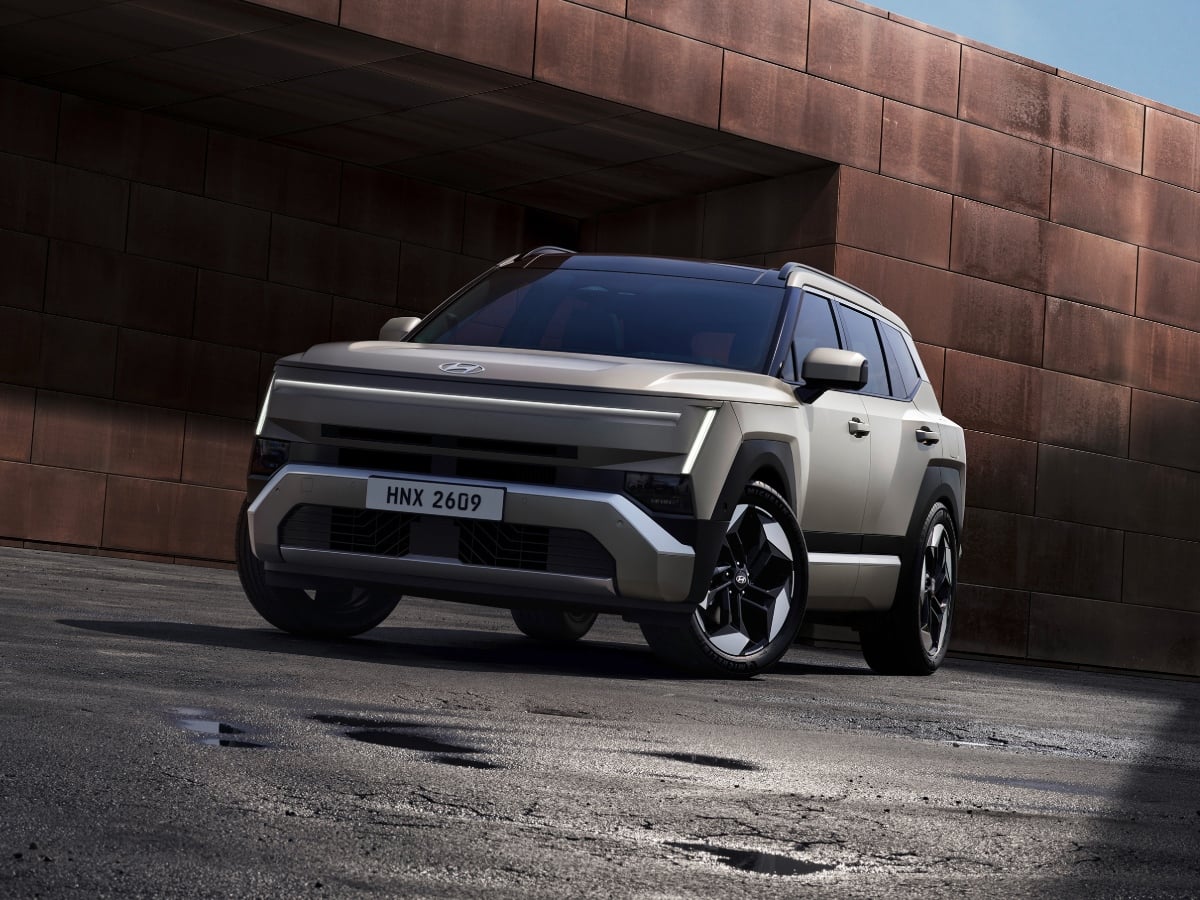
With a purposeful new design and some trail-ready upgrades, the 2027 Hyundai Tucson is pushing the brand's best-selling crossover SUV into more aggressive territory.
Read the Full Article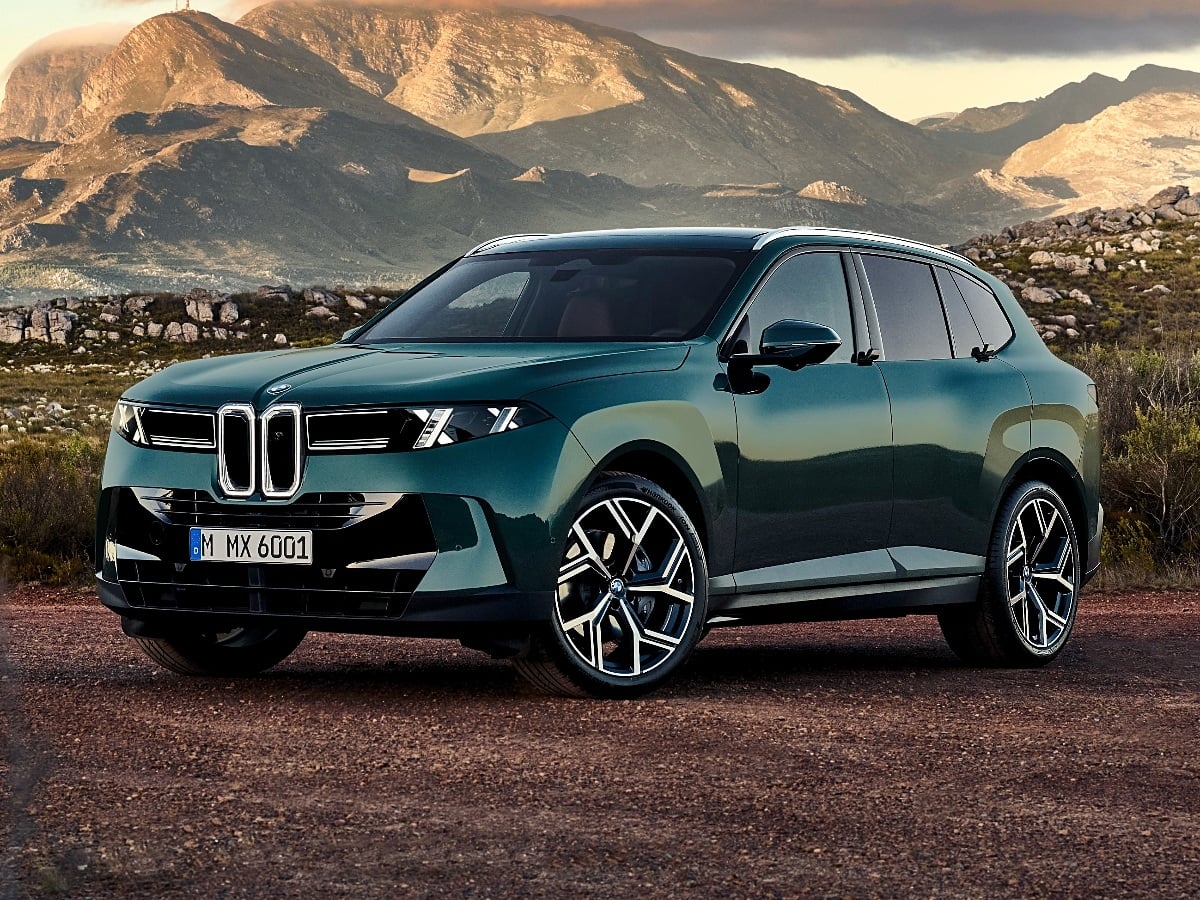
For more than 25 years, the BMW X5 has helped to define the luxury SUV segment. Now, the redesigned fifth-generation 2027 BMW X5 arrives with the automaker’s Neue Klasse styling, a roomier interior, ...See More
Read the Full Article
One of Lexus's most popular models, the NX crossover SUV is also one of the most affordable in the company’s lineup. The 2027 Lexus NX transitions to hybrid-only powertrains, and gets revised ...See More
Read the Full Article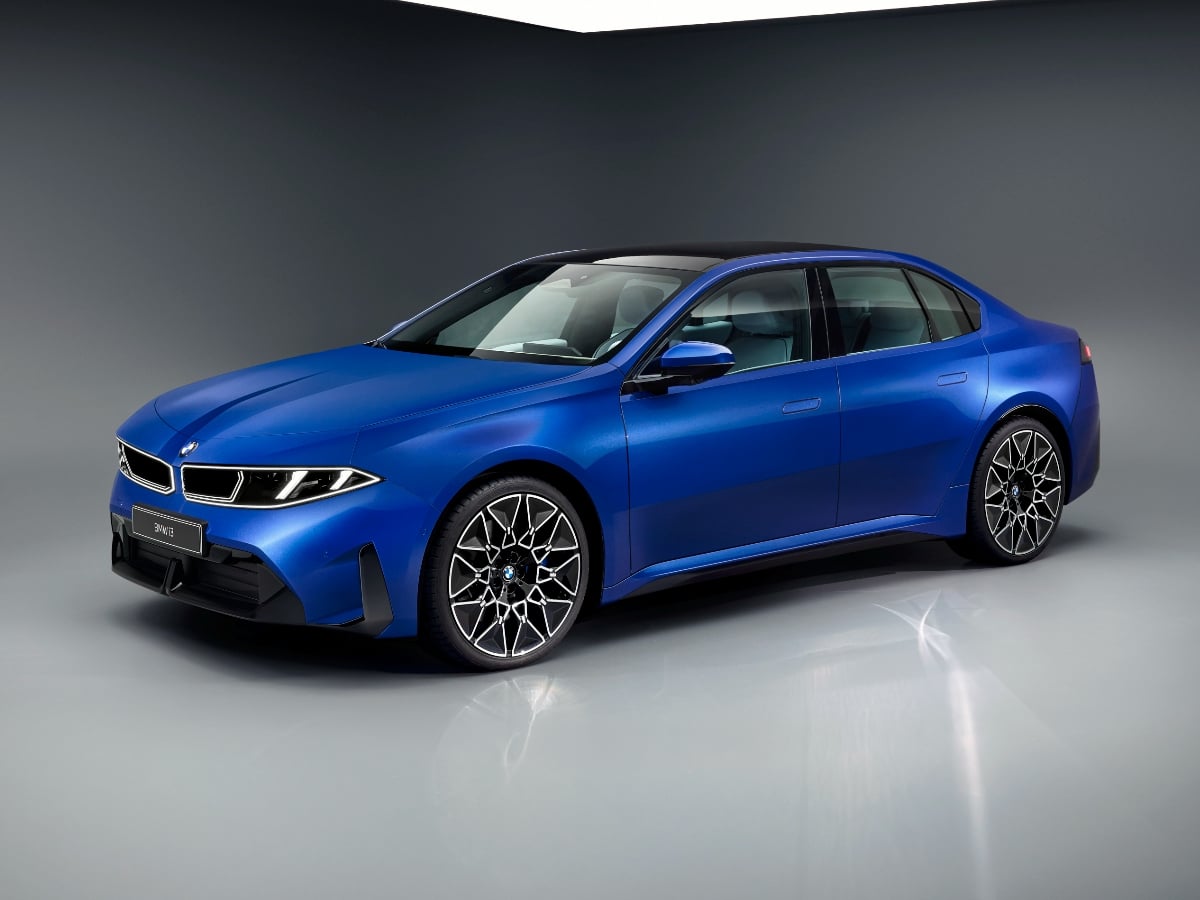
The new 2027 BMW i3 boasts an estimated range of up to 440 miles, 400-kilowatt DC fast charging capability, bidirectional charging to a home or the grid, and next-generation technology.
Read the Full Article