
The two most common types of transmissions are manual and automatic. But there is a third type called a continuously variable transmission (CVT). CVTs have been around since the late 1980s but are now more common than ever because they typically provide better fuel economy than other kinds of transmissions.

Knowing how a CVT operates and its benefits can help consumers understand why and accept how they change the way a vehicle feels and sounds when accelerating.
Technically, a CVT is an automatic transmission because the driver isn't required to shift between the forward gears or operate a clutch pedal manually. But there are fundamental differences in both form and function between the two.
Unlike a traditional automatic (or manual transmission, for that matter), a CVT does not have a fixed number of preset gears. Instead, it uses an unlimited number of gear ratios to accommodate the driving style and conditions at any given moment. Because it allows seamless changes without any hard shift points, a CVT transmission is often referred to as "single-speed" or "shiftless."
A CVT achieves this infinite gear ratio flexibility by using two opposing cone-shaped pulleys with a chain or belt that runs between them. This setup is very similar to the way a chain operates across the gears of a bicycle.
One cone is connected to the engine output shaft, while the other cone directs power to the driveshaft and drive wheels. Gear ratios change as the pulleys move closer and further apart, causing the chain or belt to move up and down the two cones' sides. This movement increases or decreases the diameter of the chain or belt, which alters the gear ratio based on the power needed. These real-time changes happen continually as the car is moving.
Automakers increasingly use CVTs due to several benefits they provide:
While CVTs offer some clear advantages for certain car owners, they are not for everyone. Some drawbacks include:
Some automakers such as Nissan, Hyundai, Subaru, and Toyota have made significant engineering improvements to CVTs.
The third-generation Nissan Xtronic system includes D-Step Logic Control that uses dynamic inputs to achieve smoother acceleration and greater efficiency while making a CVT sound and feel more like a regular automatic transmission. It does this by holding a consistent gear ratio longer to mimic the feeling of shifting between gears, which many drivers prefer. The 2021 Nissan Rogue uses this transmission design, as well as the recently redesigned Nissan Sentra.
Similarly, Hyundai's Smartstream CVT reproduces the shifting pattern of a standard automatic transmission to reflect the driver's intention better and achieve greater responsiveness. Hyundai offers it in the redesigned 2021 Elantra compact sedan.
Subaru offers capable CVTs across its model lineup, including in its WRX performance sedan. It provides manual shifting via paddles on the steering wheel and eight different programmed ratios in its range of operation. You’ll also find this CVT in the latest Subaru Ascent and Subaru Outback crossover SUVs.
Toyota takes a unique approach for the CVT it uses with its 2.0-liter 4-cylinder in its sportier Corolla models. It has a physical launch gear, which effectively eliminates the delay in responsiveness that some people complain about, and hands power distribution responsibilities off to the CVT once the car is moving.
Whether you are an existing owner of a vehicle with a CVT or a shopper test driving a used vehicle equipped with this type of transmission, there are some telltale signs that a CVT transmission might be failing:
CVTs are simpler and more adaptable than traditional transmissions, offering impressive fuel economy and seamless performance through varying driving conditions. However, some drivers don't like the way they feel or sound, and they can be expensive to repair or replace.
Automakers are aware of these negative characteristics and are striving to improve CVTs with advancements in how they feel and sound and in durability. Therefore, modern CVTs are poised to gain greater acceptance among car buyers while helping car companies make their vehicles more fuel-efficient.


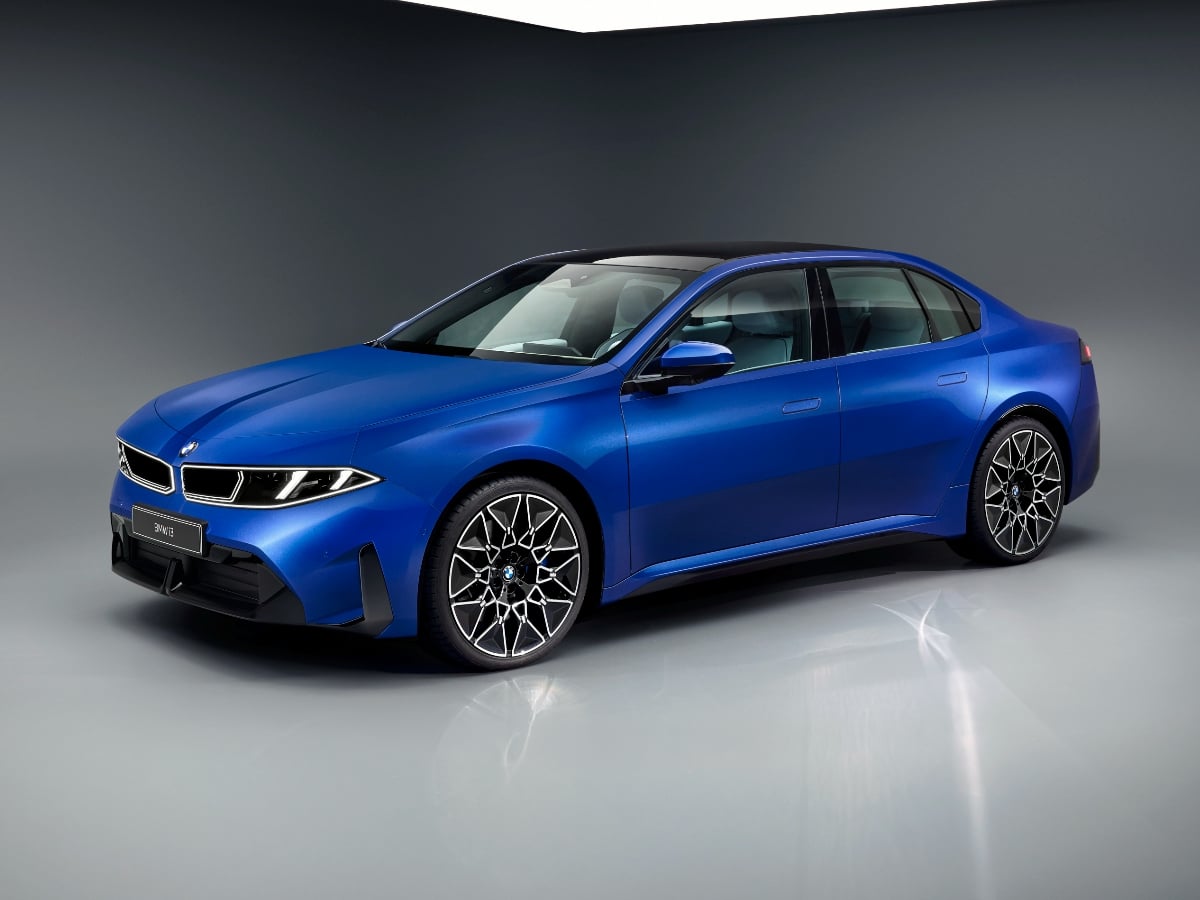
The new 2027 BMW i3 boasts an estimated range of up to 440 miles, 400-kilowatt DC fast charging capability, bidirectional charging to a home or the grid, and next-generation technology.
Read the Full Article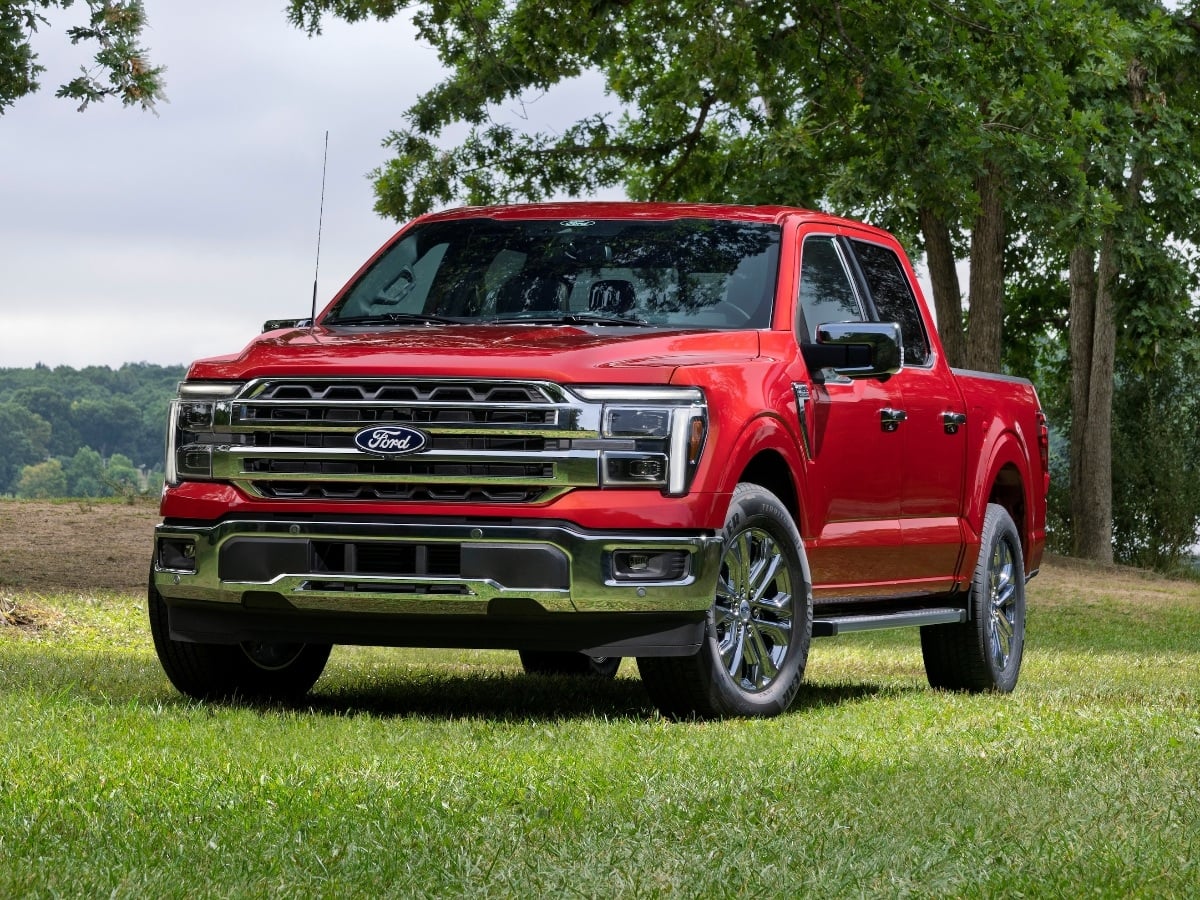
Facing renewed competition in the full-size, light duty pickup truck segment, the 2027 Ford F-150 receives subtle styling updates, a new standard engine, broader availability of its 5.0-liter V8, and ...See More
Read the Full Article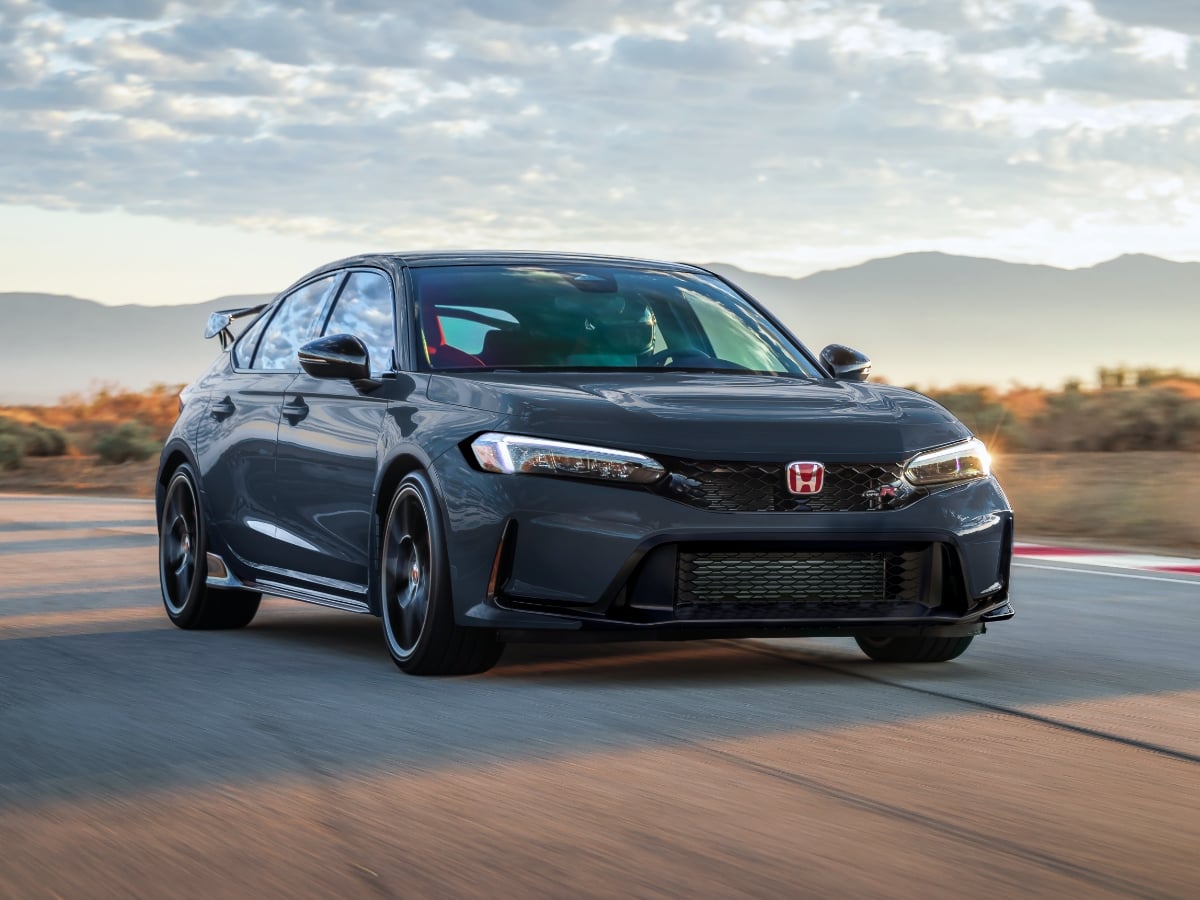
The 2027 Civic Type R goes on sale in October 2026, and it starts at $49,990, including the $1,295 destination charge.
Read the Full Article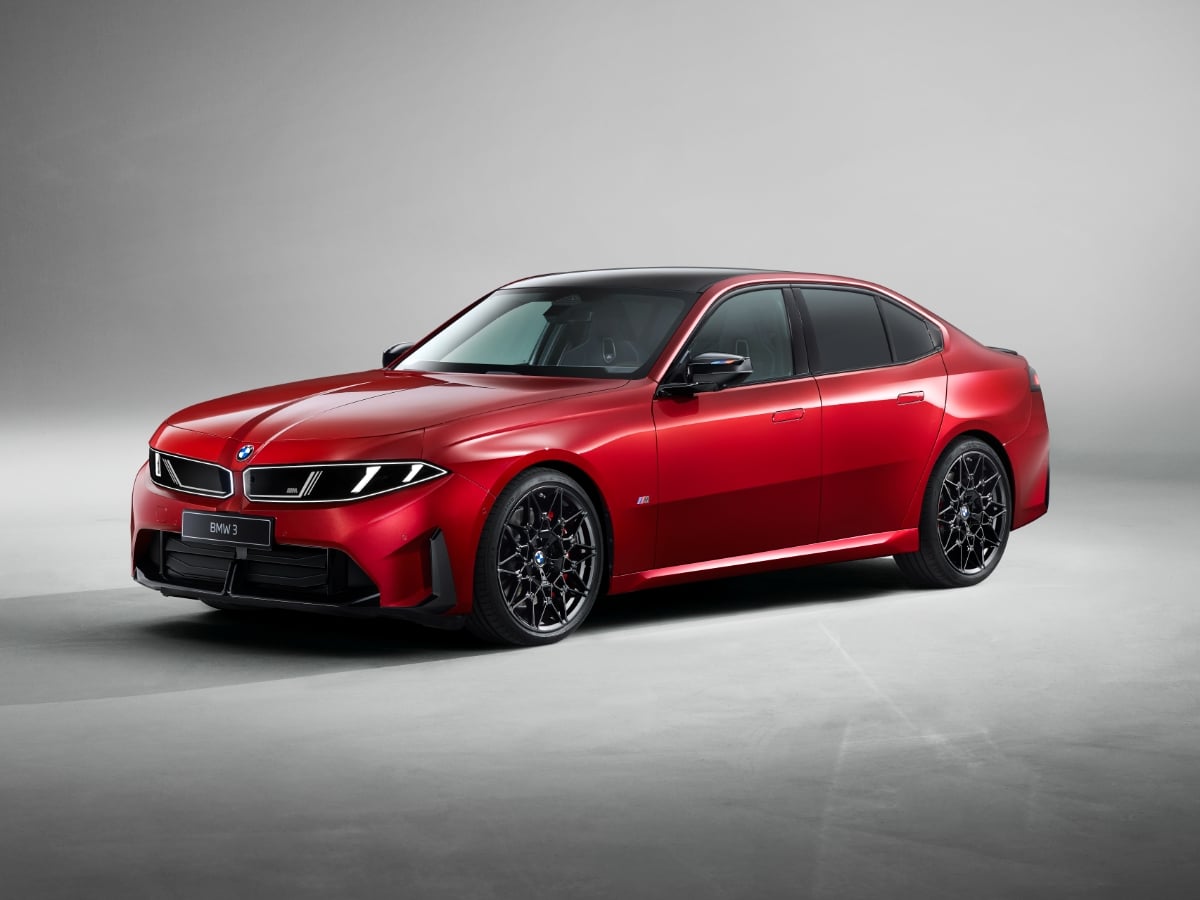
Part of BMW’s Neue Klasse (new class) rollout of redesigned models, the 2027 BMW 3 Series is all-new and goes on sale in the first quarter of 2027.
Read the Full Article