
Hatchback cars are like parental advice: frequently practical, often useful, but not always on-trend. Hatchbacks have been around to varying degrees of popularity since the first model launched in 1938, with a U.S. heyday in the 1970s and 1980s when people sought fuel-efficient yet practical vehicles to drive.
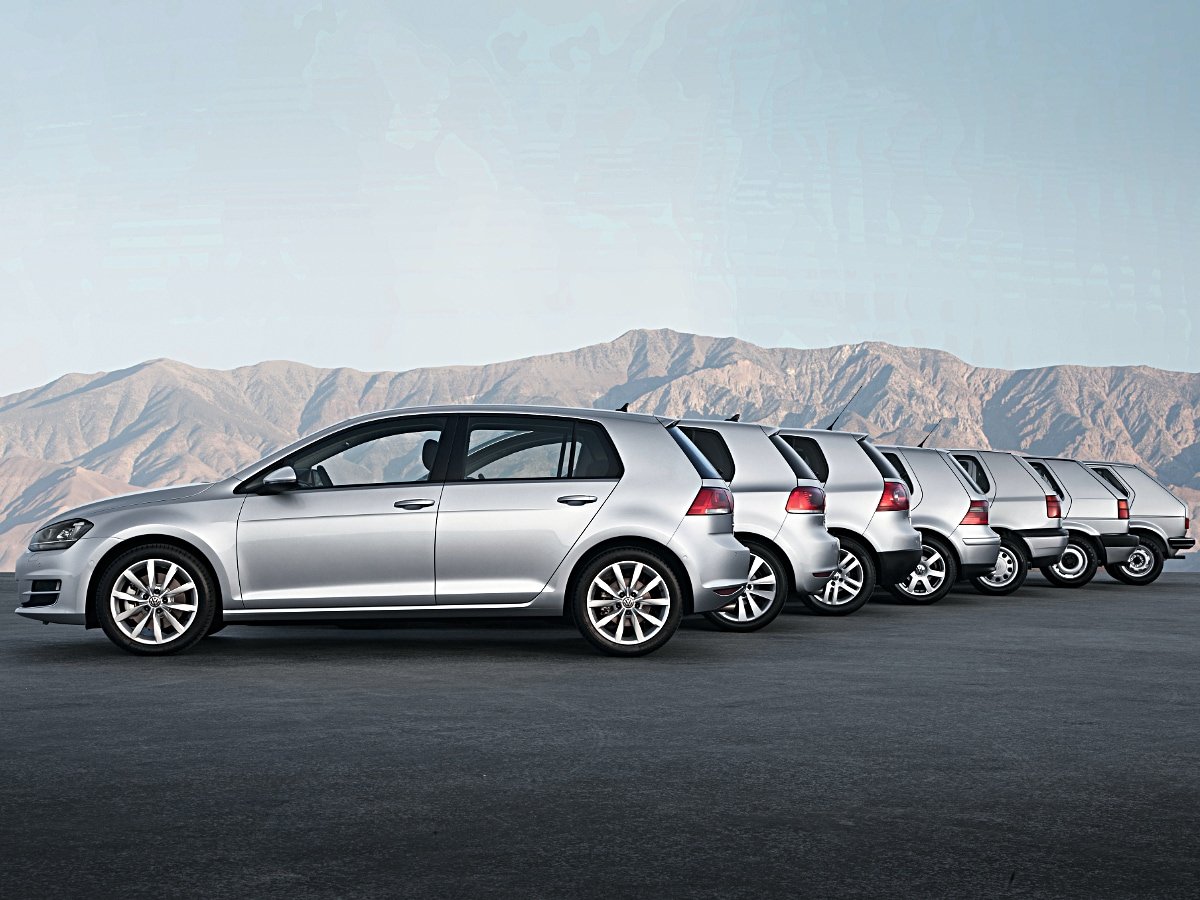
What constitutes a hatchback car today? How does a hatch compare to a sedan or a coupe or an SUV? Grasping the differences and analyzing these different types of cars can help you to find the right vehicle for your lifestyle.
A traditional sedan features four doors, a square profile, and a three-box configuration, meaning the engine bay, passenger compartment, and trunk are three separate areas. Examples of this type of car include the Honda Accord, Nissan Altima, and Toyota Camry.
A traditional coupe has the same three-box configuration but comes with two doors instead of four. Examples of this type of car include the Chevrolet Camaro, Dodge Challenger, and Ford Mustang. However, the overall shape of a coupe is often sleeker and sporter than a sedan.
In both sedans and coupes, the trunk opening is at the base of the rear window and hinges up. With a hatchback, the trunk opening is at the top of the rear window and hinges up, creating a much larger opening that can accommodate much larger pieces of cargo.
A traditional hatchback features a two-box configuration with either two or four doors. The engine bay is separate and distinct from the passenger compartment and cargo area, which is a combined and shared space. Due to its size, the hatchback is often counted as a door, leading to body style descriptors such as three-door or five-door. Examples of modern hatchbacks include the Hyundai Elantra GT, Mazda3 Hatchback, and Volkswagen Golf (pictured with this article).

The main differentiator between a sedan, a coupe, and a hatchback is the roof-height hinged opening. It should be noted a station wagon also has a roof-height hinged cargo area opening, but wagons are generally longer and larger than hatchbacks. Similarly, crossovers and SUVs have a top-hinged liftgate, but the ride height and off-road capabilities differentiate them from a hatchback.
Hatchbacks come in two- and four-door configurations (or three- and five-door if you count the rear hatch.) Descriptors include hatchback, liftback, and sportback, the two latter terms invented by car company marketing people to avoid using the word ‘hatchback,’ which carries an economy-minded connotation.
Marketers also play fast and loose with the terms ‘coupe’ and ‘sedan’ when describing what are, essentially, hatchbacks. Examples include the Kia Stinger and the Volkswagen Arteon (they’re both hatchbacks, not sedans). Some hatchbacks are called ‘multi-purpose vehicles’ or are pitched as crossover SUVs, such as the Hyundai Venue and Kia Soul.
Not all hatchbacks are cheap and efficient, characteristics that people tend to associate with the body style. In addition to the appealing Kia and VW models mentioned above, Audi sells the A5 and A7 Sportback models, while BMW sells the 4 Series Gran Coupe. Even the Tesla Model S is a hatchback.
No matter what you call it, a hatchback is exceptionally practical, especially when you fold down the back seats. A Honda Fit, for instance, is just as roomy inside as many small and compact SUVs. And I once moved almost an entire apartment of goods in an Audi A7, packing that four-door Sportback with a five-drawer dresser, queen-size bed frame, and countless large boxes.
For security, hatches feature a detachable stiff parcel shelf or a roll-up cover for the cargo area, just like an SUV. Plus, depending on the design, the lower cargo floor height of a hatchback provides easier loading and unloading of gear. Lifting and packing a bike, baby carriage, or a large pet carrier into and out of a hatchback car can be much easier for some people.
Fuel economy with a hatchback is often better than a bigger, heavier, and less aerodynamic crossover SUV, with little compromise in terms of utility. Many hatchbacks also offer all-wheel drive for when the weather goes from bad to worse.
It is critical to compare cars when shopping, keeping in mind activities specific to your lifestyle. Different types of cars will suit you better than others. If you have an item you haul around a lot, such as a bike, wheelchair, or something else, bring it with you to the dealership and test it out before you decide on a specific make and model. After all, a vehicle is an expensive purchase, as any car loan calculator will tell you.


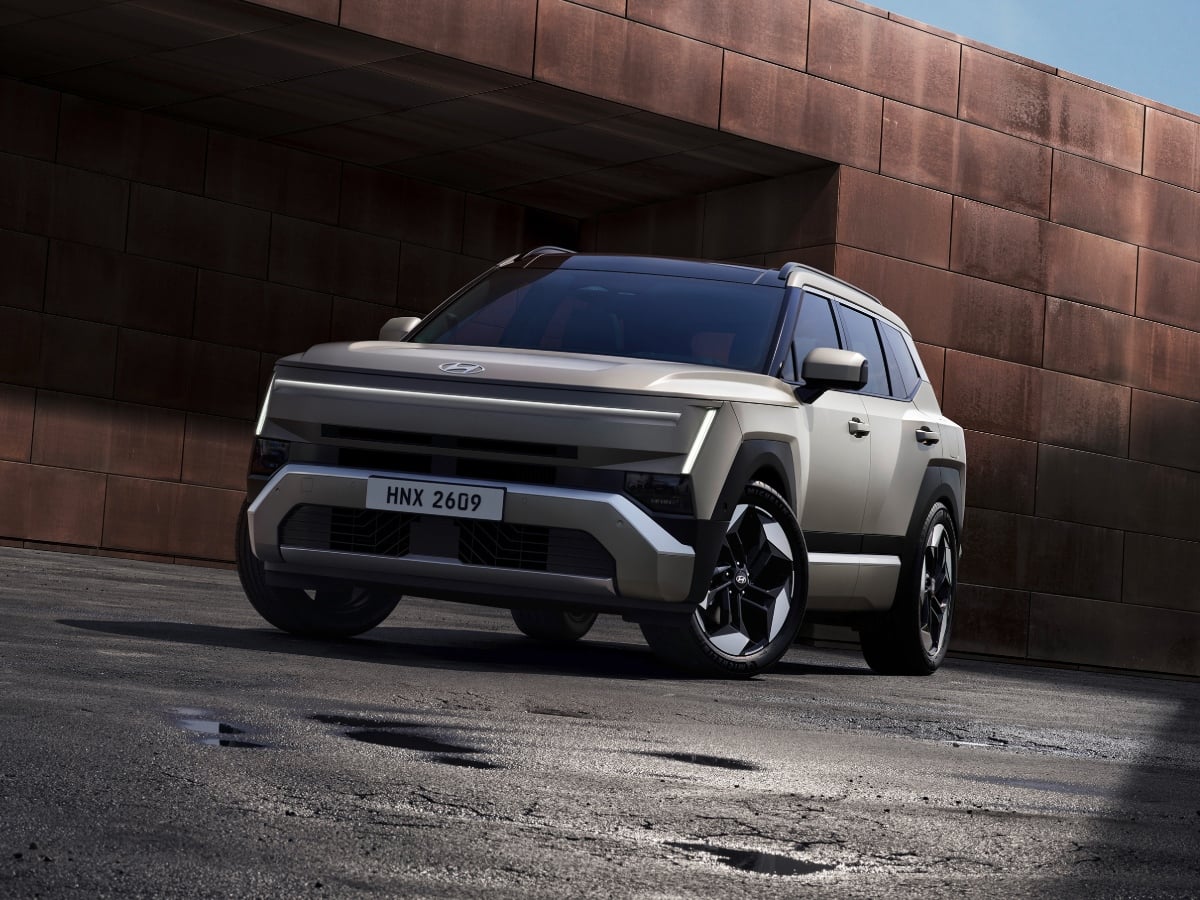
With a purposeful new design and some trail-ready upgrades, the 2027 Hyundai Tucson is pushing the brand's best-selling crossover SUV into more aggressive territory.
Read the Full Article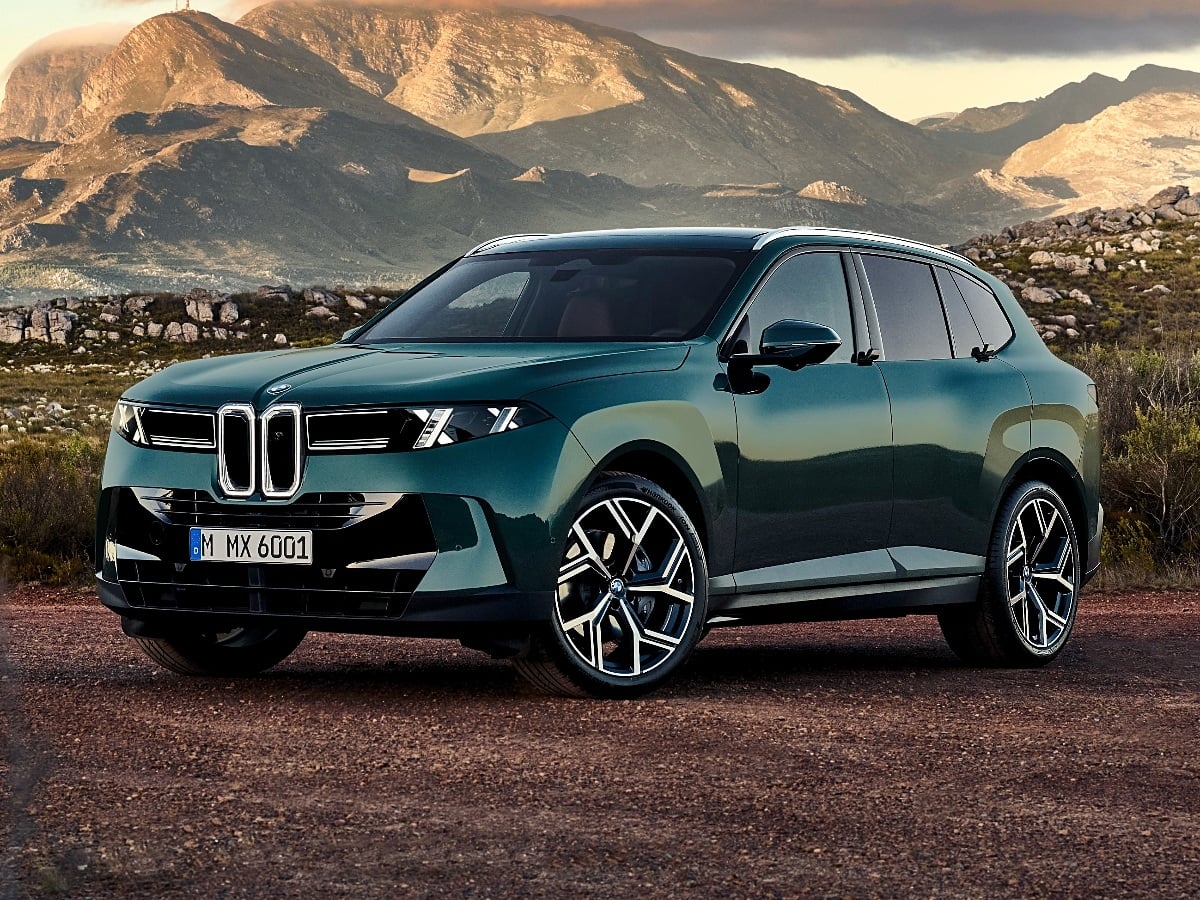
For more than 25 years, the BMW X5 has helped to define the luxury SUV segment. Now, the redesigned fifth-generation 2027 BMW X5 arrives with the automaker’s Neue Klasse styling, a roomier interior, ...See More
Read the Full Article
One of Lexus's most popular models, the NX crossover SUV is also one of the most affordable in the company’s lineup. The 2027 Lexus NX transitions to hybrid-only powertrains, and gets revised ...See More
Read the Full Article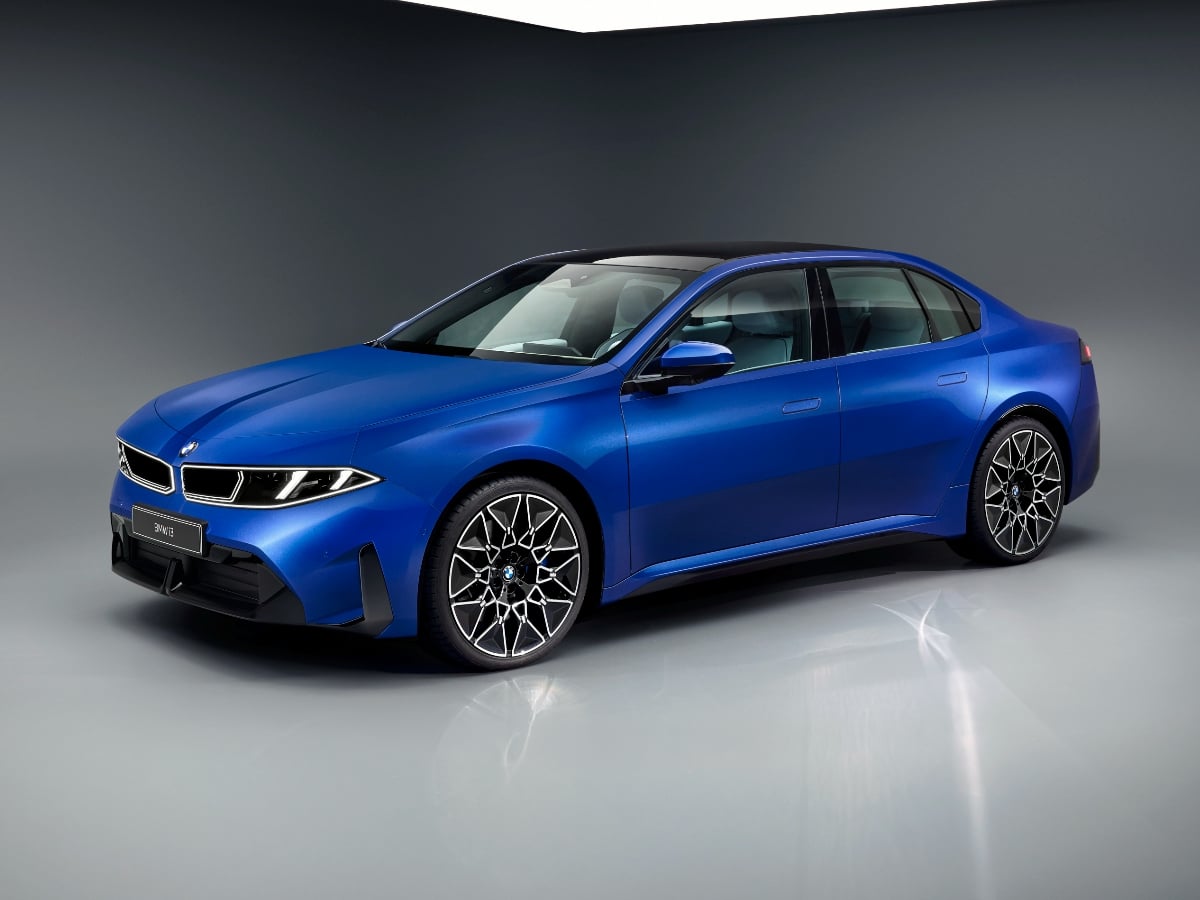
The new 2027 BMW i3 boasts an estimated range of up to 440 miles, 400-kilowatt DC fast charging capability, bidirectional charging to a home or the grid, and next-generation technology.
Read the Full Article