
We have all experienced it at one time or another. You are driving along when, suddenly, an object appears in your path. It could be a vehicle, pedestrian or cyclist, animal, or even a mattress that has fallen off a truck. At that moment, you do whatever you can to avoid a collision, but it's a split-second decision that requires cat-like reflexes. Despite their best efforts, even good, attentive drivers may not have enough time to react. To help drivers avert disaster, some automakers offer Evasive Steering Assistance (ESA) technology as part of their advanced driving assistance systems (ADAS) safety suite.

There are several ESA systems on the market, all having slightly different characteristics and unique proprietary names. For example, Ford and Mercedes have named their systems Evasive Steering Assist, while Volvo refers to its technology as Steering Support under the brand's City Safety banner. Names aside, the basic premise of each system is the same: To help maneuver around a slow-moving or stationary object when the driver cannot avoid it simply by braking.
When a driver is caught off guard on the road, their reaction time is the only thing they can rely on at that moment. But if the driver reacts too slowly or overreacts, an accident can occur. ESA technology enhances a driver's reflexes by adding extra steering torque. The system also uses data from the vehicle's front-mounted camera and radar sensors to calculate a safe path around the obstacle.
Generally working in tandem with forward-collision warning (FCW) and automatic emergency braking (AEB), ESA activates when the FCW system senses a frontal crash and the driver initiates an evasive maneuver with an aggressive turn of the wheel. At that moment, ESA helps the driver reach the maximum steering angle more quickly than they would in an unassisted scenario. An ESA system can also help maintain vehicle stability since sudden changes in direction can upset the balance of a vehicle, increasing the odds of spinning out or careening dangerously.
Once the vehicle circumvents the road hazard, the system helps the driver return to the intended course. It is important to note that the driver is ultimately in control of the steering; an ESA system does not take over the steering function. Instead, it assists the driver by giving additional support when needed. The system never forces the driver's hands from the steering wheel, and the driver can easily override the ESA system by retaking control of the steering wheel. Depending on the system, ESA operates at city and highway speeds.
Evasive steering assistance technology offers some key safety benefits:
Evasive steering assistance technology should only be relied upon when the driver understands and heeds the following:
Although the best way to avoid an accident is to drive cautiously, ESA adds an extra layer of safety for when the unexpected occurs. And though not considered an autonomous ADAS system, ESA's ability to influence steering in specific situations offers a glimpse into the future of self-driving cars.


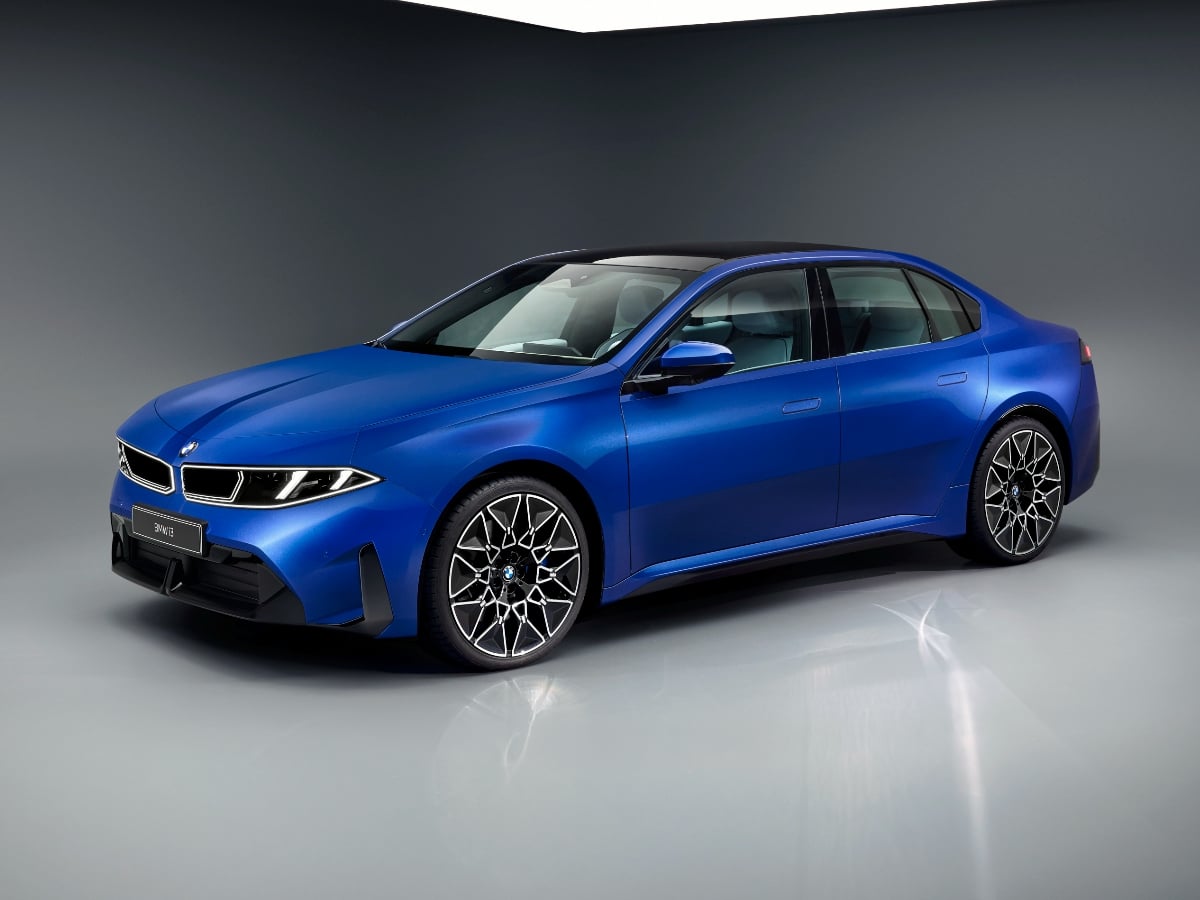
The new 2027 BMW i3 boasts an estimated range of up to 440 miles, 400-kilowatt DC fast charging capability, bidirectional charging to a home or the grid, and next-generation technology.
Read the Full Article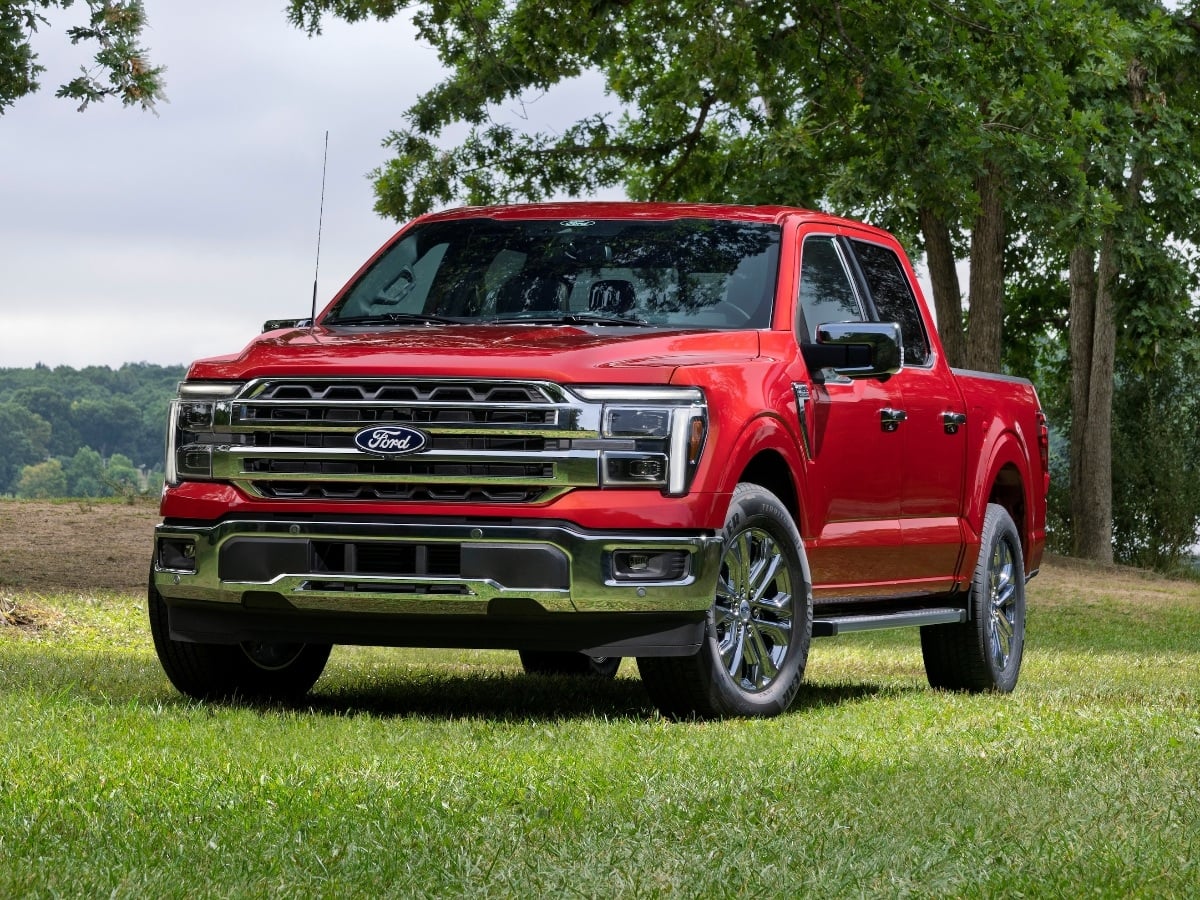
Facing renewed competition in the full-size, light duty pickup truck segment, the 2027 Ford F-150 receives subtle styling updates, a new standard engine, broader availability of its 5.0-liter V8, and ...See More
Read the Full Article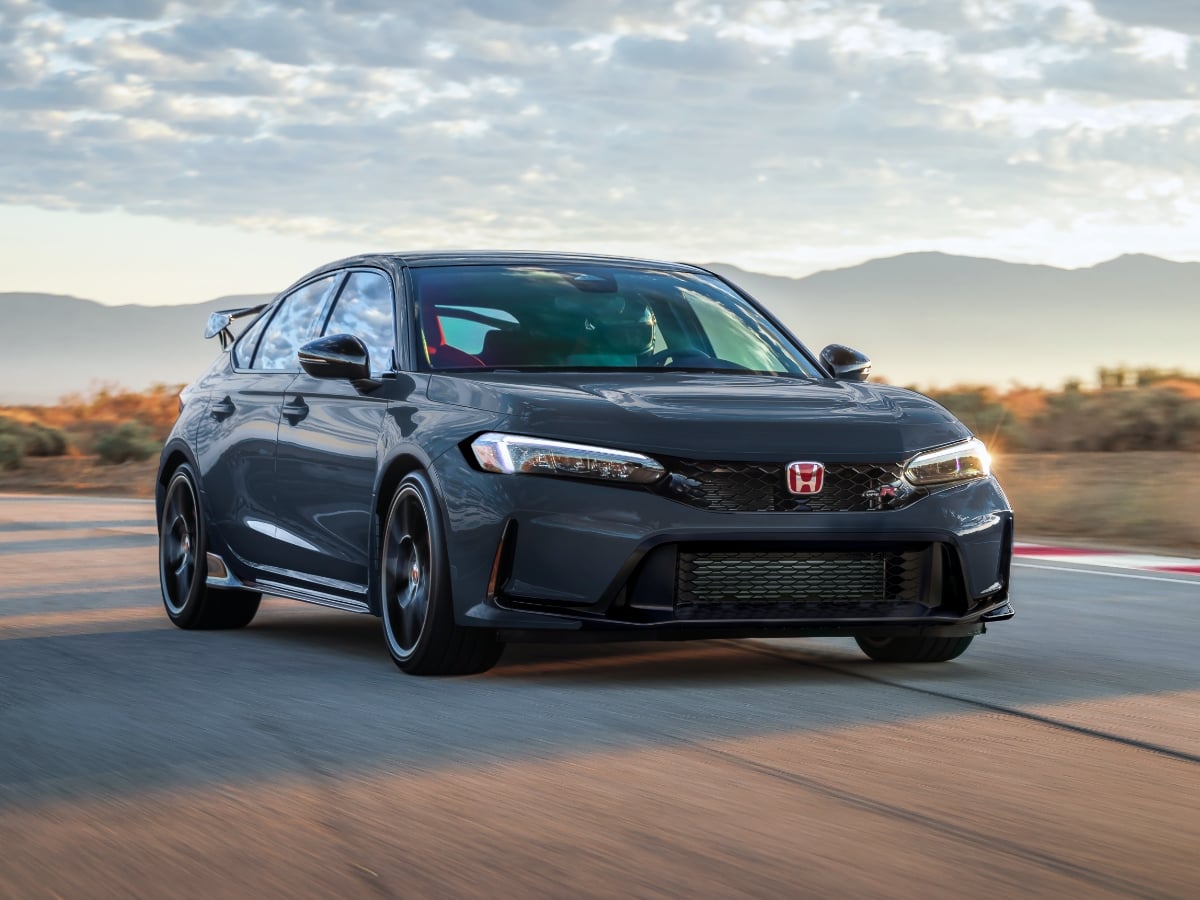
The 2027 Civic Type R goes on sale in October 2026, and it starts at $49,990, including the $1,295 destination charge.
Read the Full Article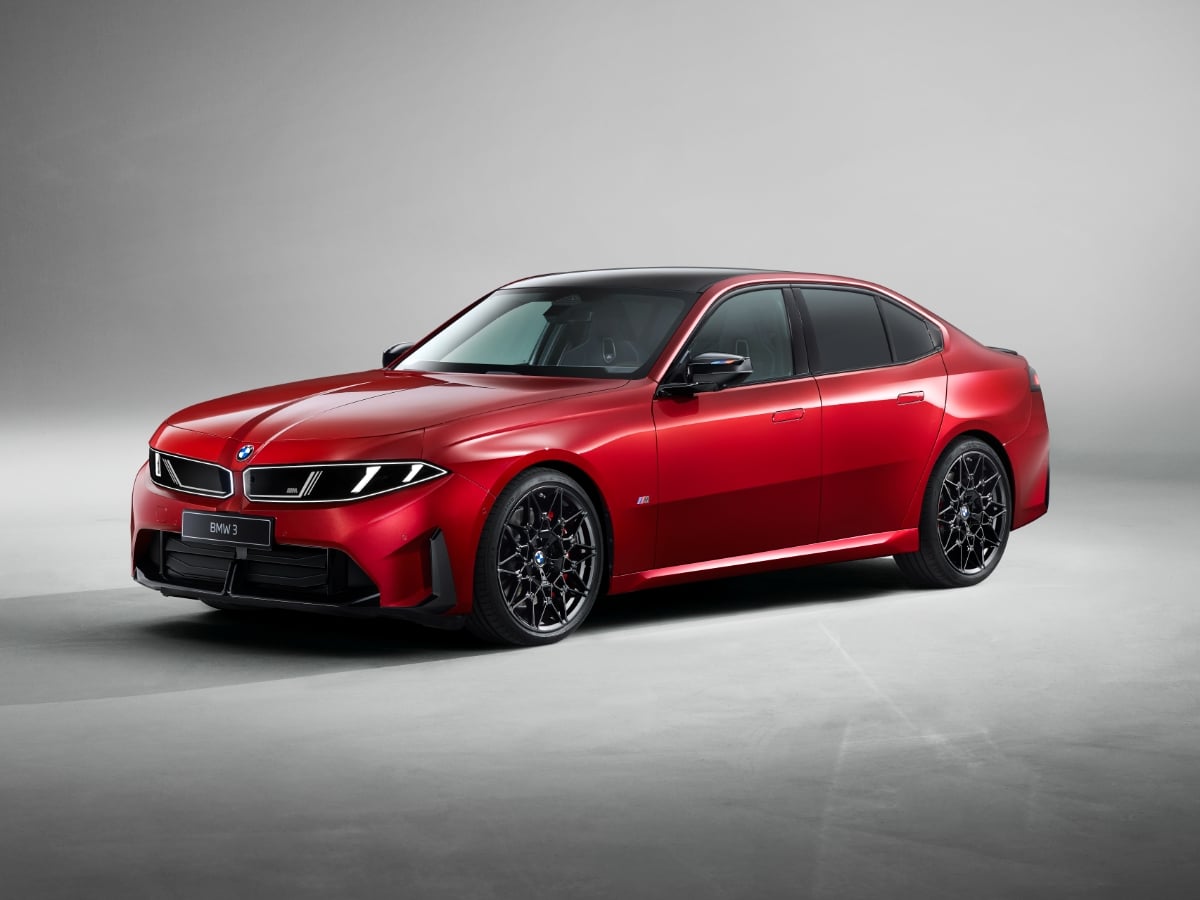
Part of BMW’s Neue Klasse (new class) rollout of redesigned models, the 2027 BMW 3 Series is all-new and goes on sale in the first quarter of 2027.
Read the Full Article