
All vehicles have blind spots. These are areas or zones on either side of a car that a driver cannot see when looking into the rearview or side-view mirrors. Blind spots are why a driver should always turn their head and check for cars before changing lanes. To help drivers become more aware of objects in these blind spots, many car companies offer vehicles with blind-spot monitoring (BSM), also known as blind-spot warning, blind-spot detection, or blind-spot information system, depending on the automaker.

BSM is an advanced driving assistance system (ADAS) designed to help increase safety by alerting the driver to vehicles that may have escaped visibility in the side-view mirrors. In simplest terms, this technology helps keep a motorist from running into another car moving in the same direction in an adjacent lane.
Although BSM is not a substitute for checking mirrors and looking over one’s shoulder, it offers an added safety measure to compensate for human error. Most BSM systems will only detect passing vehicles directly alongside, while some systems can sense objects a few car lengths back.
BSM uses radar or ultrasonic sensors located inside the left and right sides of the rear bumpers as well as cameras in the side-view mirror housings to detect vehicles within their monitored areas. A driver can generally turn this system on or off using a control panel button or a driver interface command in the vehicle’s infotainment system.
When turned on, BSM is generally operational at speeds greater than approximately 20 miles per hour. When a passing vehicle approaches and potentially enters a blind spot on either side of the car, BSM advises the driver of the vehicle’s presence.
BSM typically uses a visual indicator, an illuminated icon or flashing light in the side-view mirror, gauge cluster, or head-up display. This visual alert often accompanies an audible warning such as a beeping tone or a repeating chime.
Some BSM systems also offer a haptic alert such as vibration through the steering wheel or seat. A BSM system will offer these warnings regardless of whether the driver uses their turn signal to indicate an intention to change lanes.
More sophisticated systems can intervene with subtle autonomous steering or braking input to keep drivers from changing lanes and colliding with another vehicle. However, the driver always has absolute control and can override this feedback manually.
Some newer systems go another step further by using camera technology to provide a video image of the side of the vehicle when the driver uses the turn signal to indicate their intention to change lanes. This image will typically appear in the gauge cluster and show the adjacent lane and any object in the blind spot.
Typical scenarios in which BSM issues a warning include:
BSM systems will not issue a warning in certain situations:
With many ADAS suites, BSM works in tandem with rear cross-traffic alert. The two systems use the same sensors and cameras to detect approaching vehicles that may not be visible in the driver’s mirrors.
Although BSM is reliable and effective in its purpose, there are some potential drawbacks and nuances to its operation. Drivers should be aware of the following:
According to the Insurance Institute for Highway Safety, BSM effectively reduces the occurrence of lane-change crashes. But for the safest on-road experience, BSM should be used as an aid. Drivers should always use their turn signals, watch their mirrors, and look over their shoulders when changing lanes.


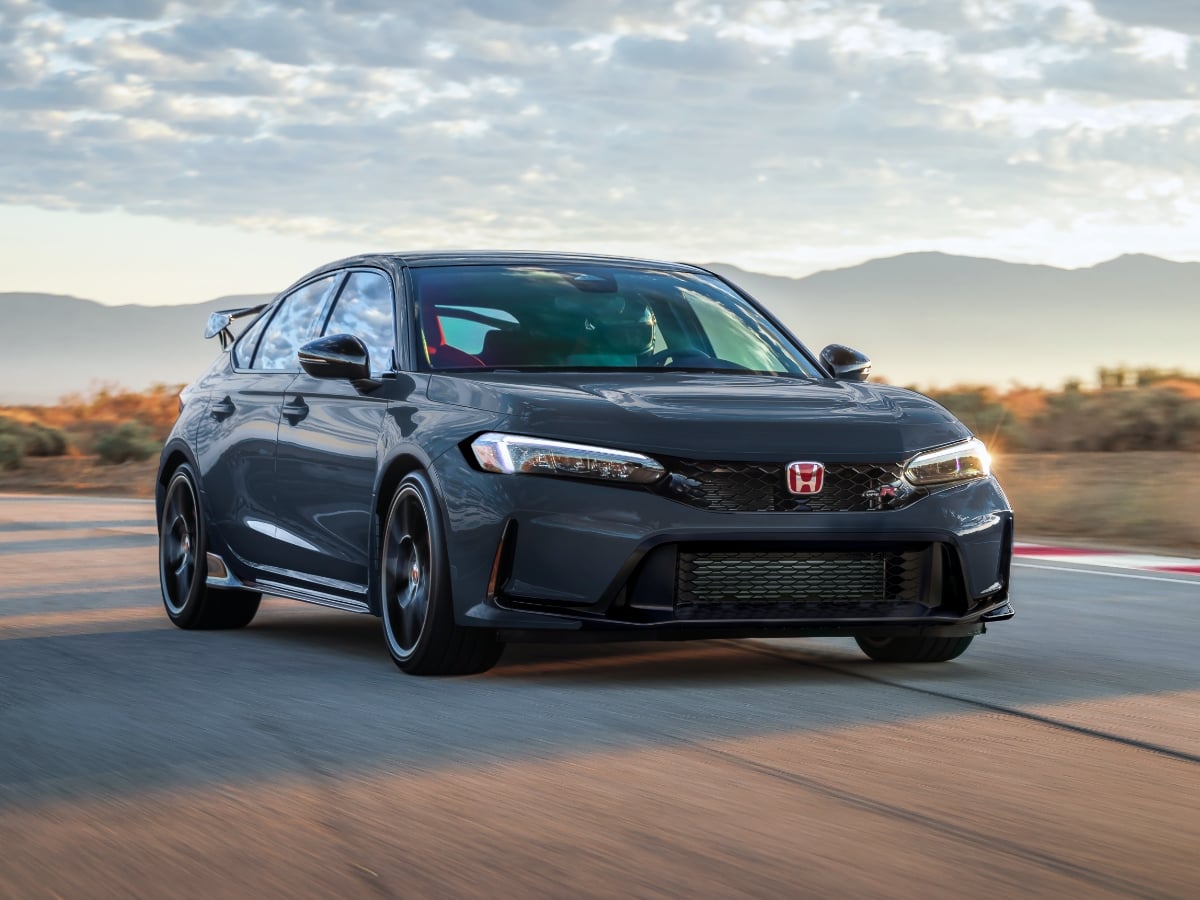
The 2027 Civic Type R goes on sale in October 2026, and it starts at $49,990, including the $1,295 destination charge.
Read the Full Article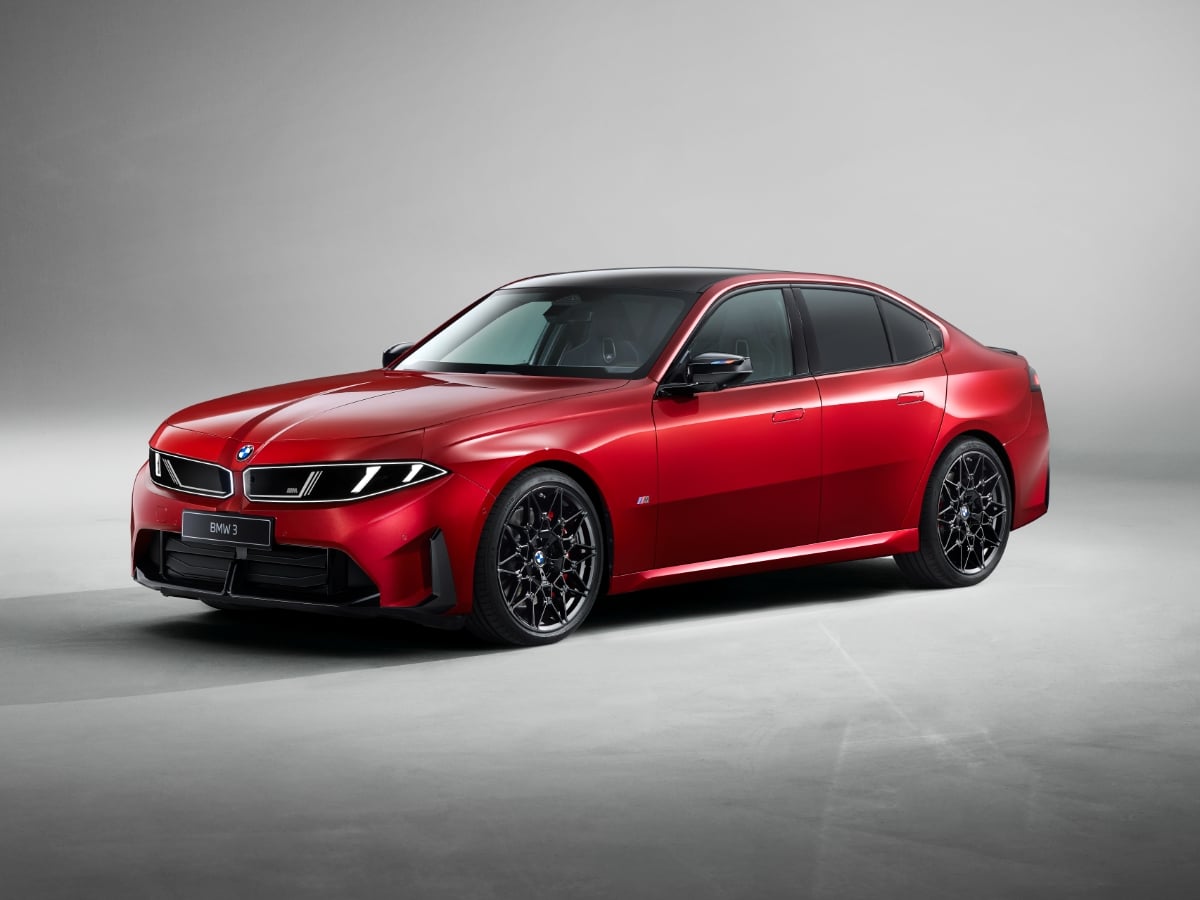
Part of BMW’s Neue Klasse (new class) rollout of redesigned models, the 2027 BMW 3 Series is all-new and goes on sale in the first quarter of 2027.
Read the Full Article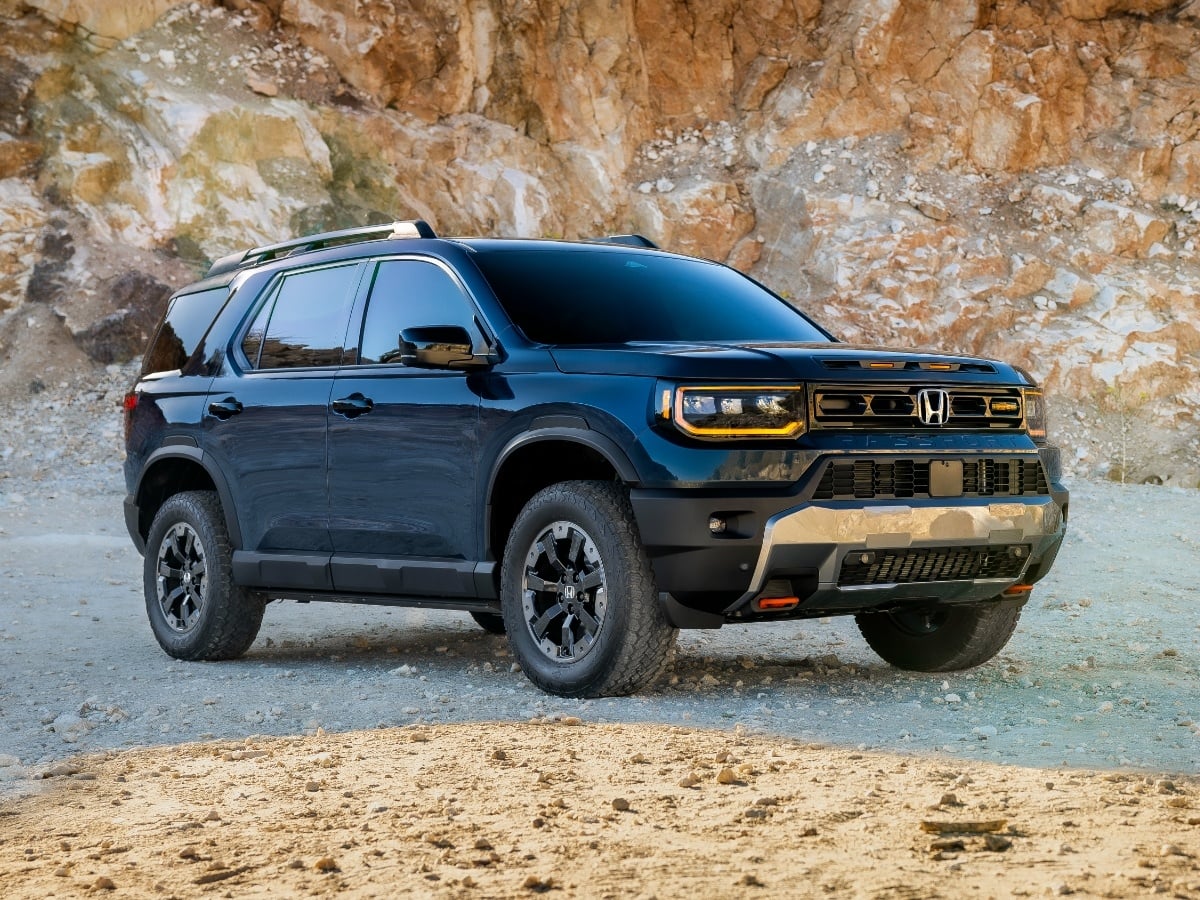
Updates to the 2027 Honda Passport TrailSport include a reworked suspension, improved steering, subtle styling enhancements, and added standard equipment.
Read the Full Article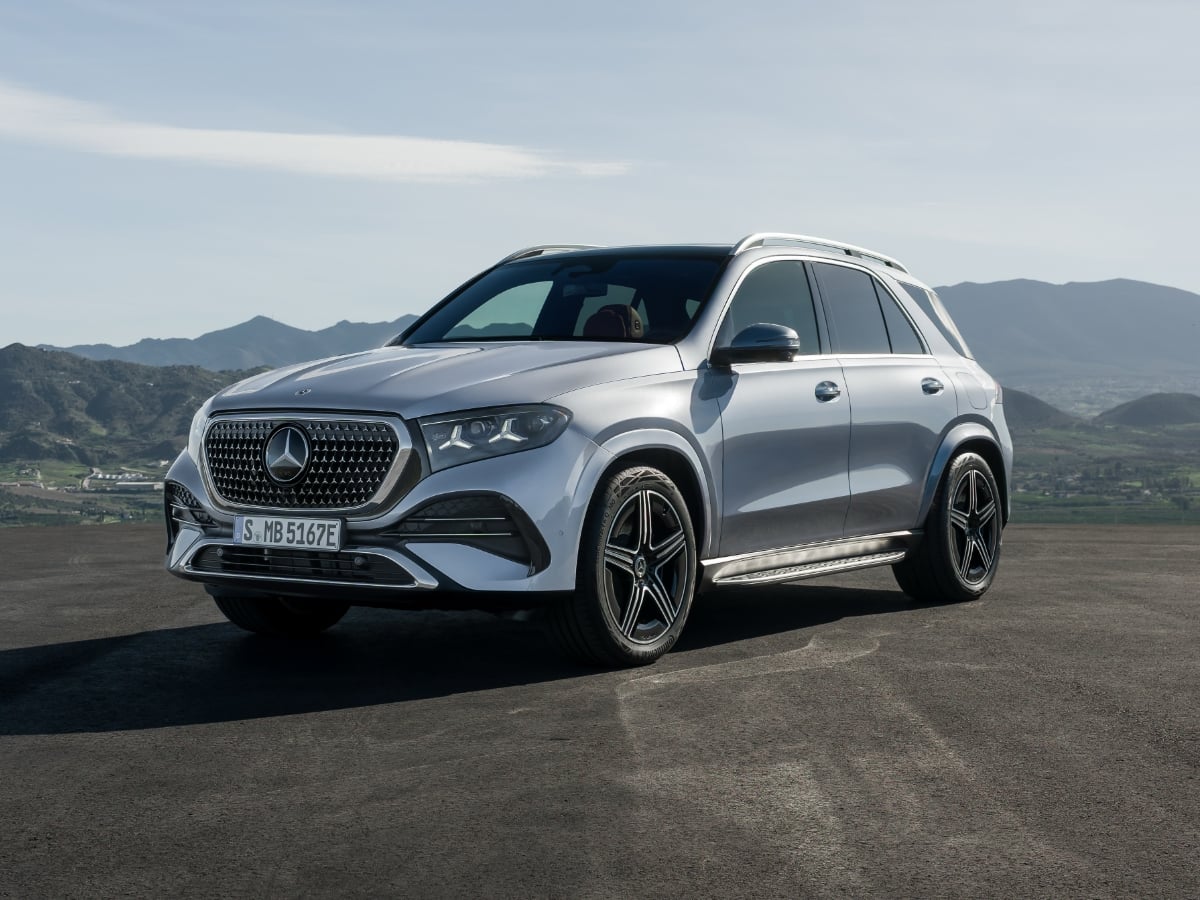
The midsize 2027 Mercedes GLE remains available in original and spicy Coupe recipes, now with standard 4Matic all-wheel drive (AWD), MBUX Superscreen technology, and a panoramic glass sunroof for ...See More
Read the Full Article