See answers to common EV questions, tax incentives, charging maps & more.
Explore EV
23 - 25
26 - 33
187
8 speed, Automatic w/OD
Regular Gasoline I-4
All Wheel Drive, Front Wheel Drive
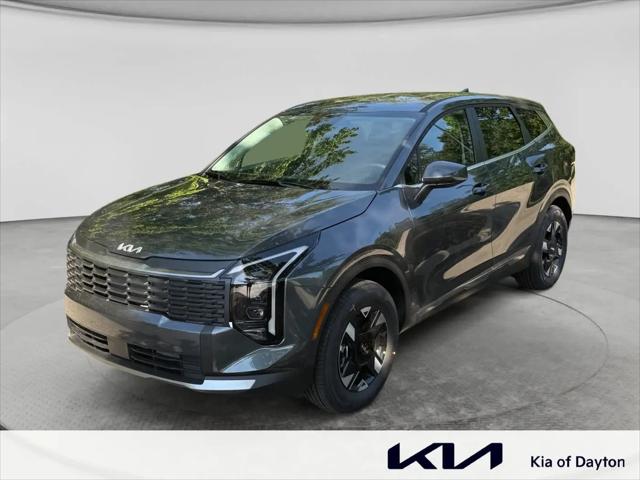
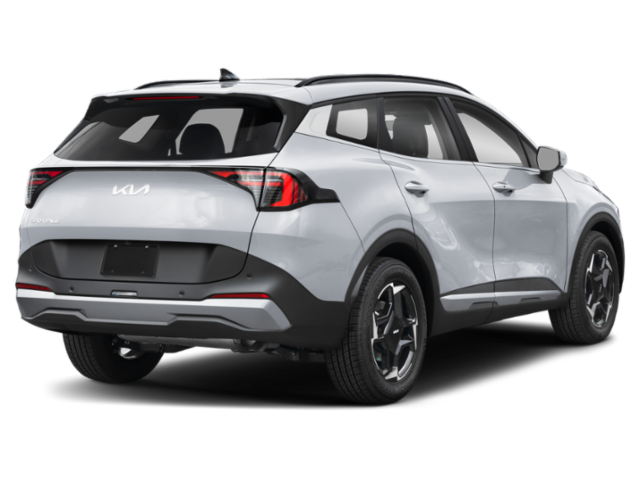
Kia's chameleon-like 2026 Sportage takes on different personalities, depending on which configuration you choose. With front- (FWD) or all-wheel drive (AWD), hybrid, plug-in hybrid (PHEV), or gas-only powertrains, plus an off-road version, the Sportage shares commonalities, including standard active driver assistance systems and a rear seat fit for real adults in order to serve families, couples, or outdoorsy singles equally well.
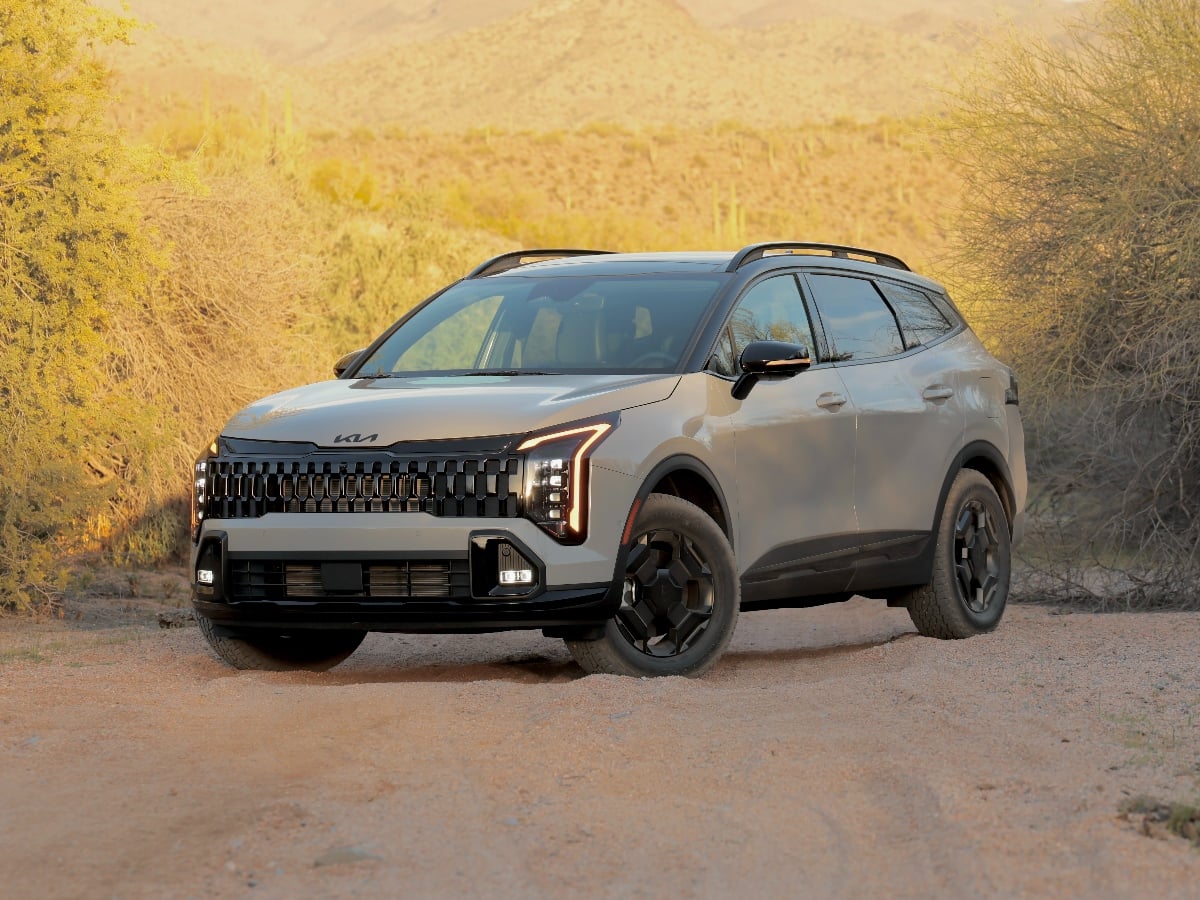
Photo: Jim Resnick
New front and rear bodywork for 2026 features "Star Map" front lighting using LEDs and new taillights. Meanwhile, new interior finishes and controls pair with a new steering wheel and a standard Smart Key with push-button start. An updated infotainment system with Kia Connect digital services joins the fray, with standard wireless Android Auto and Apple CarPlay smartphone mirroring, plus revised advanced driver assistance.
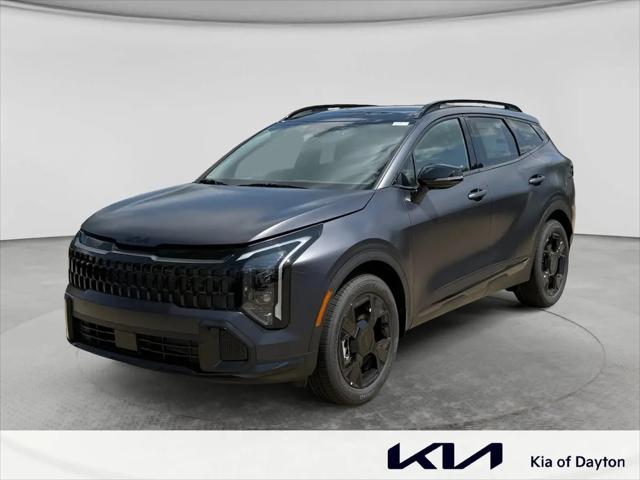
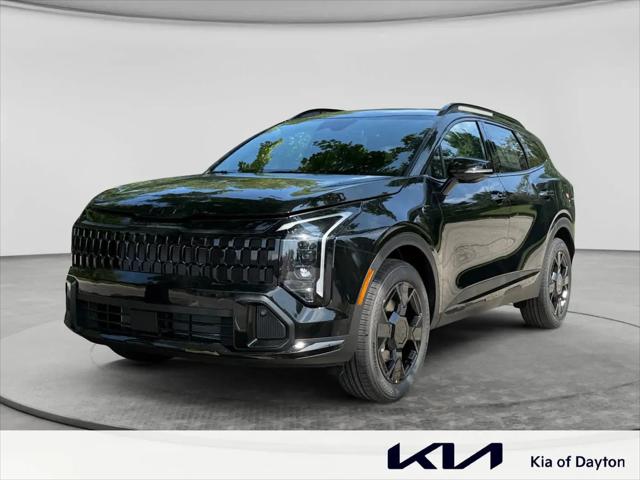
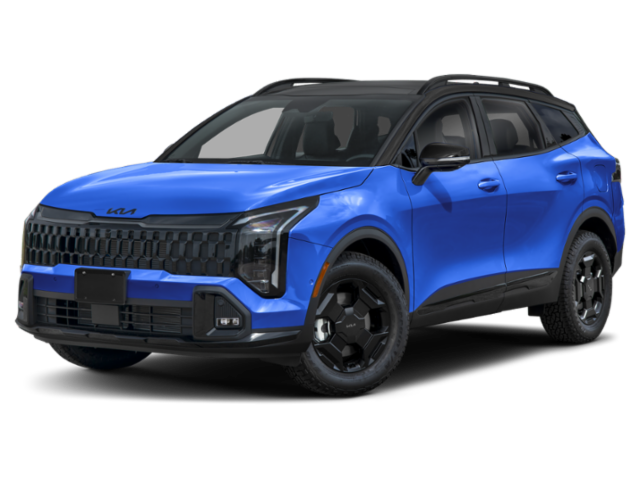
The 2026 Kia Sportage gas-only configuration is available in LX, EX, SX, SX-Prestige, X-Line, and X-Pro Prestige trim levels. The Sportage Hybrid trims include LX, S, EX, X-Line, and SX-Prestige, while the Sportage PHEV is available in X-Line and X-Line Prestige trims. Base prices range from about $30,000 to over $48,000 for the Sportage PHEV, including the destination charge.
For this 2026 Sportage review, Kia provided a test vehicle equipped with X-Pro Prestige trim and the following options:
The test vehicle’s manufacturer suggested retail price (MSRP) was $42,280, including the $1,495 destination charge to ship the SUV from the West Point, Georgia, assembly plant to a local dealership. The price does not reflect any current rebates, incentives, or price adjustments since Kia manufactured the test vehicle.
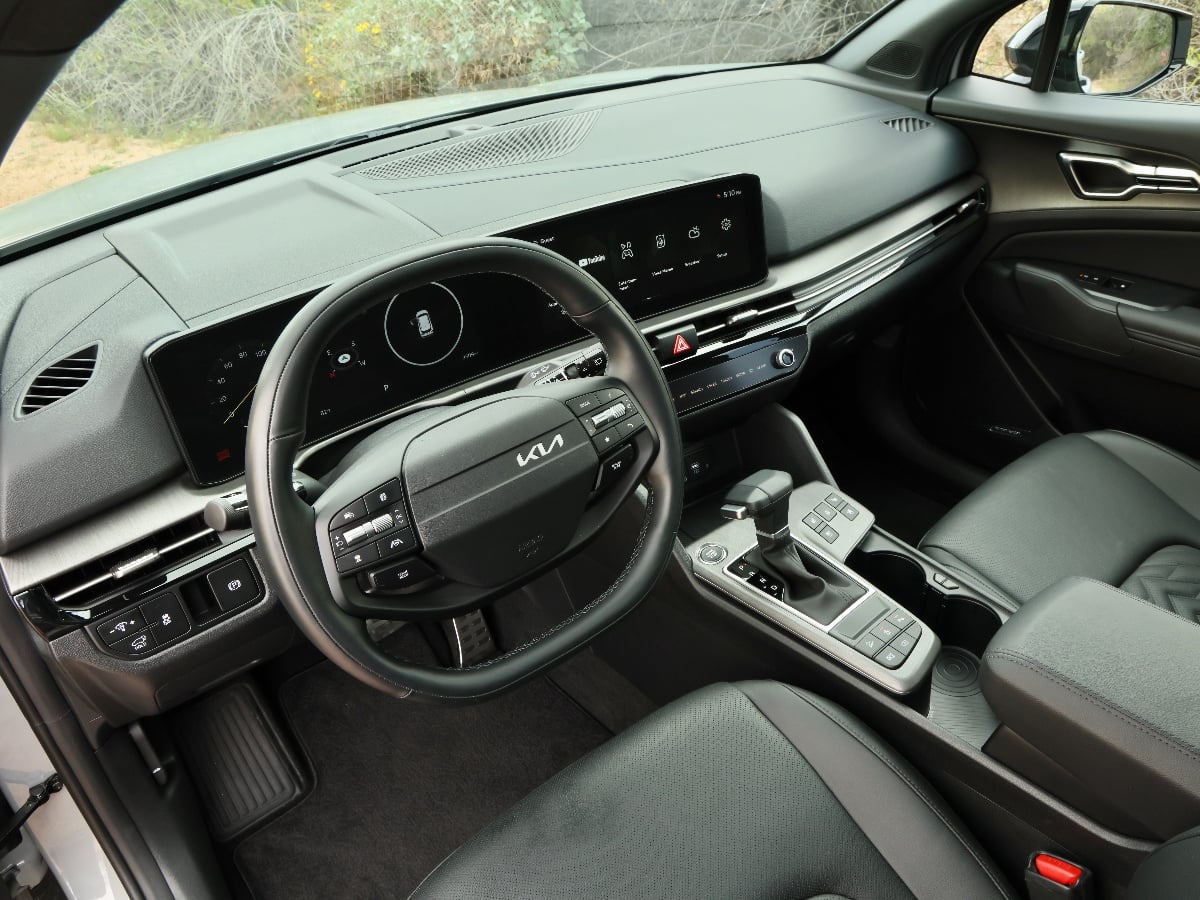
Photo: Jim Resnick
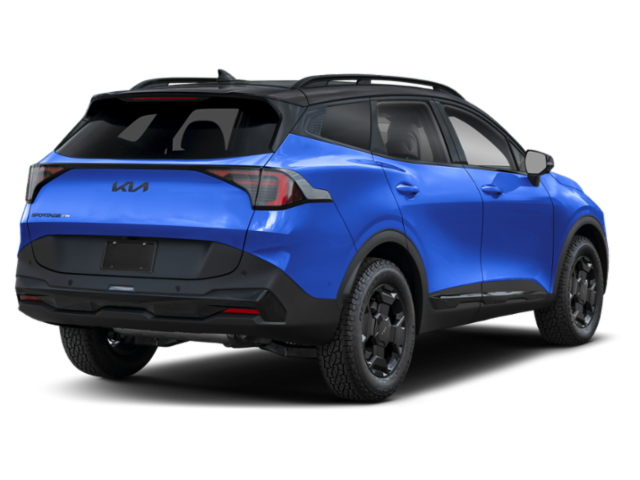
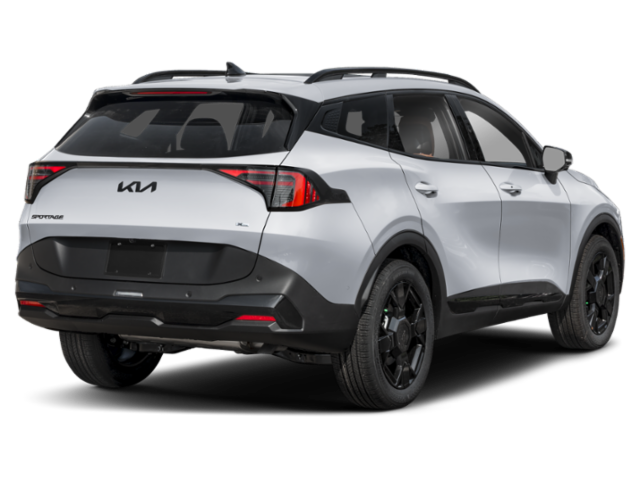
The Sportage underwent a redesign in 2023 and for 2026 receives updates to the bumpers and grille, along with new "Star Map" LED front running lights and taillights for 2026. These changes create a daring yet avant-garde look that I like.
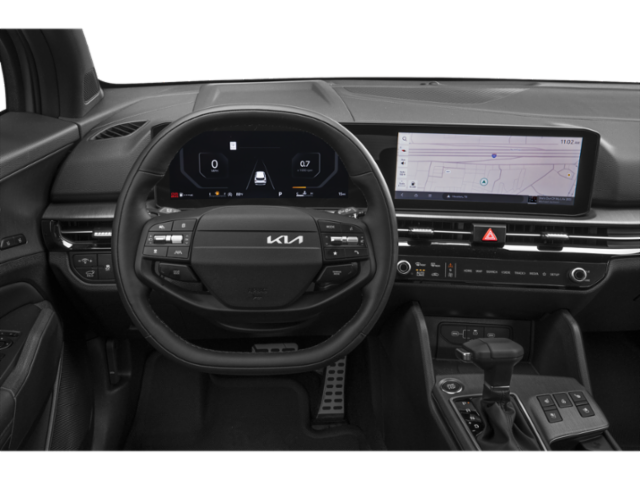
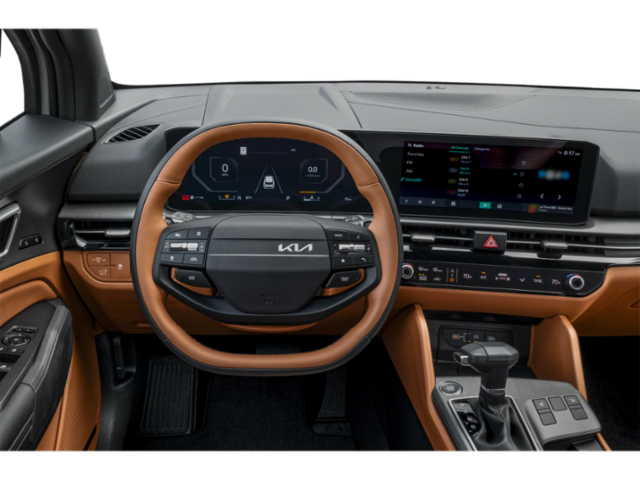
Kia fits a new steering wheel inside, plus a new dashboard design featuring horizontal vents. A smooth, curved glass screen spans most of the dashboard length in the X-Pro Prestige test vehicle, housing both the 12.3-inch infotainment display and the 12.3-inch driver instrument display.
The cabin generally echoes the high-quality, advanced feel of the wide glass display. Softer materials cover frequently touched areas. However, in remote spots not commonly seen or touched, material and finish quality drops.
Beneath the touchscreen, shortcut controls handle common audio and climate functions, and the volume and tuning knobs also double as temperature dials. While clever, this setup requires toggling between those functions, making mistakes easy. I often changed the volume when I wanted to adjust the temperature, and vice versa, and switching between them takes your eyes off the road.
There is very good comfort and support up front, even on extended drives, thanks to ventilated seats that come with the X-Pro Prestige trim. Thanks to adjustability, heating, ventilation, and solid core comfort, the front seats are winners.
A 60/40 split-folding rear seat offers above-average legroom, plus reclining seatbacks. Kia places two rear USB ports on the sides of the front seats, along with hooks in the front seatbacks for purses or bags. Thoughtful touches.
Front-seat storage is well thought out, with a generous cubby beneath the climate controls, another open bin under the center console, and retractable cupholders that transform into a handy catchall tray. It is the sort of flexibility you will appreciate every time your pockets overflow.
Out back, a two-position cargo floor helps maximize space. With 39.6 cubic feet behind the rear seats and 74.1 cubic feet once they are folded, the cargo hold edges out the Toyota RAV4 and runs neck-and-neck with the Honda CR-V. Unless you are hauling refrigerators, that is more than enough room for everyday life.
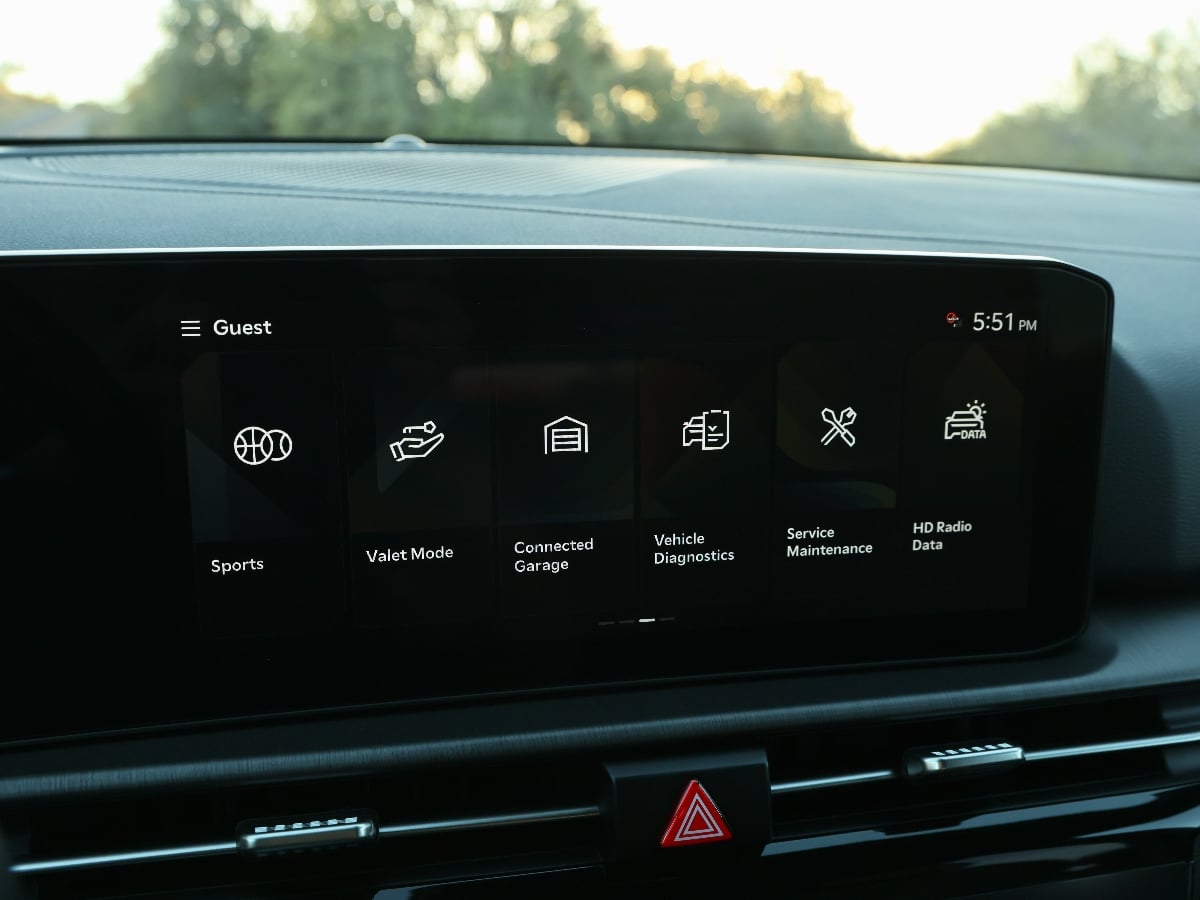
Photo: Jim Resnick
Kia equips the 2026 Sportage with a new infotainment system, the Connected Car Navigation Cockpit (ccNC). This system features two 12.3-inch dashboard displays, one for driver instrumentation and the other for infotainment.
Standard features include:
Moving up into the upper trims adds native navigation, a wireless smartphone charging mat, access to a Wi-Fi hotspot, and an upgraded 400-watt, eight-speaker Harman Kardon premium audio system.
Kia's new ccNC infotainment system oversees everything from navigation and entertainment to connected services, climate control, vehicle diagnostics, and enough digital housekeeping to make your laptop nervous.
Fortunately, using it is much simpler than explaining it. The interface organizes the information above into clean, intuitive menus. Large, customizable tiles make it easy to find and rearrange the functions you use most. It is one of those systems that largely stays out of your way, a compliment that is harder to earn than you might think.
A three-year Kia Connect subscription (included with the test vehicle) adds connected services, including a surprisingly capable voice assistant that had no trouble understanding commands, or even trickier names like "Chipotle" and "Roka Akor."
There is one puzzling exception, however. Switching between Apple CarPlay and the radio requires tapping a tiny source button that is not on the audio screen, where any reasonable person would look first. Once found, it works fine. The trick is finding it. Also, my iPhone took an unusually long time to pair the first time. Subsequent reconnections were quick and uneventful, though.
The high-zoot, eight-speaker Harman Kardon stereo included with the X-Pro Prestige performs well. It delivers clean, balanced sound, but it will not have audiophiles salivating. Systems like Volvo's excellent Bowers & Wilkins setup still play in a different league.
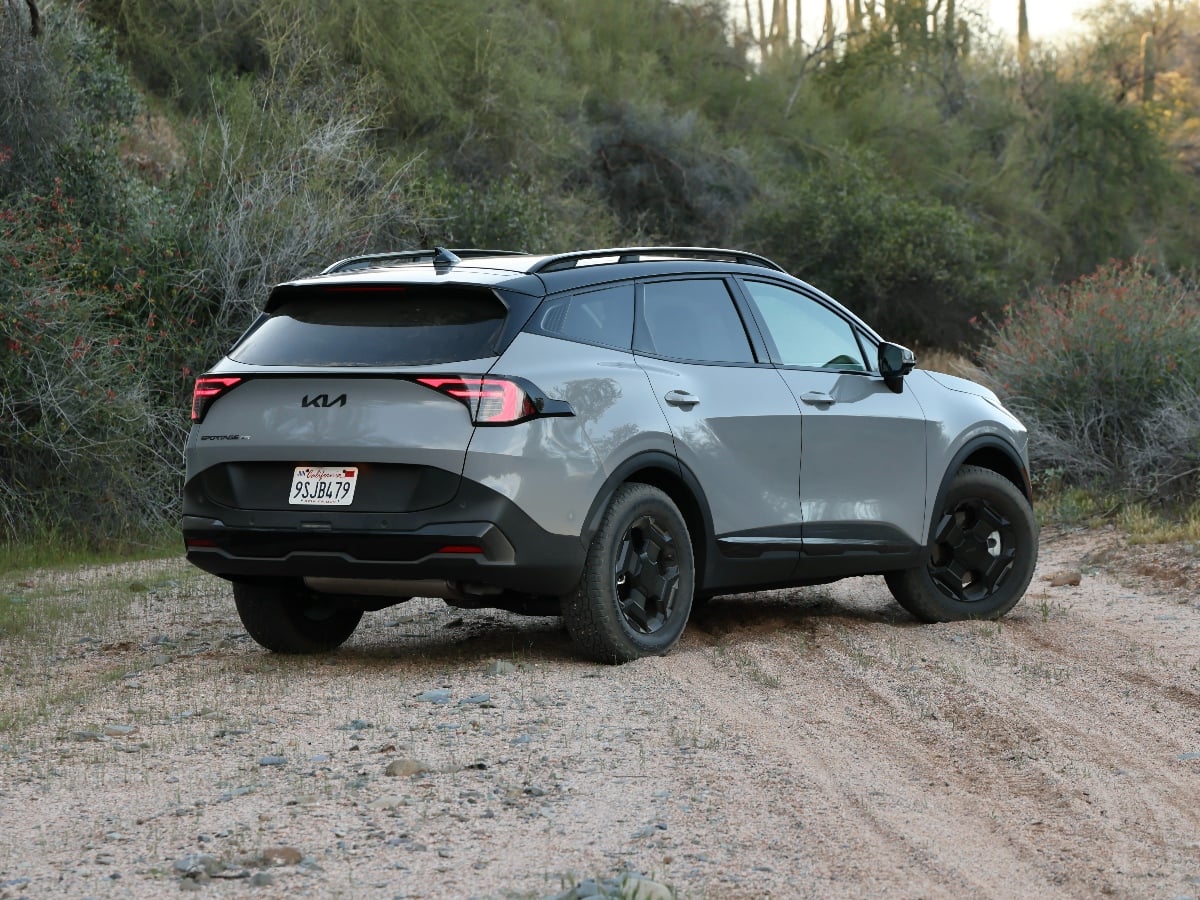
Photo: Jim Resnick
The Sportage X-Pro uses a 2.5-liter four-cylinder engine producing 187 horsepower and 178 pound-feet of torque, sending power through an eight-speed automatic transmission to all four wheels. It carries a combined EPA fuel economy rating of 24 mpg, though in my mix of highway and suburban driving, I saw 23.6 mpg.
Those 187 hp and 178 pound-feet figures might seem low for a 2.5-liter engine in 2026. They are, but the transmission's eight speeds make the most of that power in the lower gears, so the Sportage never feels sluggish. Sport mode keeps the transmission in one gear lower than normal, improving response. Under hard acceleration, the four-cylinder engine sounds busy but not harsh.
The X-Pro offers Terrain modes with Snow, Mud, and Sand settings optimized for limited off-roading and winter driving. The X-Pro also gets a slight ride height lift from the suspension, increasing ground clearance to 8.3 inches (up from 7.1 inches), plus knobby all-terrain 17-inch BFGoodrich Trail-Terrain T/A tires for better grip on softer, looser surfaces.
Surprisingly, the X-Pro drove very quietly on the freeway; the all-terrain tires should have produced more noise. It also had good ride quality, though big dips and uneven, undulating pavement caused more body motion than in most compact SUVs. In my opinion, this is due to the X-Pro trim's higher ride height and more compliant spring rates.
The Sportage X-Pro is happiest when the pavement either straightens or ends, but not so much when the corners begin. That softer suspension and all-terrain tires trade sharp handling for off-road confidence, resulting in noticeable body roll and modest grip on winding roads. The brakes never miss a beat, delivering strong stopping power and a reassuring pedal feel on any surface.
While driving on my prescribed off-road trails, the Sportage X-Pro handled dirt trails, modest rocks, and loose sand, where the tires sank about six inches into the surface. The X-Pro never bogged down with Terrain mode set to Sand. Honestly, though, the well-engineered AWD system must share some plaudits with the capable BFGoodrich Trail-Terrain A/T tires.
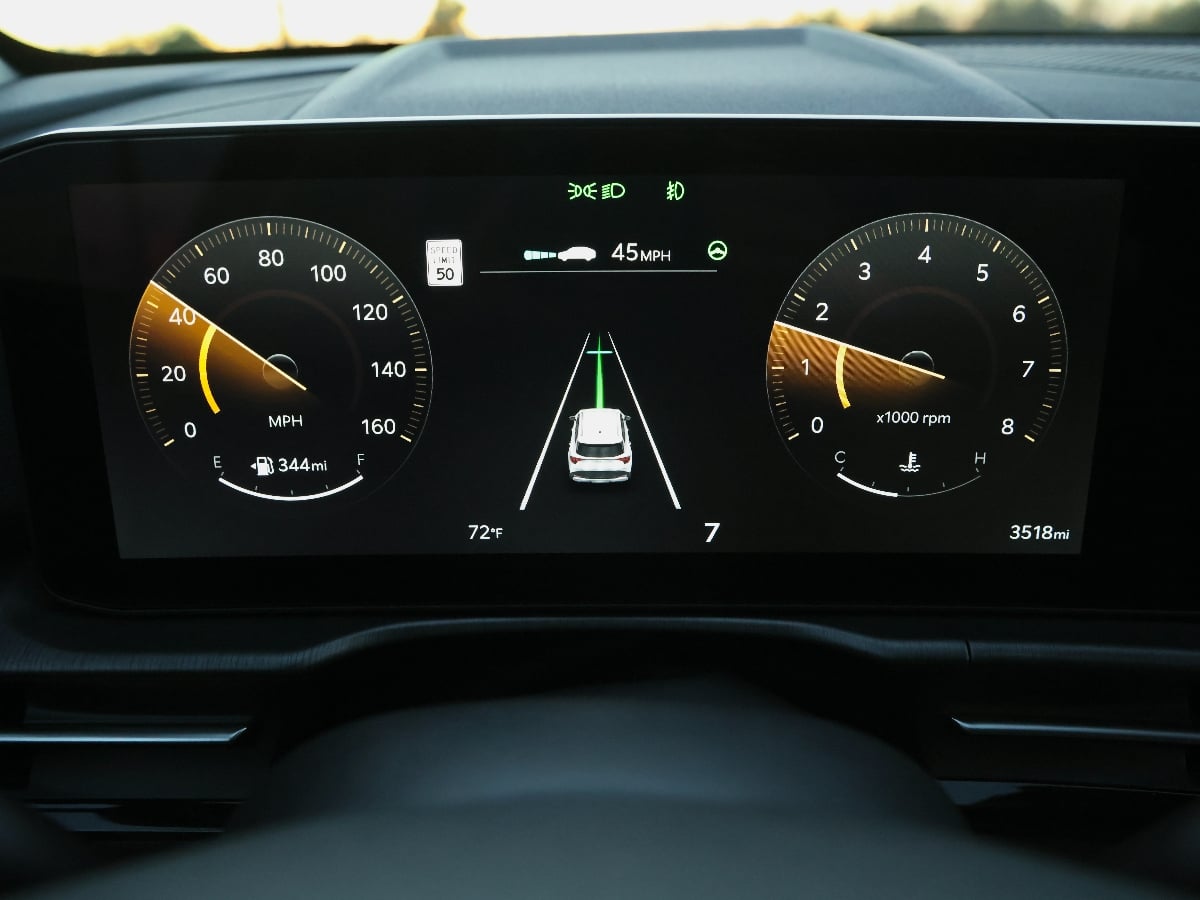
Photo: Jim Resnick
The 2026 Sportage comes standard with a full complement of advanced driver assistance systems (ADAS). These include:
Higher Sportage trims, such as the X-Pro Prestige tester, include the following features:
The X-Pro Prestige adds navigation-based adaptive cruise control, which automatically adjusts speed for upcoming curves, along with Highway Driving Assist 2 (HDA2). HDA2 can even execute a lane change on its own after you signal, provided the adjacent lane is clear.
In practice, the system is impressively polished. Adaptive cruise and lane centering worked together to maintain a consistent gap, keep the Sportage neatly centered, and blend smoothly with merging traffic. Automatic lane changes were consistently calm and drama-free.
One quirk—and this does not affect dynamic performance—is how long the system permits hands-off driving before intervening. In testing, it allowed more than two minutes to pass at 65 mph on the highway and more than a minute on a secondary road before prompting me to take the wheel. Nothing untoward occurred, but those alerts came much later than I expected.
Kia also includes several thoughtful driver aids as standard. Junction Turning Assist, Kia’s term for intersection turn assistance, can intervene if you start turning into oncoming traffic. At the same time, Leading Vehicle Departure Alert politely alerts you when the car ahead has moved on, a feature especially useful if your attention has wandered to your phone.
Regarding safety ratings, the 2026 Sportage earned a “Top Safety Pick+” accolade from the Insurance Institute for Highway Safety (IIHS) for the 2026 calendar year, the organization's highest honor. The federal government's National Highway Traffic Safety Administration (NHTSA) also gave the 2026 Sportage a five-star safety rating, its highest possible score.
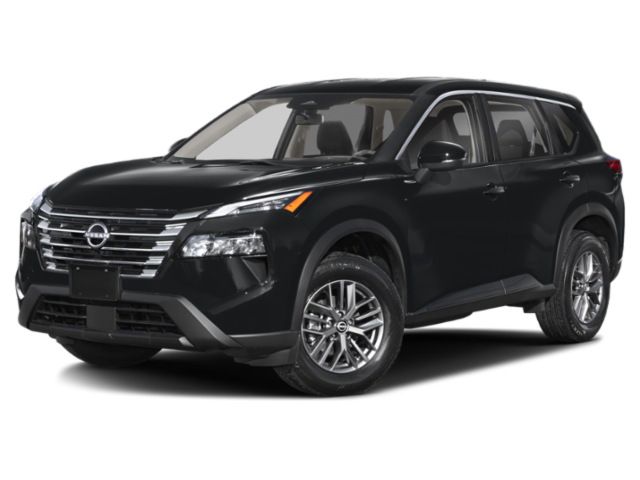
According to the JD Power 2026 Initial Quality Study (IQS), the Nissan Rogue ranks highest in the Compact SUV segment, with the Ford Escape and Buick Envision ranked second and third, respectively.
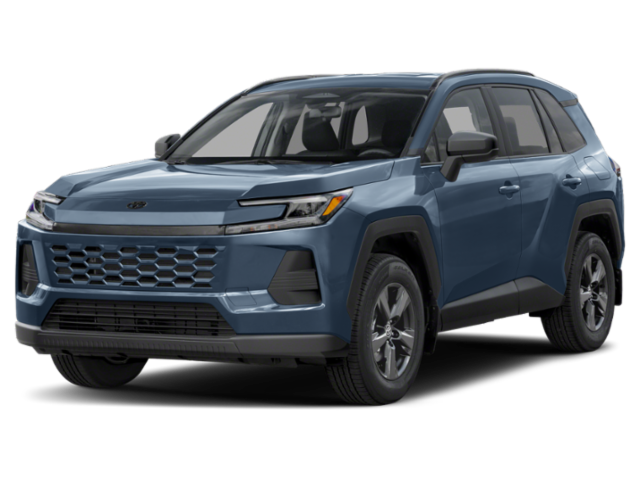
According to the JD Power 2026 Automotive Performance, Execution and Layout (APEAL) Study, the Toyota RAV4 ranks highest in the Compact SUV segment, with the Nissan Rogue and Kia Sportage ranked second and third, respectively.
Other 2026 Sportage competitors include the Chevrolet Equinox, Honda CR-V, and Jeep Cherokee.
The 2026 Kia Sportage combines generous passenger and cargo space, abundant standard safety and convenience features, and respectable soft-road capability in X-Pro form. The gasoline engine's mediocre fuel economy is its biggest drawback, but the hybrid and plug-in hybrid models address it well. In a crowded compact SUV segment, the Sportage deserves a spot on any shopper's shortlist.
Jim Resnick is an author specializing in automotive, mobility, technology, and related topics. He has lectured at universities about the auto industry's relationship with government legislation, drawing on his experience as Technical Editor and Editor-in-Chief. In addition to jdpower.com, his work has appeared in more than 30 media outlets, including Wired, The New York Times, Car and Driver, Kelley Blue Book, and the BBC.