See answers to common EV questions, tax incentives, charging maps & more.
Explore EV
24 - 25
30 - 33
187
8 speed, Automatic w/OD
Regular Gasoline I-4
All Wheel Drive, Front Wheel Drive
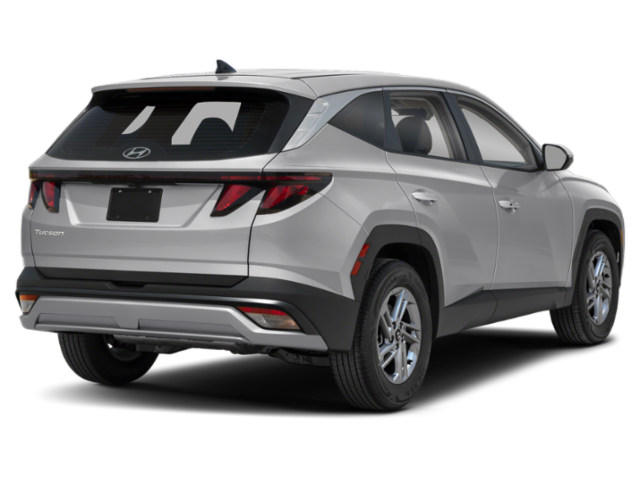
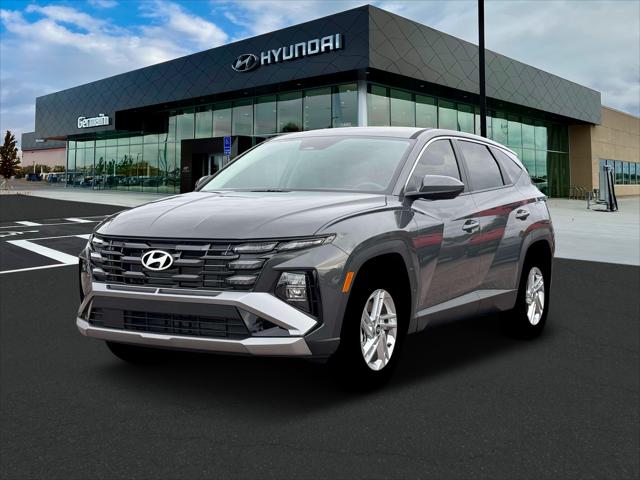
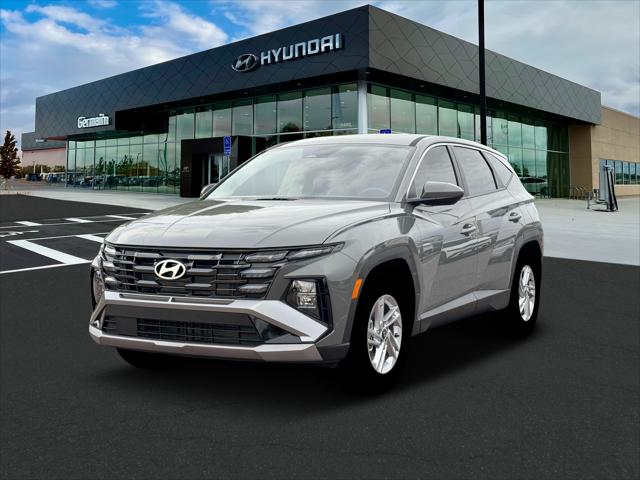
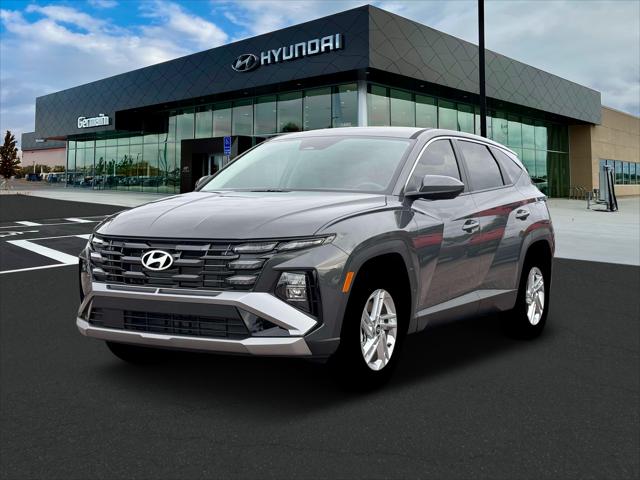
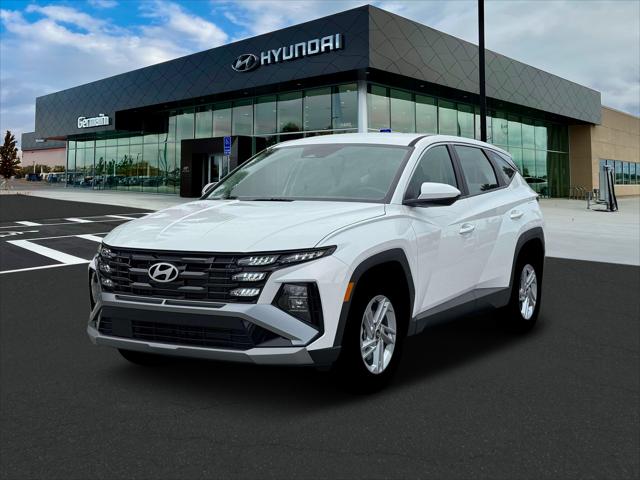
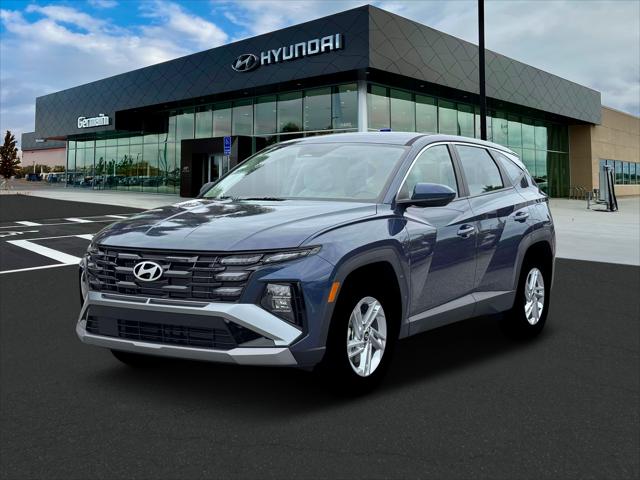
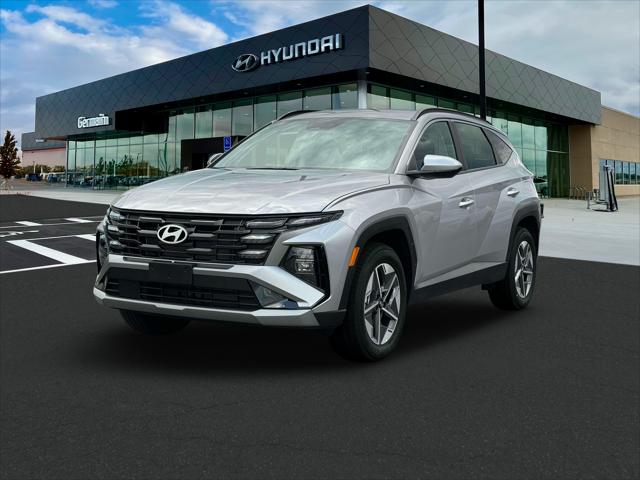
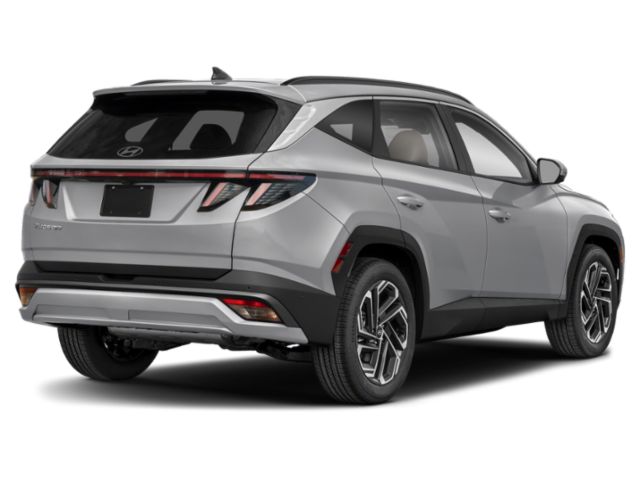
For 2026, the Hyundai Tucson compact SUV receives several updates to its trim levels, along with a few minor capability improvements.

The Tucson Hybrid lineup sees the most significant changes for 2026. The new Blue SE trim becomes the base model, while the former Blue trim is renamed SEL. Additionally, Hyundai discontinues the sporty Hybrid N Line.
Meanwhile, the gas-only Tucson's towing capacity increases to 2,750 pounds from 2,000, and Hyundai adds a Terrain mode for driving in mud, snow, and sand to the more rugged Tucson XRT. The Tucson Plug-in Hybrid (PHEV) also now includes a Level 1/Level 2 combo charging cable; it previously only had a Level 1, the same plug you use for a toaster or a TV.
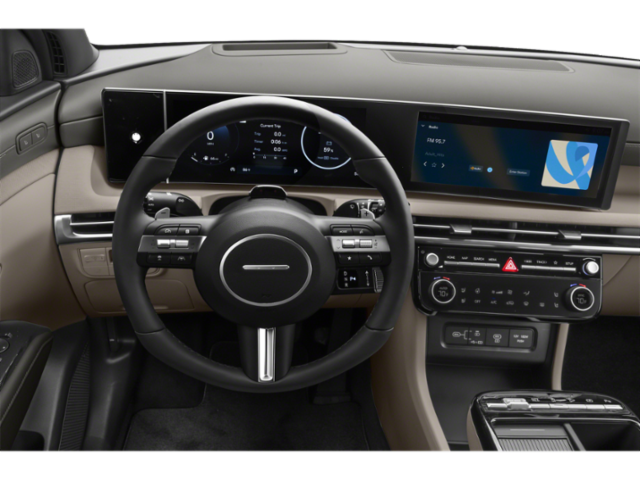
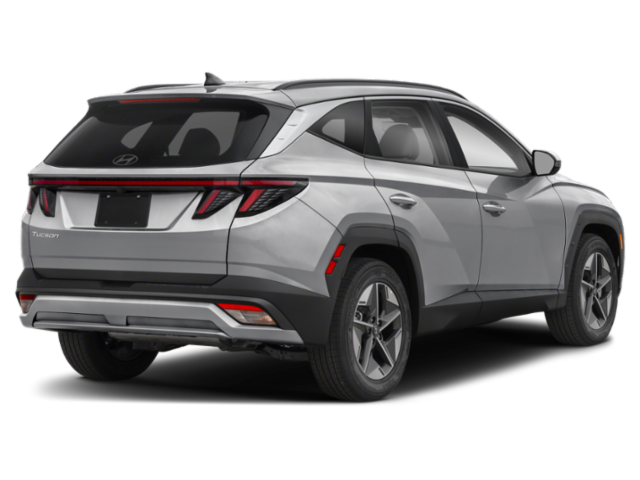
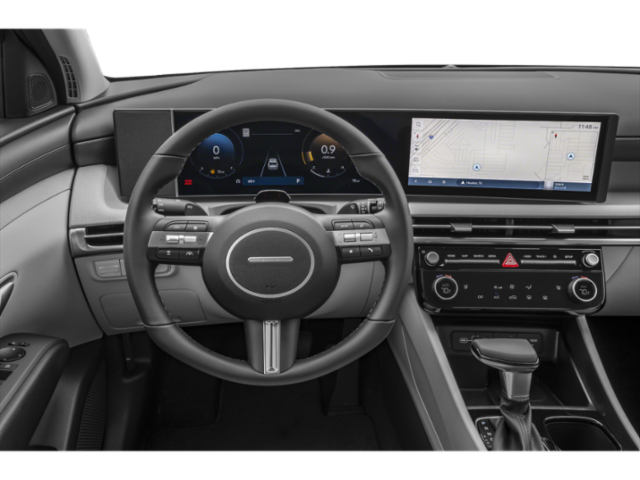
Otherwise, the Tucson carries over from 2025. This generation debuted in 2022 and was significantly updated for 2025 with subtle exterior changes, a new cabin design featuring updated tech and controls, and new feature content.
The 2026 Tucson continues to stand out with its distinctive lineup of gas-only, hybrid, and plug-in hybrid powertrains. With two exceptions, each can be paired with the same trim levels.
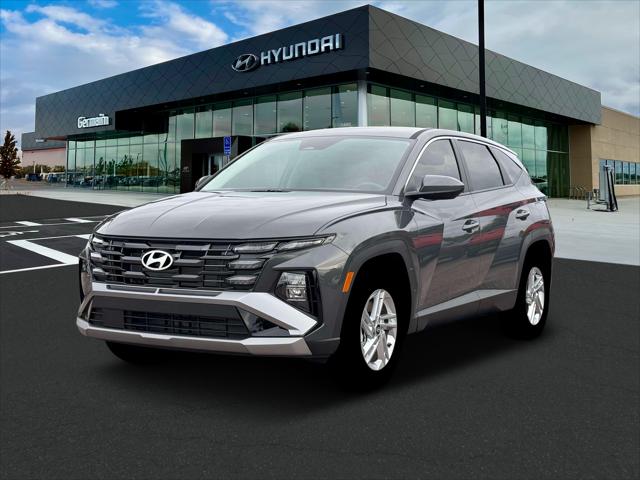
The gas-only Tucson comes with a 2.5-liter four-cylinder engine producing 187 horsepower and 178 pound-feet of torque. It gets an EPA-estimated 28 mpg combined with standard front-wheel drive and 26 mpg combined with all-wheel drive (AWD). Available trims include SE, SEL, SEL Convenience, and Limited, along with the exclusive XRT model, which features plastic body cladding, unique wheels, and dark exterior accents.
The Tucson Hybrid offers a strong mix of performance and fuel efficiency. It features a turbocharged four-cylinder engine, an electric motor, and a six-speed automatic transmission, producing a total of 231 hp and 271 pound-feet of torque. All-wheel drive comes standard. Fuel economy ranges from 36 to 38 mpg combined, depending on the trim level. It is available on all trims except the XRT.
Finally, there is the Tucson PHEV, available only in SEL and Limited trims. It builds on the standard hybrid with a much larger battery, providing an EPA-estimated 32 miles of electric range. It is expected to achieve 77 miles-per-gallon-equivalent (MPGe), the EPA’s special efficiency measure for plug-in hybrids.
Technology is another strong point for the 2026 Tucson. Standard on every trim is a 12.3-inch touchscreen with wireless Apple CarPlay and Android Auto smartphone mirroring, over-the-air update capability, four USB ports, and satellite radio. Safety technology is impressive in both volume and quality. Adaptive cruise control with stop-and-go capability comes standard, along with forward collision warning, blind spot warning, rear cross-traffic warning, lane keeping assistance, and a driver monitoring system.
Starting prices range from $31,300 to just over $41,275 for the gas-powered Tucson (all prices include the $1,600 destination charge). The Tucson Hybrid goes from $34,300 to $43,925. Meanwhile, the Tucson PHEV begins at either $42,175 (SEL) or $50,400 (Limited).

The Tucson is one of the better options in a crowded field of compact SUVs. Strong competitors that also offer hybrids include the Honda CR-V, Kia Sportage, Mazda CX-50, Subaru Forester, and Toyota RAV4. The Sportage and RAV4 are also available as plug-in hybrids, as are the Mitsubishi Outlander and its Nissan Rogue clone. The Tucson’s blend of space, technology, powertrain options, and price should make it competitive with any of the above.
Hyundai is the source of information in this article. It was accurate as of December 2, 2025, but it may have changed since then. Always confirm product details and availability with the automaker’s website or your local dealership.
James Riswick has been testing and reviewing cars since 2007, serving as an editor at Edmunds.com and Autoblog. In addition to JDPower.com, he has also contributed to Autoguide Magazine, Autotrader, Capital One Auto Navigator, Car and Driver, and Hagerty. He resides in Southern California and owns a 1998 BMW Z3, a 2013 Mercedes-Benz E350 Wagon, and a 2025 Cadillac Optiq.