
Many advanced driving assistance system (ADAS) suites now include intersection turn assistance (ITA). Although the proprietary name for this technology may differ among automakers, its overall purpose and premise are the same: to help drivers navigate intersections more safely and with greater confidence by assisting them to avoid a collision with a vehicle, pedestrian, or cyclist at a cross street.

According to the U.S. Department of Transportation's Federal Highway Administration, a significant number of traffic accidents involving injuries or fatalities happen at intersections. Compromised visibility is the main reason intersections are dangerous. Often, traffic signs, moving and parked vehicles, trees, and buildings impede sightlines at crossroads. If there are no stop signs at an intersection and a driver cannot see for 100 feet in either direction on approach, an intersection is considered blind.
One of the most severe types of crashes at an intersection occurs when a driver is attempting a left turn. These crashes often happen because a driver does not correctly judge a vehicle's distance and speed coming from the opposite direction. Or they think the driver coming from the opposite direction plans to stop before reaching the intersection. Because of such scenarios, ITA technology is often generically recognized as Left Turn Assistance.
Whether the cause is driver distraction, poor overall visibility, an error in judgment, or a wrong decision, intersections are potentially dangerous roadway interchanges for drivers of all experience levels.
ITA systems monitor the presence of other vehicles, pedestrians, and cyclists at an intersection and either warn the driver of imminent danger or automatically apply the brakes to prevent a collision or to lessen the severity of a crash.
This technology typically relies on radar sensors and front cameras to detect traffic ahead and to the sides. Some automotive brands also incorporate lidar systems to "see" the roadway in all directions. The system will warn the driver of potential dangers with audible, visual, or haptic alerts. If these warnings are not enough to avert an accident, some intersection turn assistance systems will engage the brakes to prevent a collision.
Many ITA systems work with other ADAS technologies, such as pedestrian and cyclist recognition, cross-traffic alert, and forward-collision warning. Together, these systems can monitor a series of potential hazards that may arise at an intersection from the front or sides.
When making left-hand turns, ITA systems generally operate at low speeds, between 5-8 miles per hour. When a driver attempts to make a left turn at an intersection and an oncoming vehicle is detected, the system will apply the brakes to avoid a head-on collision.
In the same way, ITA systems may also monitor the traffic moving perpendicularly at an intersection and apply the brakes if a vehicle approaches from the side. This situation may occur when the driver attempts a right-hand turn at an intersection or drives directly through the intersection. In these cases, the automatic braking function will potentially prevent a broadside collision, also known as a "t-bone."
Systems that work in tandem with pedestrian and cyclist detection will behave similarly, incorporating automatic emergency braking to avoid a collision.
According to the National Highway Traffic Safety Administration (NHTSA), Vehicle-to-Vehicle (V2V) technologies that apply ITA will help make intersections even safer. As a growing number of vehicles communicate with each other, the likelihood of an accident at an intersection may decrease significantly.
The NHTSA report produced the following results based on its study of the deployment of intersection collision-avoidance systems:
As these technologies undergo wider deployment and become more sophisticated, their effectiveness should increase over time.
Many automakers offer ITA as part of their ADAS technology suites. The system's name may be different for each, and the functionality may vary in specific ways, but the overall goal remains the same: to make intersections safer.


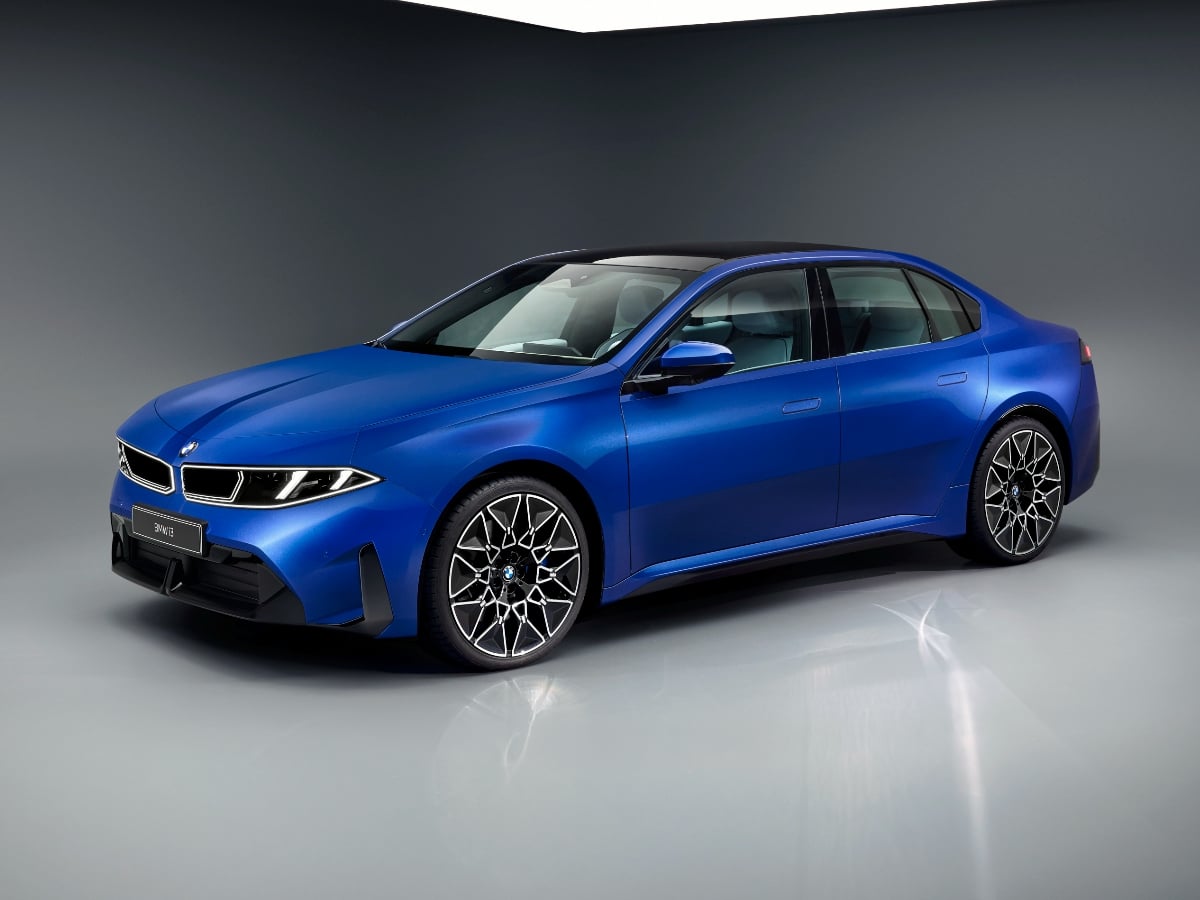
The new 2027 BMW i3 boasts an estimated range of up to 440 miles, 400-kilowatt DC fast charging capability, bidirectional charging to a home or the grid, and next-generation technology.
Read the Full Article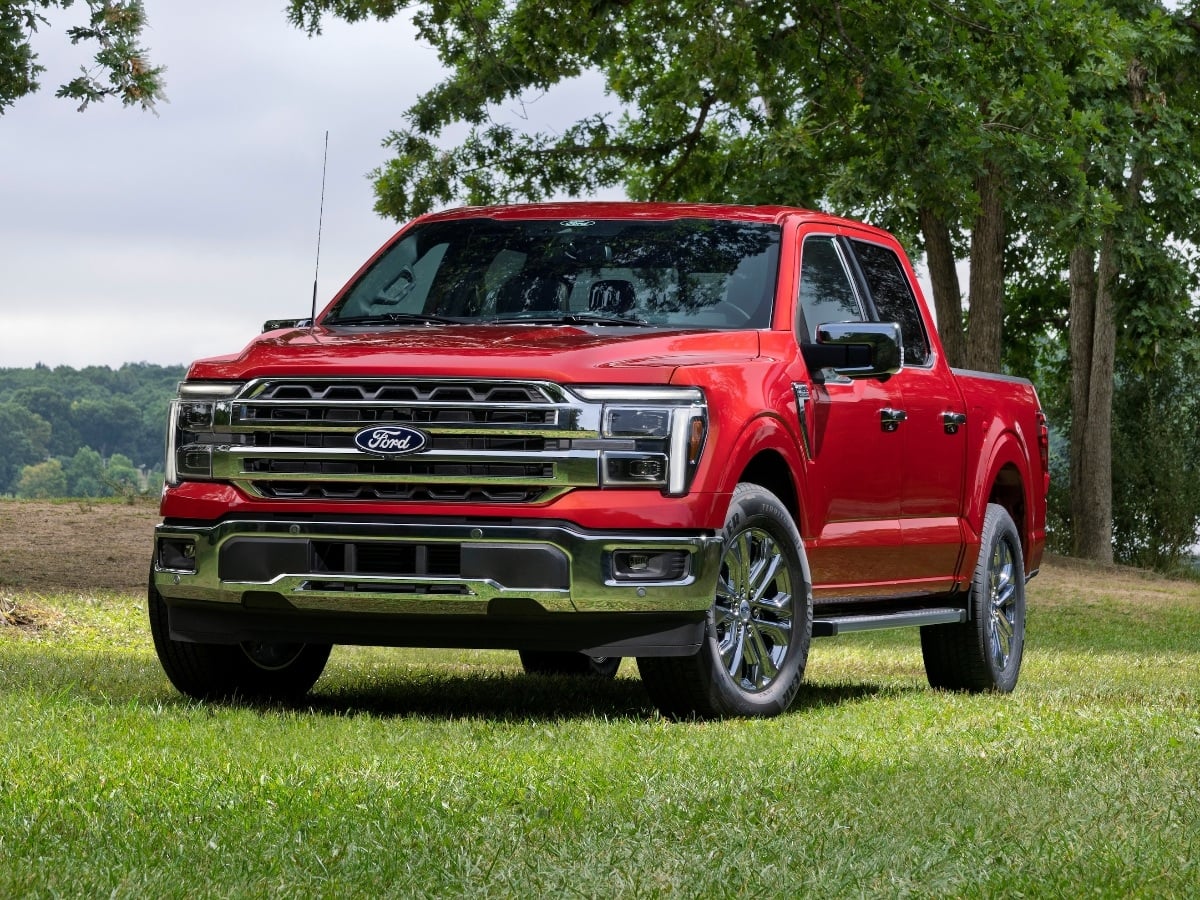
Facing renewed competition in the full-size, light duty pickup truck segment, the 2027 Ford F-150 receives subtle styling updates, a new standard engine, broader availability of its 5.0-liter V8, and ...See More
Read the Full Article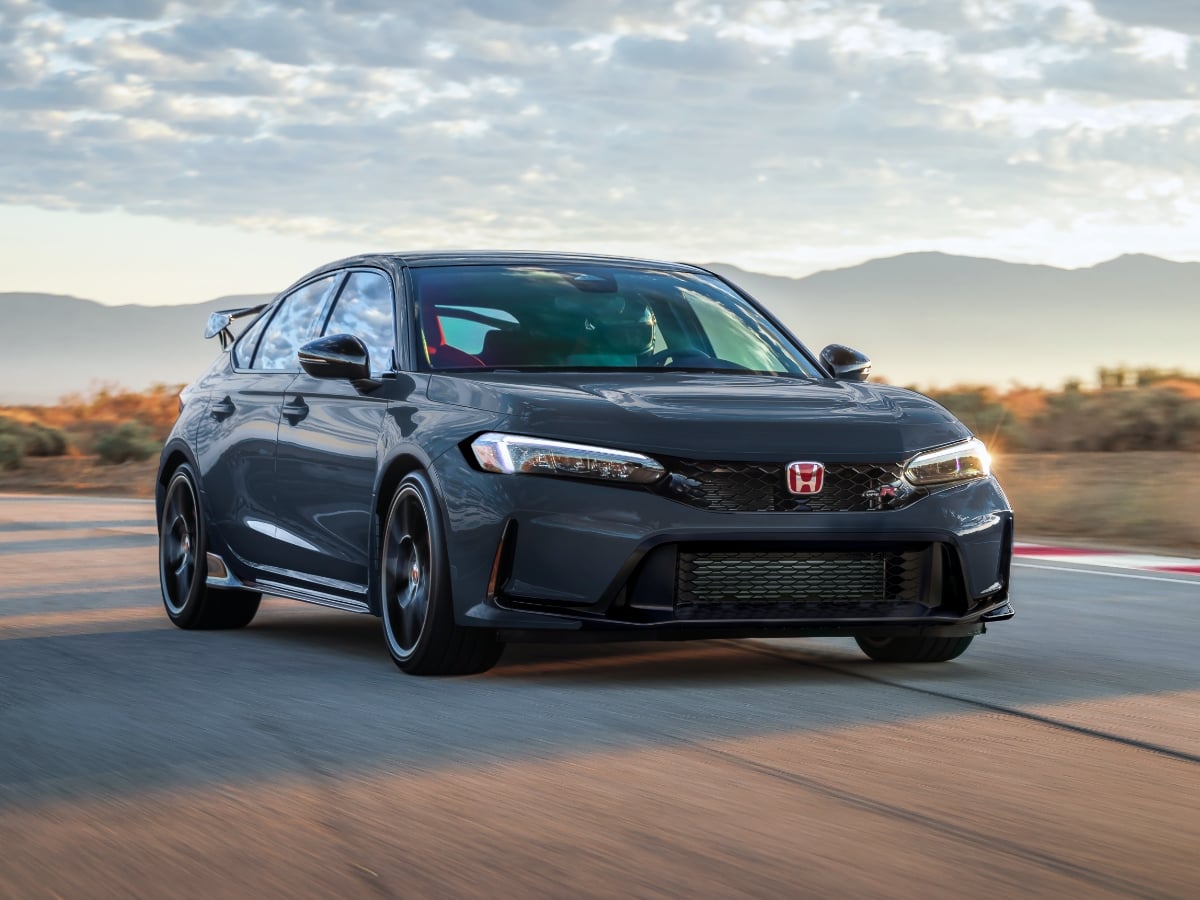
The 2027 Civic Type R goes on sale in October 2026, and it starts at $49,990, including the $1,295 destination charge.
Read the Full Article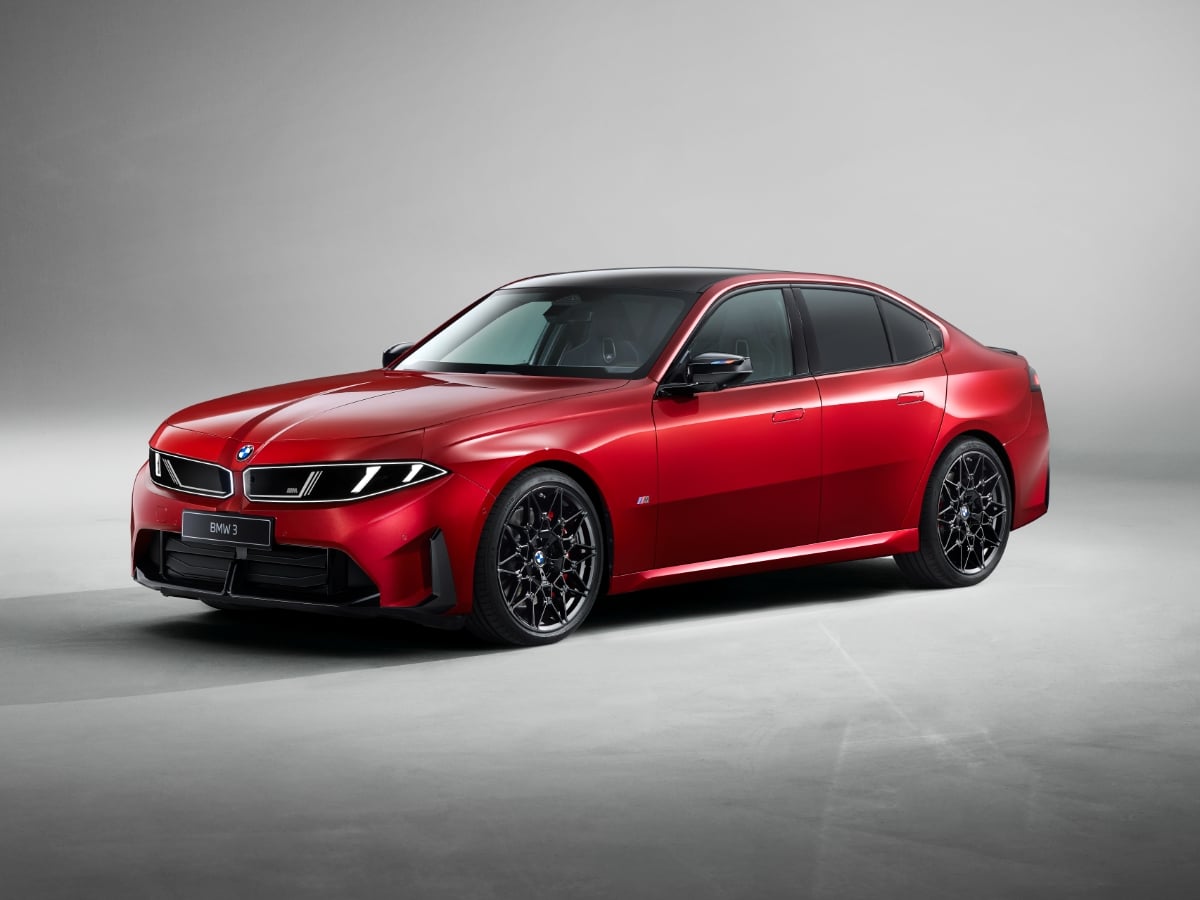
Part of BMW’s Neue Klasse (new class) rollout of redesigned models, the 2027 BMW 3 Series is all-new and goes on sale in the first quarter of 2027.
Read the Full Article