See answers to common EV questions, tax incentives, charging maps & more.
Explore EV
27 - 28
31 - 33
190
1 speed, CVT w/OD
Intercooled Turbo Regular Gasoline I-4
All Wheel Drive, Front Wheel Drive
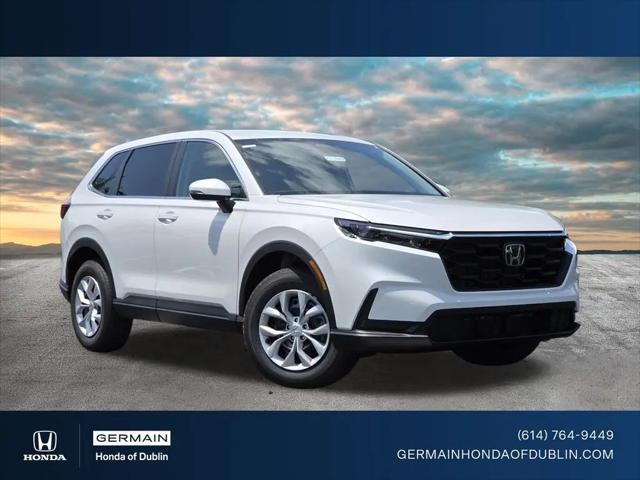
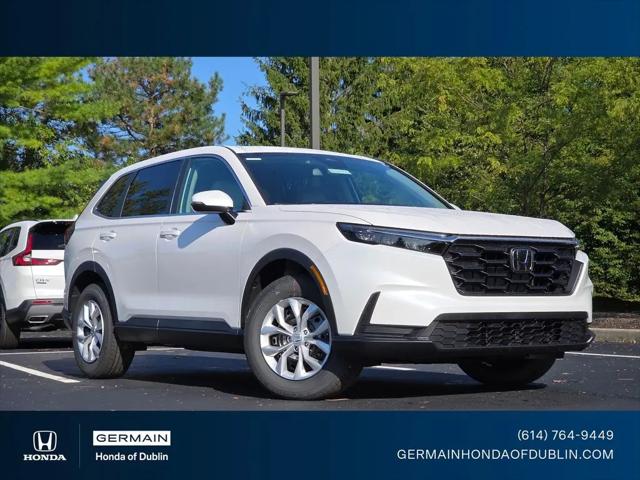
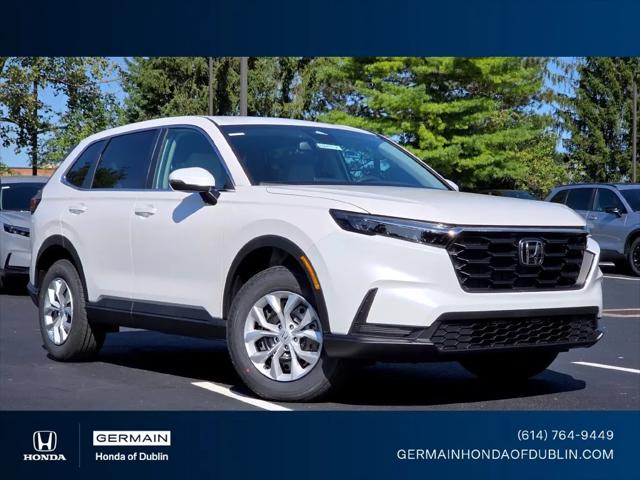
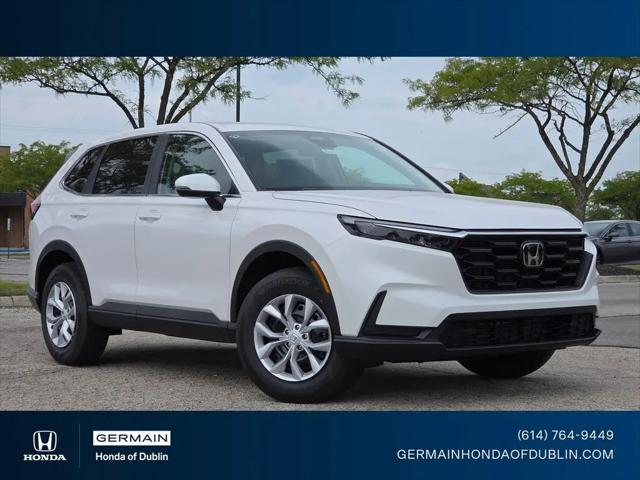
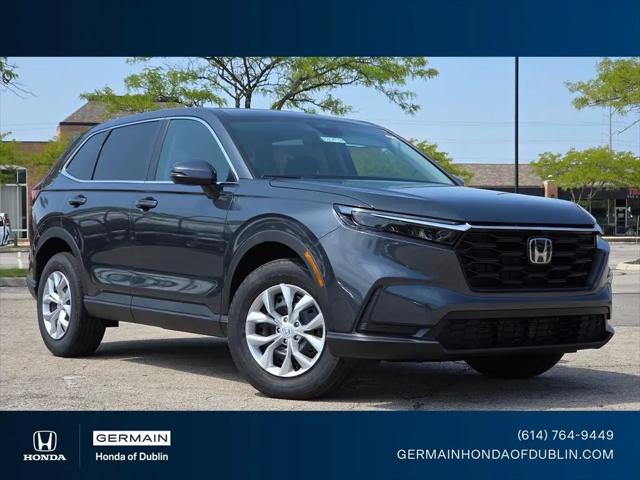
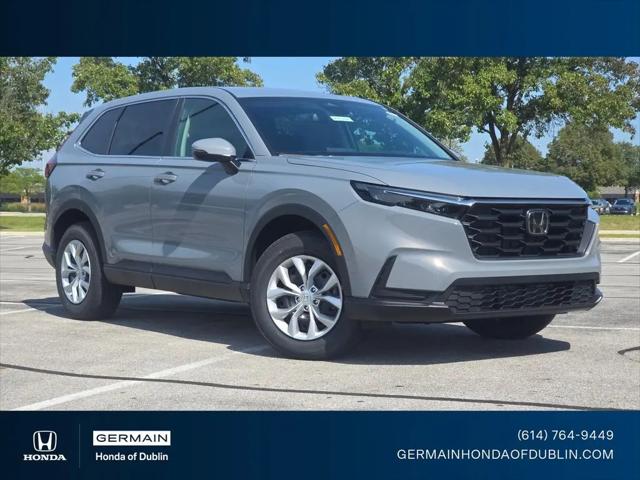
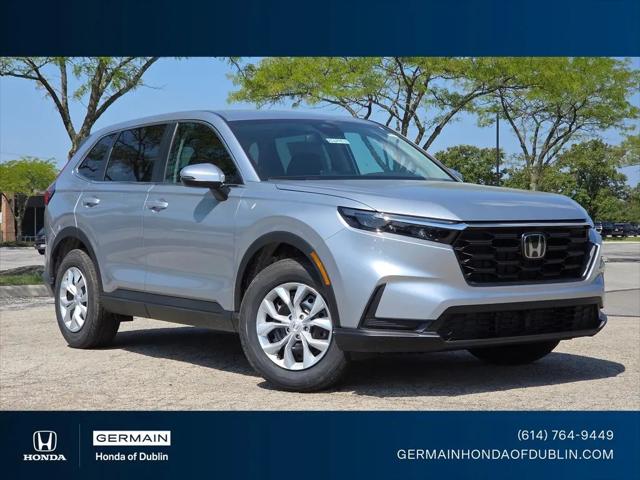
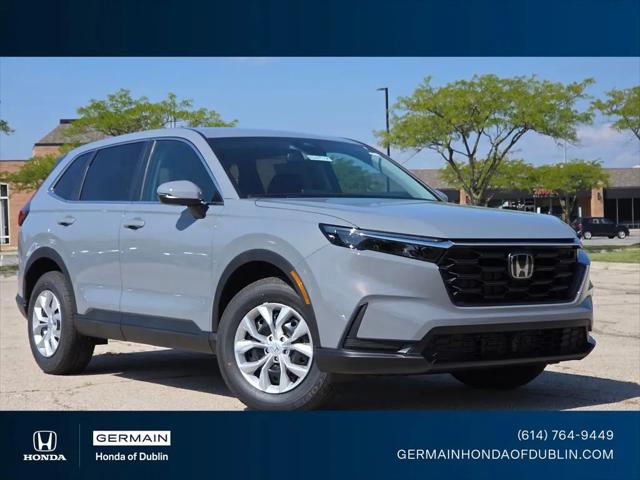
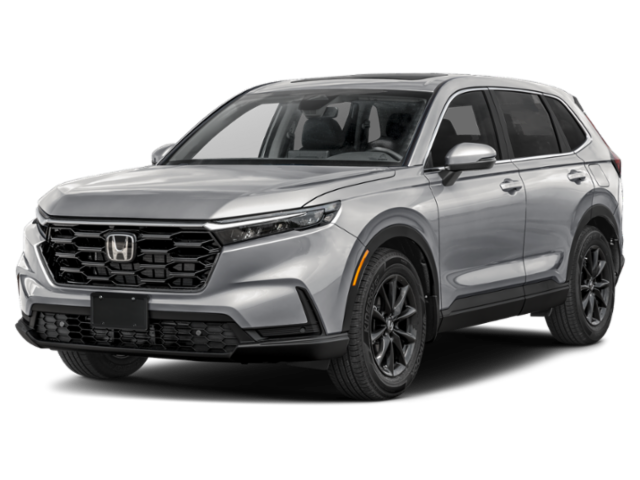
Since 2017, the CR-V has been Honda’s best-selling model, and it was the fifth best-selling model in the United States in 2024. More importantly, though, the current-generation Honda CR-V is an excellent compact SUV, and it’s even better when equipped with a hybrid powertrain. However, it was missing one thing: a more rugged trim level like those offered by most of its rivals. Enter the 2026 Honda CR-V TrailSport.

Photo: James Riswick
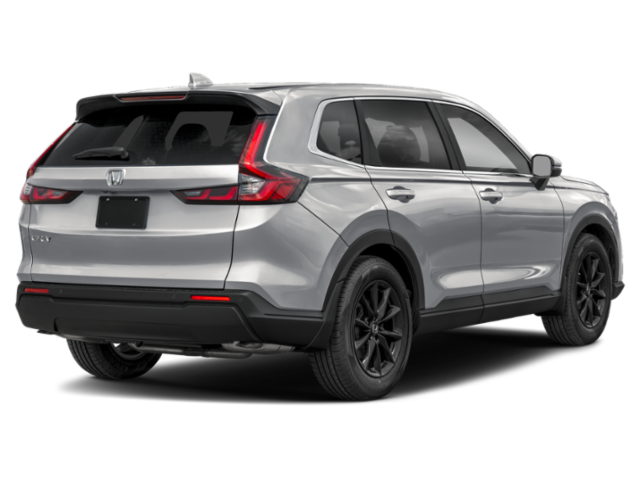
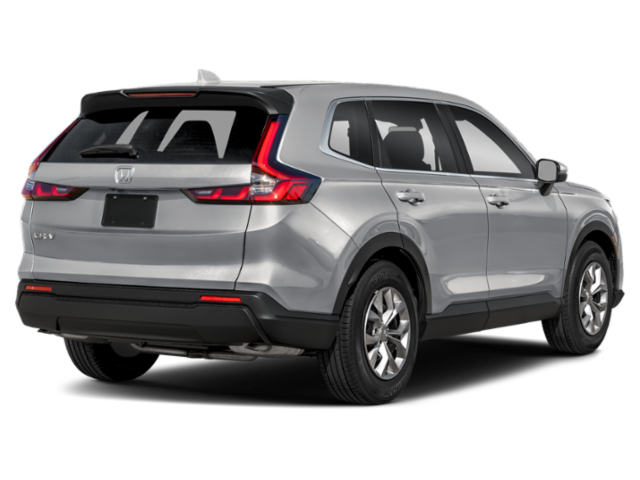
The level of ruggedness among those rivals varies greatly, and the new CR-V TrailSport is on the less rugged side of the spectrum. Compared to the typical CR-V trims, it features all-terrain tires, custom wheels and exterior trim, orange interior accents, and all-season floor mats, all on an all-wheel-drive (AWD) hybrid CR-V.
The new TrailSport also gets updates shared with other 2026 CR-V trims, such as improved AWD and hill-descent control systems, a larger standard touchscreen with wireless Apple CarPlay and Android Auto smartphone projection, and a built-in wireless phone charger.
As before, the 2026 CR-V’s available powertrains come with their own set of trim levels. The turbocharged 1.5-liter engine is available in the LX, EX, and EX-L trims. Meanwhile, Honda offers the hybrid in Sport, Sport-L, TrailSport, and Sport Touring versions. As the names suggest, hybrids are sportier in appearance and are more powerful. The Sport Touring boasts features not available on gas-only versions. Prices range from $32,165 to $43,495, including the destination charge.
For this 2026 CR-V review, Honda provided a test vehicle equipped with TrailSport trim and no additional options. The test vehicle’s manufacturer's suggested retail price (MSRP) was $40,045, including the $1,245 destination charge to ship the SUV to your local dealership from the assembly plant.
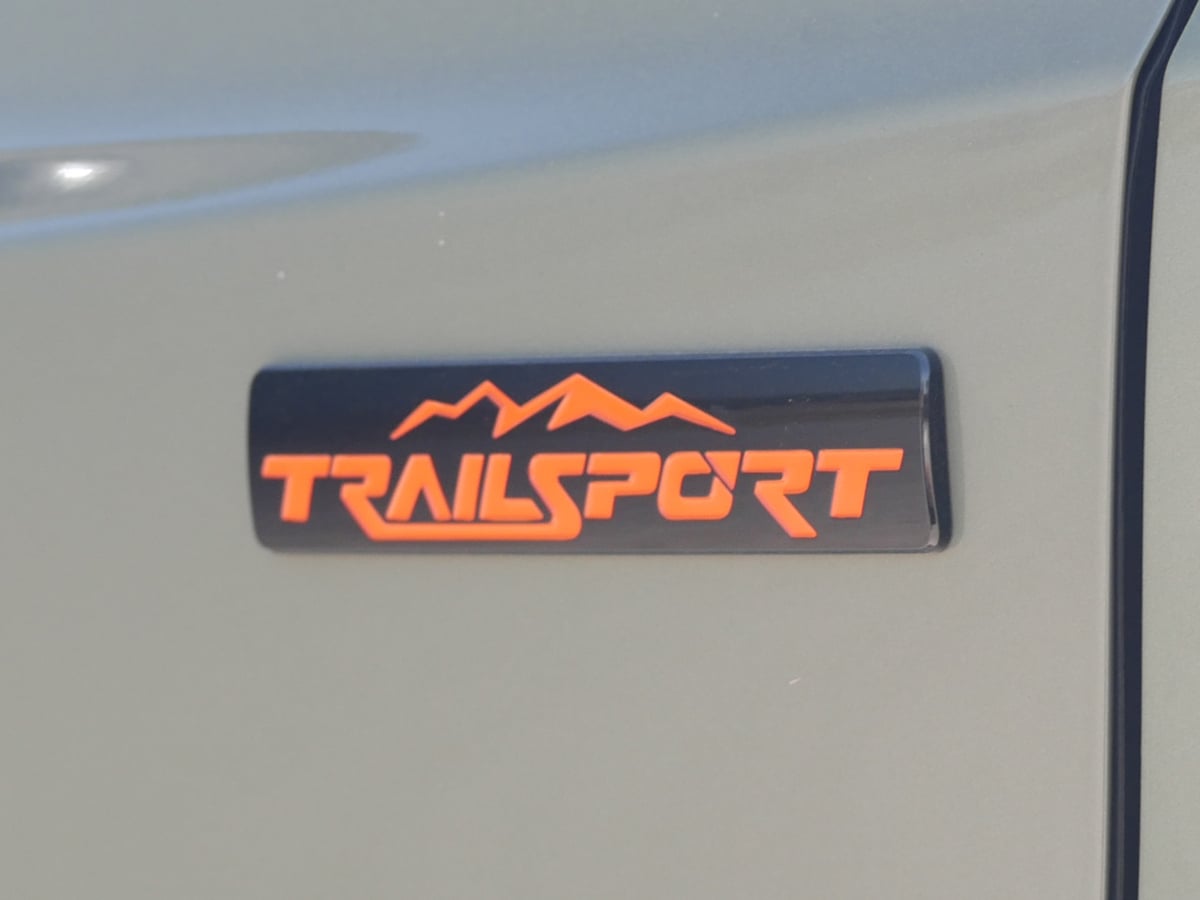
Photo: James Riswick
Honda improved the CR-V’s AWD system for 2026 to better direct power to the wheel(s) with traction. It also increased the amount of power that can be sent to the rear axle, now up to 50 percent, compared to the previous 40 percent.
To demonstrate its improvement, Honda organized a convincing test during the first-drive press event I attended. Picture three sets of boxes with conveyor belt rollers inside, separated by a hole the size of a tire patch. A Honda representative drove both a 2025 and 2026 CR-V into these boxes, causing the tires inside to spin uselessly. It was up to the single wheel on solid ground (the right rear) to move the CR-V.
The previous-generation AWD system couldn’t do it, but the new one could. Now, imagine that instead of rollers, the CR-V is on ice. That’s why this improvement is important.
It is not, however, unique to the TrailSport, even if it benefits from the improved AWD system on low-traction surfaces. Without additional ground clearance, better approach and departure angles, or underbody protection, this new trim level’s all-terrain tires are the only off-road advantage the TrailSport has over other CR-Vs. An easy off-road course set up to demonstrate its capabilities only revealed that the CR-V has a better approach angle than a car.
Now, all-terrain tires can negatively affect a vehicle’s ride quality, interior noise, and handling. I drove the TrailSport back-to-back with an all-season-clad Sport Touring (which has larger 19-inch wheels) and an EX-L (with 18-inch wheels), and didn’t notice a significant difference in comfort or noise on a typical road surface.
You might feel sharper bumps more, but complaints seem unlikely. In contrast, I clearly noticed tire noise and impact harshness over sharper bumps in the Ford Bronco Sport Badlands I drove to the press launch, which also has all-terrain tires.
Road holding on a mountain road seemed adequate and not noticeably worse, while steering precision remained a CR-V strength. The CR-V once again impressed with its tight, controlled handling around corners, making it one of the most engaging SUVs to drive in its segment. The TrailSport doesn’t change that.
Ultimately, the TrailSport’s lack of off-road capability isn’t the reason it disappointed. After all, the chances of someone choosing a CR-V as a true off-roader seem slim. Instead, I believe the TrailSport’s performance on a trail matters less than its ability to carry the kinds of items typically used after a trail ride.
In that way, the TrailSport’s gear-carrying ability was its weak point. It has the same flush roof rails with fixed mounting points as other CR-Vs. I’d have to buy CR-V-specific crossbars if I wanted to mount something on the roof. In contrast, the raised roof rails on the Passport TrailSport (and various CR-V TrailSport competitors) would allow me to use the crossbars I already own, which can move freely along the rails to accommodate different gear.
There are other missed opportunities. What about a standard hitch—not for towing anything, but instead to hold a bike rack? Toyota and Subaru refer to them as “activity mounts.” Where are the unique storage solutions, such as the MOLLE straps and zippered pockets in a Ford Bronco Sport? Or perhaps special water-resistant upholstery, like that found in the Subaru Forester Wilderness? Instead, the TrailSport interior gets rubber floor mats and some badges embroidered into the cloth seats.
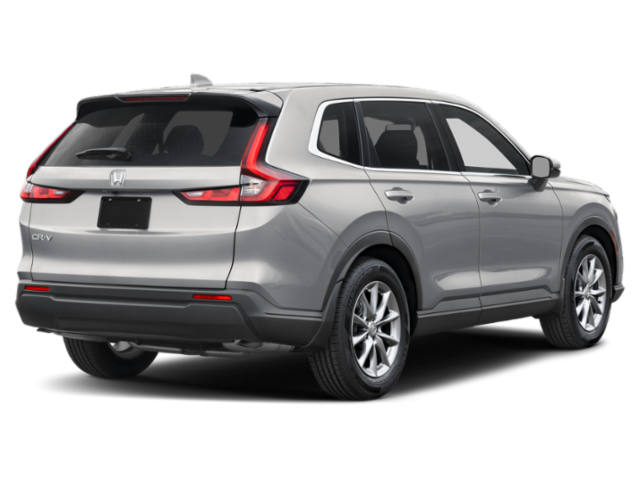
The CR-Vs cargo space also differs by trim level. The hybrid has less because it lacks the extra under-floor storage area found in gas-only versions. It also doesn’t have a spare tire. Since the TrailSport is a hybrid, it also lacks a spare tire, which seems counter to its “rugged” mission.

Photo: James Riswick
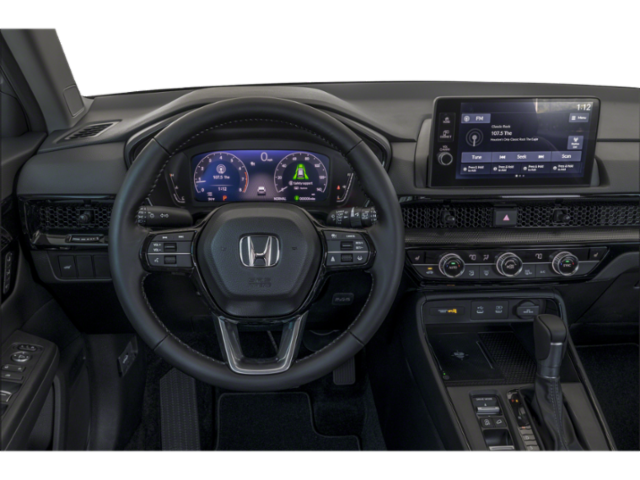
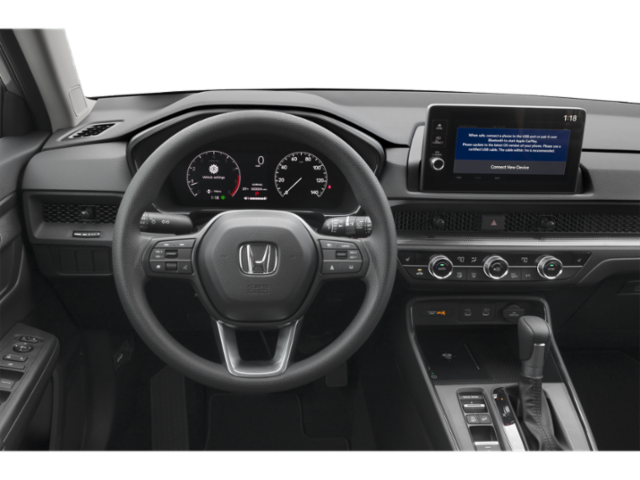
The 2026 Honda CR-V features a new standard 9-inch touchscreen with an updated interface, as well as wireless Apple CarPlay and Android Auto capabilities. It remains somewhat basic and looks plain compared to other vehicles. However, it’s user-friendly, which I believe many will value more than flashy graphics. I liked the physical buttons for Home and phone projection, making it easy to switch between the Honda system and Apple or Android devices.
The standard wireless phone charger is also great news, as this feature is often reserved for higher trim levels. The all-digital instrument panel, found in upper trim levels including the TrailSport, is larger at 10.2 inches and features three customizable segments that display your preferred information. There are no design options, however.
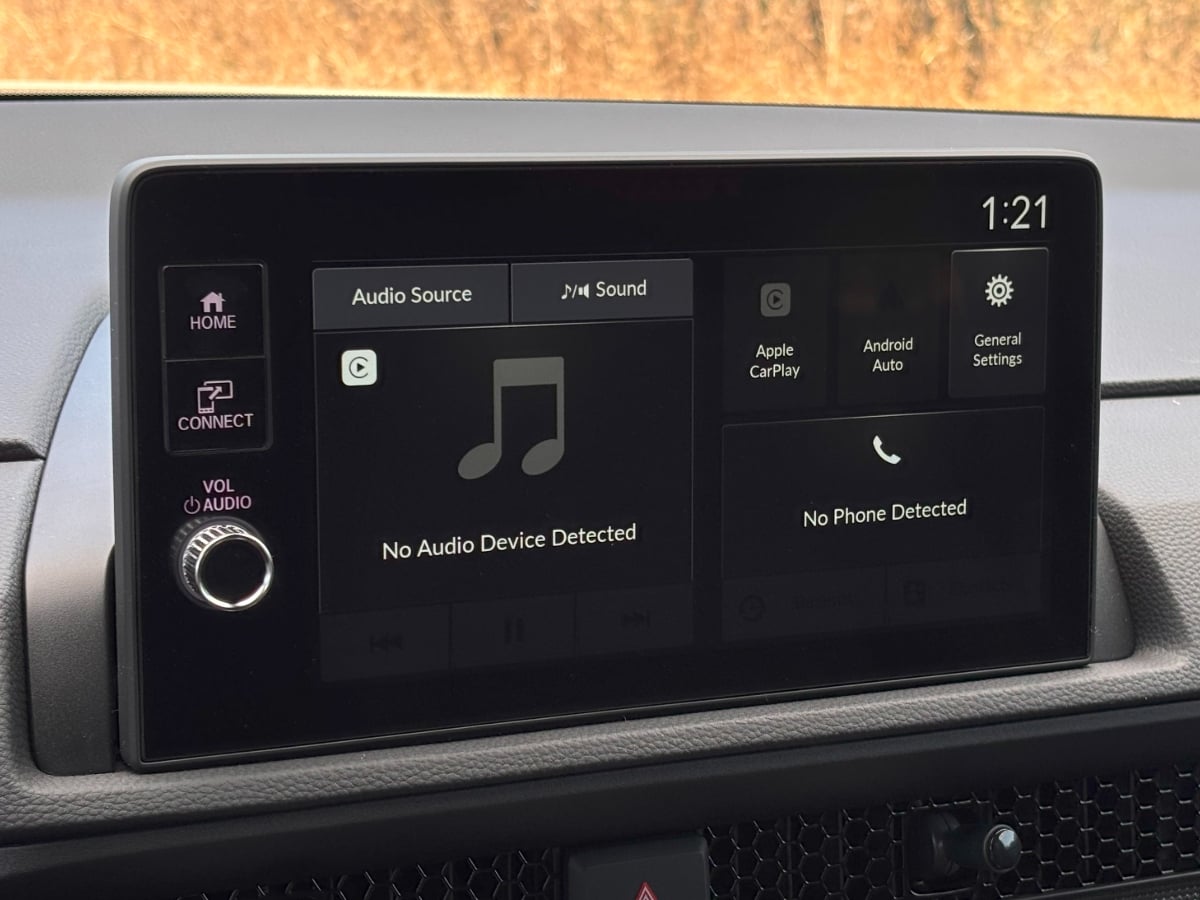
Photo: James Riswick
The range-topping CR-V Sport Touring now has a new 9-inch touchscreen, along with a customizable Individual drive mode. It also includes Google Built-in technology with a three-year unlimited data plan that integrates Google Maps, Google Assistant voice commands, and apps from the Google Play Store directly into the touchscreen. This reduces the need for Android Auto, and some of the need for Apple CarPlay.
I tested this system during a short drive in a 2026 CR-V Sport Touring and found it to be straightforward to use. The built-in Google Maps offers greater functionality and better graphics than what you’d stream from your phone via Apple CarPlay or Android Auto. However, making this system only available on the priciest trim level limits its relevance. I should also note that the CR-V is no longer available with integrated satellite radio. Boo.
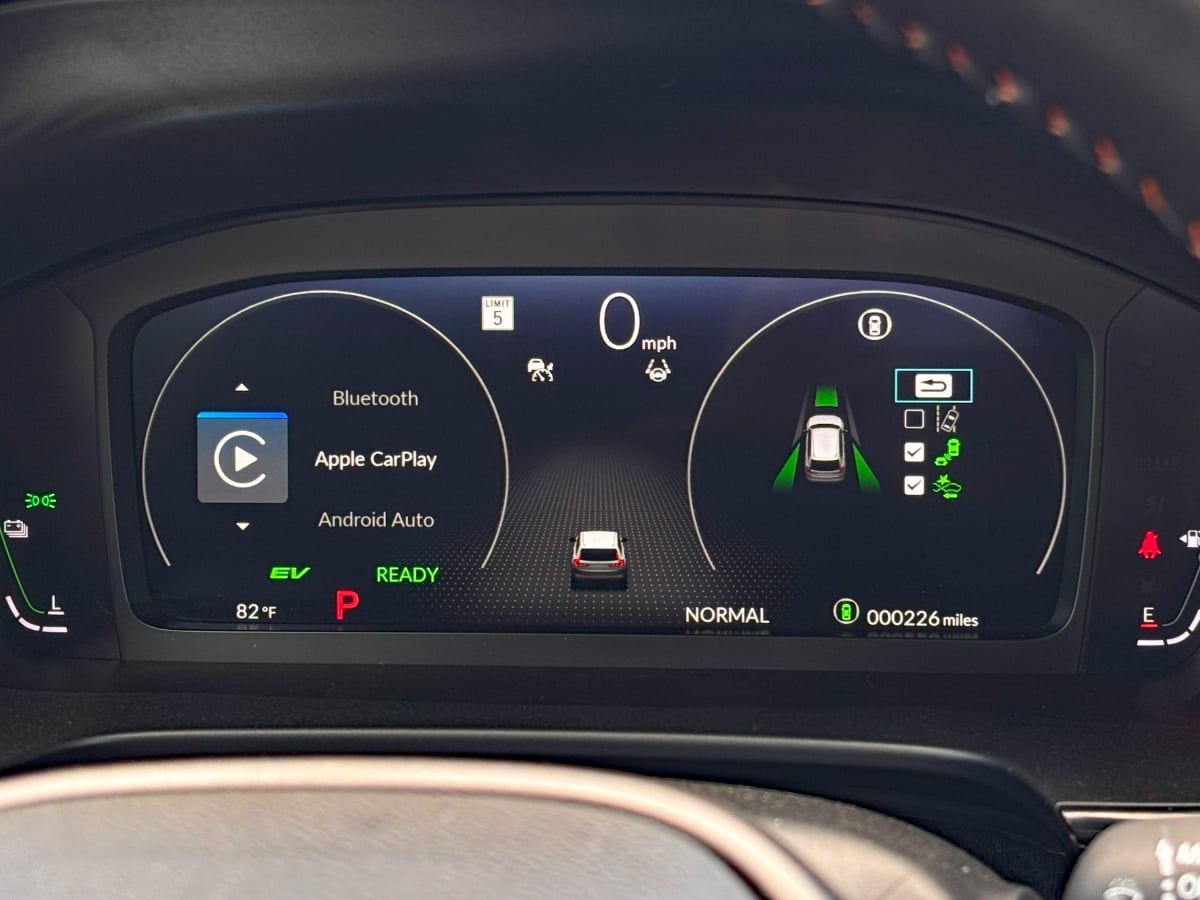
Photo: James Riswick
As for driver-assistance tech, the CR-V’s remains just OK. The safety features (forward-collision warning, blind-spot warning, lane-keeping assistance) didn’t give false alarms or become overly intrusive, and worked as they should to the best of my testing ability (I didn’t try to run into anything).
However, the adaptive cruise control’s (ACC) lane-centering steering assistance appears basic. I could feel the wheel nervously shifting as it tried to keep the car centered in its lane, and it completely lost the lane at some corners. The ACC and lane-centering of the Ford Bronco Sport I drove immediately before the CR-V test were much better in every way.
Space and comfort remain strong points for the CR-V. Seat comfort varies from individual to individual, but I find the CR-V’s driver seat to be more supportive than most, with sufficient adjustability for my 6-foot-3 frame. There’s also an expansive back seat that I’ve found to work well for child seats. Overall, the CR-V is very family-friendly.
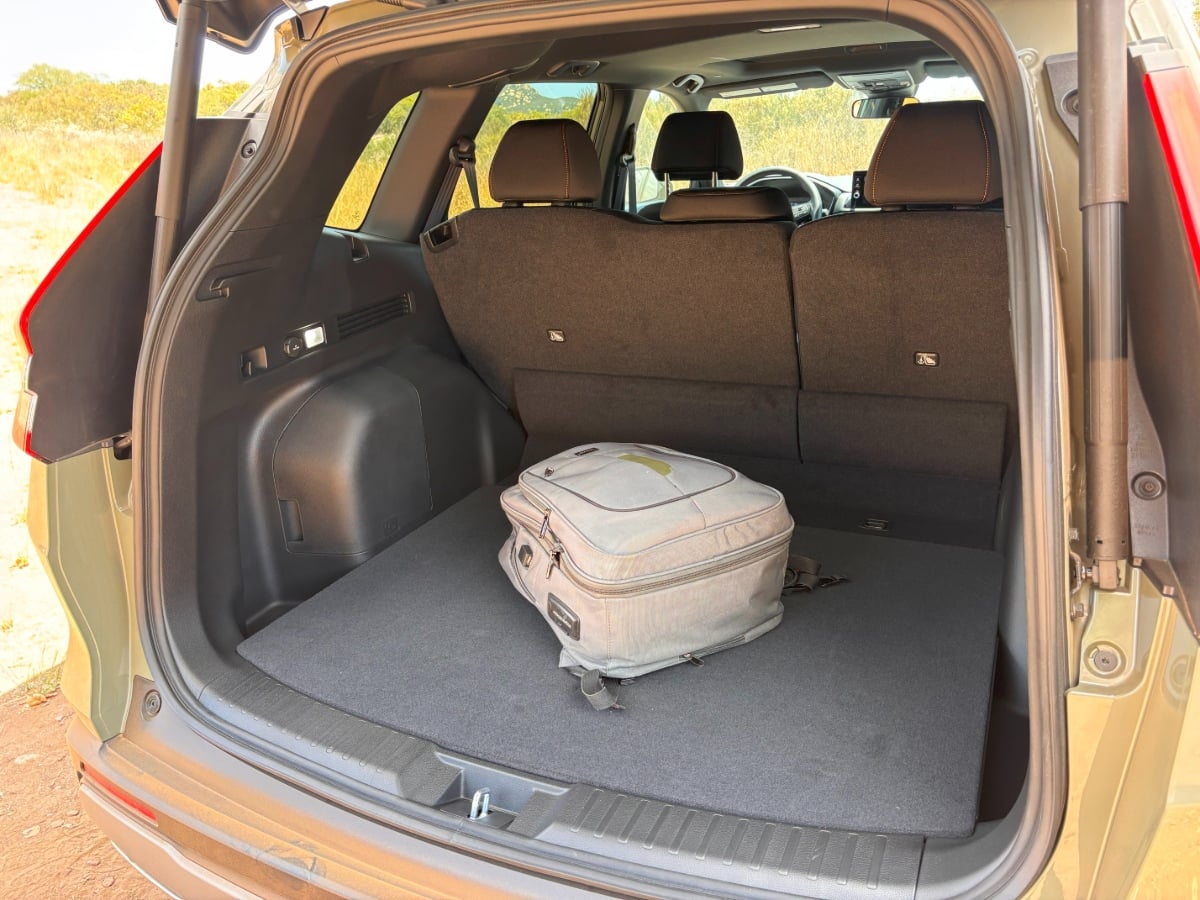
Photo: James Riswick
Once again, if you’re interested in any of the CR-V trim levels with “Sport” in their name, they will be hybrid models. That’s a good thing. Not only is it more efficient than the turbocharged gas-only engine, but it’s also more powerful and refined.
The hybrid continues to rely almost exclusively on its electric motor to move the car, with its 2.0-liter four-cylinder engine generating electricity for the motor and battery. Only gentle throttle inputs at a steady highway cruise cause the engine to directly power the wheels. This makes acceleration feel more like an electric vehicle, and there are no clunky, loud transitions between gas and electric power sources as in other hybrids.
Honda engineers also programmed the engine to pause briefly during acceleration to simulate gear shifts, making the drive feel more natural. Interestingly, the continuously variable automatic transmission paired with the turbocharged gas-only engine also simulates shifts. Still, it’s a much less convincing simulation that doesn’t behave like a regular automatic with gears. That said, the hybrid system will still hold onto revs when traveling uphill for a prolonged period, causing a sound that’s more reminiscent of a blender than a car.
Honda estimates the 2026 CR-V’s fuel economy will be 40 mpg city, 34 mpg highway, and 37 mpg combined for most AWD trims (43/36/40 mpg with front-wheel drive), with the TrailSport dropping to 38/33/35 mpg. You can probably blame the all-terrain tires for that. I averaged 31.6 mpg over 90.9 miles of test driving, mostly uphill with a lot of heavy throttle.
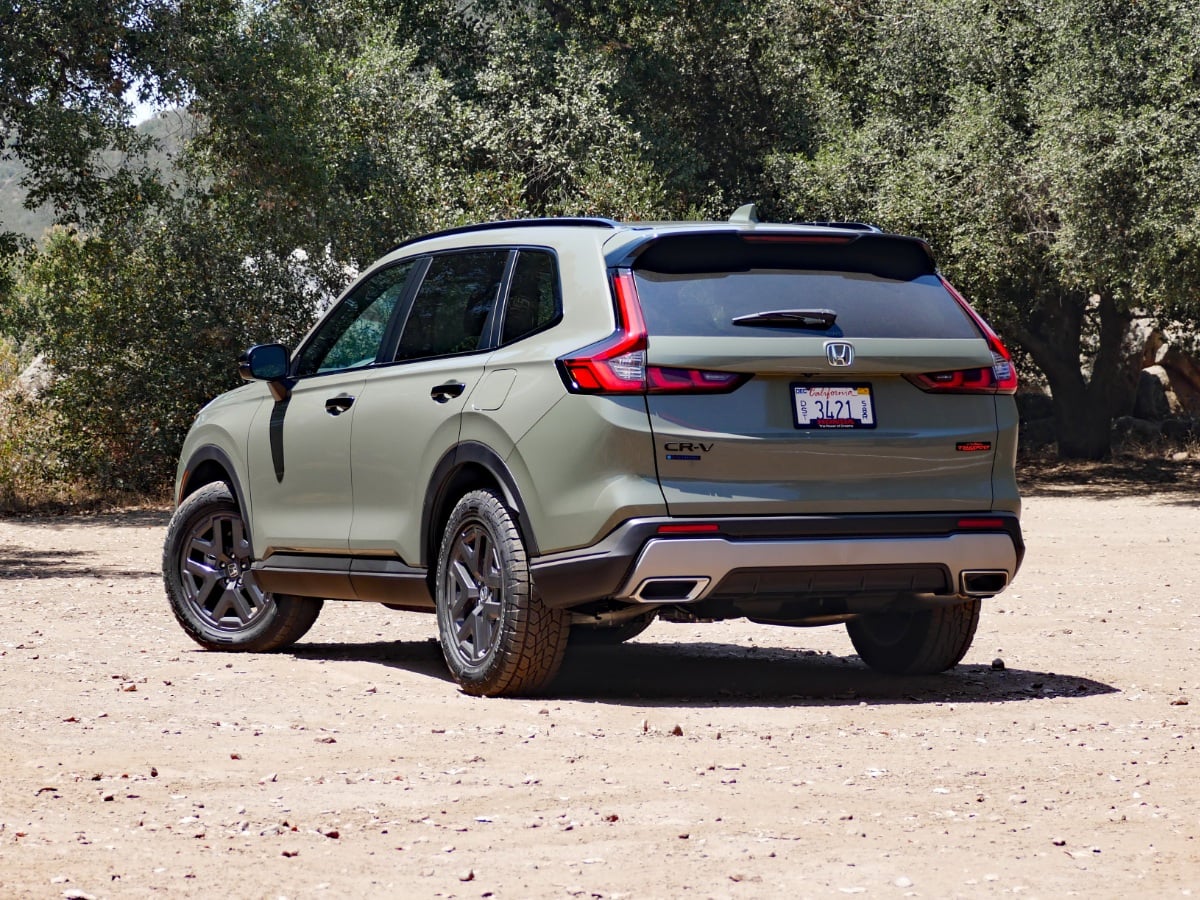
Photo: James Riswick
The CR-V remains a solid option. Its updated technology makes it slightly more competitive for 2026, though it’s not a clear advantage, especially since only the most expensive trim gets the Google Built-in upgrade. A more capable AWD system is also welcome, but it’s hard to see the TrailSport as anything more than an appearance package and a missed opportunity.
James Riswick has been testing and reviewing cars since 2007, serving as an editor at Edmunds.com and Autoblog. He has also contributed to Autoguide Magazine, Autotrader, Capital One Auto Navigator, Car and Driver, and Hagerty. He resides in Southern California and owns a 1998 BMW Z3, a 2013 Mercedes-Benz E350 Wagon, and a 2025 Cadillac Optiq.