
Highway Driving Assist 2 (HDA2) is the second generation of Kia's Highway Driving Assist (HDA) technology. This advanced driver assistance system (ADAS) combines adaptive cruise control (ACC) with stop-and-go capability, lead-vehicle distance technology, and a lane-centering assistance system, resulting in a seamless and intuitive Level 2 semi-autonomous driving experience.
Like the first iteration of HDA, the newer HDA 2 system provides semi-autonomous driving assistance on designated divided interstate highways. It can help maintain a safe distance from other cars traveling in the same direction, maintain the set speed, and center the vehicle in its lane while driving on the highway.

The main difference between the automaker's original Highway Driving Assist system and HDA2 is that it now includes a lane-change assist feature and machine learning capability that works with the vehicle's ACC system and navigation. However, this system does not allow drivers to keep their hands off the steering wheel for extended periods. It still requires the driver always to be ready to take control of the vehicle if road conditions make human intervention necessary.
HDA2 utilizes a forward-facing radar unit and camera, GPS technology, and the navigation system's map database to operate on approved roadways. As such, the number of approved roadways for HDA2-enabled travel is growing. According to Kia, the system will only activate at speeds under 95 mph.
The radar unit informs ACC operation, and drivers can set it for the posted speed limit. This functionality will increase or reduce the vehicle's speed if the posted limit changes or the traffic pattern dictates a change in velocity. To keep the car in the center of its travel lane, the system's camera identifies road markings, guiding the steering to automatically make minor corrections to the left and right to keep the car close to the center of the lane. In the same way, the system will also navigate curves in the highway, interchanges, and on/off ramps.
This next-generation technology introduces machine learning capability that matches ACC operations with drivers' typical habits. In other words, the system becomes "smarter" during a driving session.
To engage HDA 2, the driver must first turn on and engage Smart Cruise Control with Lane Following Assist (lane-centering assistance). The system will only operate in tandem with these two features, which work in concert. Also, the vehicle must travel on an approved road that's part of the recognized interstate highway system.

While driving using Smart Cruise Control, the icon in the instrument cluster will change to the gray 'HDA' icon. This lets the driver know the system is in the "standby" state. If all conditions are met, the' HDA' icon will turn from gray to green to indicate that it is operating.
Make no mistake, HDA 2 is not a hands-free driving system. If the driver takes their hands off the steering wheel for several seconds while HDA 2 is active, the system will warn the driver with a message in the instrument cluster. If the driver keeps their hands off the steering wheel, the message will reappear with an audible warning. After the second message, if the driver does not take hold of the wheel, a new warning message will appear, and the system will deactivate soon after.
In addition, HDA 2 may not operate in inclement weather or low-visibility road conditions caused by fog, rain, or snow. Low-traction road surfaces caused by precipitation or loose or broken terrain may also prevent normal operation.
Kia's HDA 2 system builds on semi-autonomous capabilities already implemented into its ADAS suite. More intuitive and sophisticated than before, this next-generation technology makes the driving experience safer, more confident, and less tiring on long commutes or road trips.
Jessica Shea Choksey is an experienced writer in the automotive field. In addition to JDPower.com, she was a correspondent for PBS's MotorWeek. Her work has also appeared in AutoTrader.


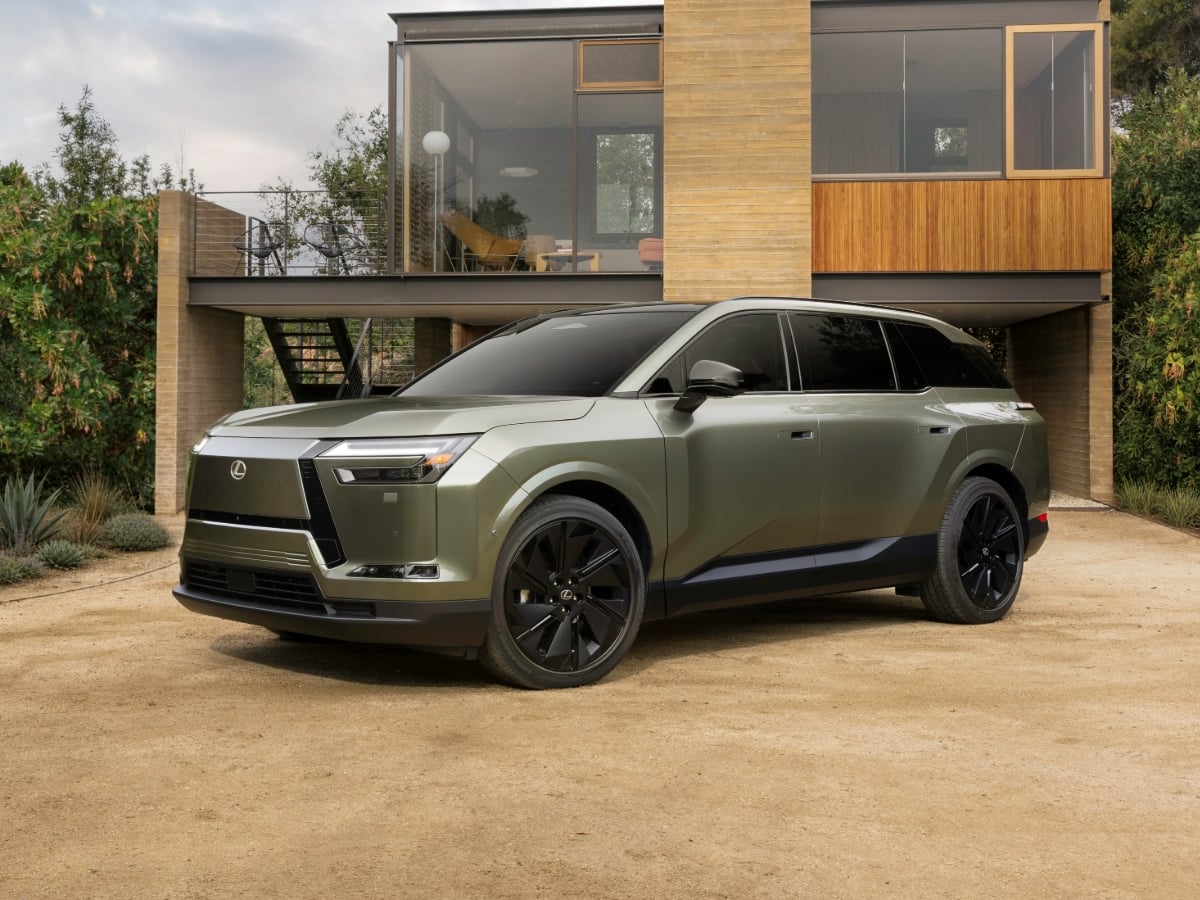
With the 2027 Lexus TZ, Toyota Motor’s luxury division introduces its first three-row all-electric SUV, featuring a lounge-inspired interior, an enhanced all-wheel drive (AWD) system, and up to 300 ...See More
Read the Full Article
With the all-new 2027 Kia EV3 small crossover SUV, the Korean automaker continues to expand its all-electric lineup while keeping prices accessible.
Read the Full Article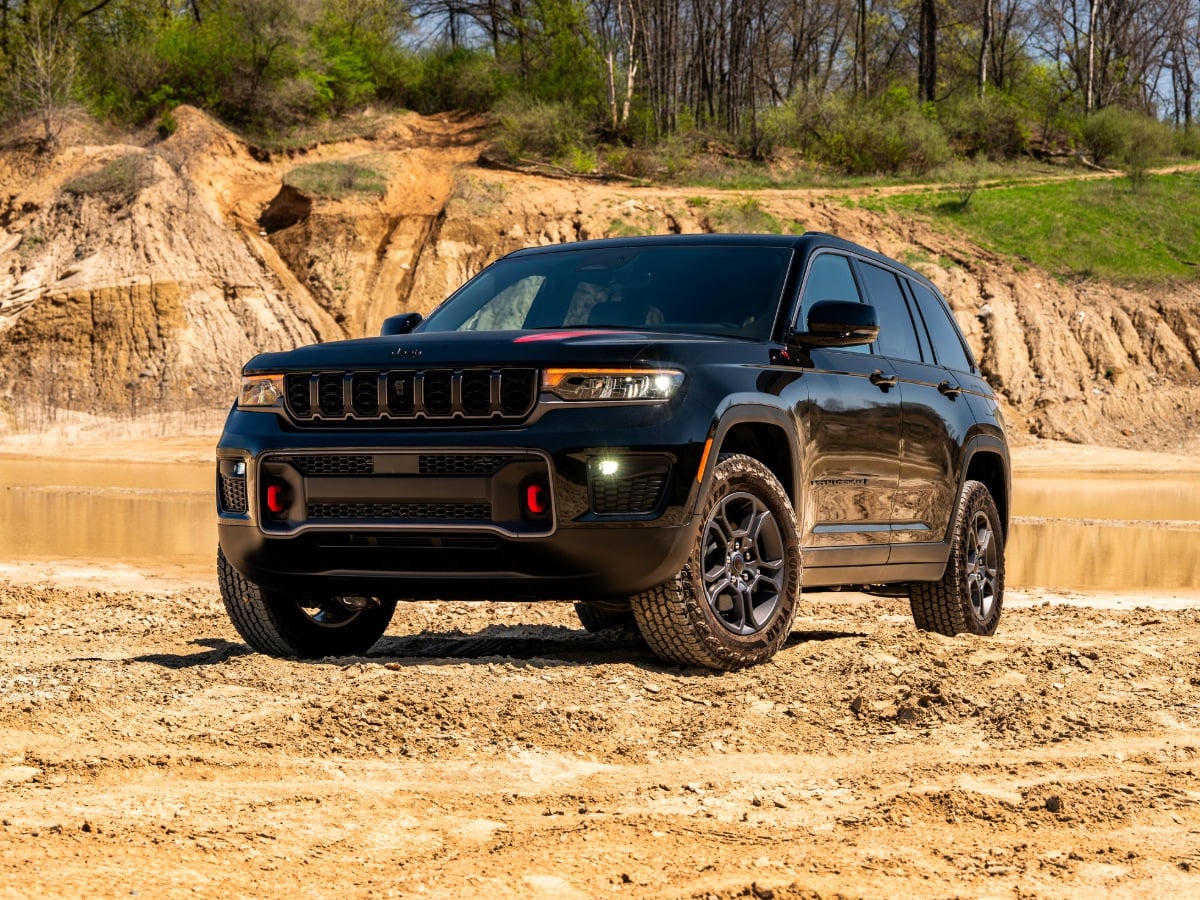
Following a refresh for the 2026 model year, the 2027 Jeep Grand Cherokee lineup brings back two familiar variants, the go-anywhere Trailhawk and the premium-yet-capable Overland, offering buyers ...See More
Read the Full Article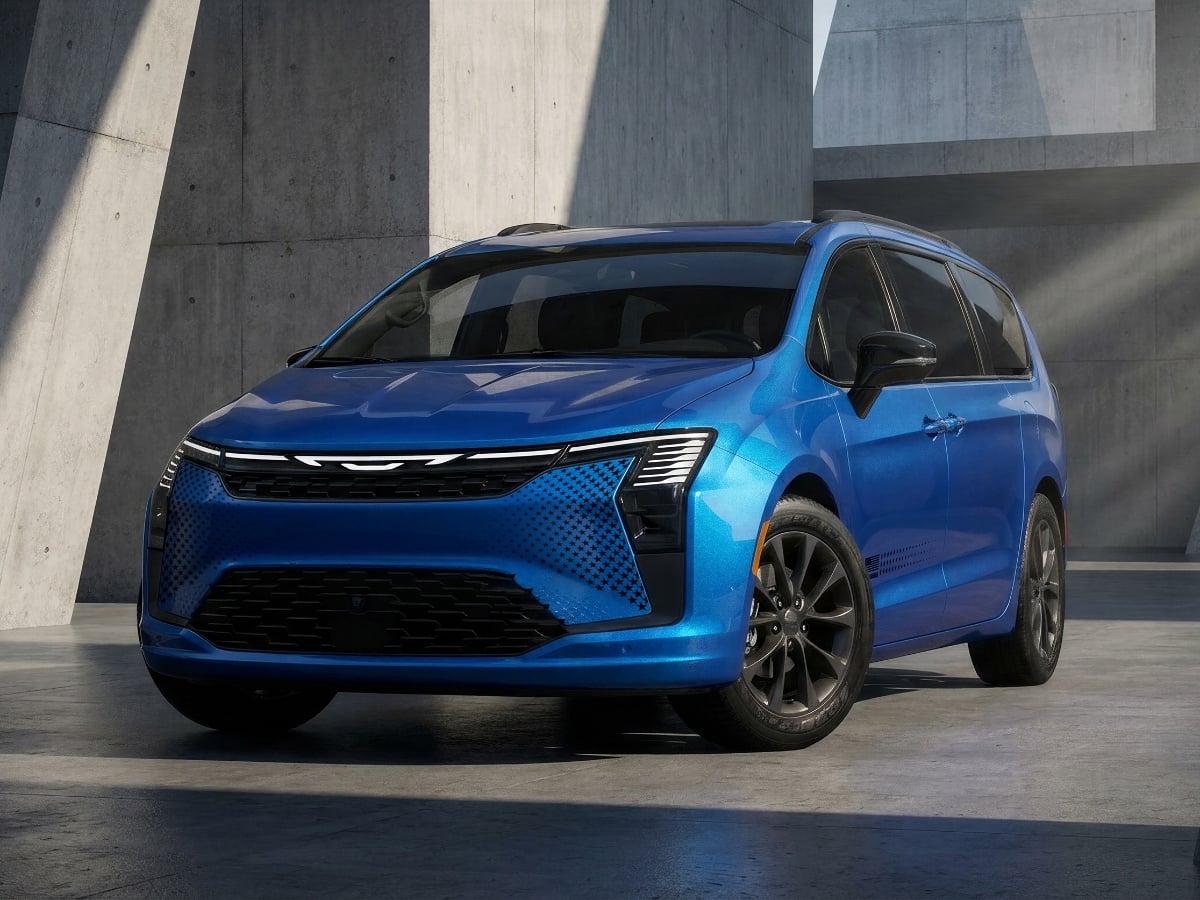
Chrysler, the company that launched the modern minivan segment in 1984, is giving its popular 2027 Chrysler Pacifica a nose job and introducing a special edition commemorating America’s 250th ...See More
Read the Full Article