
Although changing lanes is generally considered a routine driving maneuver, it can sometimes result in a collision with another vehicle. To help prevent such accidents, lane-change assist (LCA) is an advanced driver assistance system (ADAS) that allows drivers to change lanes safely, confidently, and with greater awareness of other vehicles around them.

Lane-change assist uses radar sensors (typically in the rear bumper), side cameras, and sometimes ultrasonic sensors to monitor adjacent highway and byway lanes. Upon a driver-initiated lane change with the turn signal on, the system checks for cars in the blind spot or approaching traffic.
If LCA identifies a possible danger, it warns the driver by visual signals (such as lights in the side mirrors), audible alarms, or haptic feedback such as vibrations in the steering wheel. Some systems also provide gentle steering resistance to deter a hazardous lane change.
On more expensive models with semi-autonomous abilities, LCA will turn the vehicle into the new lane only when safe, typically requiring a tap of the turn signal while adaptive cruise control and lane-centering assistance are engaged.
Lane-change assist works in tandem with other ADAS to elevate accident avoidance across various scenarios on the roadway, including:

Lane-change assist improves safety by reducing the risk of blind spots or distraction-induced collisions. It also reduces the overall stress of driving on highways. For road trips or long highway commutes, LCA can save fuel by preventing unnecessary slowdowns and keeping traffic flowing smoothly.
Lane-change assist is not infallible. It can’t perceive motorcycles, speeding vehicles, or erratic drivers with high accuracy. Also, severe weather, dirty sensors, and worn-out lane markings can impact LCA’s effectiveness.
Ultimately, the driver is responsible for making safe lane changes, using mirrors, and checking their blind spots by looking over their shoulder. You should only use LCA as an aid and not rely upon it as a primary lane-change function.
Lane-change assist is an ADAS that enhances driving safety, convenience, and confidence. While its operation varies from providing simple warnings to initiating full automation, it aims to help drivers avoid accidents while moving from one lane to another.
To learn more about various automotive technologies, visit the Shopping Guides section of the website.
Jessica Shea Choksey is an experienced writer in the automotive field. In addition to JDPower.com, she was a correspondent for PBS's MotorWeek, and her work has appeared on Autotrader.



The 2027 Civic Type R goes on sale in October 2026, and it starts at $49,990, including the $1,295 destination charge.
Read the Full Article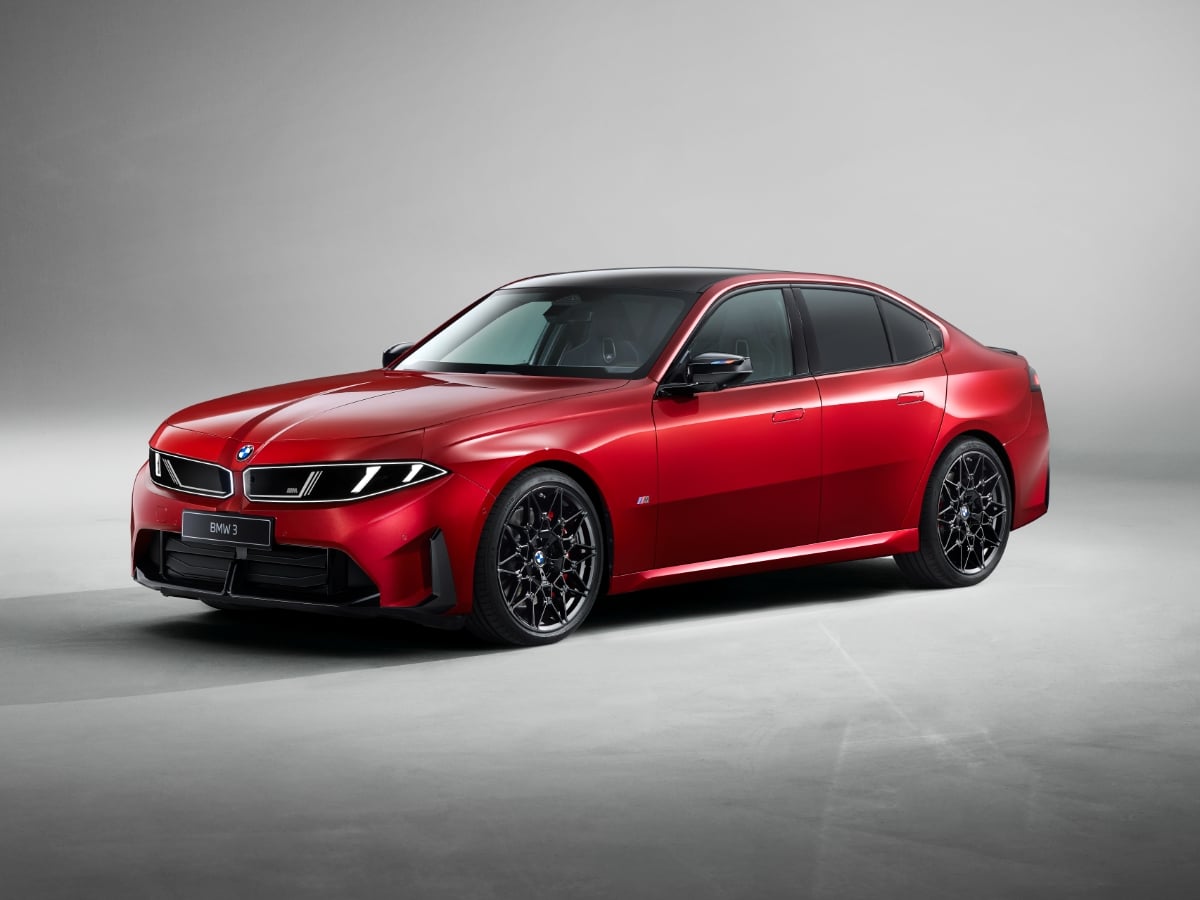
Part of BMW’s Neue Klasse (new class) rollout of redesigned models, the 2027 BMW 3 Series is all-new and goes on sale in the first quarter of 2027.
Read the Full Article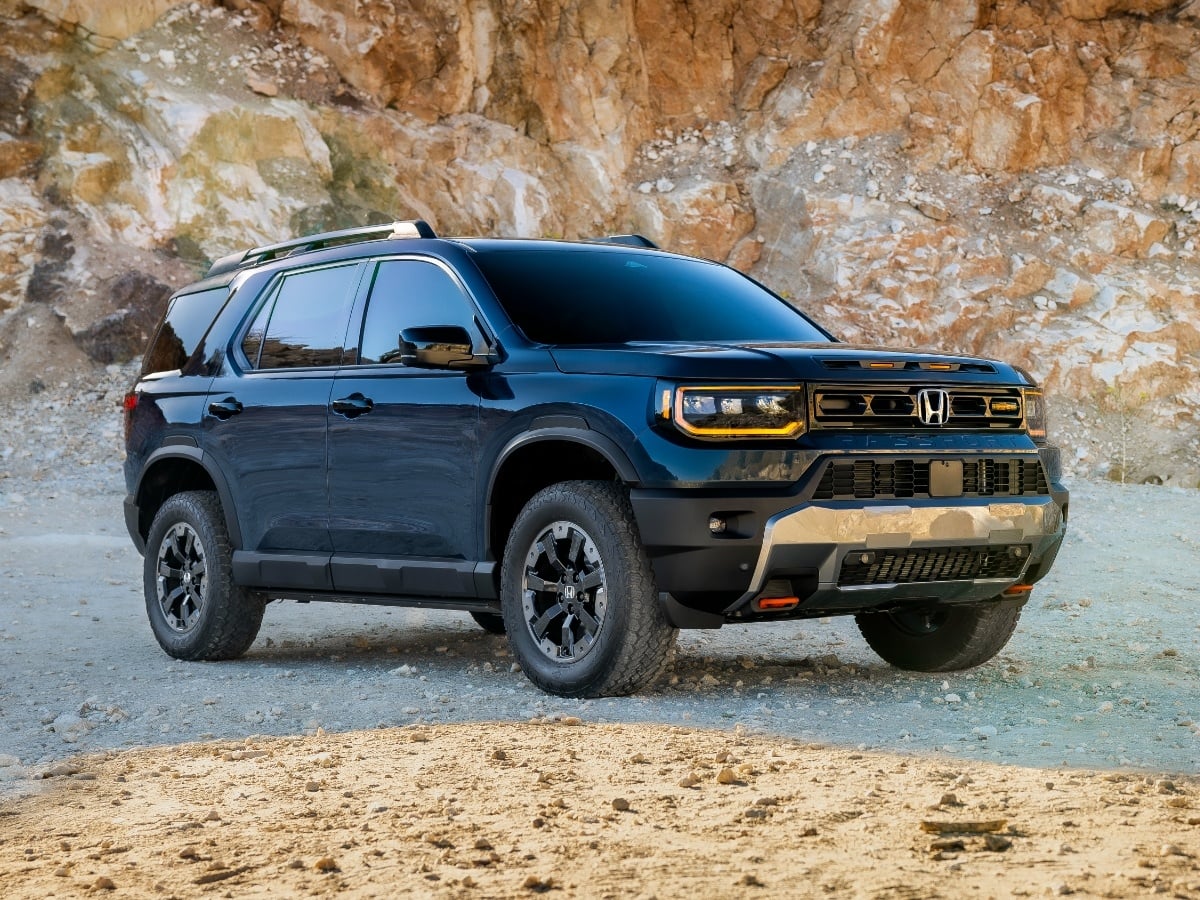
Updates to the 2027 Honda Passport TrailSport include a reworked suspension, improved steering, subtle styling enhancements, and added standard equipment.
Read the Full Article
The midsize 2027 Mercedes GLE remains available in original and spicy Coupe recipes, now with standard 4Matic all-wheel drive (AWD), MBUX Superscreen technology, and a panoramic glass sunroof for ...See More
Read the Full Article