See answers to common EV questions, tax incentives, charging maps & more.
Explore EV
25 - 26
30 - 32
158
1 speed, CVT w/OD
Regular Gasoline I-4
All Wheel Drive, Front Wheel Drive
When you buy a 2026 Honda HR-V, you make a significant compromise. The engine is woefully underpowered. You will not notice it much when you are just bopping around town. However, in any situation requiring quick acceleration, the HR-V cannot deliver. There are other flaws in this small crossover SUV, such as its unimpressive fuel economy, basic technology stack, and flat-lined levels of innovation, but the utter lack of power is the deal breaker.
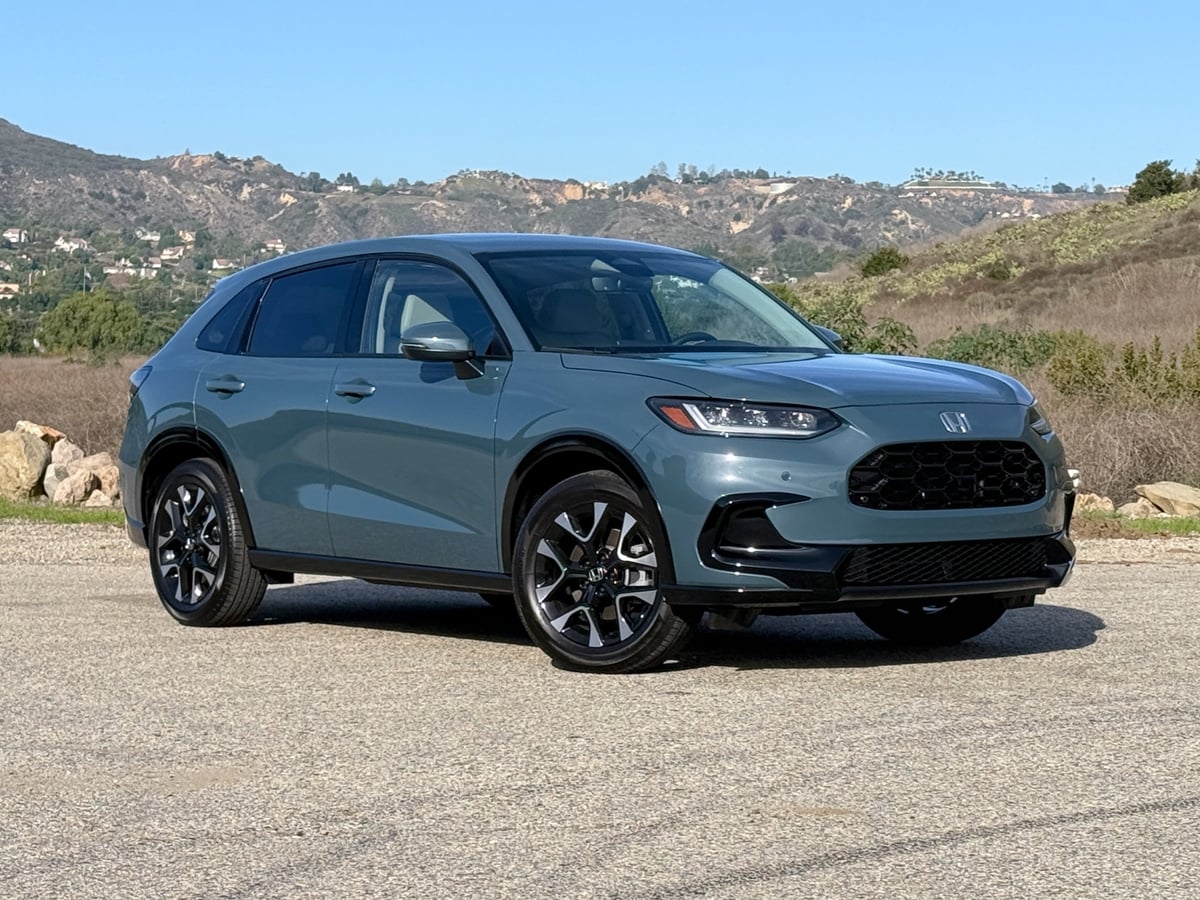
Photo: Christian Wardlaw
For the 2026 HR-V, Honda makes a few changes. Most do not address the SUV's shortcomings, but it does get an updated infotainment system with a larger standard touchscreen display. Otherwise, new wheel designs, fresh paint colors, and a few interior upgrades for the top trim level are the extent of the modifications.
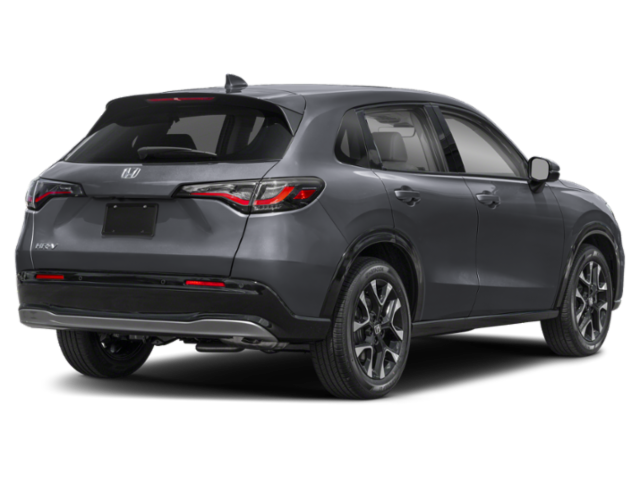
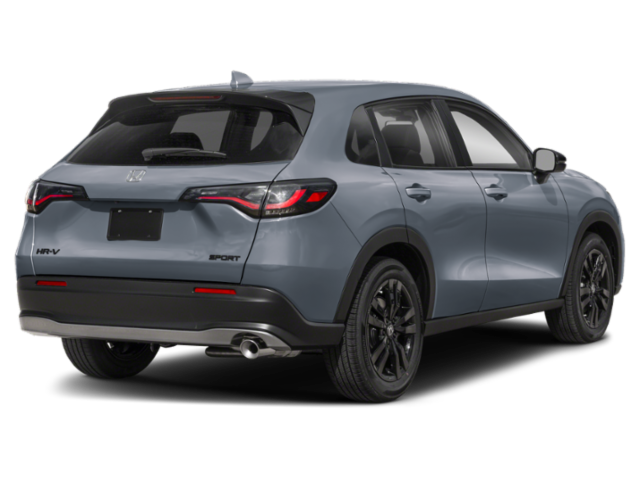
Except for the base Honda Civic LX sedan, the HR-V is the least expensive model in the automaker's lineup. It competes with other subcompact SUVs, but it is larger inside than many of them. Accordingly, it is also more expensive than many of them. The 2026 HR-V is available in LX, Sport, and EX-L trim levels, with base prices ranging from $27,950 to $31,800, including the destination charge.
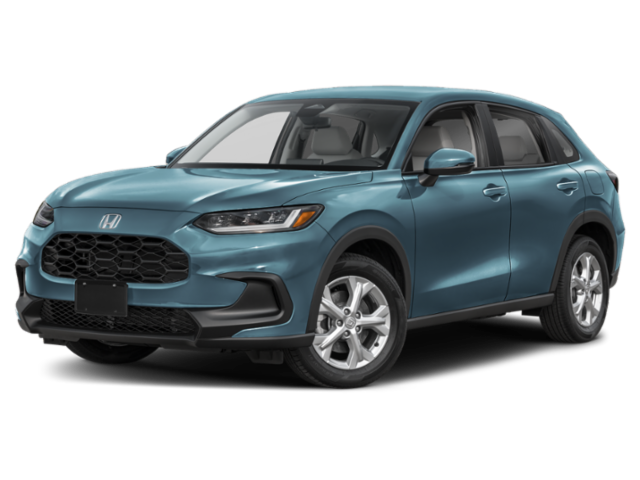
For this 2026 HR-V review, Honda provided a test vehicle equipped with the EX-L trim, all-wheel drive (AWD), and the Nordic Forest Pearl paint available at an extra cost. The test vehicle's manufacturer suggested retail price (MSRP) was $33,455, including the $1,450 destination charge to ship the crossover from the Celaya, Guanajuato, Mexico, assembly plant to a local dealership. The price does not reflect any current rebates, incentives, or price adjustments since Honda manufactured the test vehicle.
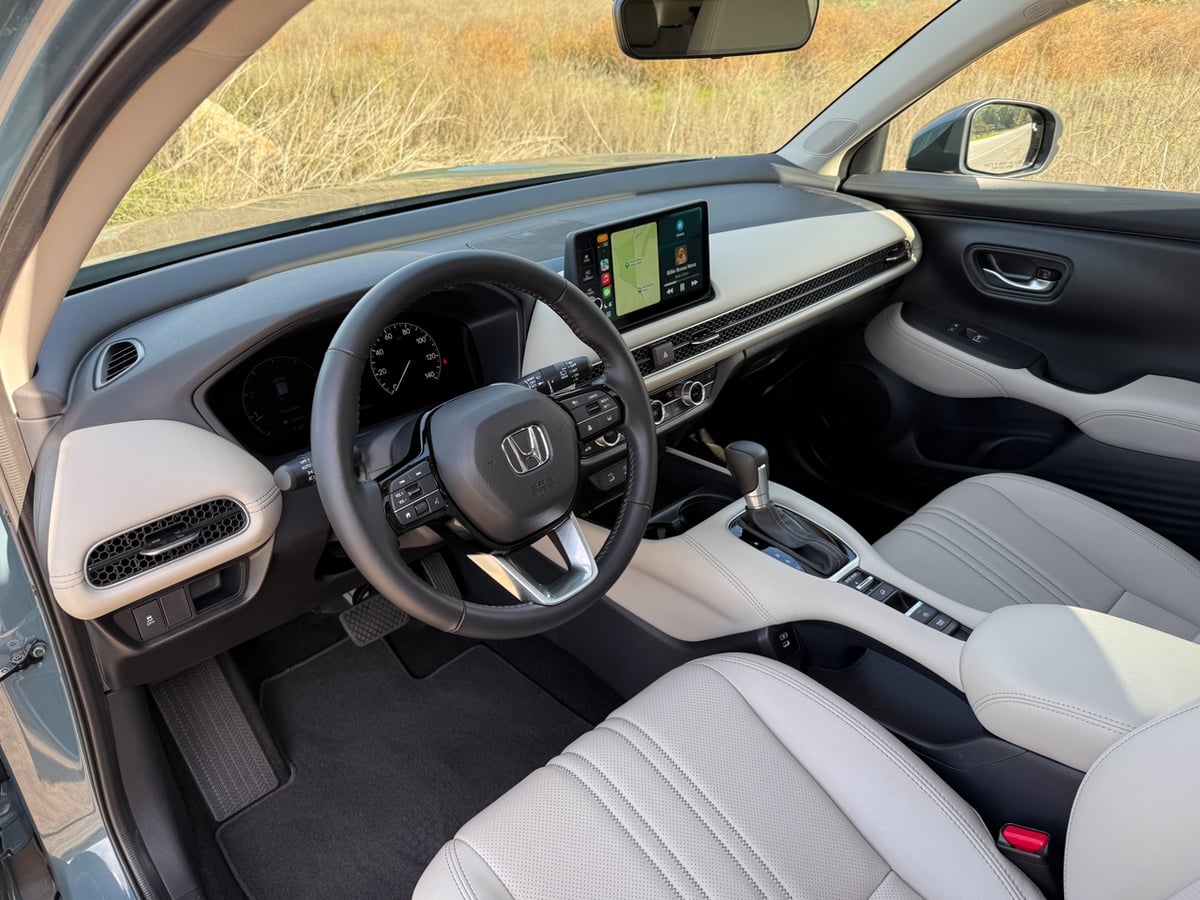
Photo: Christian Wardlaw
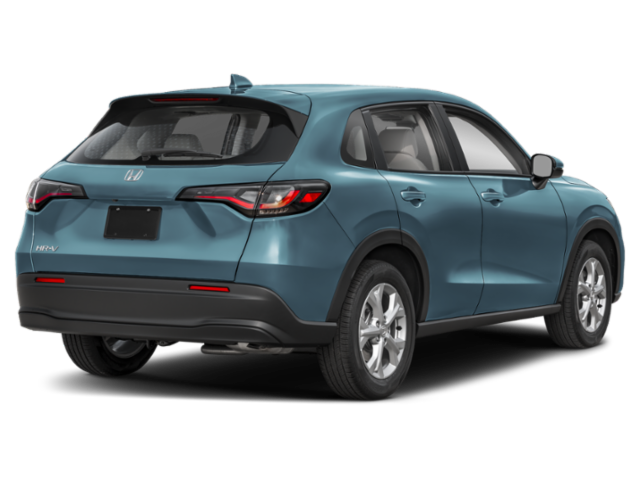
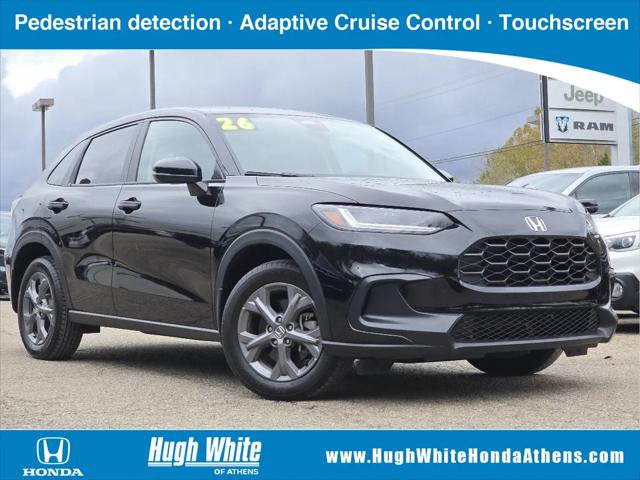
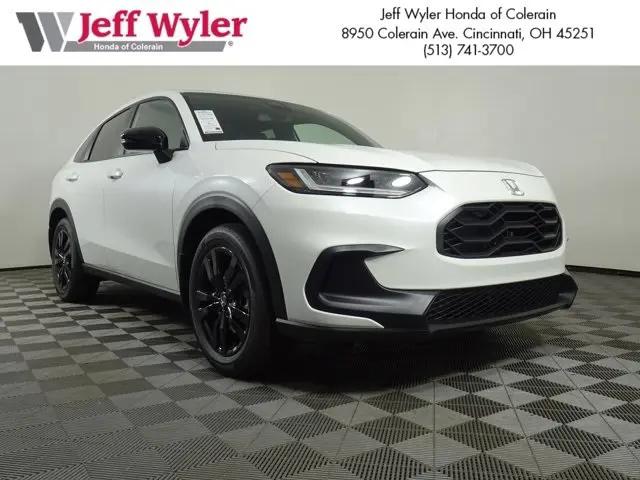
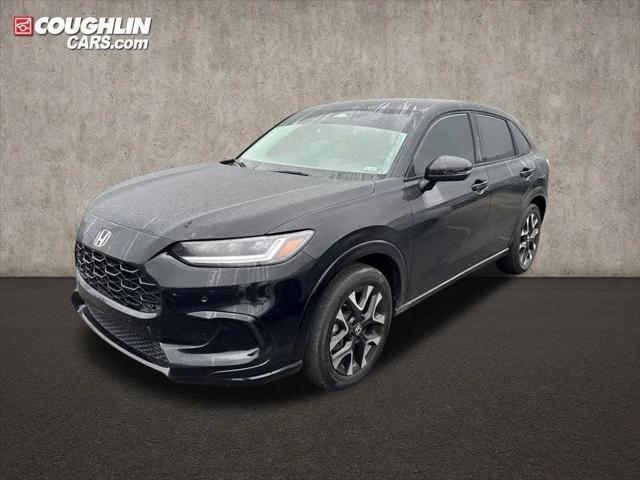
Dressed in the EX-L trim with Nordic Forest Pearl paint and a Gray leather interior, my 2026 HR-V test vehicle looked as good as it gets. This trim's new 18-inch wheel design exudes chunky goodness, giving the HR-V a stockier stance, and I loved the paint color, though I realize it is not for everybody.
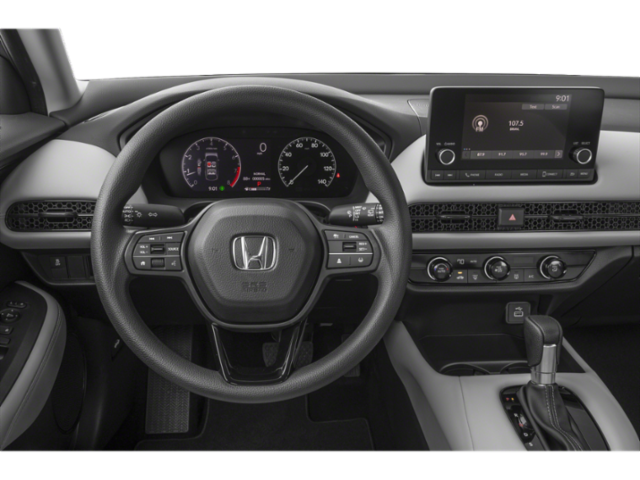
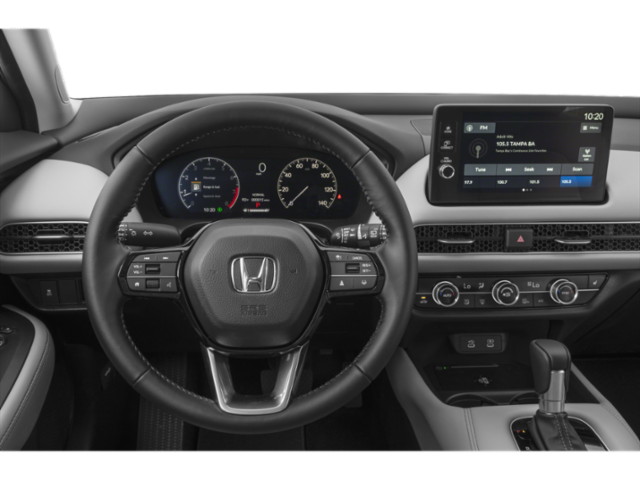
Inside, the EX-L test vehicle's Gray interior offered richly contrasting hues for an upscale look and feel. In addition to the seats, Honda deploys the color on padded portions of the dashboard and center console. In combination with the metal mesh strip of trim that hides the air vents, the fancy metallic climate control knobs, the 7-inch digital instrumentation panel, and the 9-inch touchscreen infotainment system, the HR-V EX-L's interior makes it easier to justify its price tag.
One benefit of choosing the HR-V instead of the Civic or Accord is how easy it is to enter and exit the cabin. As a crossover SUV, it sits higher off the ground. Once you are in, both of the EX-L's leather-wrapped, heated front seats are comfortable, especially the driver's, which includes eight-way power adjustment.
Honda also provides plenty of storage for the driver and front passenger, including a large bin under the center armrest, a generous glove compartment, sizable cupholders, and trays embedded into the door panels and center console. Most are unlined, so items placed there can slide around on the plastic surfaces, causing noise, vibration, and harshness.
The control layout is excellent. Honda puts things where you expect to find them, and they are clearly marked for ease of use. Tactile quality is high, too, and for the subcompact SUV segment, the EX-L's interior demonstrates impressive quality.
Rear seat passengers will not be as impressed with the HR-V. It has adequate legroom, foot room, and headroom, making it a small SUV capable of carrying full-size adults. However, the seat is not very comfortable. Mounted low, the bottom cushion lacks support, and I found the backrest angle uncomfortable. Also, not even the EX-L trim level offers rear air conditioning vents, USB charging ports, or a fold-down center armrest with cupholders. Storage space is scant.
Based solely on Honda's specifications, the HR-V's 24.4 cubic-foot cargo area is just a tiny bit smaller than the Civic Hatchback (24.5 cubic feet). However, the HR-V's squarer roofline makes its cargo area more practical. Unfortunately, Honda does not include hooks, trays, wells, bins, or nets, so you will want to add your own organization and storage solutions.
The back seats fold down, expanding the cargo space to 55.1 cubic feet. They are a 60/40 split, though, so you cannot carry four people and long items at the same time.
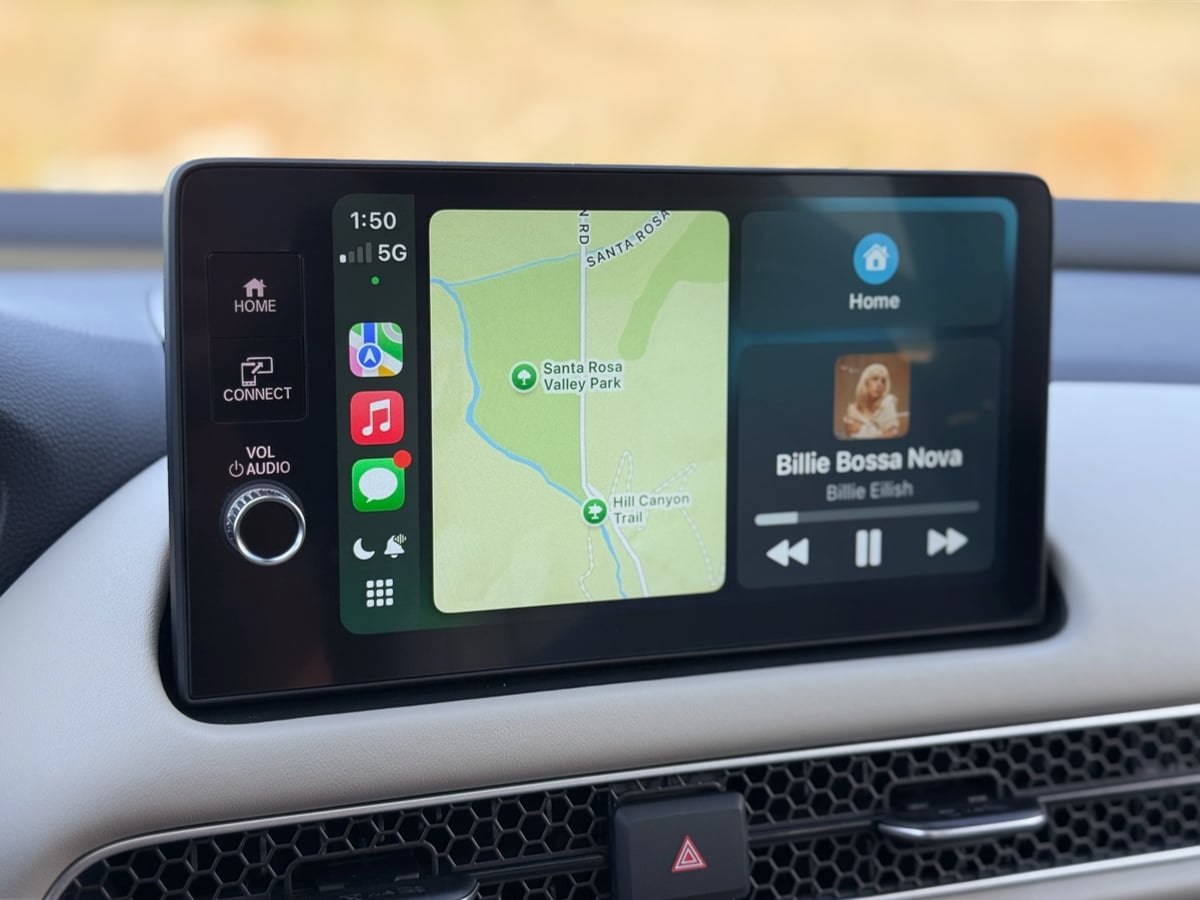
Photo: Christian Wardlaw
For the 2026 model year, Honda equips every HR-V with a 9-inch touchscreen infotainment system featuring wireless Apple CarPlay and Android Auto smartphone mirroring. It delivers sound through a four-speaker (LX), six-speaker (Sport), or eight-speaker (EX-L) stereo system. The one in my EX-L test car produced decent sound quality.
This setup does not offer SiriusXM satellite radio, navigation, or a comprehensive menu of connected services plans. HondaLink is standard and provides a few complimentary services through a smartphone app. Vehicle settings are accessible through the digital instrumentation panel by using the controls on the steering wheel. There is a standard wireless smartphone charger located forward of the transmission shifter and cupholders.
Honda says the HR-V's newly standard infotainment system features a faster processor, and it does seem relatively lag-free. I effortlessly paired an iPhone via Bluetooth, made and received calls, requested directions using the voice recognition system and Siri, and streamed music.
At no point did I miss any of the gee-whiz-bang technology you might find in some of the HR-V's rivals. Instead, I wished for buttons to change tracks, though I admit it is easy enough to use the steering wheel controls for this purpose. Nevertheless, considering the HR-V's role in attracting new, younger customers to the Honda brand, it really should have better technology.

Photo: Christian Wardlaw
It really should have more power, too. A 2026 HR-V weighs between 3,159 and 3,336 pounds, depending on the trim level and drivetrain. Yet, Honda thinks a 2.0-liter four-cylinder engine producing 158 horsepower and 138 pound-feet of torque is the right tool for the job.
No. It is not.
I admit that if you are just driving the HR-V in a city setting, you might not notice the lack of power. The continuously variable automatic transmission (CVT) makes good use of what is available and is not obtrusive in typical driving situations.
Drive out of town, and the lack of power is plainly evident. Whether you are accelerating onto a freeway, climbing a mountain grade, or trying to pass slower traffic, this engine's withered muscles simply cannot flex. In addition, the engine seems to be working hard most of the time, as evidenced by the frequent unpleasant droning when it revs higher to access the available horsepower and torque.
When engines work hard, they consume more fuel. My EX-L AWD should have averaged 27 mpg in combined driving. On my testing loop, it returned 24.8 mpg. When I road-tested a 2026 Civic Sport on that same route, it averaged 31.9 mpg from its 150-hp 2.0-liter four.
Unexpectedly, the HR-V EX-L exhibits some baked-in Honda DNA as it hustles itself down a twisty mountain road winding from elevation to sea level. This trim level's large 18-inch wheels and tires provide good grip, and the HR-V features a multi-link rear suspension and a brake-based torque vectoring system called Agile Handling Assist. The SUV's steering is not quick, but it is precise. The brakes did not fade under duress, either. Thanks to its 7 inches of ground clearance, it straddled a rock that might have damaged a Civic.
Still, this SUV's primary dynamic problem is sluggish acceleration, followed by disappointing fuel economy. Honda can fix both issues by offering the HR-V with its excellent two-motor hybrid powertrain. It is available in the Civic Hatchback and provides plenty of zoom to go with impressive gas mileage. Alternatively, the turbocharged 1.5-liter four-cylinder Honda uses in the base versions of the CR-V would be a perfect optional upgrade.
If Honda could address the lack of power, the HR-V would be far more appealing.
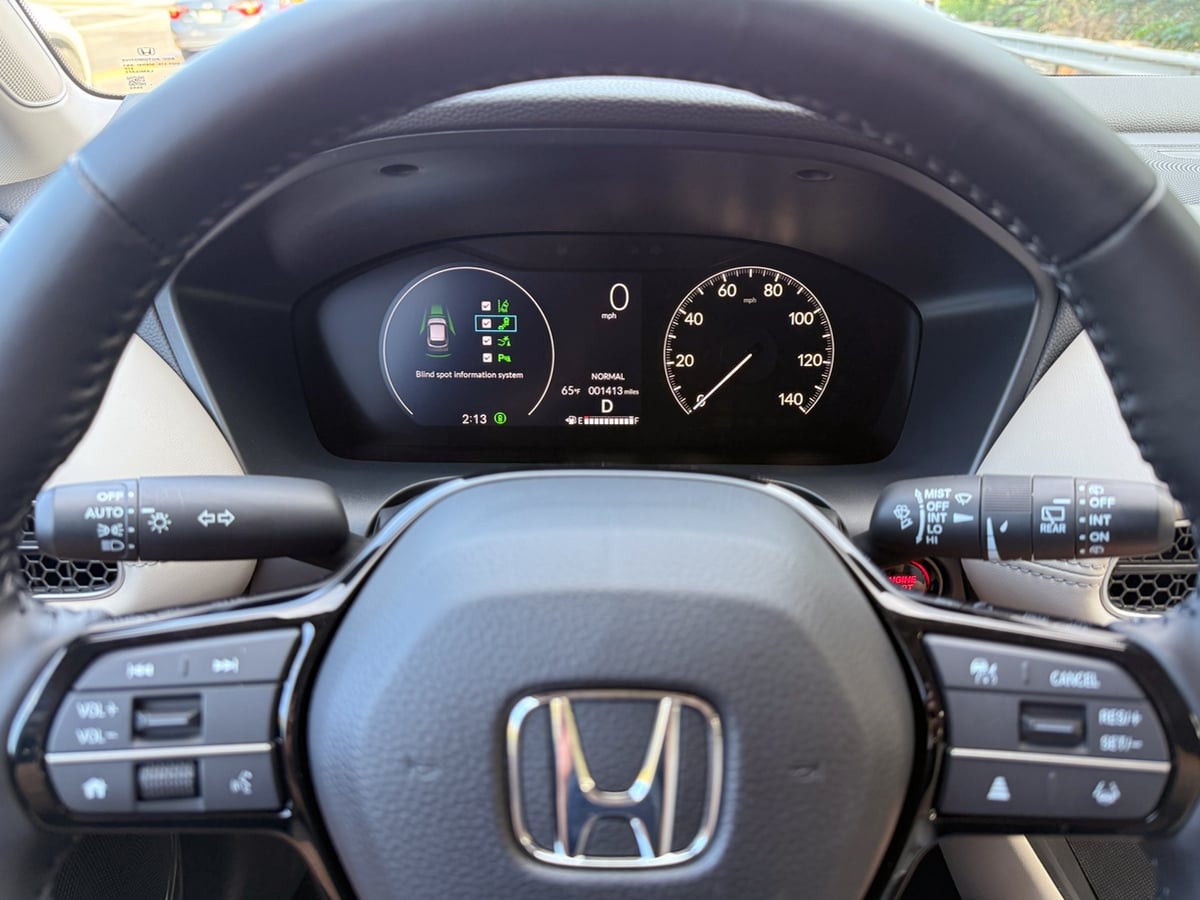
Photo: Christian Wardlaw
Honda Sensing is standard equipment on every 2026 HR-V. This collection of advanced driver assistance systems (ADAS) includes:
Unfortunately, the HR-V LX does not include blind spot warning or rear cross-traffic warning, which are critical safety features. You cannot add them as options, either. However, they are in the HR-V Sport and EX-L, and the top trim adds front and rear parking sensors and a low-speed automatic braking system.
During testing, Honda Sensing's adaptive cruise control had some trouble accurately sensing its surroundings. It misidentified slower vehicles in the adjacent right lane as obstacles in the HR-V's path while I was traveling around a left bend on a freeway. In traffic, it also did not "see" stopped vehicles ahead after I changed lanes, causing the forward collision warning system to activate as I stomped on the brake pedal.
The engine's lack of power was a liability as well. In variable traffic conditions, if the HR-V had to slow down, it simply could not accelerate back up to the desired speed with any semblance of haste. That created a significant gap between the Honda and the vehicles ahead. In turn, when traffic slowed or stopped again, the HR-V, now straining to return to speed, could not react fast enough to the new situation, requiring driver intervention. I had to quit using adaptive cruise control and traffic jam assist because the HR-V could not handle the conditions.
Crash-test ratings from the National Highway Traffic Safety Administration (NHTSA) are favorable. As of this writing, the Insurance Institute for Highway Safety (IIHS) reports that the 2026 HR-V earned a Top Safety Pick+ rating in the 2025 calendar year—the highest available from the IIHS.
According to the JD Power 2025 Initial Quality Study (IQS), the Buick Encore GX ranks highest in the Small SUV segment. The Kia Soul ranks second, and the Chevrolet Trailblazer and Ford Bronco Sport rank third (in a tie).
According to the JD Power 2025 Automotive Performance, Execution and Layout (APEAL) Study, the Mini Countryman ranks highest in the Small SUV segment. The Hyundai Kona and the Buick Envista are the next highest-ranked models.
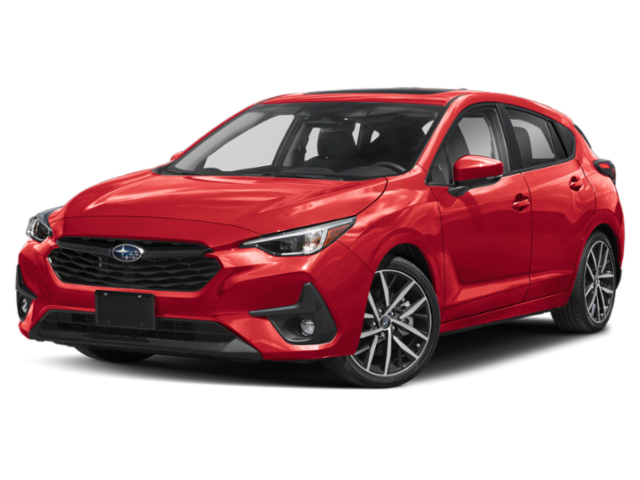
Other 2026 HR-V competitors include the Mazda CX-30, Nissan Kicks, and Subaru Crosstrek.