
Honda has been at the forefront of hybrid powertrain innovation ever since the technology first entered the mainstream consciousness more than 15 years ago. And for nearly a decade, the company's two-motor hybrid system has been one of the gold standards in gas-electric propulsion. Blending fuel efficiency and low emissions with impressive performance and practicality, the two-motor hybrid system is now in its fourth generation and better than ever.

Since its U.S. debut in 2014, the automaker's evolving two-motor hybrid system has powered more than 300,000 Honda vehicles. Its eco-friendliness and spirited driving experience have made it a popular choice among environmentally conscious consumers.
First introduced in the 2014-2016 Honda Accord Hybrid, the two-motor hybrid system proved to be a marvel in its own right. This early iteration featured a power output of 196 horsepower and achieved an EPA-estimated 47 mpg combined. With its 2.0-liter Atkinson-cycle engine and 1.3-kilowatt-hour (kWh) lithium-ion battery, the well-packaged system helped optimize performance and gas mileage without compromising interior cargo space.
The second-generation system showed up in the 2017 Accord Hybrid with even more power and greater efficiency. One year later, a more refined third-generation two-motor hybrid setup debuted in the 2018 Accord Hybrid with a more compact and lightweight Intelligent Power Unit (IPU) and better packaging for more trunk space, as well as new regenerative braking controls for more effective energy recovery.
Honda introduced the newest fourth-generation system for the 2023 model year, representing a significant leap forward in the engineering and design of the automaker’s two-motor hybrid technology.
Despite its constant evolution, the Honda two-motor hybrid system is comprised of five core components across all generations:
Instead of employing a conventional torque converter or mechanical pulley system, the two-motor hybrid setup utilizes the coordinated operation of its electric motors to manage power distribution and propulsion. This tandem approach ensures seamless acceleration while maintaining low-rpm cruising when the gasoline engine is engaged.
Overall, the system regulates the performance of the engine and the interplay of the electric motors to achieve optimal fuel efficiency and engine responsiveness across three driving modes:
The two-motor hybrid layout can operate as a series or parallel hybrid system. A series hybrid only receives mechanical power from the electric motor, which gets its energy from a battery or a gasoline-powered generator. The electric motor and internal combustion engine can provide mechanical power in parallel hybrid systems.
The two-motor hybrid system usually operates as a series hybrid in everyday around-town driving. Still, it can switch to a parallel mode for high-speed cruising, where the engine has a decided advantage over the motor.
Regenerative braking also remains an important feature in the two-motor hybrid system. It captures kinetic energy during braking and converts it into electrical energy to recharge the battery. This process is integrated with traditional braking systems for a safe and stable driving experience.
As with each new generation, the premise of the fourth-generation system is to enhance efficiency while delivering more power and performance and even better cargo space. This version of the two-motor hybrid system became available on the current Accord and CR-V as of model year 2023.
This latest iteration features a side-by-side arrangement of the electric motors, allowing for a larger and more powerful propulsion motor. This increases torque to 247 pound-feet for greater acceleration and the ability to perform heavier-duty tasks. In addition, the propulsion motor uses new high-performance magnets to enable a higher peak motor speed.
The new configuration also includes advanced gearsets and clutches, enhancing performance and capability, such as the CR-V's increased towing capacity of up to 1,000 pounds. Honda uses a high-speed lockup clutch in the Accord and CR-V, reducing engine rpm at faster speeds. The automaker says it provides a quieter, more relaxed driving feel on the highway.
Furthermore, the new version of the two-motor hybrid system features an all-new Atkinson-cycle 2.0-liter four-cylinder engine with newly added direct multi-stage fuel injection. According to Honda, this results in greater power output and significantly reduced emissions by more than 20 percent. Another first for the two-motor hybrid system is that Honda makes it available in front-wheel- (FWD) and all-wheel-drive applications on the CR-V. The Accord remains FWD only.
Honda’s two-motor hybrid system provides significant advantages over other hybrids and non-hybrid vehicles, especially in its fourth generation:
Honda's two-motor hybrid system has evolved with each generation, enhancing efficiency, power, and vehicle integration. As such, the latest fourth-generation system is a new high watermark in hybrid innovation.
To learn more about various automotive technologies, visit the Shopping Guides section of the website.
Jessica Shea Choksey is an experienced writer in the automotive field. In addition to JDPower.com, she was a correspondent for PBS's MotorWeek, and her work has appeared on Autotrader.


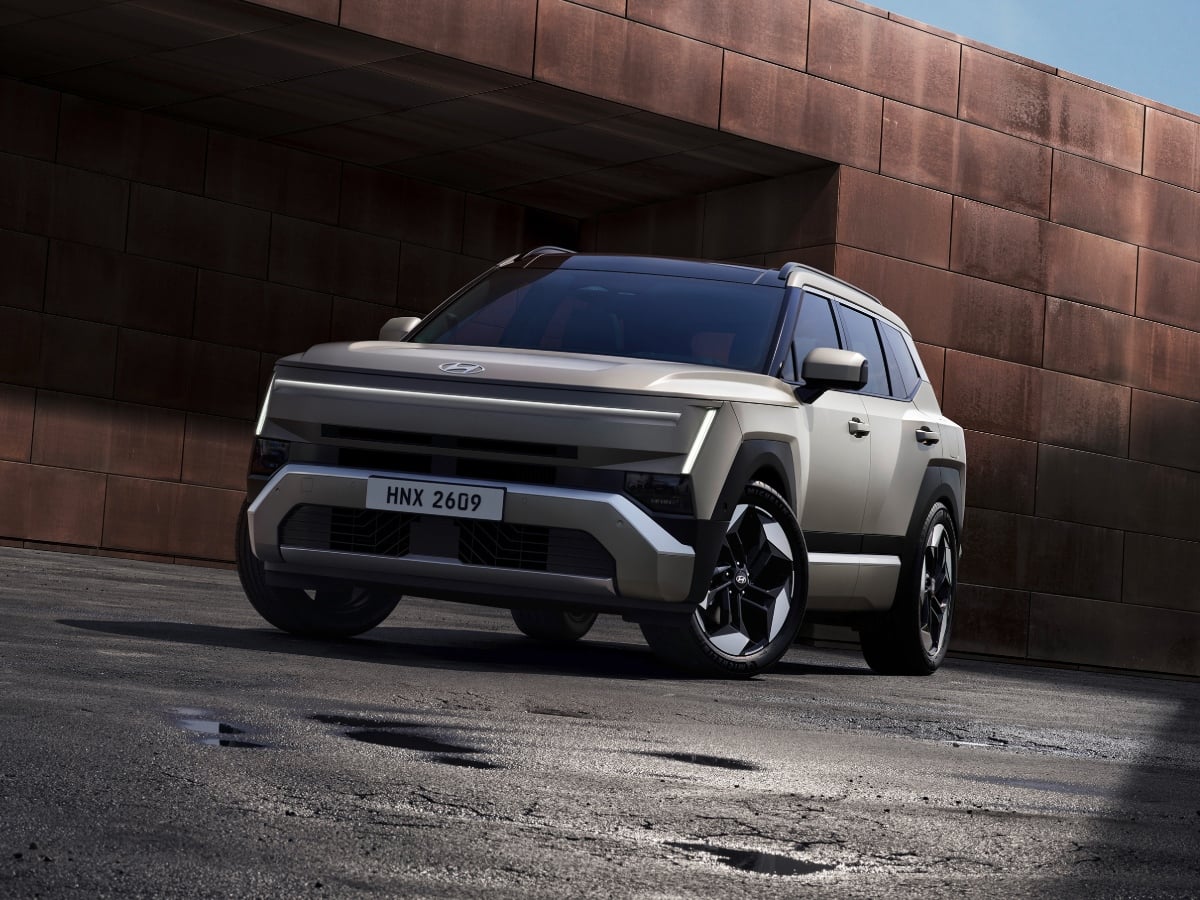
With a purposeful new design and some trail-ready upgrades, the 2027 Hyundai Tucson is pushing the brand's best-selling crossover SUV into more aggressive territory.
Read the Full Article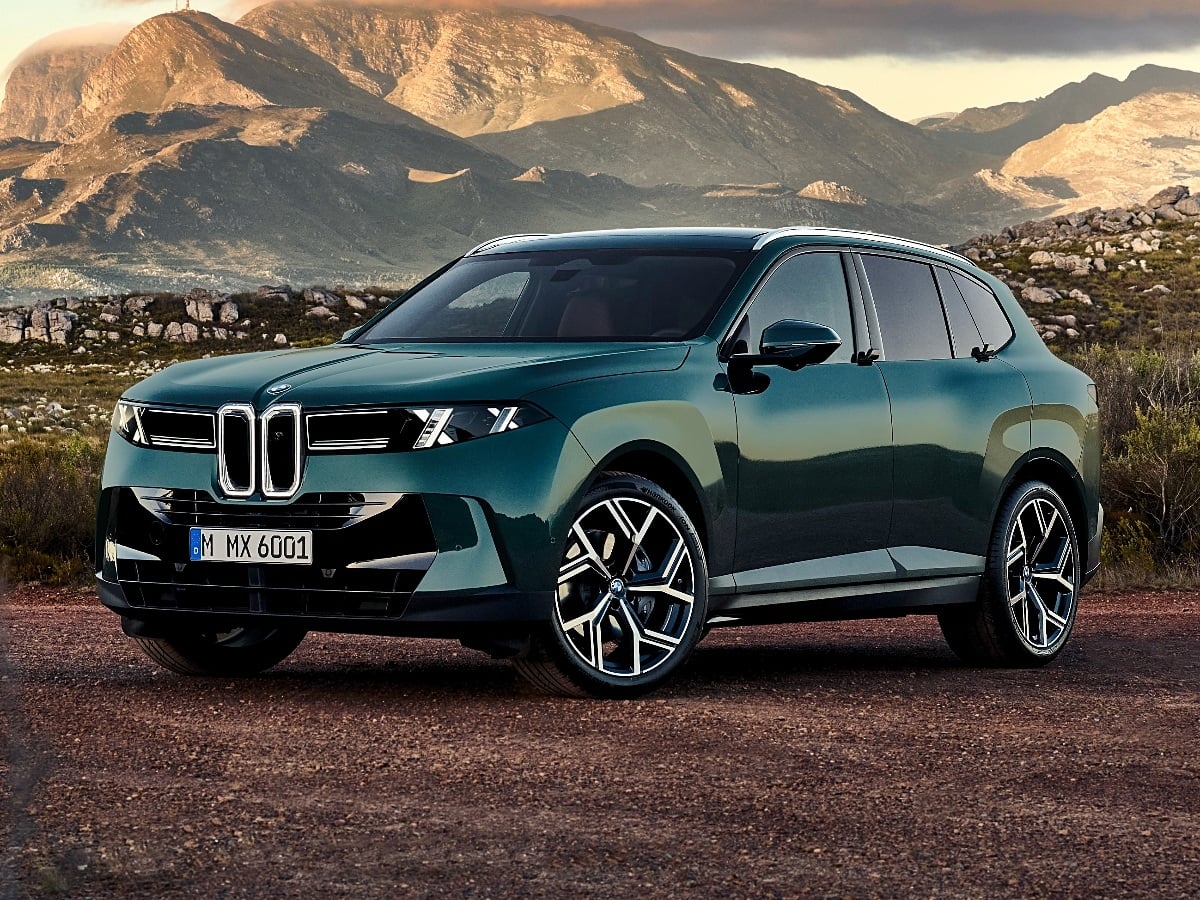
For more than 25 years, the BMW X5 has helped to define the luxury SUV segment. Now, the redesigned fifth-generation 2027 BMW X5 arrives with the automaker’s Neue Klasse styling, a roomier interior, ...See More
Read the Full Article
One of Lexus's most popular models, the NX crossover SUV is also one of the most affordable in the company’s lineup. The 2027 Lexus NX transitions to hybrid-only powertrains, and gets revised ...See More
Read the Full Article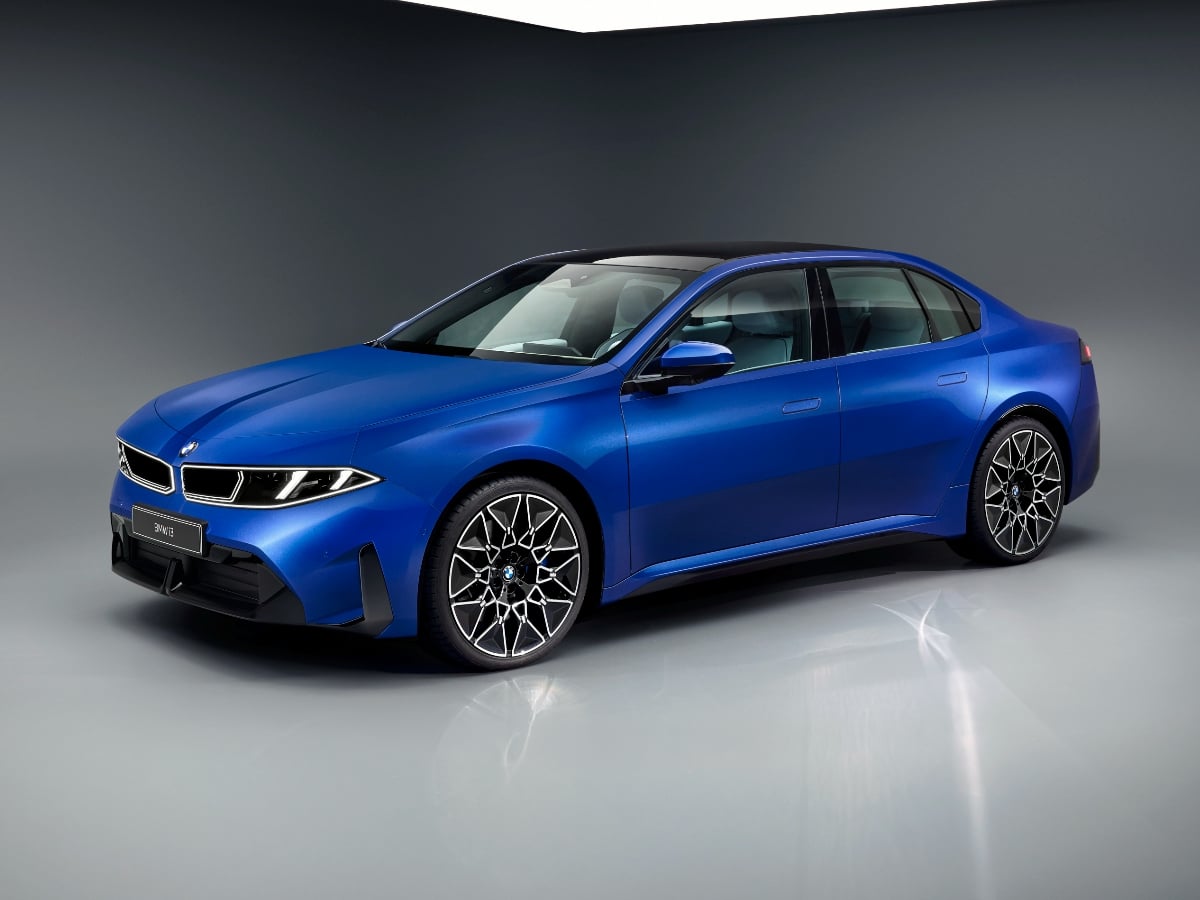
The new 2027 BMW i3 boasts an estimated range of up to 440 miles, 400-kilowatt DC fast charging capability, bidirectional charging to a home or the grid, and next-generation technology.
Read the Full Article