
Torque vectoring is an electronically controlled system that improves vehicle traction, cornering capabilities, and overall stability by allotting specific power delivery to individual wheels. It is most often associated with all-wheel-drive (AWD) systems and is increasingly common in many of today's performance car and utility vehicle applications.
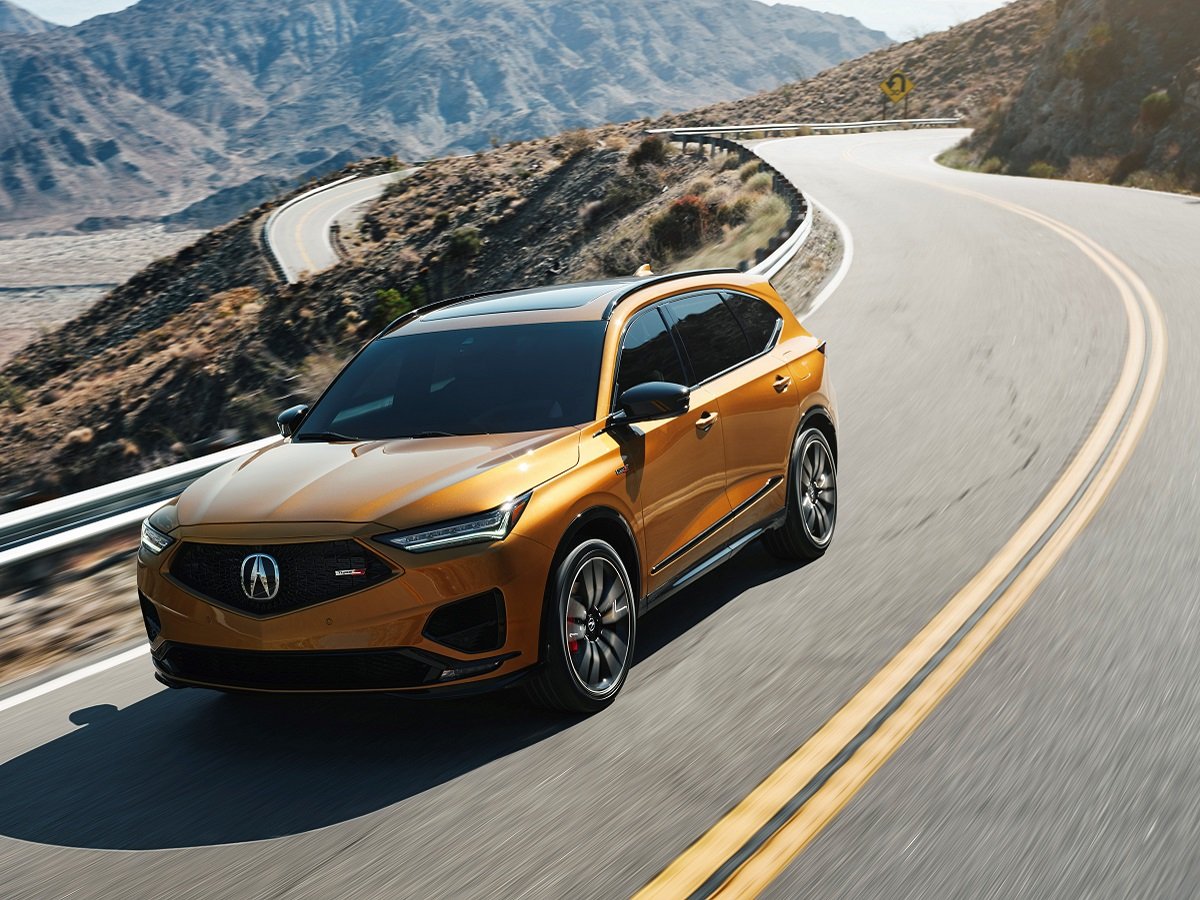
When traveling in a straight line, the wheels on both sides of a car rotate at the same speed. But that rotational speed changes when a vehicle turns or takes a corner. In that case, the outer wheels move along a larger radius and must cover a greater distance than the inner wheels in the same amount of time.
This is where differentials come into play. Differentials are mechanisms that allow the wheels to rotate independently at different speeds. These differentials are the basis for most torque-vectoring systems, allowing a vehicle to vary the torque applied to each wheel based on how much grip and traction the system detects. In doing so, the system can alter a vehicle's handling characteristics to overcome slippery surfaces or enhance cornering performance.
The primary goal of a torque-vectoring system is to redistribute torque predictively between the driven wheels to optimize stability. For instance, when cornering, the system can send more torque to the wheel on the outside corner. As a result, that wheel provides the extra push that generates yaw to help turn the car while tightening its line of travel. Yaw is the movement around the vehicle's y-axis and occurs when the vehicle's weight shifts from its center of gravity to the left or right.
Torque-vectoring systems improve precision under cornering and maximize grip in low-traction situations. There are two primary ways torque vectoring is implemented and applied on a vehicle. The most common is differential-based torque vectoring. The other approach is brake-based torque vectoring.
Differential-based torque-vectoring systems combine an open differential with a pack of multi-plate clutches on either side of the vehicle. These systems also employ sensors measuring the wheel speed and the car's yaw. The system electronically engages the clutch packs when a vehicle is cornering over a slippery or low-traction surface.
The clutch packs work to increase or reduce the torque being directed to a wheel. In situations such as an S-curve, this helps the driver rotate the car by increasing the amount of torque sent to the outside wheels. The same is true when the vehicle rides over a low-traction surface; torque goes to the wheels with the most grip.
When a vehicle travels in a straight line, the clutch packs deactivate, and the car retains the characteristics of an open differential. In this case, torque is distributed evenly between the wheels.
Differential-based torque vectoring is often applied in conjunction with AWD. These advanced systems elevate AWD by enhancing directional stability and controllability.
The most significant drawback of differential-based torque vectoring is cost. The more sophisticated the system, the more expensive it is.
Although the use of differentials is the most common approach, some torque-vectoring systems utilize the vehicle's brakes to replicate the behavior of the more advanced differential-based systems. Brake-based torque vectoring uses braking and stability control systems to enable a cost-effective form of power delivery to individual wheels.
Rather than channeling torque through a differential, this system momentarily applies the brake to one of the wheels, such as the inside wheel, during a turn. The reduction in speed of the inside wheel creates a similar speed differential across the inside and outside wheels. The result is increased yaw that helps turn the car.
In performance applications, the key disadvantage of a brake-based system relates to speed and durability. Using the brakes to improve cornering can result in slower lap times than a differential-based system. There is also more significant potential for overheating and more overall wear and tear on the brakes. But if improved stability is the priority, a brake-based torque-vectoring system is an adequate and more affordable substitute for a differential-based system.
The newest form of torque vectoring is beginning to emerge with the proliferation of electric vehicles (EVs). Although it's not widely offered yet, electric torque vectoring may become the norm as more EVs come to market with AWD capabilities.
Electric torque vectoring utilizes two electric motors placed on one axle. As such, one electric motor is affixed to each wheel and provides power to only that wheel. This setup allows for the purest form of torque vectoring, as each wheel receives individual control with up to 100 percent of the available torque.
Torque vectoring is an effective means of increasing cornering prowess for a more confidence-inspiring and surefooted driving experience. Whether the priority is performance driving or cold-weather driving, torque vectoring elevates stability and traction to best manage directional changes along the roadway.


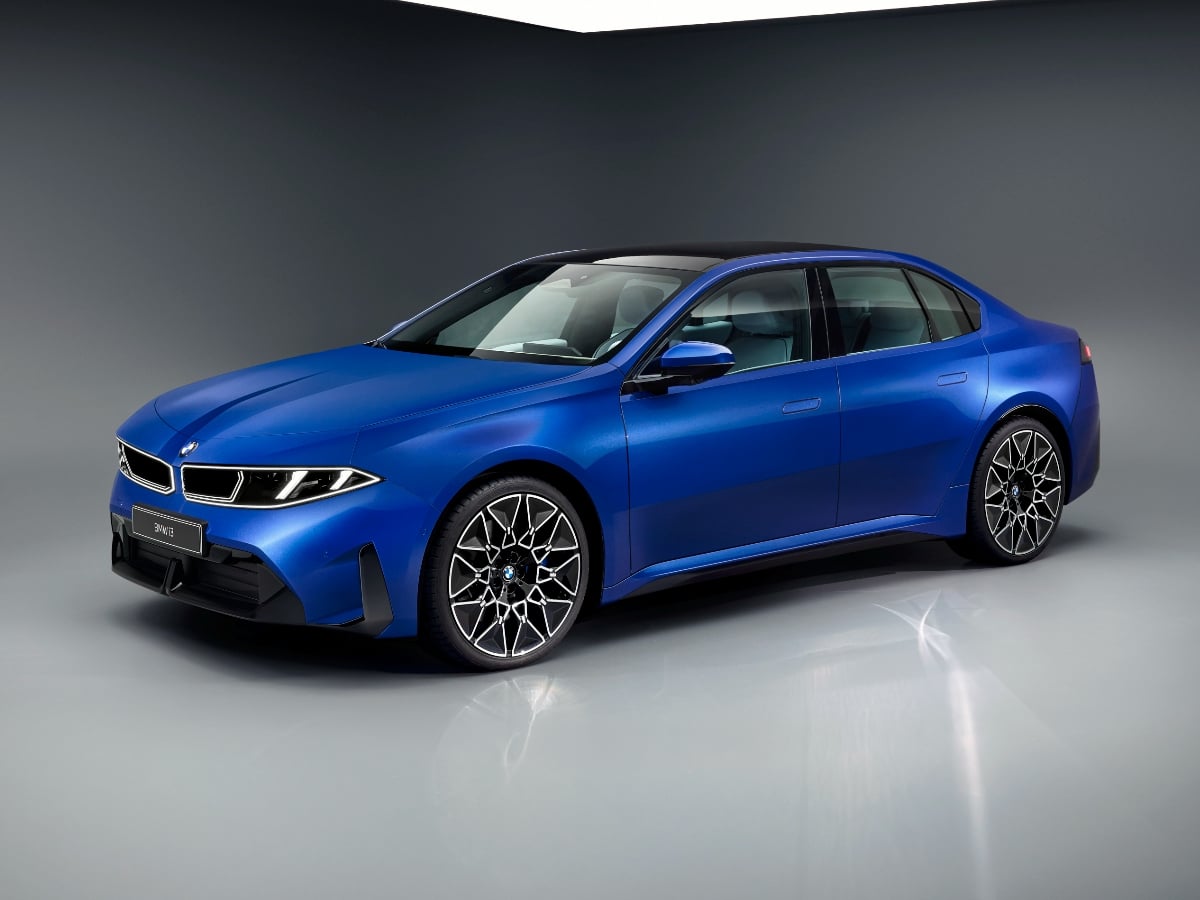
The new 2027 BMW i3 boasts an estimated range of up to 440 miles, 400-kilowatt DC fast charging capability, bidirectional charging to a home or the grid, and next-generation technology.
Read the Full Article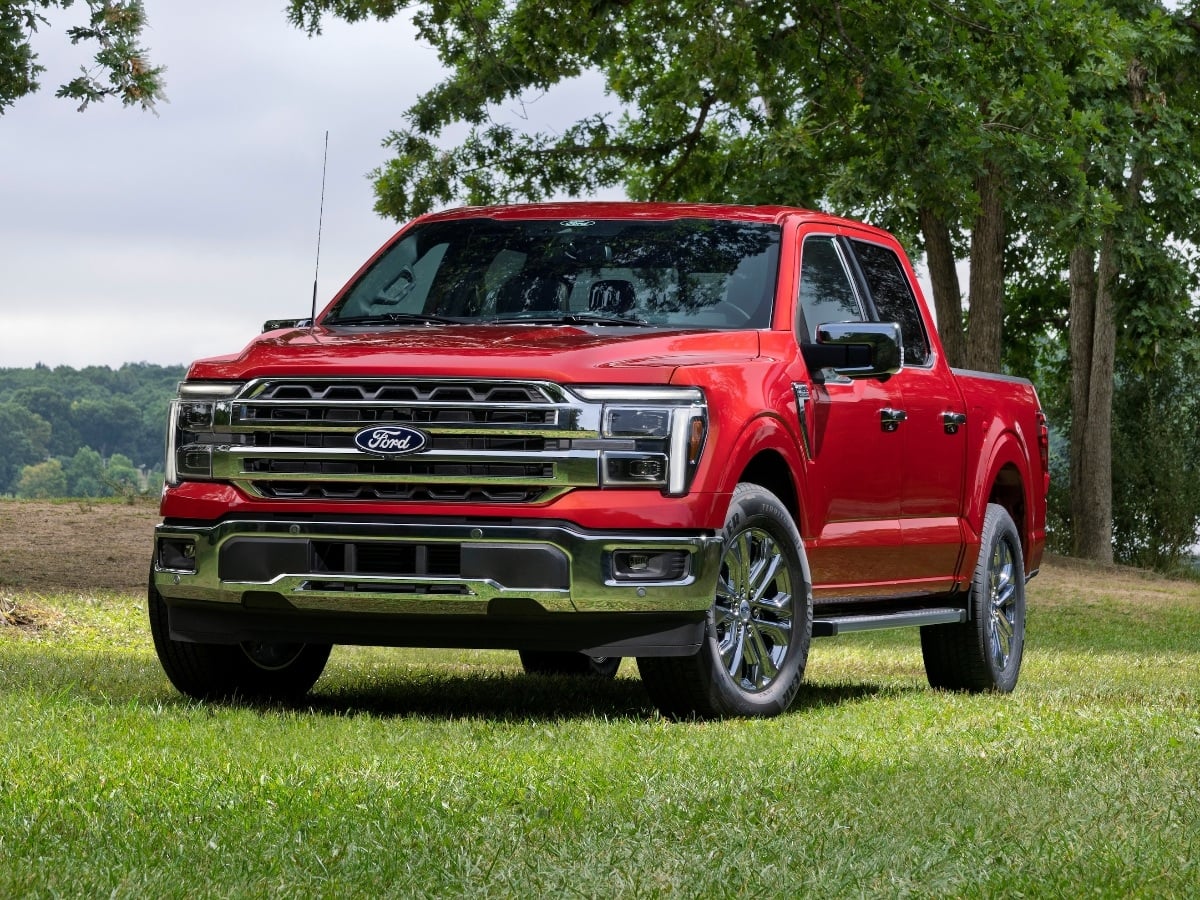
Facing renewed competition in the full-size, light duty pickup truck segment, the 2027 Ford F-150 receives subtle styling updates, a new standard engine, broader availability of its 5.0-liter V8, and ...See More
Read the Full Article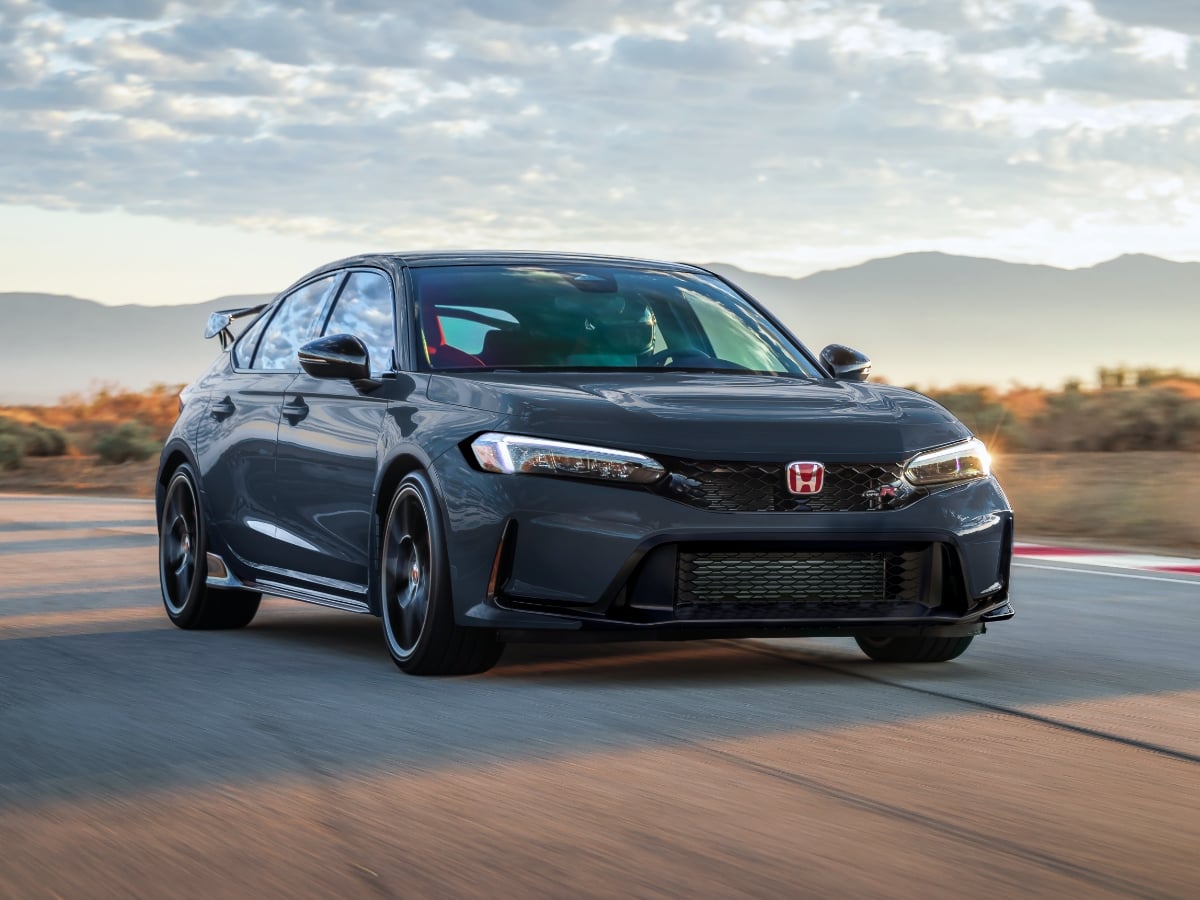
The 2027 Civic Type R goes on sale in October 2026, and it starts at $49,990, including the $1,295 destination charge.
Read the Full Article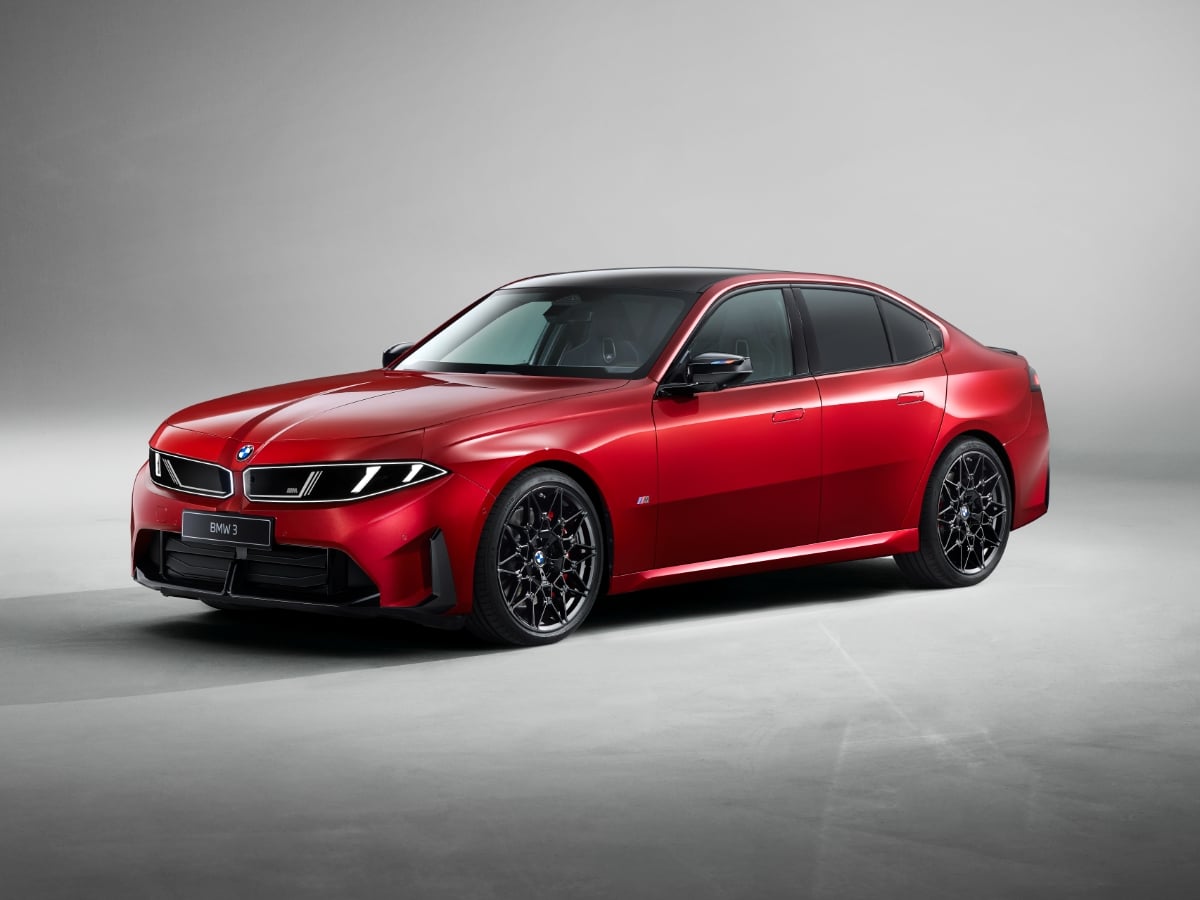
Part of BMW’s Neue Klasse (new class) rollout of redesigned models, the 2027 BMW 3 Series is all-new and goes on sale in the first quarter of 2027.
Read the Full Article