
For the 2025 model year, Toyota introduced a completely redesigned 4Runner, the first all-new 4Runner in a whopping 14 years. We previously tested the off-road Trailhunter version, but because the 4Runner is also popular among less adventure oriented suburban families, I tested the 4Runner Limited here. This version sacrifices some off-road capability for on-road comfort.

Photo: Jim Resnick
There are a bewildering nine versions of the 2026 4Runner available, making it an automotive chameleon that appeals to serious off-road fans as well as soccer parents who need space for kids, sports gear, and occasional weekend trips.
Toyota offers the 2026 4Runner in SR5, TRD Sport, TRD Sport Premium, TRD Off-Road, TRD Off-Road Premium, and Limited trim levels, all with the standard i-Force engine. Additionally, the TRD Off-Road, TRD Off-Road Premium, and Limited trims are available with an i-Force Max hybrid engine. Platinum, TRD Pro, and Trailhunter 4Runners are only offered with the hybrid engine. Prices range from the mid-$40,000s to nearly $70,000, including the destination charge.
For this 2026 4Runner review, Toyota provided a test vehicle equipped with the Limited trim and the following significant options:
The test vehicle’s manufacturer suggested retail price (MSRP) was $63,345, including the $1,495 destination charge to ship the SUV from the Tahara, Japan, assembly plant to a local dealership. The price does not reflect any current rebates, incentives, or price adjustments since Toyota manufactured the test vehicle.

Photo: Jim Resnick
If you have seen the new Tacoma pickup, you will recognize the new 4Runner. They share a platform and many mechanical components, and they also have a similar design aesthetic with matching front end bodywork and grille treatments, hood height, and squared-off wheel arches. In addition, the 4Runner's rear quarter windows extend slightly into the roof, much like the original. The 4Runner has a ready-for-anything stance, similar to the Tacoma.
Getting into the 4Runner test vehicle was easier, thanks to automatically deploying power running boards—optionally available on Limited and Platinum trims—that extend from the rocker panels, acting as a step into the tallish 4Runner. While this is definitely helpful for shorter drivers, it can be inconvenient for taller ones, who also need to duck their heads to avoid hitting the door frame. I would probably skip this option.
Once seated, I found the 4Runner Limited's front seats very comfortable, controls and switches placed logically, and the quality of materials inside noticeably higher than before. With a few rare chilly days and nights in Phoenix, Arizona, the 4Runner Limited's heated and ventilated seats, and heated steering wheel rim made it a bit more comfortable.
Up front, storage spaces are plentiful and well designed. Extra pockets halfway up the door panels provide small storage areas. The lower door pockets hold larger water bottles, while the central cupholders are positioned just behind the shifter.
Toyota has tilted the wireless smartphone charging mat instead of laying it flat. A small lip keeps it in place during cornering. This arrangement also takes up less space above the transmission tunnel.
The rear seats provide good legroom and sufficient headroom, with one exception. Rear headroom is not really limited, but it is encroached upon by the dropped headliner, which creates a pocket for the sliding sunroof. Taller rear passengers will surely notice. Like previous 4Runner generations, you can lower the liftgate's window, which is a useful feature.
As I squeezed into the optional third row seat, I had to tilt my head to one side to fit. That does not even solve the legroom problem. Teens and adults should get scores of 10 from Olympic contortionist judges. It is too small for adults, too embarrassing for teens, and too awkward to reach inside to adjust. Trust me: do not order the optional third row.
The 4Runner offers ample cargo space: 84.1 cubic feet with both rows folded, 44.8 cubic feet behind the second row, but only 12.1 cubic feet behind the third. All i-Force Max models lose about 2 cubic feet of cargo capacity due to a higher cargo floor. Without the third row, the 4Runner gains about 4 cubic feet behind the back seat, and about 6 cubic feet with the second row folded down. More reasons to skip the third row.

Photo: Jim Resnick
The Toyota Audio Multimedia infotainment system, now used throughout most of the Toyota lineup, comes standard in every 2026 4Runner. Depending on the trim level, it features either an 8- or a 14-inch touchscreen as the interface, though they display the same data and look identical. The Limited trim has the larger display.
Standard features for the 4Runner Limited trim include:
Pairing my iPhone was straightforward, and CarPlay activated within 10-15 seconds of startup. You can say "Hey, Toyota" to enable voice control, or press the speech button on the steering wheel. Commands manage audio, climate, and other functions. It worked well during my test (though connected services for full navigation were not enabled), as did making and receiving calls.
The JBL audio system in the 4Runner Limited has 1,200 watts to power 14 speakers. This system lacks some of the deep bass that other SUVs with higher-end sound systems typically have. Even other recent Toyota SUVs and trucks I have tested offered richer bass response, whether I was playing music stored on my phone via a wired connection or streaming from a service or the radio.
The 4Runner Limited features a handy, removable "Flex" dashboard-mounted portable speaker. With its own battery, it lasts about 6 hours when unplugged. Go fishing and enjoy your music.
The Limited's 12.3-inch digital gauge cluster clearly shows all the expected information, including trip meters, tire pressures, driving range, and more. However, like some other modern Toyotas, choosing which menus appear in the three quadrants within the cluster is not very intuitive if you are not already familiar with it. It is all helpful information, but studying up on it helps.
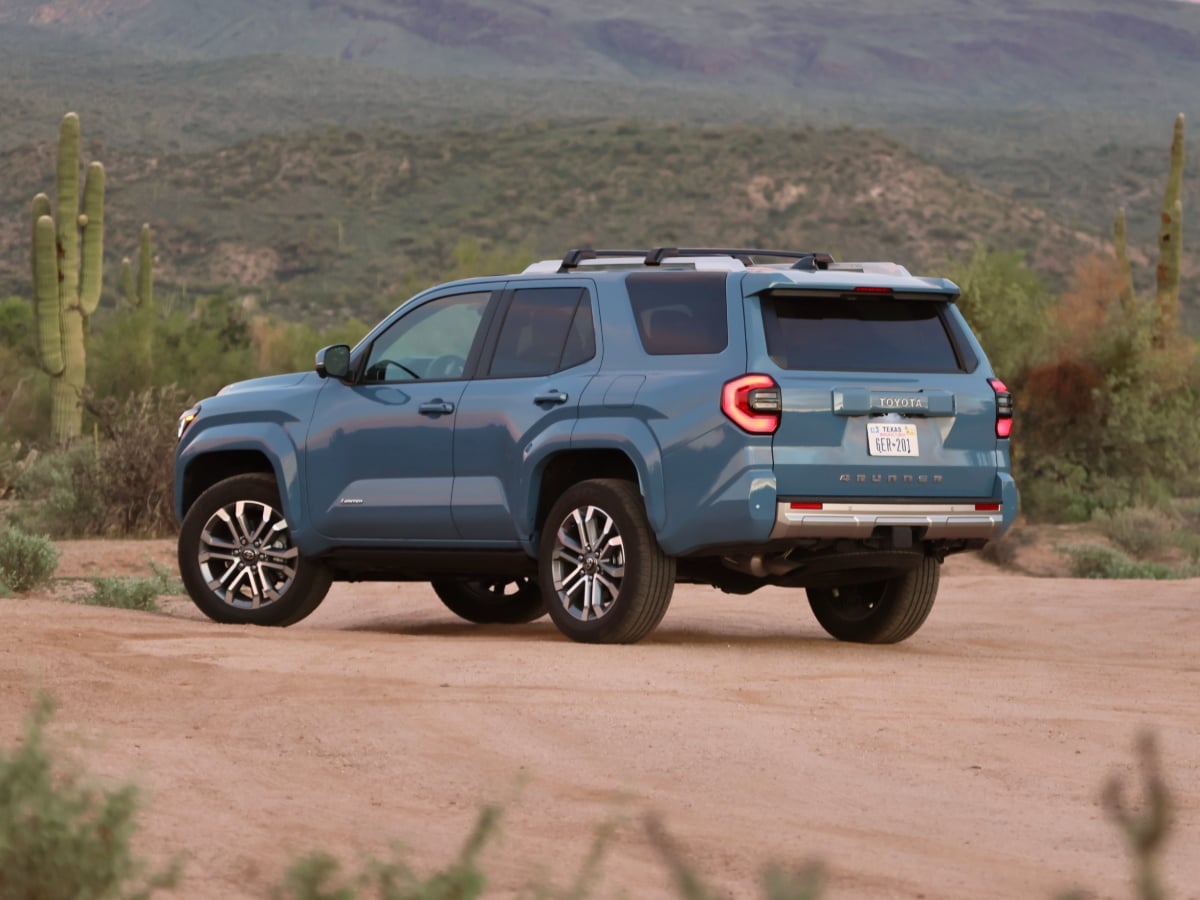
Photo: Jim Resnick
The 4Runner Limited features a turbocharged 2.4-liter i-Force four-cylinder engine producing 278 horsepower and 317 pound-feet of torque. The optional i-Force Max power unit (not tested here) adds hybrid assistance and delivers 326 hp and 465 pound-feet of torque, a substantial increase. Both engines are paired with an eight-speed automatic transmission that powers the Limited's full-time four-wheel drive (4WD) system.
The Limited has an Environmental Protection Agency (EPA) estimate of 21 mpg combined, while the Limited with the i-Force Max hybrid achieves 23 mpg combined. My personal experience shows that in mixed suburban, city, and highway driving, the i-Force Limited only managed a relatively poor 18.1 mpg.
The 4Runner Limited never felt underpowered, but it did not feel particularly peppy either. The eight-speed transmission responded reasonably well to throttle input and shifted down when needed, but I would not call the 4Runner Limited lively.
The main takeaway about the powertrain is that it sounds and feels gravelly. At full throttle, the 2.4-liter four-cylinder sends a lot of roughness and vibration through the cabin, even more than Toyotas with this same engine. Maybe it is the engine mounts or how the engine is positioned in the 4Runner's body-on-frame chassis that causes this. If the rest of the 4Runner were not as refined, I might not have noticed.
Considering that the hybrid i-Force Max drivetrain which costs about $4,000 more is not only more powerful but also offers better fuel economy, at least on paper, that hybrid engine might be a better choice for some. However, it adds over 600 pounds to the 4Runner Limited.
Every 4Runner features Drive Mode Select, which adjusts transmission, suspension, and steering settings in Normal, Eco, and Sport modes. The Limited trim adds Comfort, Sport S, Sport S+, and Custom drive modes. Additionally, every 2026 4Runner has a tow capacity of 6,000 pounds.
Powertrain aside, after just a few minutes behind the wheel on the straight open road, the new 4Runner Limited proved much more refined than the old one. Ride quality with the adaptive, adjustable dampers—and the commanding view all around without any real blind spots—create a pleasing perch from which to watch the scenery pass.
When cornering, however, the 4Runner Limited's suspension felt soft and pitchy in Normal and Comfort modes. The two Sport modes stiffened it up, and creating your own Custom mode is interesting. Still, the 4Runner was never comfortable to drive aggressively. Additionally, when braking hard, and the 4Runner stops really well when you throw out the anchors, there was a lot of dive, and the adjustable dampers could not do much to stop it.
This suspension behavior made me think that the Limited might be the most compromised 4Runner. It shares much of the mechanical setup with the off-road-oriented 4Runners, but the street-focused wheels, tires, and ride height prevent the inner 4Runner from competing with the bigger dogs. A mountain climber in sneakers, if you will.
Overall, the 4Runner Limited chassis is happiest when cruising on the highway or doing the suburban boulevard dance that involves little cornering at speed. The Limited absorbs bumps easily, and cabin noise at speed remains pleasantly low. Stick to a conservative driving style, and the 4Runner Limited will appreciate it.
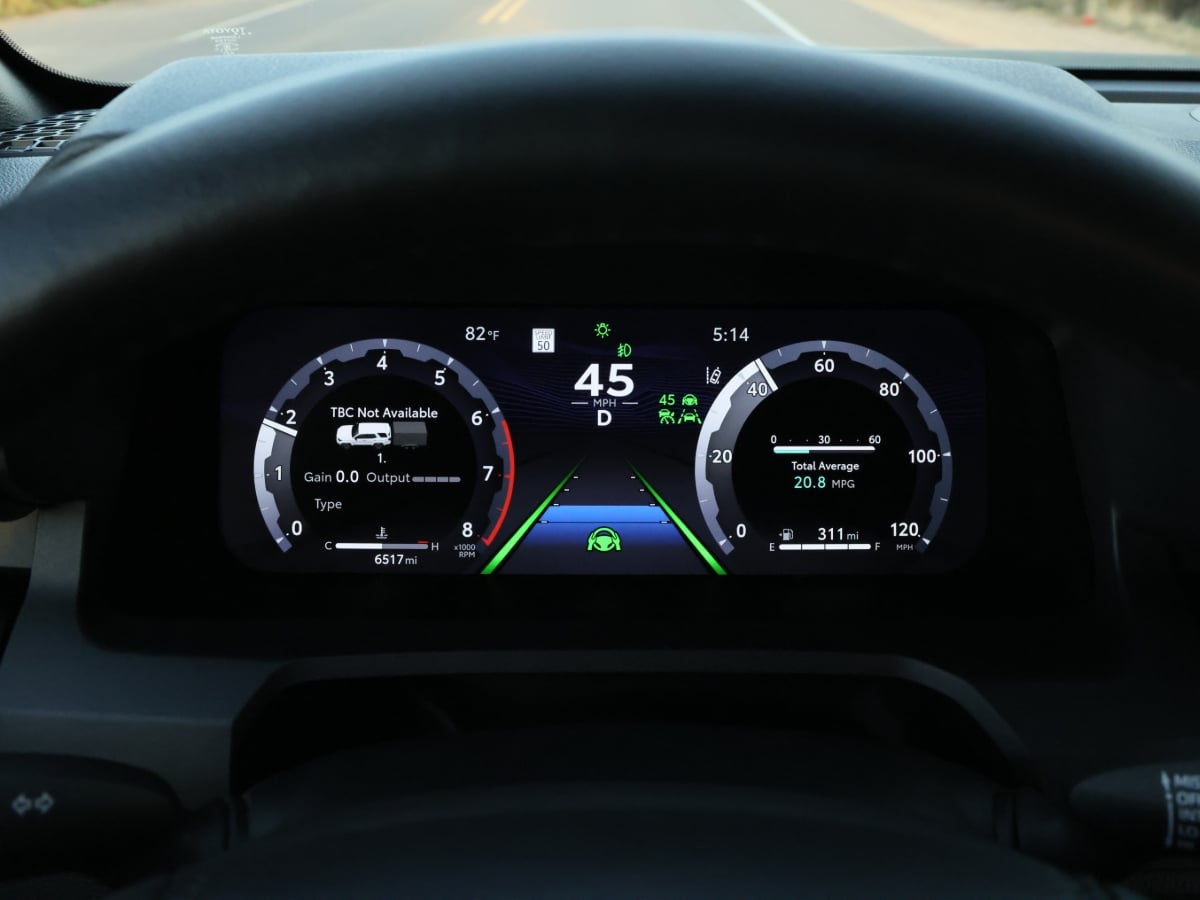
Photo: Jim Resnick
All 4Runners now come standard with the Toyota Safety Sense 3.0 (TSS 3.0) suite of advanced driver assistance systems (ADAS). All the expected features are included, like adaptive cruise control (ACC), lane departure warning, lane centering assistance, and more. In fact, there are no optional ADAS on the 4Runner; they are all standard. Features include:
The 4Runner's TSS 3.0 includes Proactive Driving Assist (PDA), which provides braking and steering help during daily driving. It is supposed to maintain a safe distance from other vehicles, but I found it too reactive and irritating.
With ACC and the lane assists set for the interstate, the 4Runner covered miles comfortably. On secondary highways with all assists enabled and where gentle curves are common, the 4Runner automatically reduced speed for them. When left to its own devices, it also took its sweet time getting back up to speed.
A digital rearview mirror on the test car, part of the Tow Tech package, provides a rear camera view. However, you can still switch it to function as a traditional mirror. Despite the technology, I preferred the latter.
As of this writing, neither the National Highway Traffic Safety Administration (NHTSA) nor the Insurance Institute for Highway Safety (IIHS) has crash tested the 2026 Toyota 4Runner.
According to the JD Power 2025 Initial Quality Study (IQS), the Kia Telluride ranks highest in the Upper Midsize SUV segment. The Subaru Ascent ranks second, and the Hyundai Palisade and the Nissan Pathfinder rank third (in a tie).
According to the JD Power 2025 Automotive Performance, Execution and Layout (APEAL) Study, the Dodge Durango and Hyundai Santa Fe rank highest (in a tie) in the Upper Midsize SUV segment. The Chevrolet Traverse is the next highest-ranked model.
Other 2026 4Runner competitors include the Ford Explorer, Honda Pilot, and Mazda CX-90.
The Toyota 4Runner Limited provides excellent versatility, keeping the "U" in SUV alive. However, it does not perform like a lighter duty crossover and certainly struggles on twisty roads. I was also disappointed by the agrarian noises from the i-Force engine.
Leading edge driver aids and the ability to cover long interstate distances make the 2026 4Runner Limited highly recommended. However, many of those features are also found in the other 4Runner trims, which have the wheels, tires, and ride height suited for off-road adventures into the unknown. And in a 4Runner, that is where the fun begins.
Jim Resnick is an author specializing in automotive, mobility, technology, and related topics. He has lectured at universities about the auto industry's relationship with government legislation, drawing on his experience as Technical Editor and Editor-in-Chief. Besides JDPower.com, his work has appeared in over 30 media outlets, including Wired, The New York Times, Car and Driver, Kelley Blue Book, and the BBC.


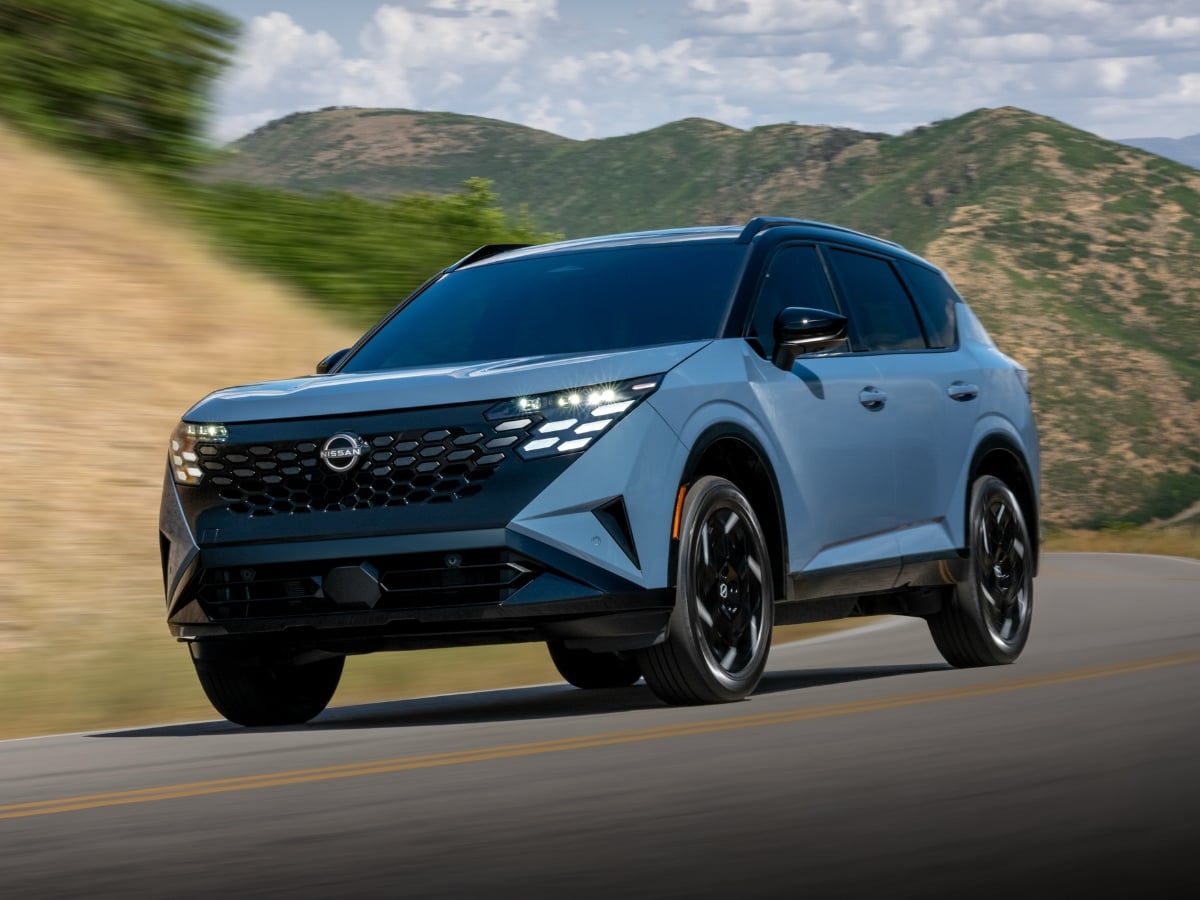
Nissan is about to introduce an innovative new SUV. The 2027 Nissan Rogue Hybrid has a gasoline engine, but it does not power the wheels. Instead, electric motors at each axle provide propulsion, ...See More
Read the Full Article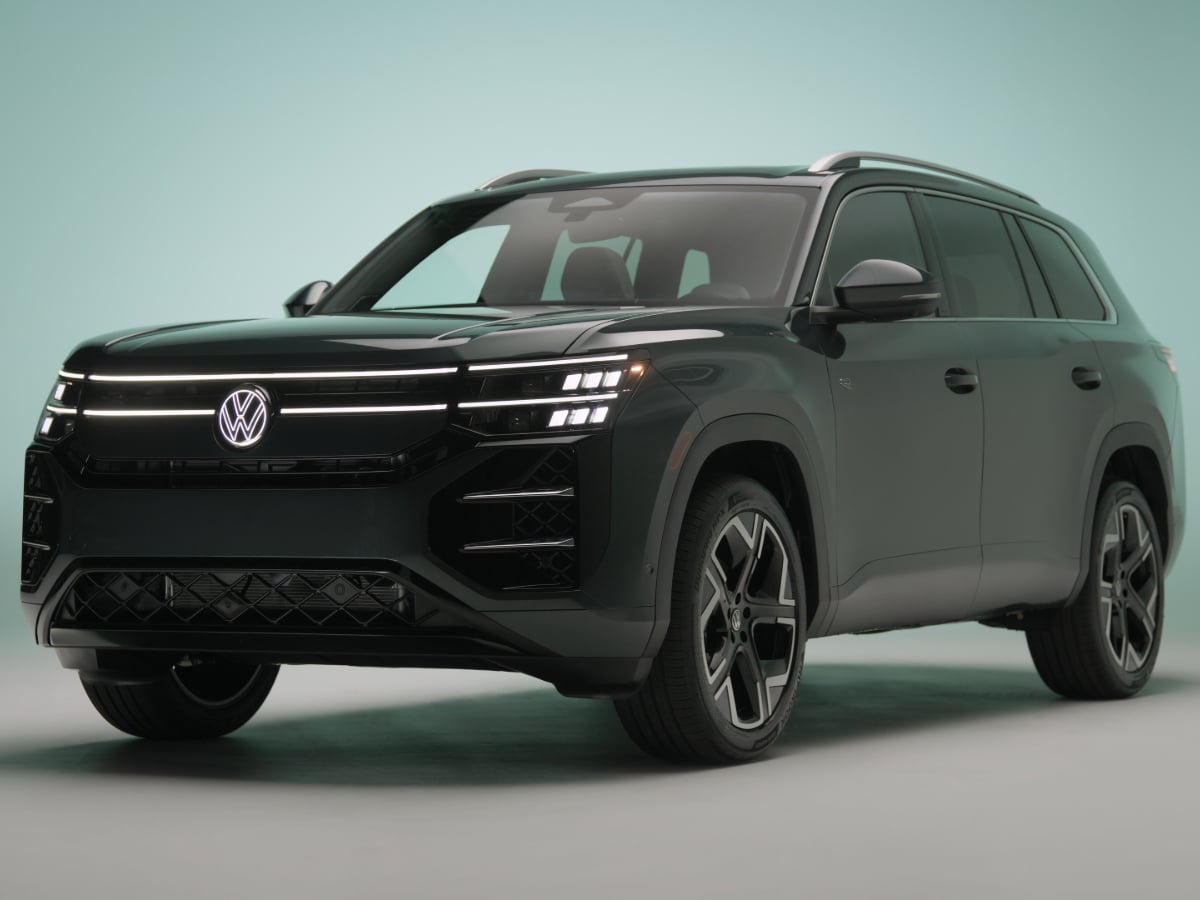
Adding European flair to the otherwise vanilla midsize three-row family SUV market, the redesigned 2027 Volkswagen Atlas debuts with a sharper exterior, an upgraded cabin, more power, and new ...See More
Read the Full Article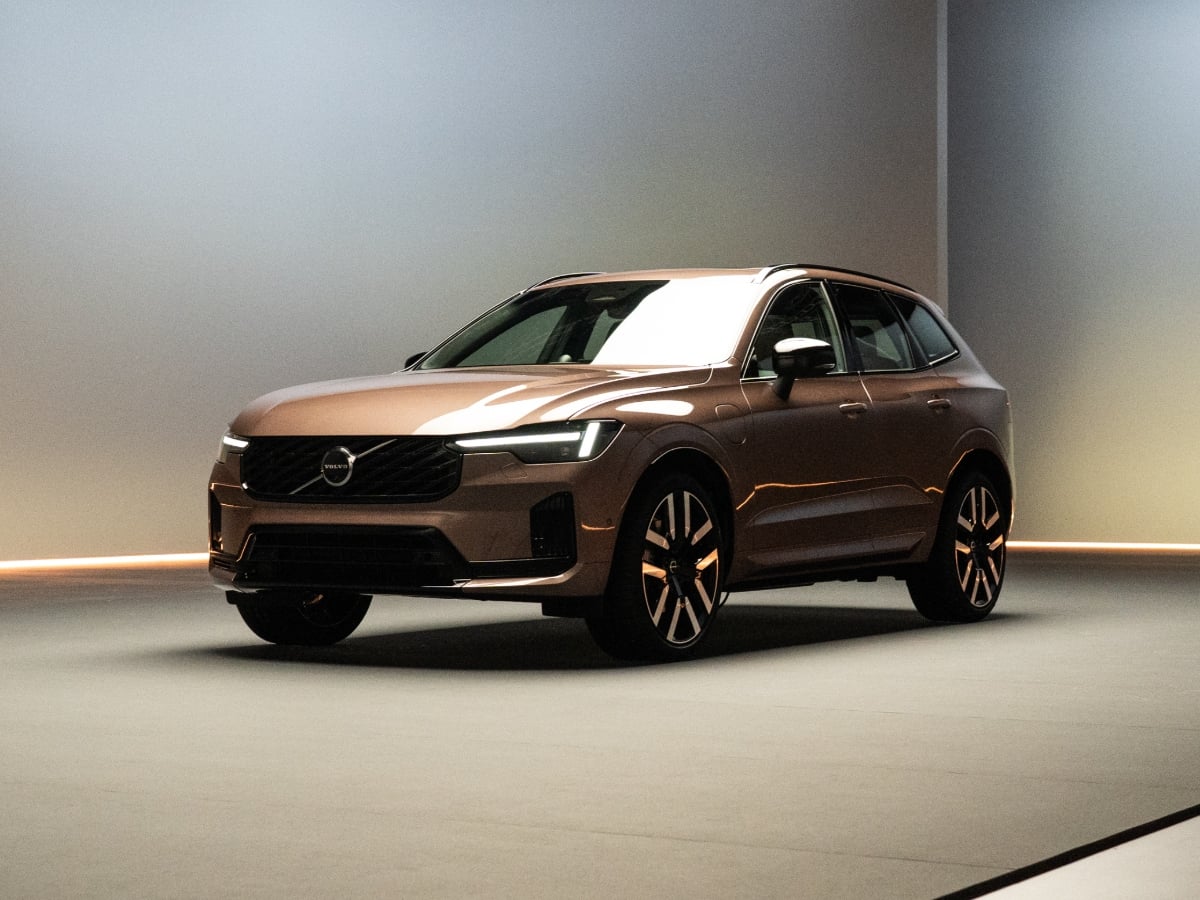
Though the styling stays largely the same, a massive boost in electric range for the plug-in hybrid (PHEV), plus a refined design, helps the 2028 Volvo XC60 stay current and desirable.
Read the Full Article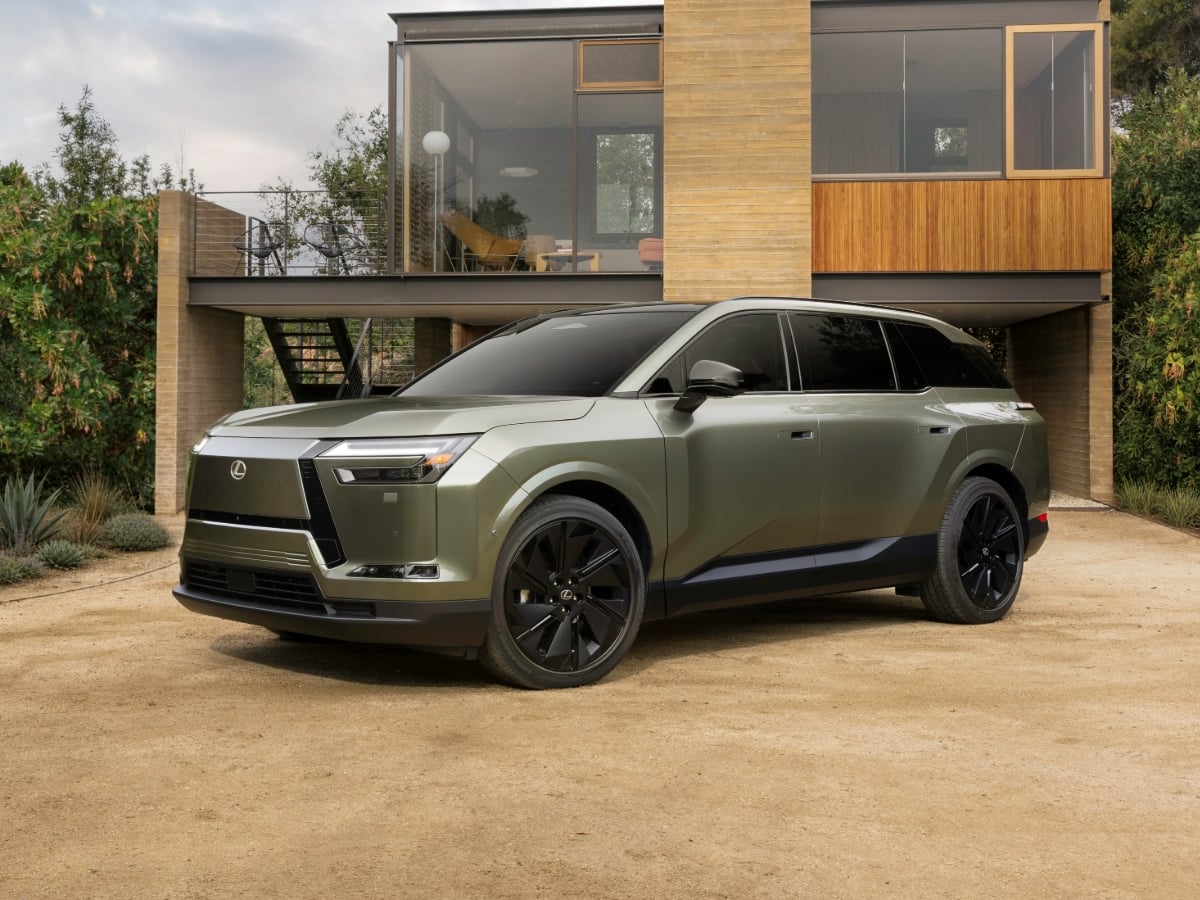
With the 2027 Lexus TZ, Toyota Motor’s luxury division introduces its first three-row all-electric SUV, featuring a lounge-inspired interior, an enhanced all-wheel drive (AWD) system, and up to 300 ...See More
Read the Full Article