
Every car uses a suspension system with some type of damper on each wheel to smooth out imperfections in the road and keep the tires in contact with the ground. High-performance and luxury cars—and even some trucks and SUVs—have adaptive damping suspension systems that automatically or manually adjust valves to provide a broader range of damping performance.

Photo: Christian Wardlaw
There are a few ways automakers integrate adaptive dampers into different types of suspension systems too, so read on to learn how this technology increases handling performance and overall ride comfort.
Most adaptive damping suspension systems use electronically controlled valves within the damper. These valves use sensor data provided while the vehicle is in motion to quickly adjust the damping force by opening or closing to regulate oil flow for both compression and rebound. Other systems rely on magnetically controlled fluid that can rapidly change resistance when an electric current runs through it.
Standard dampers, whether monotube or twin-tube in design, have limited control over road conditions and driver input. Adaptive damping suspensions can stiffen for handling performance or soften for driving at slower speeds or on rougher roads to make the ride more comfortable.
Sports cars like the Chevrolet Corvette and Porsche 911 can stiffen up and handle like they’re on rails on a track but can soften up for the drive home at the push of a button. Trucks like the Toyota Tundra and SUVs like the Jeep Grand Wagoneer have smooth rides for the long haul, but if something’s in tow, the dampers can adjust for that too.
General Motors originally developed magnetorheological dampers for Cadillac and the Chevrolet Corvette. These dampers use electromagnetic coils to control the hydraulic fluid, which contains tiny iron particles within the damper. Applying current to the fluid makes it more resistant to flow.
Many luxury automakers will pair adaptive dampers with air springs to further improve ride and handling characteristics. Air suspension systems use pressurized airbags instead of metal springs to raise and lower the chassis. These types of springs can be helpful in off-road situations and towing and loading large, full-size trucks. For example, the Land Rover Defender gains an additional 2.9 inches of ground clearance with the air springs raised.
Adaptive damping suspension systems, while expensive and mostly reserved for luxury vehicles, provide some of the best handling characteristics in the industry. They’re helpful in towing applications too.
Adaptive dampers use valves within the damper to adjust oil pressure or electromagnetic coils to control fluid to soften or stiffen the vehicle’s ride. Either way, if you’re looking for the best driving experience in modern cars today, check the box for the adaptive dampers on the options list.
To learn more about various automotive technologies, visit the Shopping Guides section of the website.
Connor Hoffman has worked in the automotive industry since 2018 in both editorial and public relations. He has tested and written about hundreds of cars and helped lead the media launches of the 2024 Toyota Tacoma and Land Cruiser. Connor started his career at Car and Driver after a summer internship and has contributed to Edmunds, U.S. News & World Report, and Capital One Autos.



The new 2027 BMW i3 boasts an estimated range of up to 440 miles, 400-kilowatt DC fast charging capability, bidirectional charging to a home or the grid, and next-generation technology.
Read the Full Article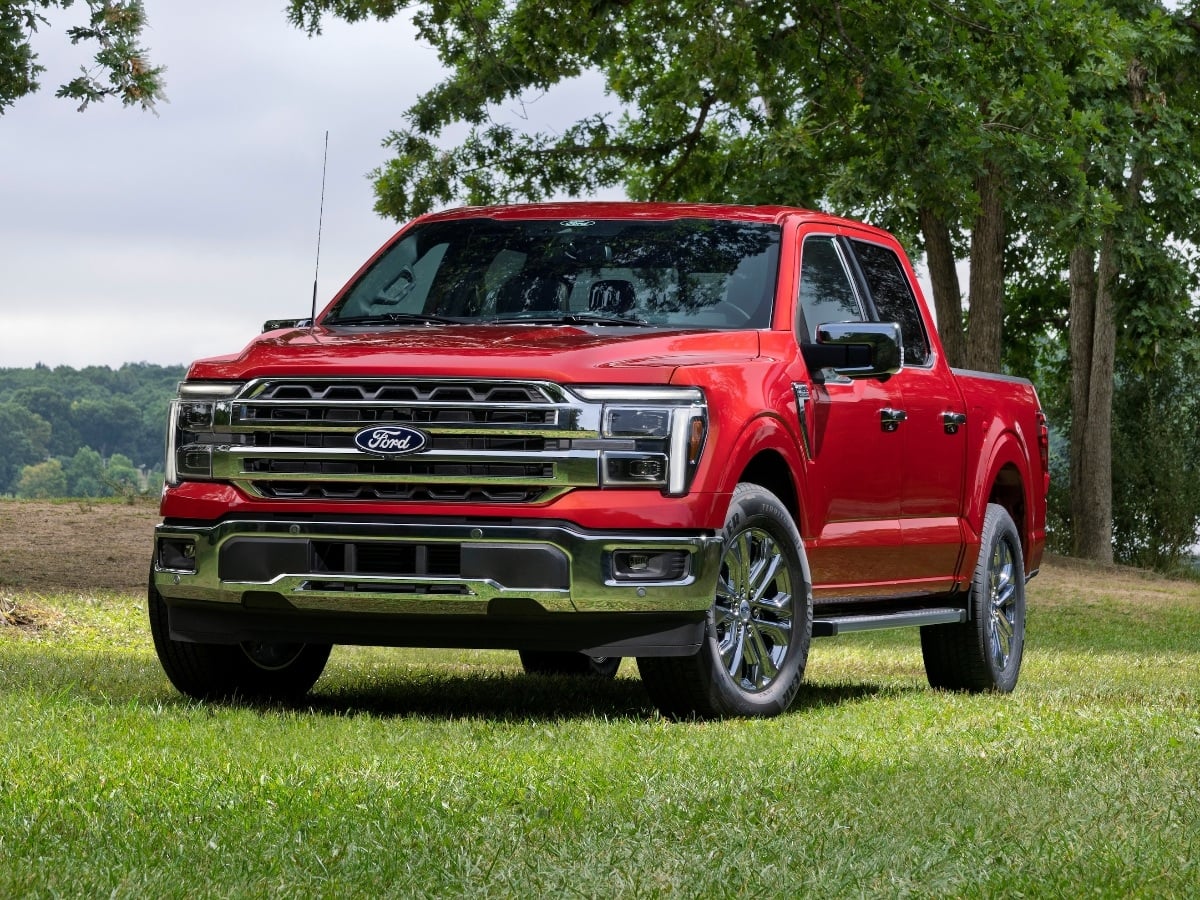
Facing renewed competition in the full-size, light duty pickup truck segment, the 2027 Ford F-150 receives subtle styling updates, a new standard engine, broader availability of its 5.0-liter V8, and ...See More
Read the Full Article
The 2027 Civic Type R goes on sale in October 2026, and it starts at $49,990, including the $1,295 destination charge.
Read the Full Article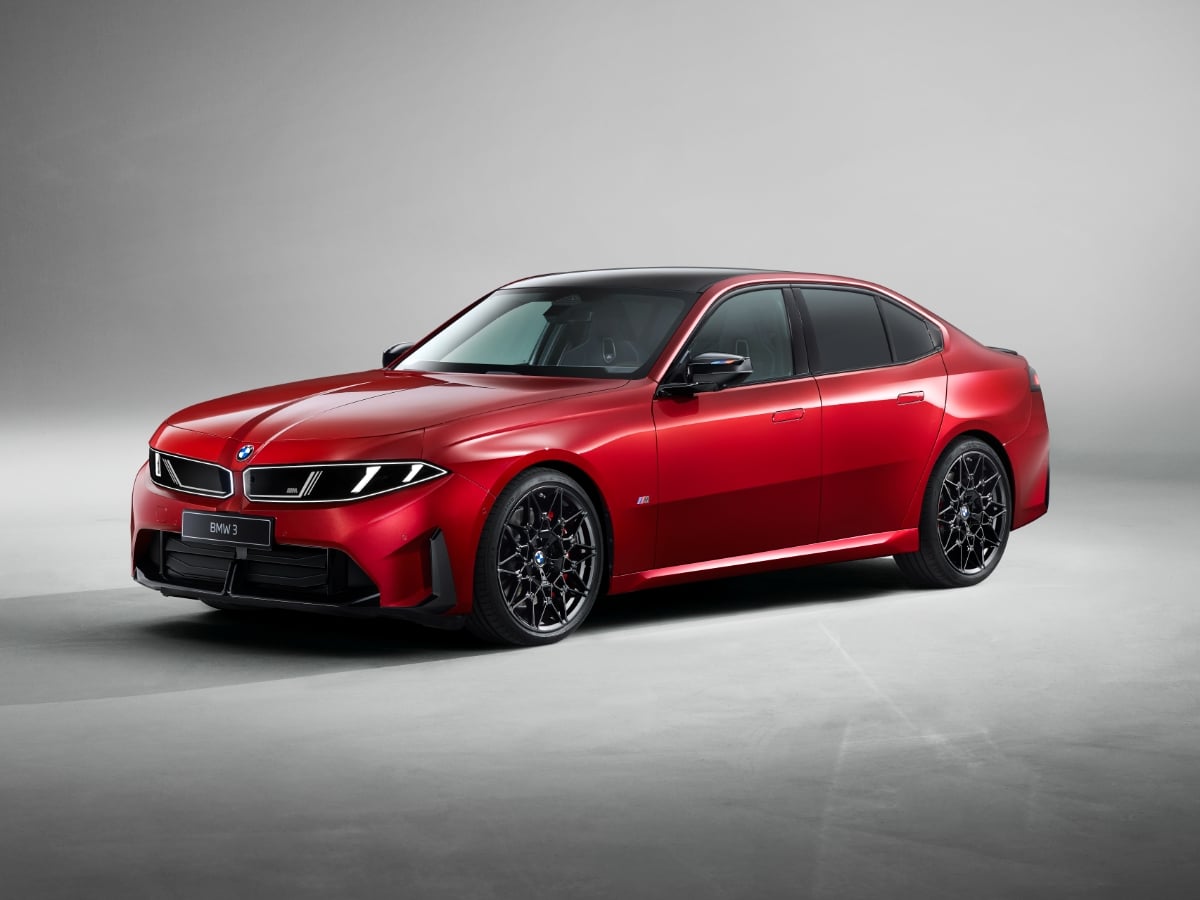
Part of BMW’s Neue Klasse (new class) rollout of redesigned models, the 2027 BMW 3 Series is all-new and goes on sale in the first quarter of 2027.
Read the Full Article