
Toyota has long dominated the midsize truck market in the United States with its Tacoma. Toyota unleashed the all-new fourth-generation Tacoma in 2024, after eight model years of the third generation, from 2016 to 2023. For 2025, I tested the off-roading-focused Trailhunter version, bringing Tacoma’s total trim level count to 11.

Photo: Jim Resnick
The 2025 Tacoma Trailhunter differs from the 2024 Tacoma TRD Pro we previously tested in terms of standard equipment and some updated features, including:
The vast Toyota Tacoma lineup covers much ground, from the basic, street-bound work truck to the most elaborate off-roading machines and multiple body styles. Bodies come in Xtra Cab (extended cab) with two seats, two doors, and a six-foot bed or Double Cab (crew cab) with five seats, four doors, and a five- or six-foot bed.
The 11 trim levels include SR, SR5, TRD PreRunner, TRD Sport, TRD Off-Road, Limited, TRD Off-Road i-Force Max, TRD Sport i-Force Max, Limited i-Force Max, Trailhunter, and TRD Pro.
The Toyota “i-Force” turbocharged 2.4-liter four-cylinder engine family powers all 2025 Tacomas. Power output is trim-dependent; lower trims have 228 horsepower (with automatic transmission) while mid-level trims employ a higher-output version of the engine, good for 270 hp with the manual transmission or 278 hp with the optional automatic. The i-Force Max hybrid—standard on Trailhunter and available on TRD Sport, TRD Off-Road, and Limited trims—makes 323-326 hp, depending on configuration.
Prices for the 2025 Toyota Tacoma start in the mid-$30,000s and grow to the mid-$60,000s for the top versions.
At $64,230, including the $1,495 destination charge, the Trailhunter sits just beneath the TRD Pro ($65,230, including destination) in the 2025 Toyota Tacoma lineup. While both trucks focus on off-roading, Toyota outfits the Trailhunter more for overlanding, slow and rocky off-roading, adventure-seeking, and overnighting in the hinterlands.
Although the TRD Pro version has extended high-speed off-road capabilities, few folks would likely ever drive that quickly off-road on their own. This, in my opinion, makes the Trailhunter a better all-around off-roading purchase since so much of the TRD Pro's capability would be left on the shelf.
For this review of the 2025 Tacoma, Toyota provided a test vehicle equipped with the six-foot bed and Trailhunter trim. The Trailhunter shares some standard equipment with the TRD Pro, like the turbocharged 2.4-liter inline four-cylinder engine with hybrid assist, Toyota Safety Sense 3.0, crew-cab four-door body configuration, four-wheel drive (4WD), and 33-inch tires.
Toyota added a fourth auxiliary switch for 2025 for electrical accessories that you might install yourself. Where the Trailhunter comes in short- or long-bed versions, the TRD Pro is solely a short bed. The following standard equipment is unique to the Trailhunter:
The test vehicle's manufacturer's suggested retail price (MSRP) was $66,405, including the optional Towing Technology package and a spray-on bedliner, plus the $1,495 destination charge to ship the truck to your local dealership from the Guanajuato, Mexico, assembly plant.
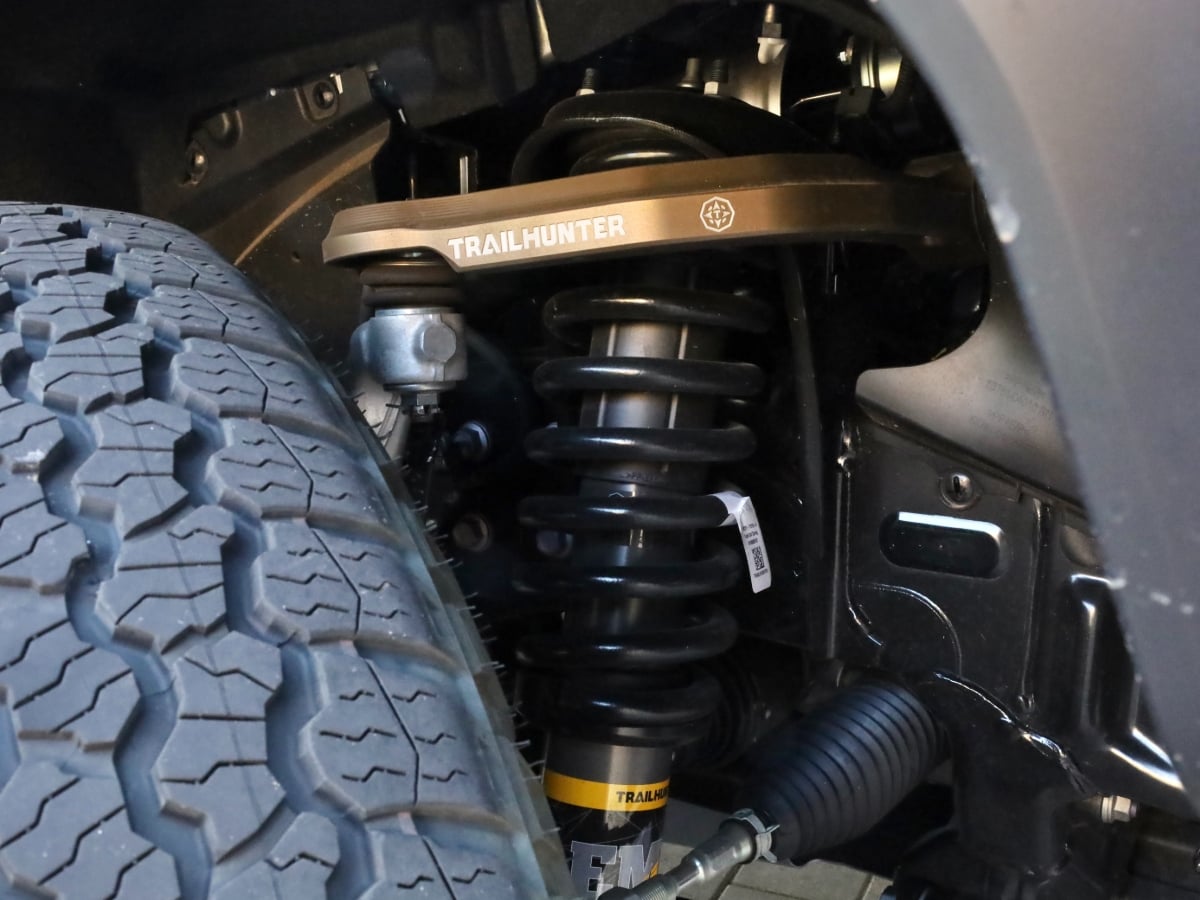
Photo: Jim Resnick
Toyota is no stranger to off-roading and offers four different Tacoma trims to satisfy every niche within the off-roading universe. The Trailhunter's suspension tuning, using unique Old Man Emu shocks, sets it apart from other Tacomas. The Emu shocks are aimed at slow-going when off-roading, plus coping with heavier loads, whereas the TRD Pro suspension's purpose is higher-speed, sandy, and smoother off-roading conditions.
The Trailhunter’s Emu 2.5-inch-diameter shocks use remote-located fluid reservoirs—a common practice in motorsports. Routing fluid outside the shock body provides extra capacity for extreme wheel travel. The remote location also allows additional fluid cooling.
Other unique Trailhunter gear includes a complete set of steel plates protecting the engine, front differential, transfer case, rear differential, fuel tank, and steel rails just below the body's rocker panels.
Exclusive Trailhunter features include an engine intake snorkel routed along the passenger-side A pillar, unique-design bronze alloy 18-inch wheels, an ARB 4x4 Accessories Sport bar that can anchor various accessories popular among off-roaders, and an exhaust outlet tucked underneath and away from possible damage.
Toyota has even branded the upper control arms of the Trailhunter with the model name. Between the shocks, raised body, and the ability to disconnect both front and rear anti-roll bars to enable greater wheel travel at all corners, there's little the Trailhunter can't do.

Photo: Jim Resnick
A truck's bed length isn't usually a distinguishing factor among other pickups of the same class or within the same model range. However, the six-foot bed of the Trailhunter I tested creates several effects, and not all are good.
Other Tacoma off-roaders like the TRD Off-Road and TRD Pro come only in short-bed (five feet) configuration. In comparison, the Trailhunter can be a short or long bed (six feet). Theoretically, the longer wheelbase of the long bed makes it a more stable tow vehicle. You'll also fit more cargo in a six-foot bed, and it has more room to attach accessories. But you pay a price for that extra length.
The long-bed Tacoma Trailhunter is only 6.2 inches shorter than the full-size Tundra pickup in CrewMax and 5.5-foot bed length. This additional length means planning ahead, performing full-lock-to-full-lock steering inputs, or both. Parking lots require similar planning and almost always backing into spaces due to the truck’s sheer length. The long-bed Trailhunter has a 25.3-foot turning radius, whereas the short-bed version is just 23.3 feet. And don't even think about making a U-turn.
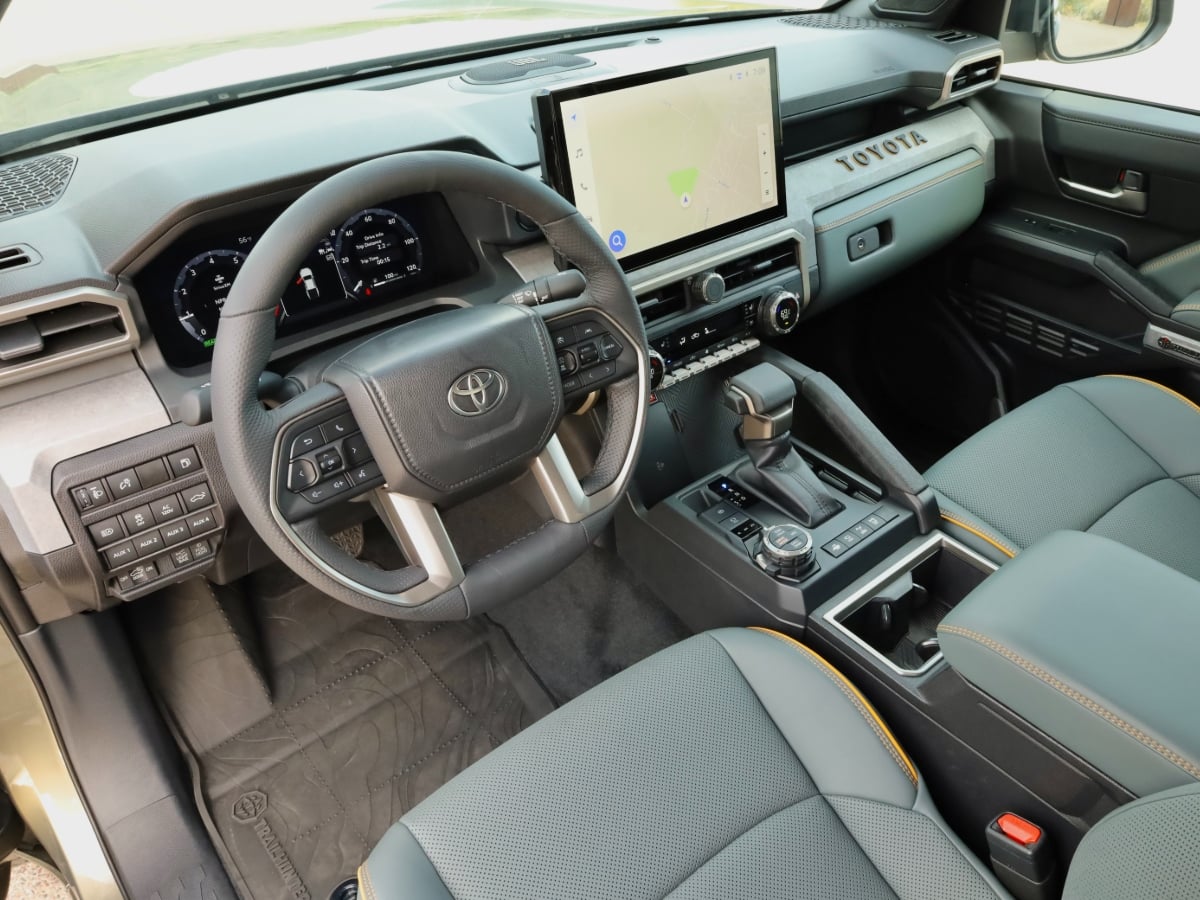
Photo: Jim Resnick
Shock of shocks, the rough-and-ready Trailhunter rides exceptionally well on pavement, and there's nearly no shake when going over rough pavement at speed. For all the high-zoot off-road wares underneath, the big knobby tires at each corner, and the climb up and in, the Trailhunter causes no real pain and suffering in town or on the super slab.
At least part of the credit for ride comfort must go to the coil-spring rear suspension. The Tacoma SR, SR5, and TRD PreRunner trims use leaf springs, but all the other 2025 Tacomas, including the Trailhunter, have coils out back. Coils improve ride quality and provide better independence to the left and right sides when perched on a live axle, like the Tacoma's.
The Trailhunter sets no records in fuel economy, though, posting an EPA estimate of 23 mpg combined. Over my 73-mile route of combined driving, the Trailhunter netted a disappointing 20.4 mpg.
The Trailhunter can tow a maximum of 5,950 pounds. That's down a bit from the TRD Pro's 6,000 pounds and a couple hundred pounds shy of the turbo-equipped SR5's 6,500 pounds.
During my testing in Arizona, the 4WD system worked flawlessly. Extensive low-range use, Sand driving mode (there's also Mud and Dirt), and disconnecting the anti-roll bars made easy work of the deep and grabby sand and gravel. Downhill Assist Control regulated descending speed without requiring me to ride the brakes. While I never needed to, you can also lock the rear differential.
The Trailhunter's optional Towing Technology package bundles a backup guiding system using cameras, sensors, and a wireless remote camera you can place on your trailer. This helps you keep straight while backing up and amounts to a bird's-eye, 360-degree visual simulation on screen to aid overall visibility.
As noted in our test of the 2024 TRD Pro with essentially the same powertrain, the 323-hp, turbocharged, 2.4-liter hybrid four-cylinder engine makes plenty of power and scads of torque. (The Trailhunter's intake snorkel costs three hp.) At 465 pound-feet, the Trailhunter is a mere 14 pound-feet shy of the full-size Tundra’s non-hybrid twin-turbo V6.
From an engine standpoint, the biggest difference between the TRD Pro and Trailhunter is the intake and exhaust. The Trailhunter's waterproof snorkel intake makes a whooshing white noise within earshot of the front passenger. Lay into the throttle, and you're awash in intake rush indexed to turbo boost. It sometimes sounds like the wastegate of an old turbocharged IMSA race car. Lower that window, and it's even louder.
Meanwhile, the exhaust of the torquey engine, which is usually pretty quiet, barks up a ruckus under heavy throttle. And the tone is more like a big American V8 or even the throb of a highly tuned Subaru.
The Tacoma Trailhunter features leather-like SofTex upholstery covering multi-adjustable, heated, and cooled front seats. However, a huge 14-inch Toyota Audio Multimedia infotainment screen dominates the front of the cabin. It may feel bigger than 14 inches across because it's closer compared to most other vehicles. It houses all the same tech as the TRD Pro we tested last year.
The Trailhunter's center console is shallow and short front-to-back, offering only a small storage space. Still, there's plenty of other storage around, including lower and upper door pockets, a slot by the gear lever, a small shelf in front of the front passenger, and the glovebox.
There's plenty of front-seat room, but the rear seats offer only meager legroom. And while that rear seatback folds down, the bottom is fixed, so there's no clear floor area to load larger objects.
Regarding safety ratings, the Insurance Institute for Highway Safety (IIHS) gave the 2025 Tacoma a Top Safety Pick award for the 2024 calendar year. At this time, the Institute has not carried that rating forward for the 2025 model year. Additionally, the U.S. government’s National Highway Traffic Safety Administration (NHTSA) has yet to rate the 2025 Tacoma’s crashworthiness.

Photo: Jim Resnick
In my opinion, the Toyota Tacoma sets the standard in the midsize pickup segment, which includes the Ford Ranger, Chevrolet Colorado (and its twin GMC Canyon), Nissan Frontier, Jeep Gladiator, and the Honda Ridgeline. With the 2024 redesign and now, with the exceptional (though costly) Trailhunter, Toyota builds on the Tacoma’s authority. It provides outstanding off-roading ability with only a few minor downsides.
Jim Resnick is an author specializing in autos, mobility, technology, and the traffic jam of topics within. He's lectured at universities on the auto industry's relationship with governmental legislation from his various posts as Technical Editor to Editor-in-Chief. In addition to JDPower.com, his byline has appeared in over 30 media outlets, from Wired to The New York Times to Car and Driver to Kelley Blue Book and across the globe to the BBC.


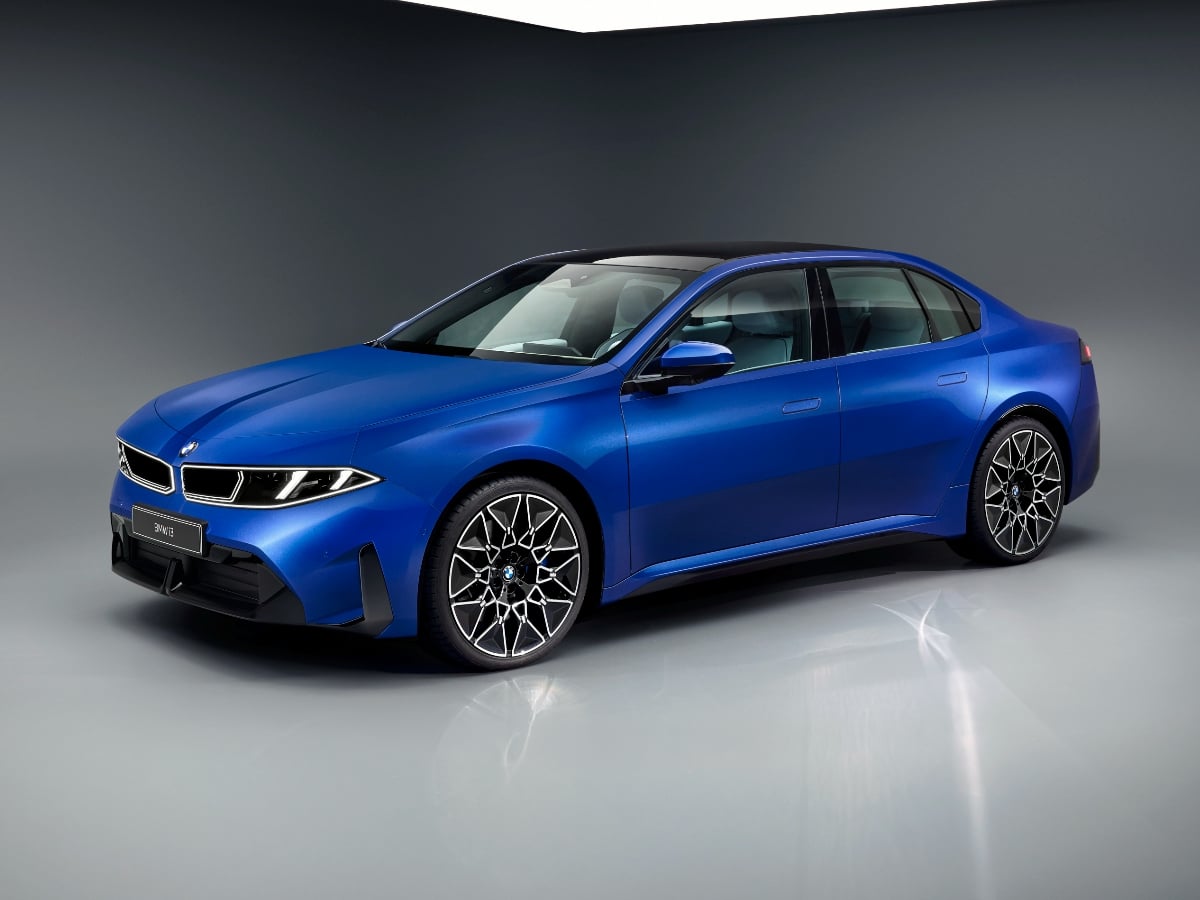
The new 2027 BMW i3 boasts an estimated range of up to 440 miles, 400-kilowatt DC fast charging capability, bidirectional charging to a home or the grid, and next-generation technology.
Read the Full Article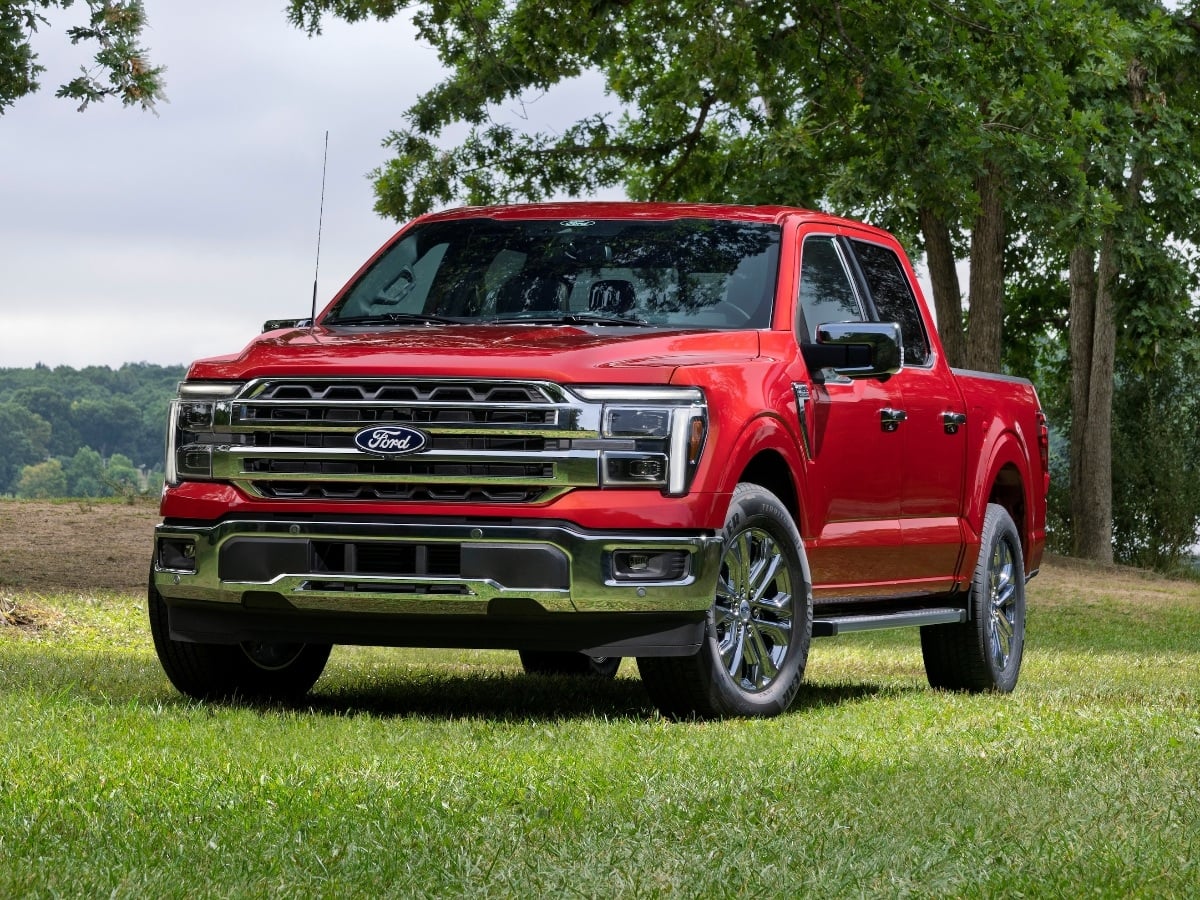
Facing renewed competition in the full-size, light duty pickup truck segment, the 2027 Ford F-150 receives subtle styling updates, a new standard engine, broader availability of its 5.0-liter V8, and ...See More
Read the Full Article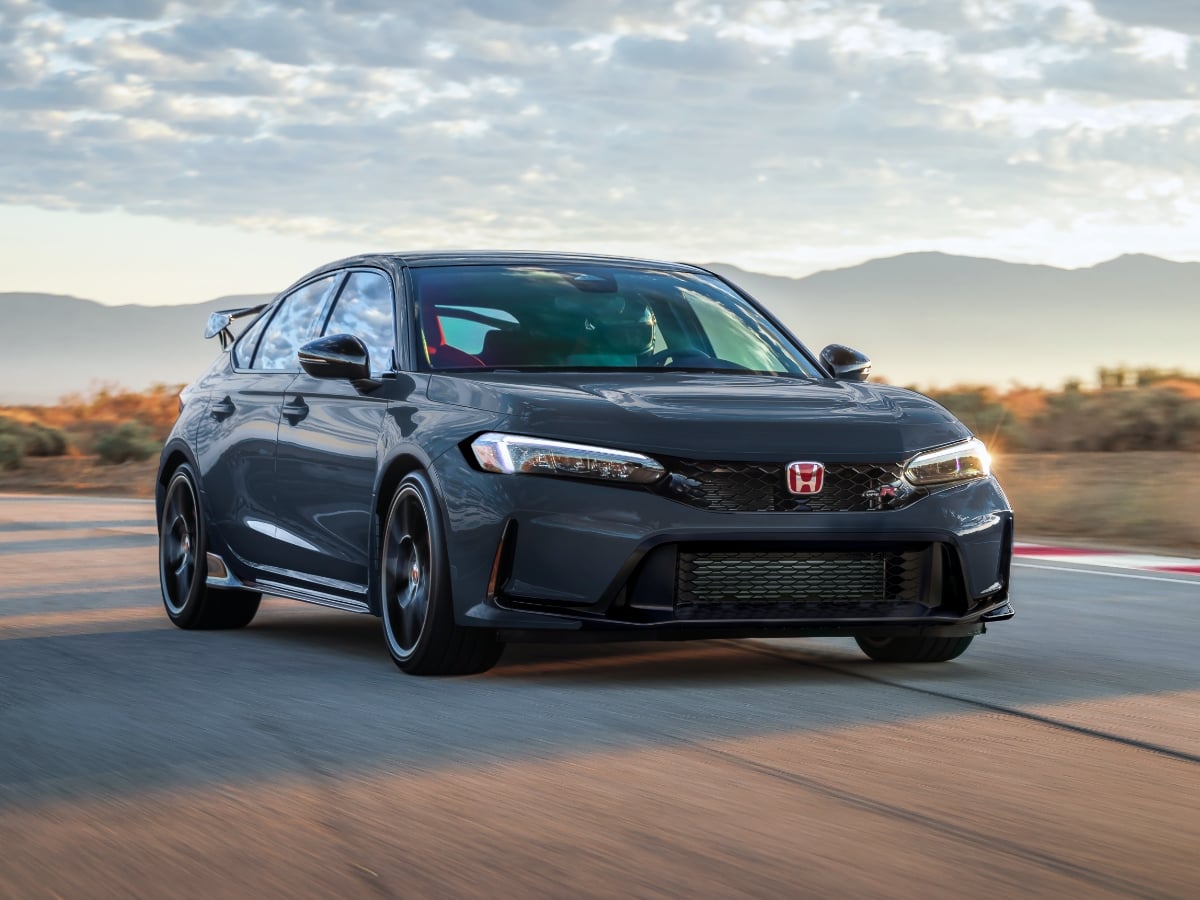
The 2027 Civic Type R goes on sale in October 2026, and it starts at $49,990, including the $1,295 destination charge.
Read the Full Article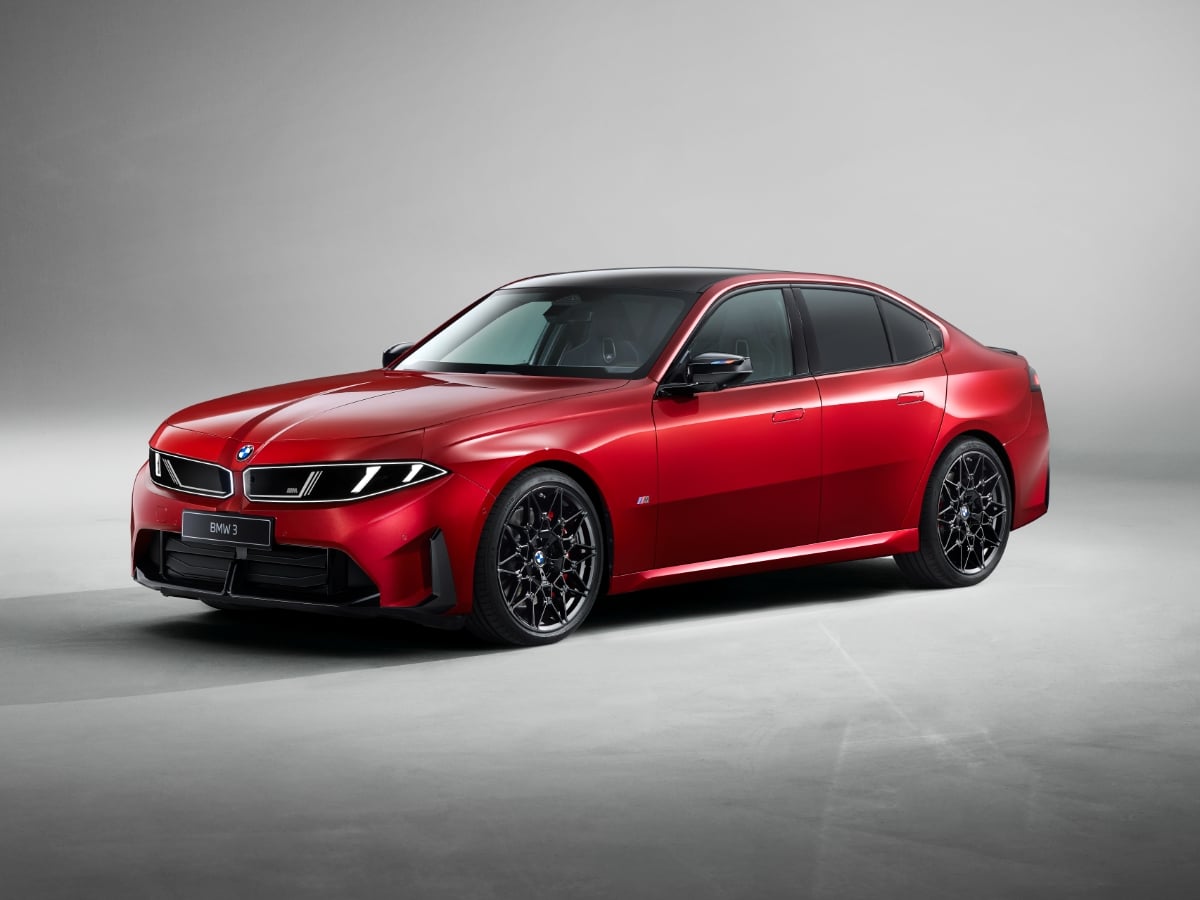
Part of BMW’s Neue Klasse (new class) rollout of redesigned models, the 2027 BMW 3 Series is all-new and goes on sale in the first quarter of 2027.
Read the Full Article