
A rear camera mirror is a rearview mirror that shows both a standard reflected view and an unobstructed 180-degree view of what's behind a vehicle. A camera mounted at the rear of the vehicle delivers the 180-degree view, showing it on the rearview mirror glass.

Photo: Christian Wardlaw
To activate the rear camera mirror, the driver flips the tab on the bottom of the mirror housing, similar to how day and night mirror views work with a standard rearview mirror. Depending on the design, drivers may adjust the brightness level, camera angle, and even zoom in and out. According to General Motors, a rear camera mirror can be beneficial at night, offering a clearer and better-illuminated view than the standard rearview mirror.
Most rear camera mirror systems include washer jets to keep the camera lens clean, drawing fluid from the same reservoir that powers the windshield and the rear window washer jets. However, keeping the camera lens clean can nevertheless prove challenging in situations where a non-stop spray of grit covers the lens, such as when driving on wet dirt roads or on pavement covered with melting ice, snow, and road salt.
The first vehicle sold in North America and equipped with a rear camera mirror was the 2017 Cadillac XT5, a midsize 5-passenger luxury SUV. Now, the upgrade is increasingly common, available at extra cost as an option or with higher trim levels in a variety of vehicles.
Though tempting to use at all times, a rear camera mirror forces the driver's eyes to adjust to a new depth of field. When switching from looking ahead through the windshield to checking the camera view on a rear camera mirror, the images are initially out of focus. It takes a moment for your eyes to adjust and to see the camera view clearly. Switching back to looking forward at the road requires the same momentary re-focusing of your vision. Some drivers may find this uncomfortable.
Therefore, a rear camera mirror is best for specific situations, such as maneuvering in tight quarters, checking behind the car before reversing, or connecting a trailer to a hitch. In this way, it works similar to a backup camera, though it often provides a high-definition view coupled with a broader field of range. It also remains active after you change gears from Reverse to Drive.
Of course, the rear camera mirror's effectiveness depends on camera placement and what it shows to the driver. The most effective ones put the camera lower on the back of the vehicle. In our experience, cameras mounted higher, especially those on lifted pickup trucks, don't offer much in the way of practical use.
Modern vehicles are equipped with an increasing array of high-definition cameras that provide rear and forward views, top-down surround views, and even side views to help a driver park. Pickup trucks offer a range of towing-related cameras, off-road vehicles provide views of what's underneath the vehicle when tackling rugged terrain, and performance vehicles will record a forward view of your weekend track-day sessions, complete with data overlays and the ability to download and share on social media. The rear camera mirror is just one of many innovations these cameras facilitate.



The new 2027 BMW i3 boasts an estimated range of up to 440 miles, 400-kilowatt DC fast charging capability, bidirectional charging to a home or the grid, and next-generation technology.
Read the Full Article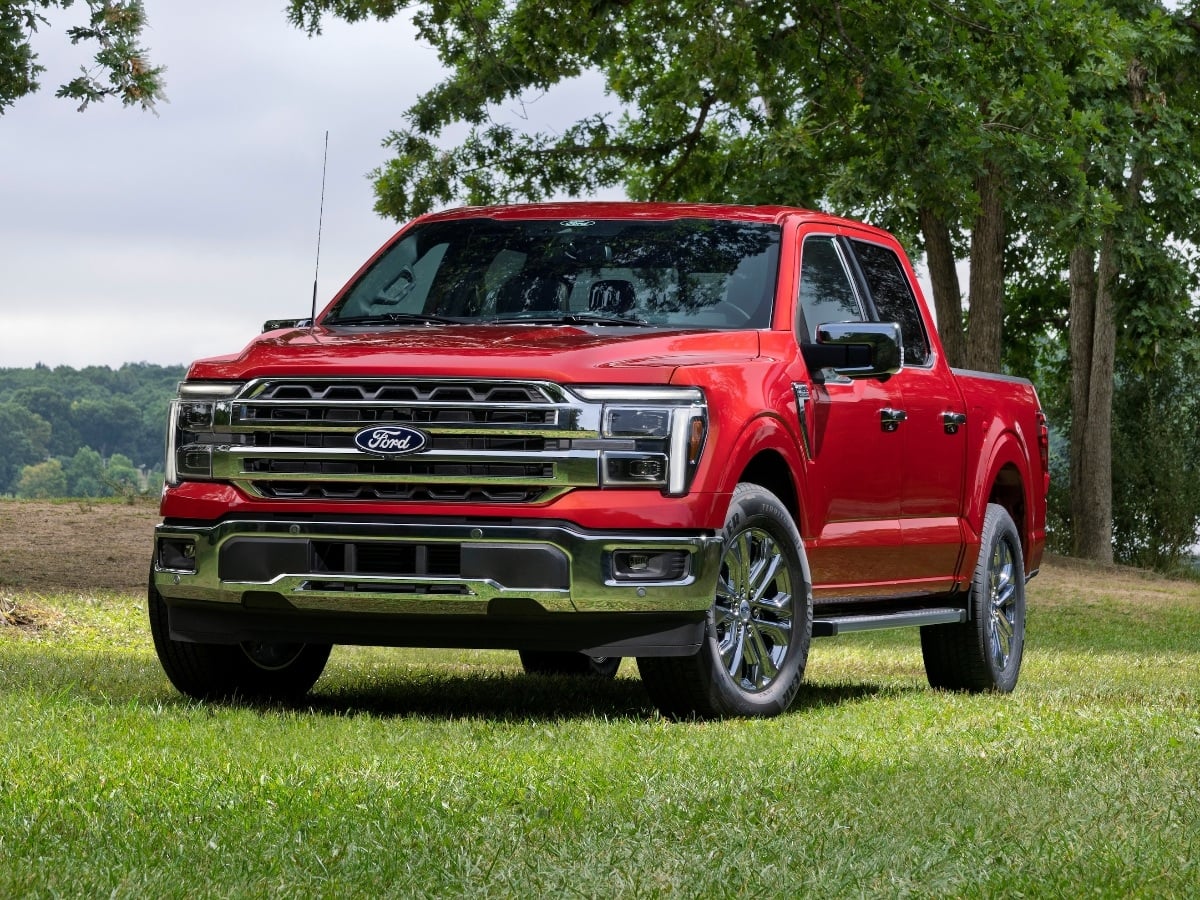
Facing renewed competition in the full-size, light duty pickup truck segment, the 2027 Ford F-150 receives subtle styling updates, a new standard engine, broader availability of its 5.0-liter V8, and ...See More
Read the Full Article
The 2027 Civic Type R goes on sale in October 2026, and it starts at $49,990, including the $1,295 destination charge.
Read the Full Article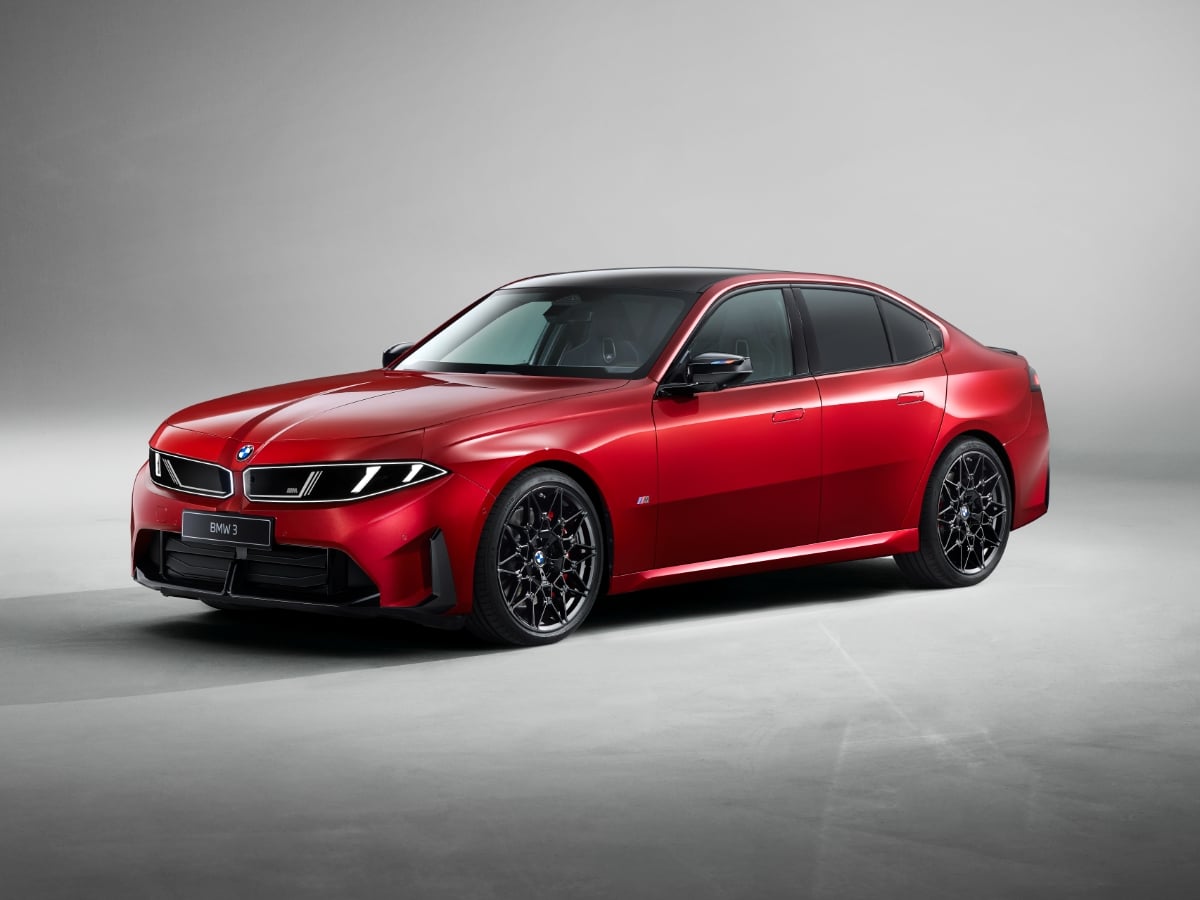
Part of BMW’s Neue Klasse (new class) rollout of redesigned models, the 2027 BMW 3 Series is all-new and goes on sale in the first quarter of 2027.
Read the Full Article