
The 2026 Lexus ES 350h is a unicorn. It is a midsize luxury sedan priced in the $50,000 range; sedans like the BMW 5 Series and Genesis G80 are smaller and less spacious, yet more expensive. The ‘h’ in its name denotes its standard hybrid powertrain, and if you are looking for another hybrid luxury sedan without a plug, you will not find one. So, it is unique, but it is not niche. It is a compelling choice in a dwindling sedan field.
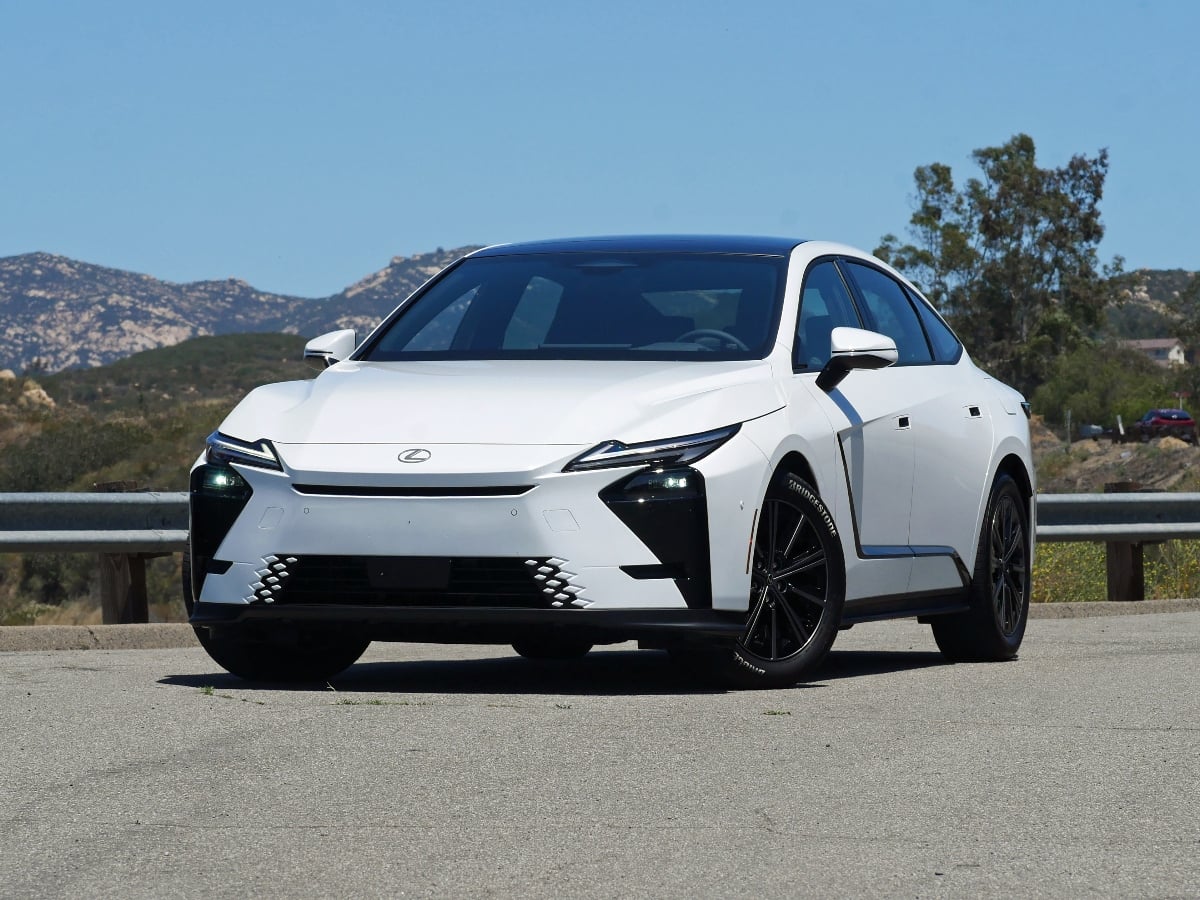
Photo: James Riswick
Compared to the previous model, the 2026 ES is much larger and features a radical new design, inside and out. It also gets new infotainment and safety technology, plus Lexus/Toyota’s newest sixth-generation hybrid system, now standard. There is no longer a gas-only option. All-wheel drive (AWD) is also now available with the hybrid.
The 2026 ES lineup includes the hybrid ES 350h, available in Premium and Premium+ trim levels, with front-wheel drive (FWD) or AWD. There are also all-electric models—the ES 350e and ES 500e—that are reviewed separately. The new ES Hybrid base prices range from about $51,000 to about $57,000, including the destination charge.
For this 2026 ES Hybrid review, Lexus provided an ES 350h test vehicle equipped with the Premium+ AWD trim and the following options:
The test vehicle’s manufacturer suggested retail price (MSRP) was $58,170, including the $1,395 destination charge. The price does not reflect any current rebates, incentives, or price adjustments since Lexus manufactured the test vehicle in Japan.

Photo: James Riswick
The 2026 ES is much bigger than the 2025 model it replaces: it is 6.5 inches longer, 2.2 inches wider, and 4.5 inches taller. By expanding across the board, it remains proportional and therefore does not look as big as the numbers suggest, until you park it next to another sedan.
The interior receives an even more radical overhaul. Lexus stripped the luxury sedan of most physical controls, and, especially in my test vehicle’s all-black color scheme, the result is a bit stark. The materials, quality, and fit and finish seem good (though certainly not up to the lofty standards of Lexus’ old LS flagship), but there is little in the way of special trim or other adornment that make it look and feel special.
Thankfully, Lexus has abandoned the absurd, distracting unlabeled steering-wheel buttons found in models like the RZ, which require the instrument panel and/or head-up display to know what you were controlling. There are now nice, labeled buttons and toggles.
Unfortunately, most of the climate controls now reside on the touchscreen, including those for the heated and ventilated seats. There are separate, touch-sensitive icons embedded in a trim panel below the touchscreen for temperature adjustment and defrost. Still, they are not as good as real buttons or knobs, and overall usability has declined.
That definitely cannot be said about interior space. Its gains may not be as dramatic as the exterior’s, but they are still significant. Headroom deserves some additional context. The specs show that front and rear legroom have increased by only about an inch, but the seats are set higher off the floor. That makes it easier to climb in and out, which is good news for those with bad backs and knees, and the back seat also benefits from a much-needed increase in leg support. It would be hard, and expensive, to find a luxury sedan with a bigger back seat.
By contrast, the trunk has shrunk a bit from the previous generation: 13.3 cubic feet versus 13.9. It is also fairly small for a big sedan; both the Honda Accord and Toyota Camry have an extra 2 cubic feet. It is more competitive in the luxury segment, however. I was unable to run my usual comprehensive cargo test, but the space looks larger than what you would find in a BMW 5 Series, Cadillac CT5, or Mercedes-Benz E-Class.
Interior storage is quite good. The standard wireless smartphone charging pad sits next to a grippy, similarly sized space for a second phone, with USB-C ports just above. The cupholders accommodated my extra large water bottle, and the bin under the armrest features a lid that opens toward the driver or passenger. The fold-down rear center armrest also includes a device holder, though it replaces cupholders.

Photo: James Riswick
The ES debuts a new Lexus Interface infotainment system featuring a 14-inch touchscreen. Also included is a digital instrument panel officially listed at 12.3 inches, but it is an unusual, six-sided shape surrounded by an expanse of simulated suede trim. It looks unfinished. Standard features include:
The Premium+ trim adds a 17-speaker Mark Levinson sound system and digital key capability, letting you use your smartphone as the key.
Ultimately, this system is a tidy evolution of the current, user friendly system, with noteworthy upgrades and fixes. The new Home screen and Home button correct glaring omissions, while two other changes address a pair of my pet peeves: the audio settings are now accessible from the audio screen, and the navigation system now remembers your preference for the map to be oriented North Up when you return from another menu.
It is also worth noting that if you are coming from an older ES, the improvement over the previous-generation ES’s horrible “Remote Touch” interface (2021 and earlier) will be immense. Immensely welcome, too.
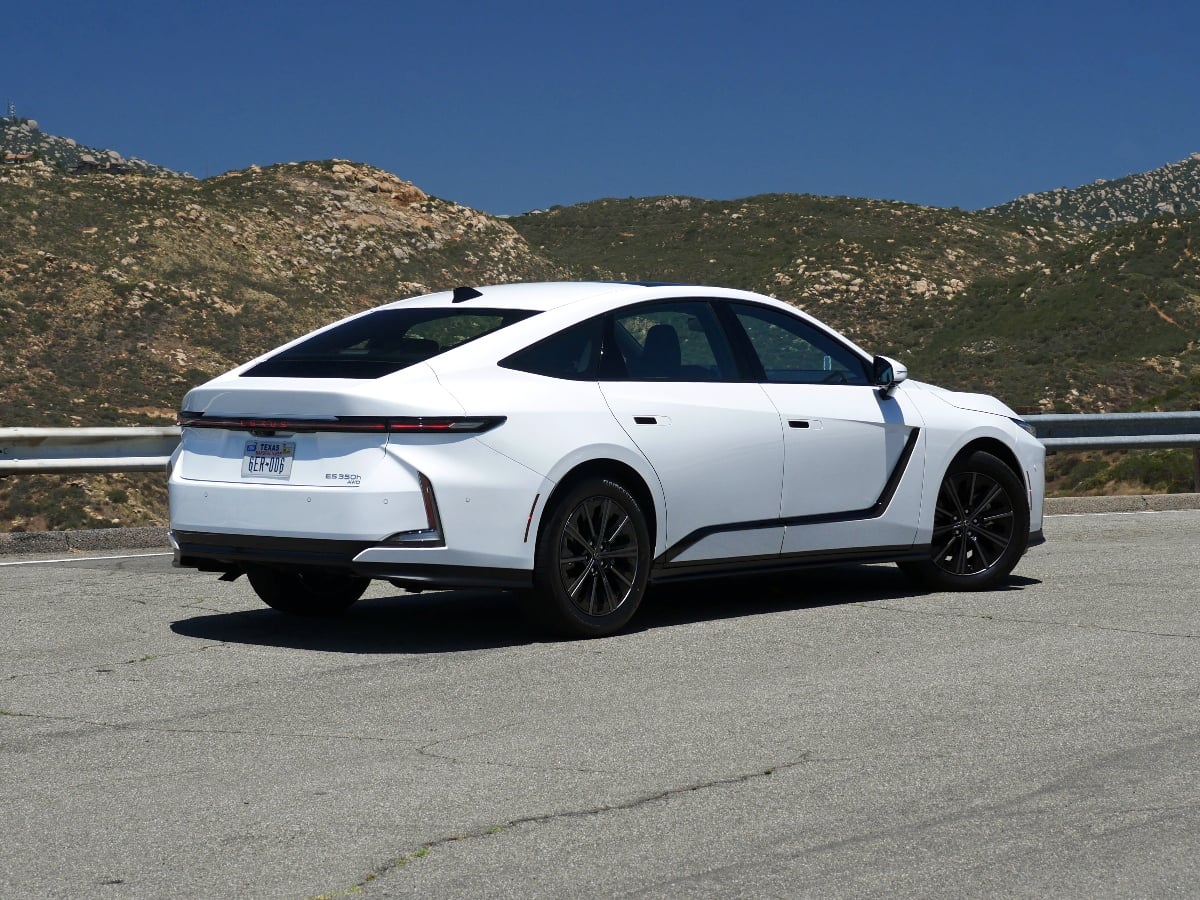
Photo: James Riswick
The ES is the first Lexus to feature the brand’s sixth-generation hybrid system. It produces 244 horsepower in either FWD or AWD. The latter adds an electric motor to power the rear wheels.
As of this writing, the Environmental Protection Agency (EPA) still hasn’t updated its website with the 2026 ES 350h’s fuel economy. However, Lexus reports that the EPA-estimated fuel economy is 46 mpg combined for FWD and 44 mpg for AWD. My ES 350h AWD test vehicle returned 44 mpg on my 73-mile test drive on hilly rural highways and suburban roads outside San Diego, California.
That is exceptional fuel economy for a luxury sedan. Even the BMW 530i, an impressively efficient sedan, manages only 31 mpg combined, while its plug-in hybrid sibling, the 550e, gets 25 mpg combined after its 33 miles of all-electric range are depleted.
On the other hand, acceleration in those BMWs will be far more vigorous than what you will get from the ES 350h. This ES hybrid is definitely not a performance powertrain, but it does not feel slow, a sensation backed by perfectly respectable official zero-to-60-mph times of 7.3 seconds with FWD and 7.1 seconds with AWD.
Importantly, the latest Lexus hybrid powertrain in the 2026 ES is a vast improvement over the fourth-generation system used in the previous ES. It is far smoother and quieter, especially when the engine engages, and the system seems to rely on the electric motor longer when accelerating from a stop. The system also no longer makes the four-cylinder engine sound like a blender when accelerating. So that is a plus.
One possible downside is that the ES no longer offers the F Sport Handling trim, which made the previous generation surprisingly engaging to drive thanks to its adaptive variable suspension and performance dampers. There is no such upgrade, nor any comparable suspension upgrades, available for the 2026 ES. Perhaps Lexus deemed it unnecessary.
Body motions are well controlled, and the steering is precise with taut, consistent weighting. At the same time, the ride quality delivers the comfort I would expect owners of previous ES generations to appreciate. This, despite my test car featuring 19-inch wheels. All told, driving the new ES 350h does not leave much of a lasting impression, but the car does not irritate or make the driver feel disconnected, either.
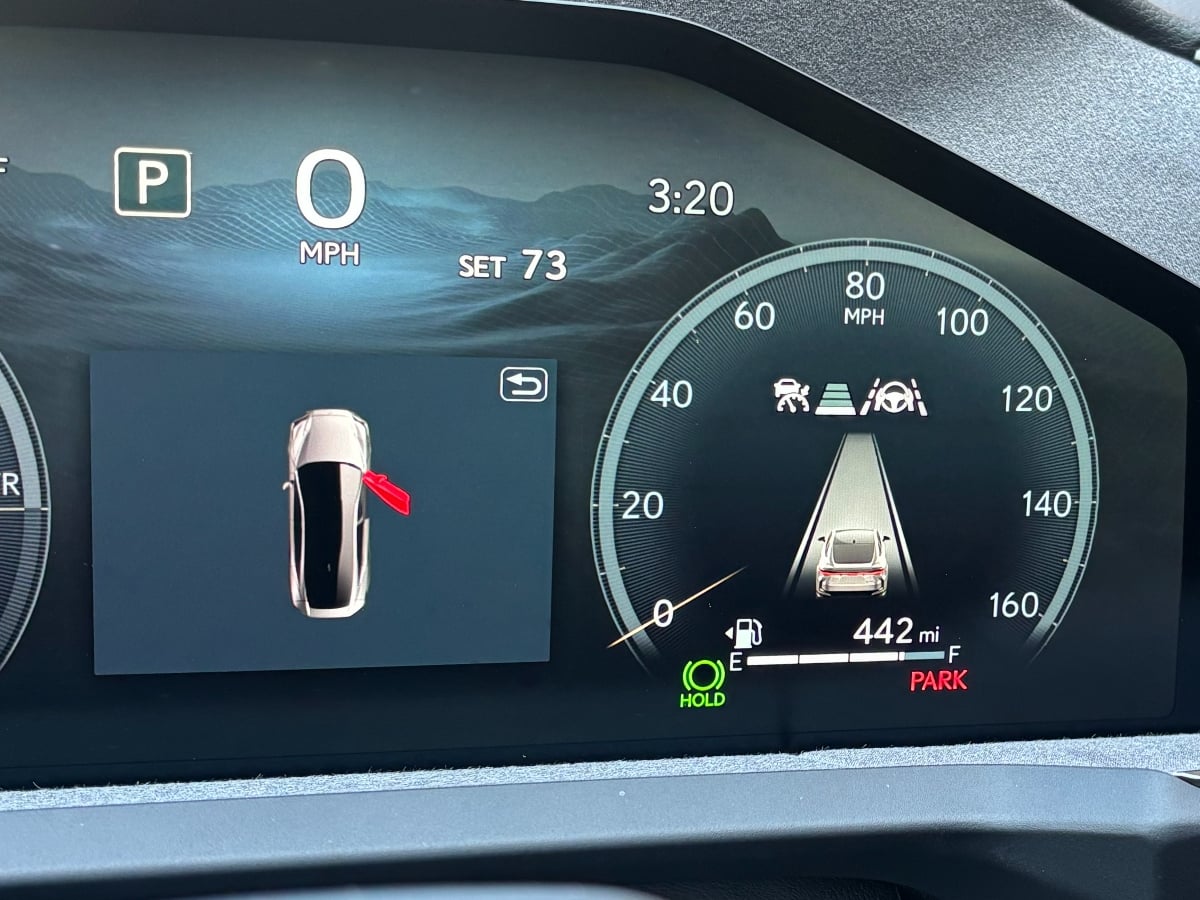
Photo: James Riswick
The ES comes standard with the latest generation of Lexus advanced driver assistance systems (ADAS). Dubbed the Lexus Safety System+ 4.0 (LSS+ 4.0), it includes more features than some other luxury sedans, though its optional traffic jam assist function offers only minimal hands-free functionality. Included features are:
Also included, though not technically part of LSS+ 4.0:
Optional on the Premium trim and standard on the Premium+ are:
The previous ES had the 2.5-generation Lexus Safety System+, and the improvements to these systems in the ES 350h are noticeable. The lane keeping assistance seems smarter and less intrusive, while the adaptive cruise control and accompanying lane centering assistance do a more natural job of braking, accelerating, and keeping the car between the lane lines.
For the most part, these systems perform in line with the luxury segment, though one notable exception is the infuriatingly hyperactive driver monitoring system. As I have experienced in other Lexus models, the system’s sensors produce false alarms, and the threshold for looking away from straight ahead is unrealistically short.
According to the JD Power 2025 Automotive Performance, Execution and Layout (APEAL) Study, the Lexus ES ranks highest in the Midsize Premium Car segment.
Other 2026 ES competitors include the Audi A6, BMW 5 Series, Genesis G80, and Mercedes-Benz E-Class.
According to verified owners, the ES earns an award as the highest-ranked model in its segment in the 2025 APEAL Study.
Given its size, feature content, and exceptional fuel economy, the 2026 Lexus ES 350h delivers a ton of value for a luxury sedan. That said, its interior is not as luxurious as those in similarly sized luxury sedans, which tend to be quicker and more enjoyable to drive. So, there are certainly reasons to spend more on something else, but this is an appealing luxury sedan and a much better Lexus ES.
James Riswick has been testing and reviewing cars since 2007, serving as an editor at Edmunds and Autoblog. In addition to jdpower.com, he has also contributed to Autotrader, Autoguide Magazine, Auto Express, Capital One Auto Navigator, Car and Driver, and Hagerty. He resides in Southern California and owns a 1998 BMW Z3, a 2013 Mercedes-Benz E350 Wagon, and a 2025 Cadillac Optiq.


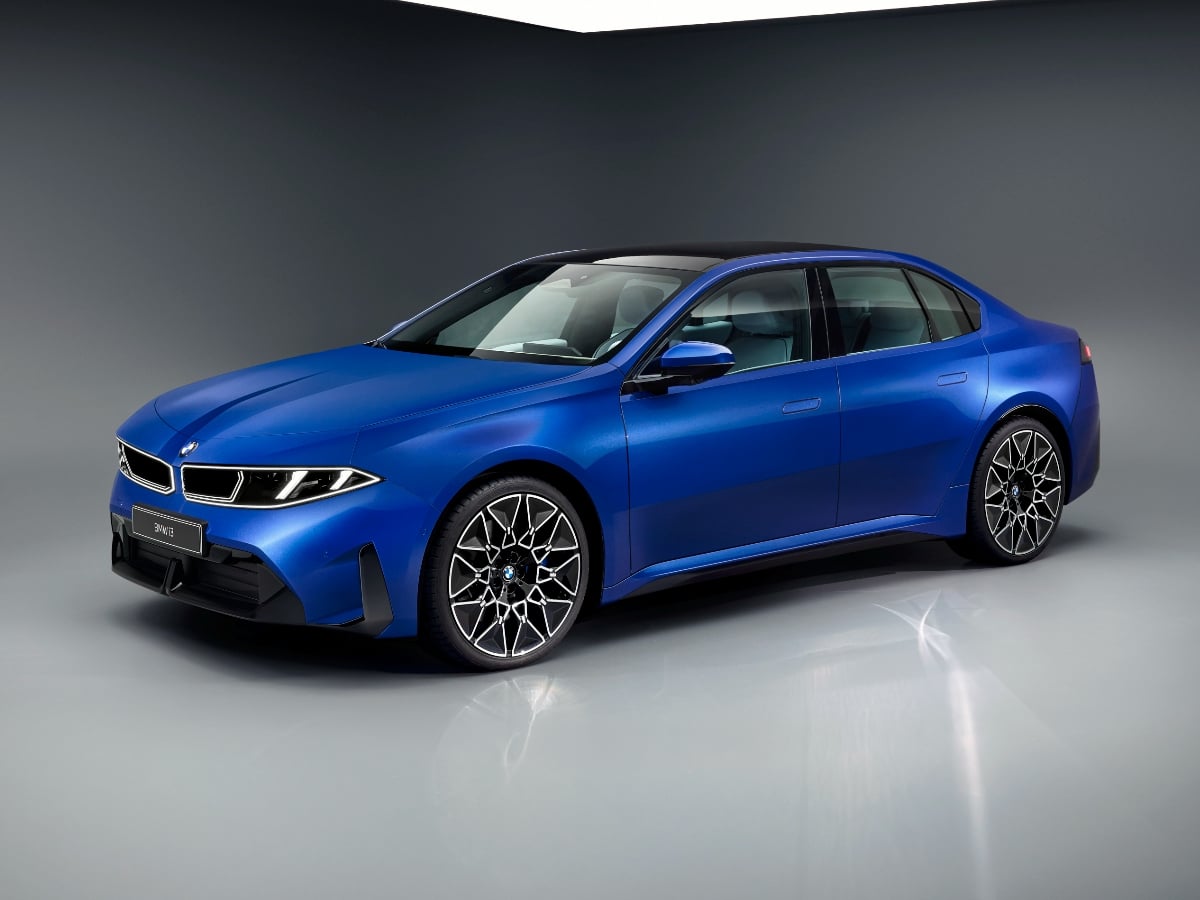
The new 2027 BMW i3 boasts an estimated range of up to 440 miles, 400-kilowatt DC fast charging capability, bidirectional charging to a home or the grid, and next-generation technology.
Read the Full Article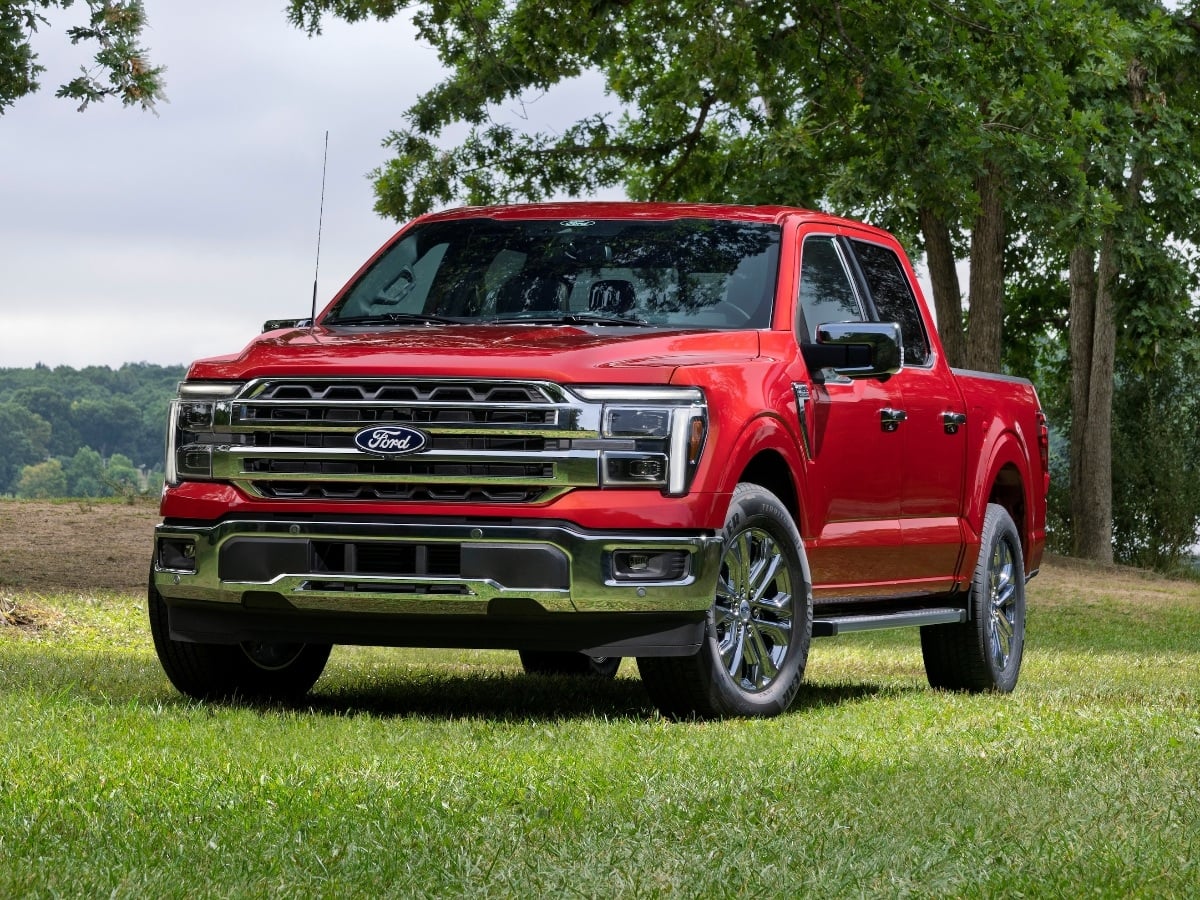
Facing renewed competition in the full-size, light duty pickup truck segment, the 2027 Ford F-150 receives subtle styling updates, a new standard engine, broader availability of its 5.0-liter V8, and ...See More
Read the Full Article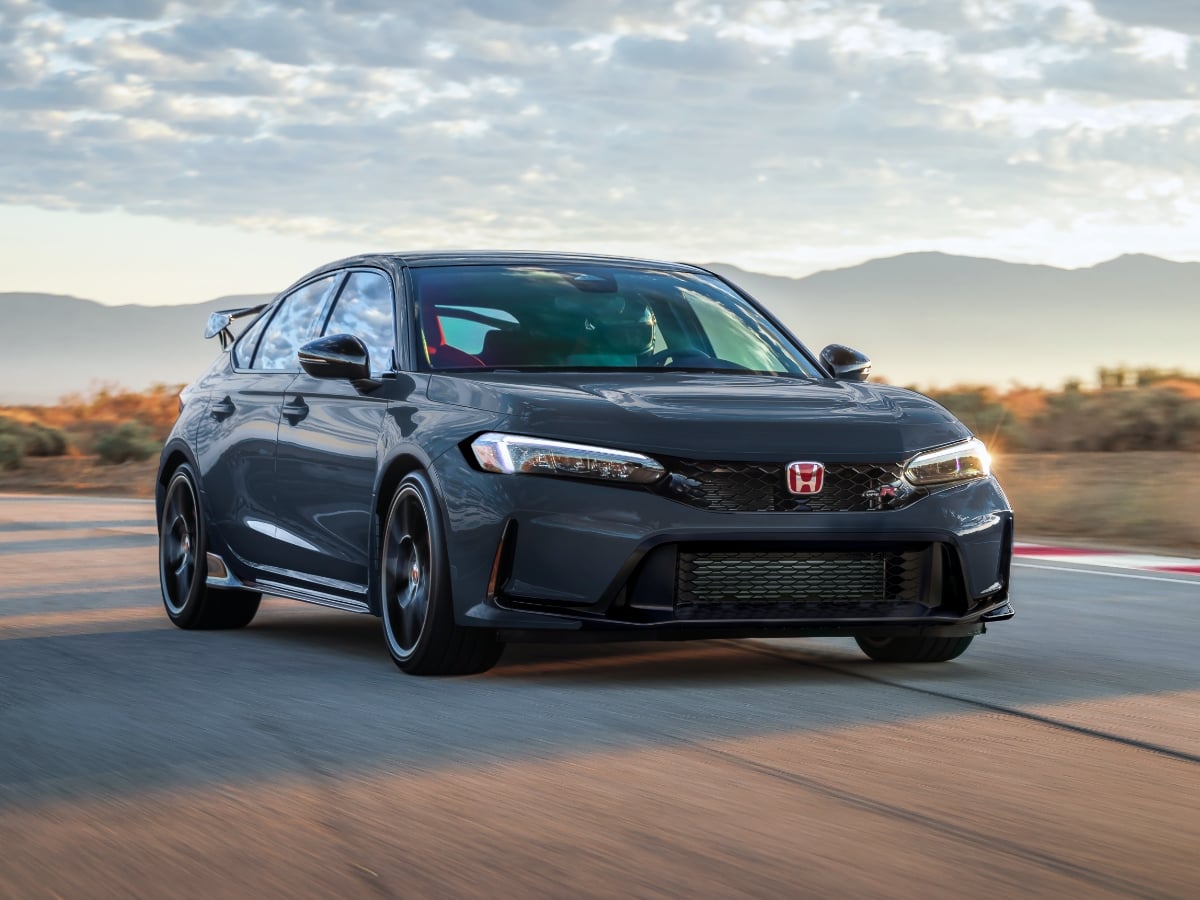
The 2027 Civic Type R goes on sale in October 2026, and it starts at $49,990, including the $1,295 destination charge.
Read the Full Article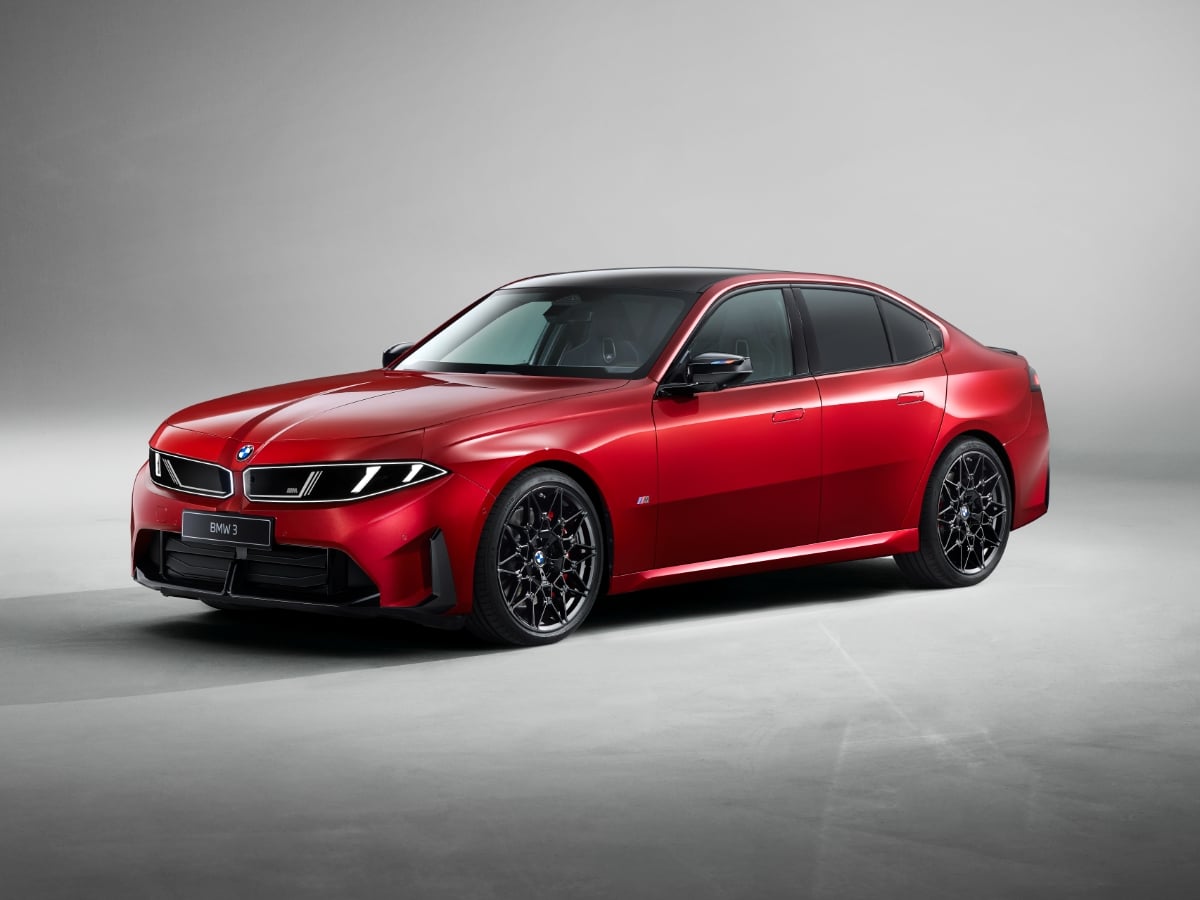
Part of BMW’s Neue Klasse (new class) rollout of redesigned models, the 2027 BMW 3 Series is all-new and goes on sale in the first quarter of 2027.
Read the Full Article