
Rear AEB, also known as Reverse AEB and Reverse Automatic Braking, was shown to be more successful than other systems targeted to avoid backing collisions in a recent study by the Insurance Institute for Highway Safety. Because of its massive effect on the volume of collision claims, it is the highlight element in the year's annual collection. Rear AEB is one of the most effective driver-assistance features overall, outperforming comparable systems in terms of effectiveness. Rear AEB-equipped cars have a 28 percent decrease in property damage liability claims and a 10% decrease in crashes. This article will explain Rear Automatic Braking and how it works to avoid collisions.

Rear Automatic Braking (AEB) is simply one type of ADAS system. AEB systems detect possible collisions before they occur and engage the vehicle's braking systems if the driver fails to respond in time. Short-range radar sensors and cameras in the rear corners are used in rear AEB systems. Suppose something is spotted in the vehicle's path while a driver backs out of a parking place or reverses anywhere. In that case, the system will automatically apply the brakes to avoid or prevent an impending accident.
A General Motor active safety feature called rear automatic braking aids drivers in avoiding collisions or lessening the impact force with objects directly behind their vehicles. When a car moves between 0.5 and 20 mph in reverse and is in reverse gear, the system immediately applies strong emergency brakes and sounds a warning. The following notifications are capable of being sent by rear automatic braking:
The system employs the following technologies:
If the vehicle is brought to a stop by the Rear Automatic Braking system, the driver should push the brake pedal to activate automatic braking. The car will start the Electric Parking Brake if this does not occur. The driver must view the Rear Vision Camera screen before applying the accelerator or releasing the Electric Parking Brake.
In various backing conditions, rear AEB can minimize accidents' severity. The IIHS evaluated the system's performance using four scenarios:
In this situation, a vehicle reverses straight back from a parking place, turning left or right towards a stopped vehicle to the side of the car.
In this scenario, a vehicle reversed out of a parking slot, heading left or right towards a stationary vehicle parked behind the car.
This scenario showed a car pulling up to the side of a vehicle in an adjacent parking place at a 10° angle.
The car, in this case, backed into an obstacle, such as a pole or garage pillar. The test vehicle immediately reversed.
According to an IIHS study, rear AEB gave the most significant crash reduction in these four frequent backing situations. The technology was able to either lower the speed, resulting in the car narrowly missing the target, or entirely avoid the accident.
Rear AEB significantly influences insurance claims, but around 30% of cars have it as standard or optional equipment in the United States. Rear AEB is not a regulatory priority for IIHS, and the organization has yet to make any immediate plans to include technology in future Top Safety Pick evaluations. In determining whether vehicles are awarded Top Safety Pick or Top Safety Pick+ honorees, IIHS considers front crash prevention performance.
The possibility of mistakes is one of the main problems with any ADAS. According to drivers, automatic braking systems have reportedly malfunctioned in cases where they weren't necessary. One instance involves a driver who claimed to have lost control of the vehicle when the automatic rear braking activated the brake when it sensed another auto following behind. Although rare, mistakes like this can happen in certain circumstances.
The rear AEB's failure to recognise humans, animals, or things below its line of sight is another defect. The system might not be able to identify a possible accident if a camera is covered in snow, dirt, or any other type of obstruction.
Dependency is a significant problem brought on by the broad deployment of ADAS. Sixty-one per cent of car owners with an AEB system believe the system will always function. However, several elements may influence the system's operation under specific circumstances. Rear AEBs and other advanced driver assistance systems should be considered preventative safety technology. Before moving a vehicle in reverse, drivers should always ensure no obstructions in their path.
The Rear Automatic Braking system is one of the most effective driver-assistance features overall, outperforming comparable systems in terms of effectiveness. It is more successful than other systems targeted to avoid backing collisions.
However, remember that safe driver-assisted technology never replaces safe driving habits when operating the safety system. Before using the Rear Automatic Braking or any other advanced driver assistance system, read your owner's manual to uncover essential facts, such as operating the system and what alerts or warnings it may display.


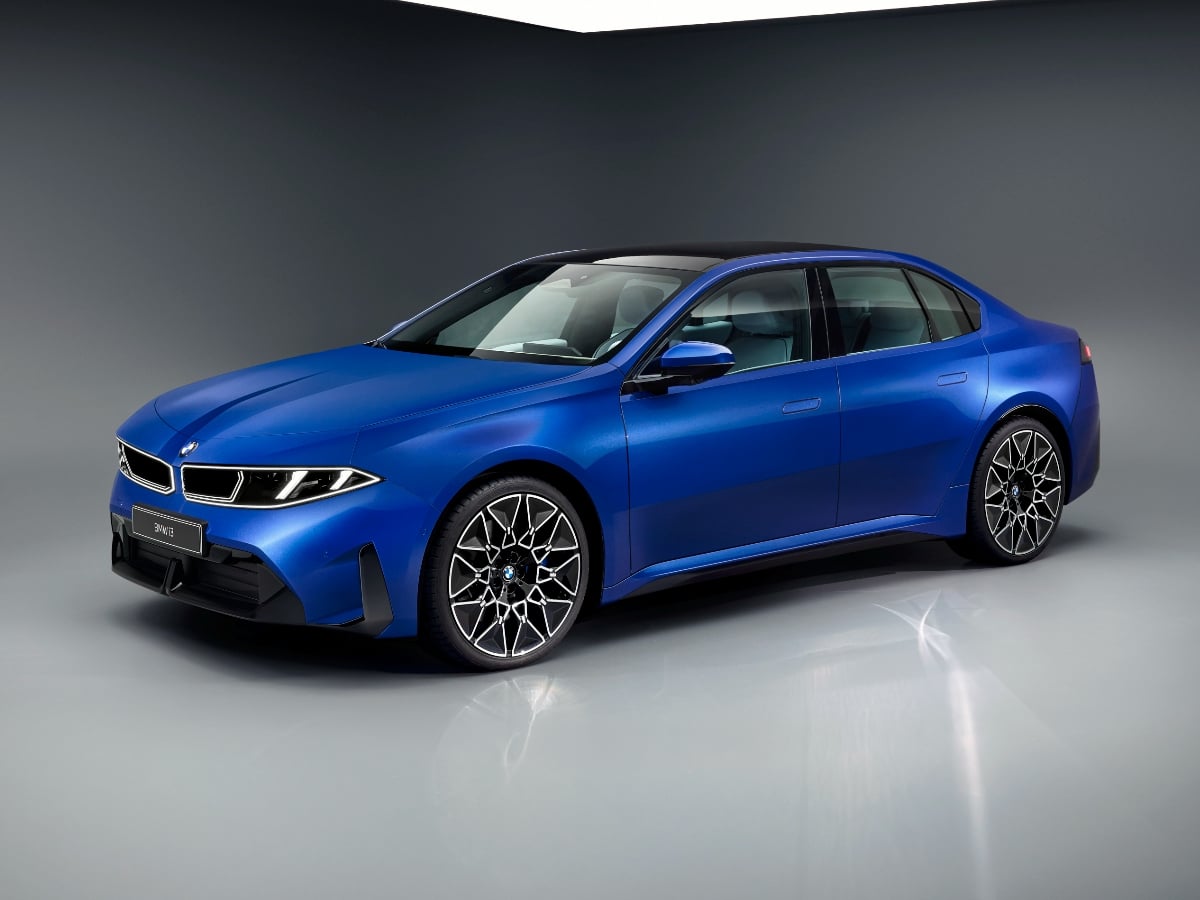
The new 2027 BMW i3 boasts an estimated range of up to 440 miles, 400-kilowatt DC fast charging capability, bidirectional charging to a home or the grid, and next-generation technology.
Read the Full Article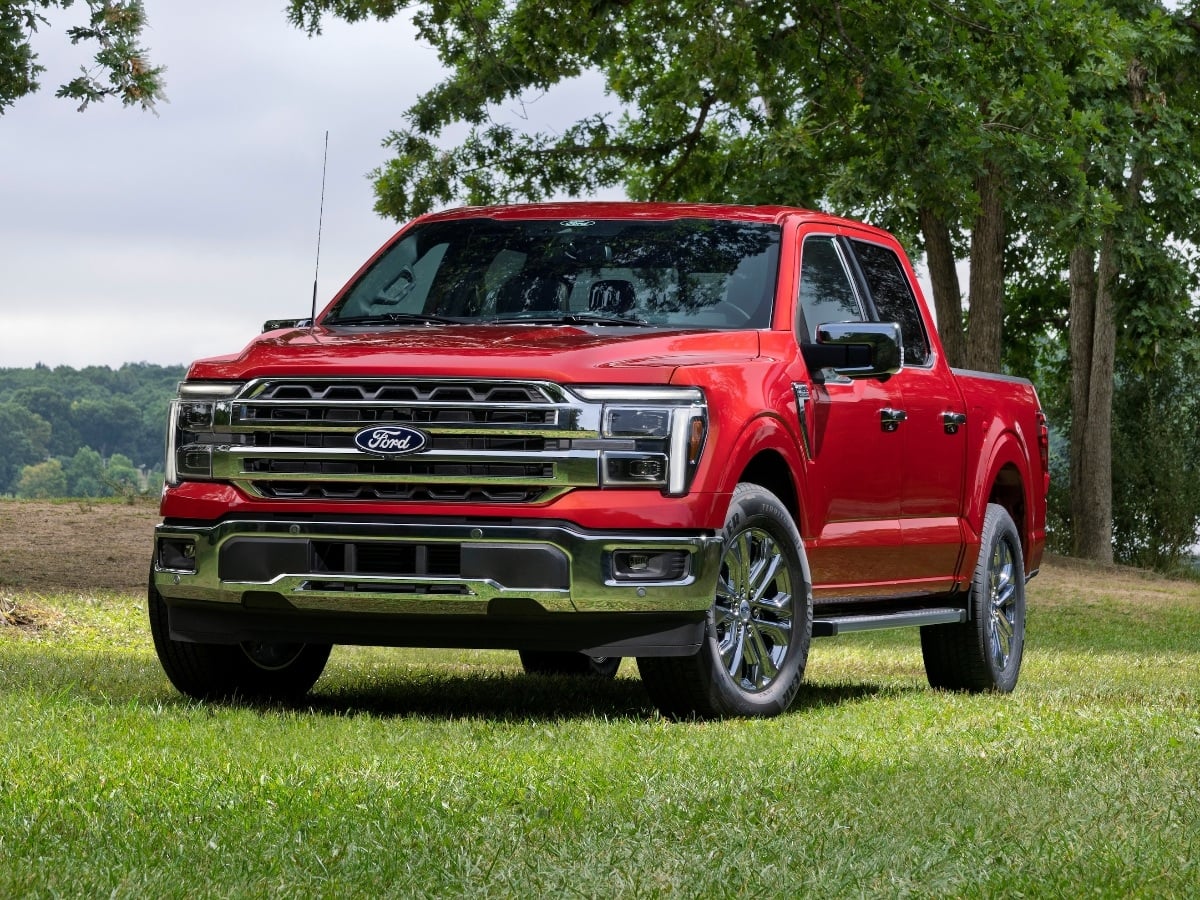
Facing renewed competition in the full-size, light duty pickup truck segment, the 2027 Ford F-150 receives subtle styling updates, a new standard engine, broader availability of its 5.0-liter V8, and ...See More
Read the Full Article
The 2027 Civic Type R goes on sale in October 2026, and it starts at $49,990, including the $1,295 destination charge.
Read the Full Article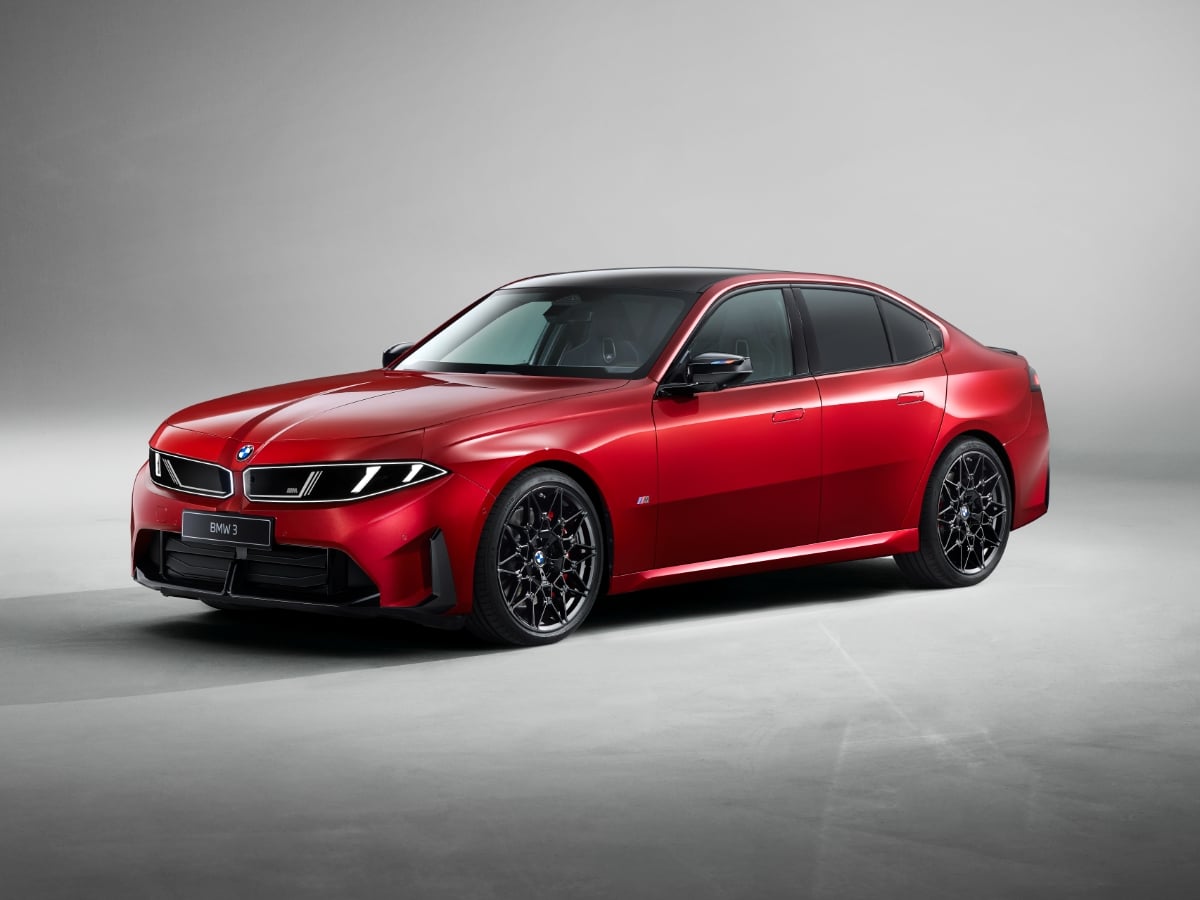
Part of BMW’s Neue Klasse (new class) rollout of redesigned models, the 2027 BMW 3 Series is all-new and goes on sale in the first quarter of 2027.
Read the Full Article