
Audi's smallest SUV, the Q3, remains one of its most popular models. In 2025, it was the second best-selling model with the four rings in the United States. However, even with that success, the brand continues to face declining sales. Fortunately, there is a new Q3 featuring more power, better style, and increased interior space, upgrades that could help reverse that trend for anyone interested in a small premium SUV.
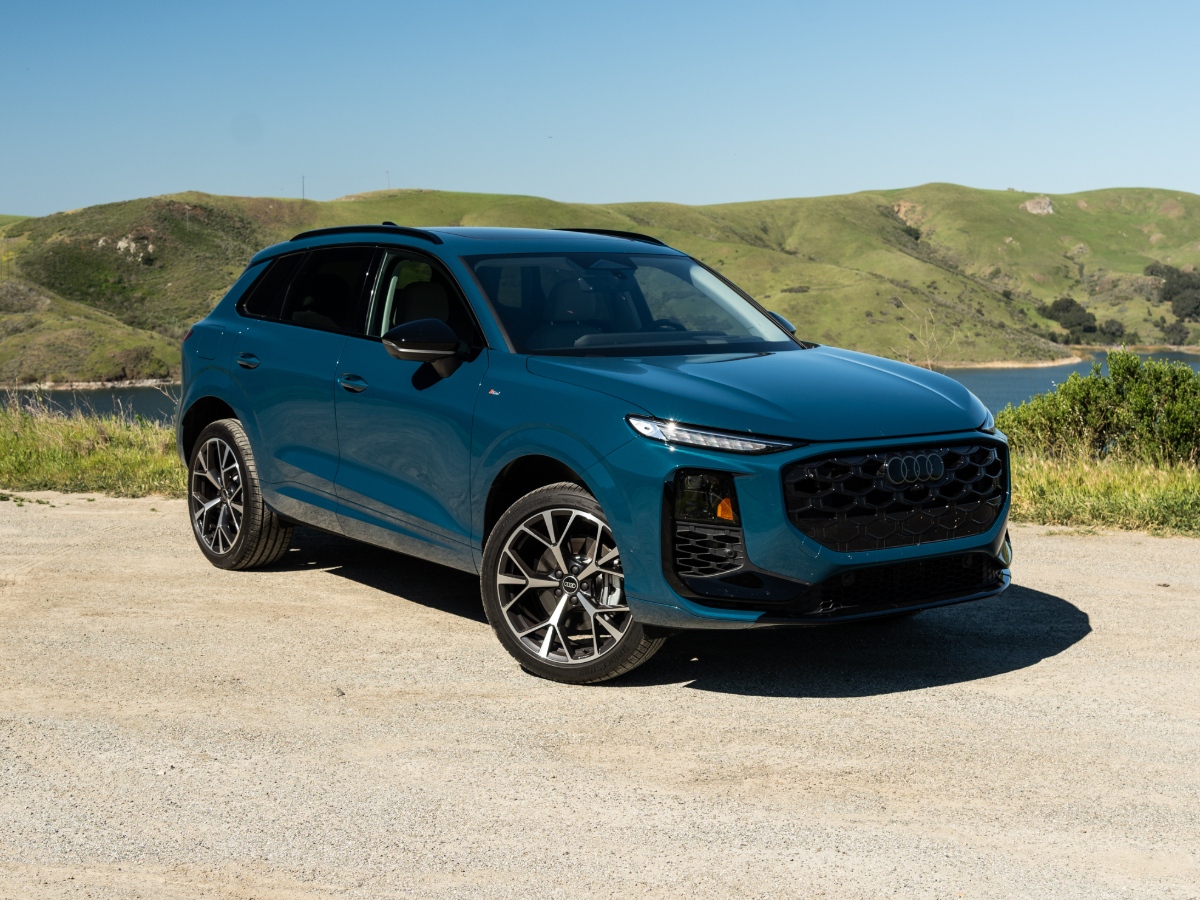
Photo: Tim Stevens
While the new exterior design is the most noticeable change, the Q3 has undergone a complete overhaul for 2026, including a fully redesigned interior and a significant increase in size. It now offers more power and a host of new standard features, including remote start, wireless smartphone charging, and three years of free scheduled maintenance.
The 2026 Audi Q3 is offered only as a five-seater with a turbocharged 2.0-liter engine and a dual-clutch automated transmission (DCT). This single trim level is called S Line Quattro, with a starting price of about $45,000 including destination.
For this 2026 Q3 review, Audi provided a test vehicle equipped with the S Line Quattro trim and the following significant options:
The test vehicle’s manufacturer suggested retail price (MSRP) was $51,790, including the $1,295 destination charge to ship the crossover SUV from the Gyor, Hungary, assembly plant to a local dealership. The price does not reflect any current rebates, incentives, or price adjustments since Audi manufactured the test vehicle.
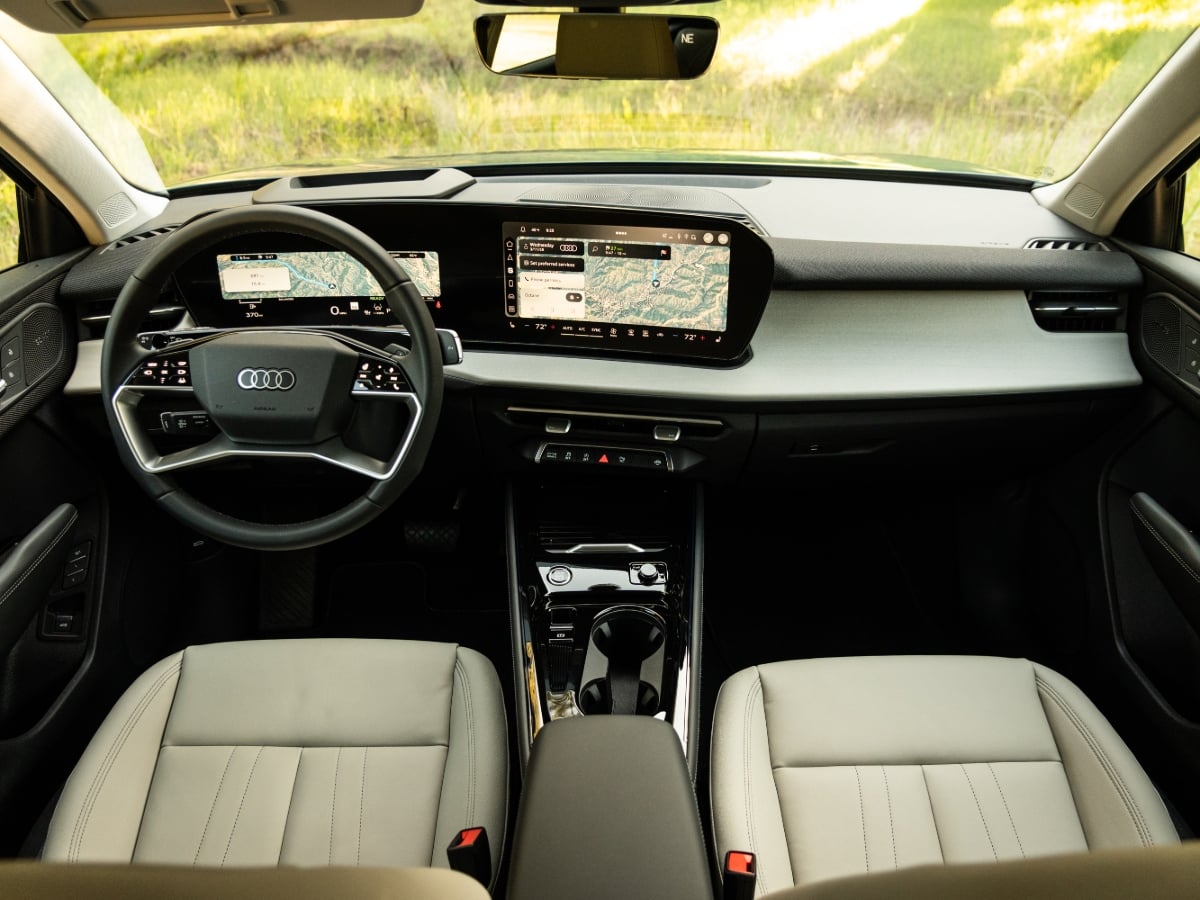
Photo: Tim Stevens
There is nothing wrong with the outgoing Q3's design. It is a sleek, sophisticated-looking vehicle, but the new Q3 definitely makes a statement in the parking lot. Its front end features more elements than before, with large air intakes and standard LED headlights that create a distinctive face.
The interior is a similarly bold step, but it does not quite come together as well. Entry is straightforward, with the Q3 sitting at the perfect height so you do not have to climb in or crouch down to get in. That is also helped by flat seats that do not offer much support in the corners but are at least quite comfortable for longer drives.
The Parchment Beige upholstery on my test machine is visually striking and pleasant to touch. The large, stark wooden inlay on the dashboard feels somewhat artificial to my fingers, though Audi assured me that it is genuine material. It outshines some of the surfaces I have seen in other recent Audi interiors.
That said, I am not a fan of the fabric mesh covering parts of the doors and dashboard, and there is too much glossy black plastic around, especially in the center console, where it tends to collect crumbs, dust, and fingerprints.
The steering wheel spokes are also glossy black, featuring awkward capacitive-touch controls that are too easy to activate unintentionally. During my test drive, whenever I turned the wheel sharply to the left, my right palm hit the volume-up button, and suddenly SiriusXM Alt Nation started blaring.
I do, however, love the new control interface behind the steering wheel. Called the "steering wheel control unit," it is a bar designed to replace both the shifter and the turn signal stalk. Push the left part up and down to control the blinkers or spin the nicely clicky little wheel to adjust wiper speed.
On the right, push the control up or down for Drive or Reverse, or push it in for Park. Its high position takes some getting used to, especially for controlling the turn signals, but I quickly started to like it. It looks modern and has a nice feel, a pleasant change from the usual overuse of touch controls.
The front area has some pros and cons, but the crucial second row in this five-seat SUV is nearly perfect. It offers generous head- and legroom, with seats that slide and recline. I am 6 feet tall and felt very comfortable, with plenty of space to set up my laptop and work. This is made easier by a pair of high-voltage USB-C ports, which Audi includes in the Infotainment package.
Behind the second row, the Q3 provides up to 29 cubic feet of storage. Fold down the second-row seats, and that expands to 50. Or, thanks to the 40/20/40 split, you can drop the middle part of the seatback for skis or snowboards without losing the two outboard seats.

Photo: Tim Stevens
The new Q3's digital interface includes two displays: an 11.9-inch digital gauge cluster on the left and a 12.8-inch infotainment screen on the right, along with a head-up display if you opt for the $1,400 Technology package.
Audi's latest MMI software features:
SiriusXM satellite radio is also available, but only as part of the $1,000 Infotainment package.
Starting with the gauge cluster, you can switch between various views, including a traditional display with speed and tachometer readings, a view of driver assistance settings, and a view of your current route from the navigation system.
To the right, in the center of the dashboard, is the 12.8-inch central touchscreen. Both displays, however, are embedded in the same curved panel that protrudes from the dashboard. Annoyingly, Audi's designers chose to make that panel significantly larger than the two displays embedded within it, leaving you with inches of wasted space on all sides.
Those displays are at least bright and crisp, running Audi's latest MMI interface. It features large touchpoints for its main functions, making it easier to use on the go. It is also quick and responsive, whether you are doing something complex like scrolling around the map or just browsing through settings.
That is supported by an AI-powered voice assistant that can handle simple tasks, like turning on seat heaters, or more complex ones, like composing a sonnet praising the virtues of Audi's Quattro all-wheel drive (AWD) system. The necessity of this feature is debatable, but it can do much more than find local restaurants. It can also locate specific menu items or favorite local spots.
Along with the built-in media playback services, you can also connect either Android Auto or Apple CarPlay wirelessly and stream whatever you want through them. Audi equipped my test vehicle with the optional 12-speaker Sonos-branded sound system, which did not impress me. It has good highs and reasonably punchy bass, but everything I played through it sounded flat.
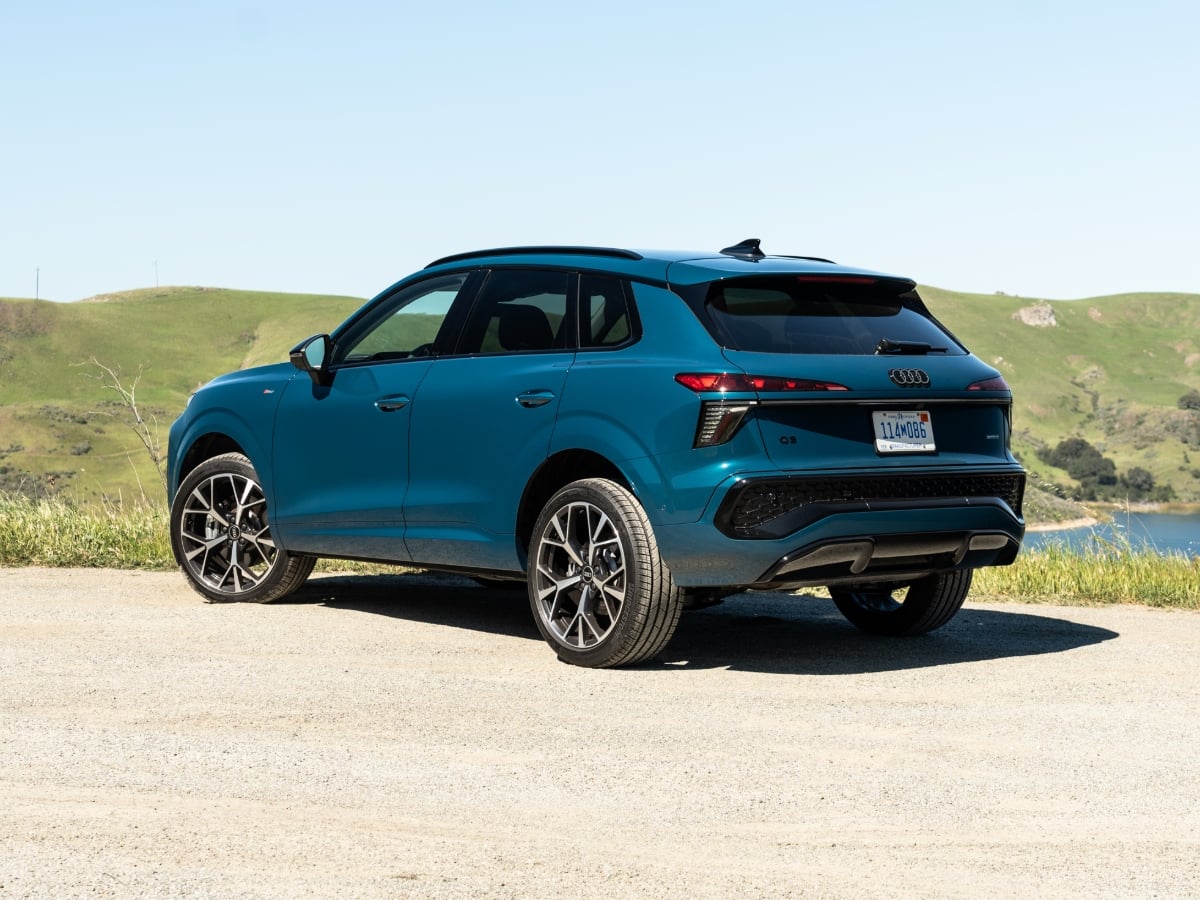
Photo: Tim Stevens
The Q3's turbocharged 2.0-liter inline four-cylinder engine produces 255 horsepower and 273 pound-feet of torque, up from the previous year’s 228 hp. With that extra power and the Q3's bold new look, you might assume it is a performance focused SUV. However, that is not the case. On the open road, even in its more Dynamic mode, the Q3 remains quite relaxed.
Throttle response is sluggish, with that engine taking time to build power. Although the DCT shifts quickly, it is usually eager to keep you in as high a gear as possible to improve fuel economy.
It does not perform particularly well in this regard. The Q3 is officially EPA-rated at 25 mpg combined. In my testing, which included both highway and rural driving, along with several acceleration tests, I achieved 24.1 mpg. That is the bad news. The good news is that the Q3 does not need premium fuel. Competitors like the BMW X1 and Mercedes-Benz GLA do, which can significantly raise their operating costs.
Ride quality in the Q3 is somewhat firm, but not unpleasant. It handled rough, poorly paved roads through the hills north of San Luis Obispo, CA, without feeling unsettled. Road noise was slightly higher than I would like on rough pavement, which led me to think that the smaller, standard 18-inch wheels would be a good choice.
On smoother asphalt at highway speeds, though, the Q3 was relatively quiet, thanks at least in part to the standard acoustic glass. At slower speeds, cruising through town, I found the Q3 a bit difficult to drive smoothly. The car tends to lurch forward at intersections, due to a combination of a sharp initial throttle and the aggressive bite of that DCT.
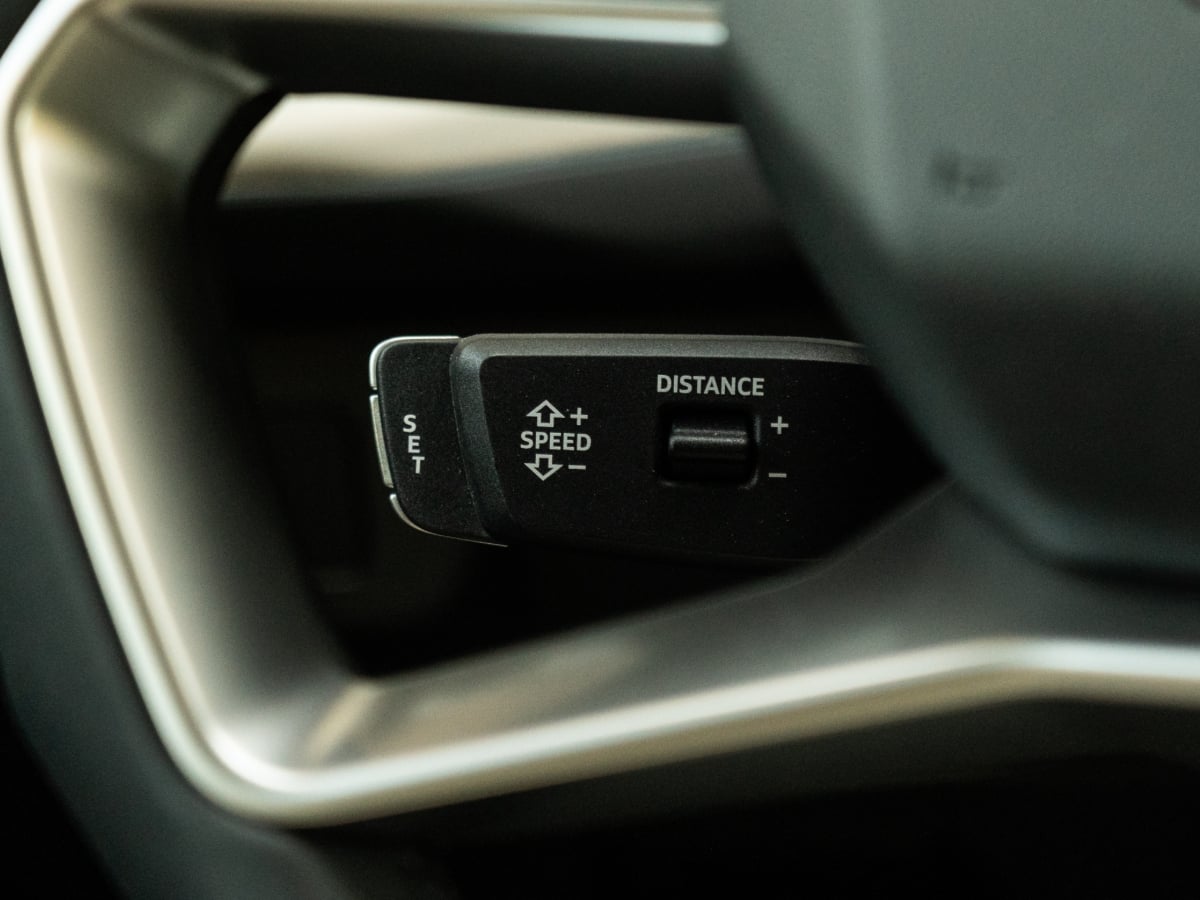
Photo: Tim Stevens
For the 2026 Q3, a comprehensive set of safety features is included as standard. It includes:
Drivers who add the $1,250 Driver Assistance package also receive:
My test car had that feature, and whether on the highway or secondary roads, the adaptive cruise control never failed to keep the car moving smoothly at the speed of surrounding traffic, including coming to a complete stop and then resuming.
The lane centering assistance system also performed well, generally keeping the Audi SUV centered in its lane. However, it often drifted to the left or right when passing an exit lane, requiring a steering correction. That would not be ideal if you had someone with a sensitive stomach in the back.
As of now, neither the National Highway Traffic Safety Administration (NHTSA) nor the Insurance Institute for Highway Safety (IIHS) has rated the 2026 Audi Q3’s crashworthiness.
According to the JD Power 2025 Initial Quality Study (IQS), the Audi Q3 ranks highest in the Small Premium SUV segment. The Lexus UX and the Mercedes-Benz GLA are the next highest-ranked models.
According to the JD Power 2025 Automotive Performance, Execution and Layout (APEAL) Study, the BMW X1 ranks highest in the Small Premium SUV segment. The Genesis GV60 is the next highest-ranked model.
Other 2026 Q3 competitors include the BMW X2, Land Rover Range Rover Evoque, and Volvo XC40.
According to verified owners, the Q3 earns an award as the highest-ranked model in its segment in the 2025 IQS.
Audi's new Q3 offers more power and a fresh new look, but a higher price and uneven interior mean it is not a guaranteed hit. However, for those who prioritize rear-seat comfort, the Q3 is excellent, and it is generally a fun vehicle to drive. It aims to help Audi continue making progress on its journey to regain its best form.
Tim Stevens is a veteran automotive and technology journalist with over 25 years of experience covering a wide range of topics, from smartphones to supercars. In addition to jdpower.com, his expert perspectives have appeared in numerous national and international outlets, including print, online, and broadcast television.


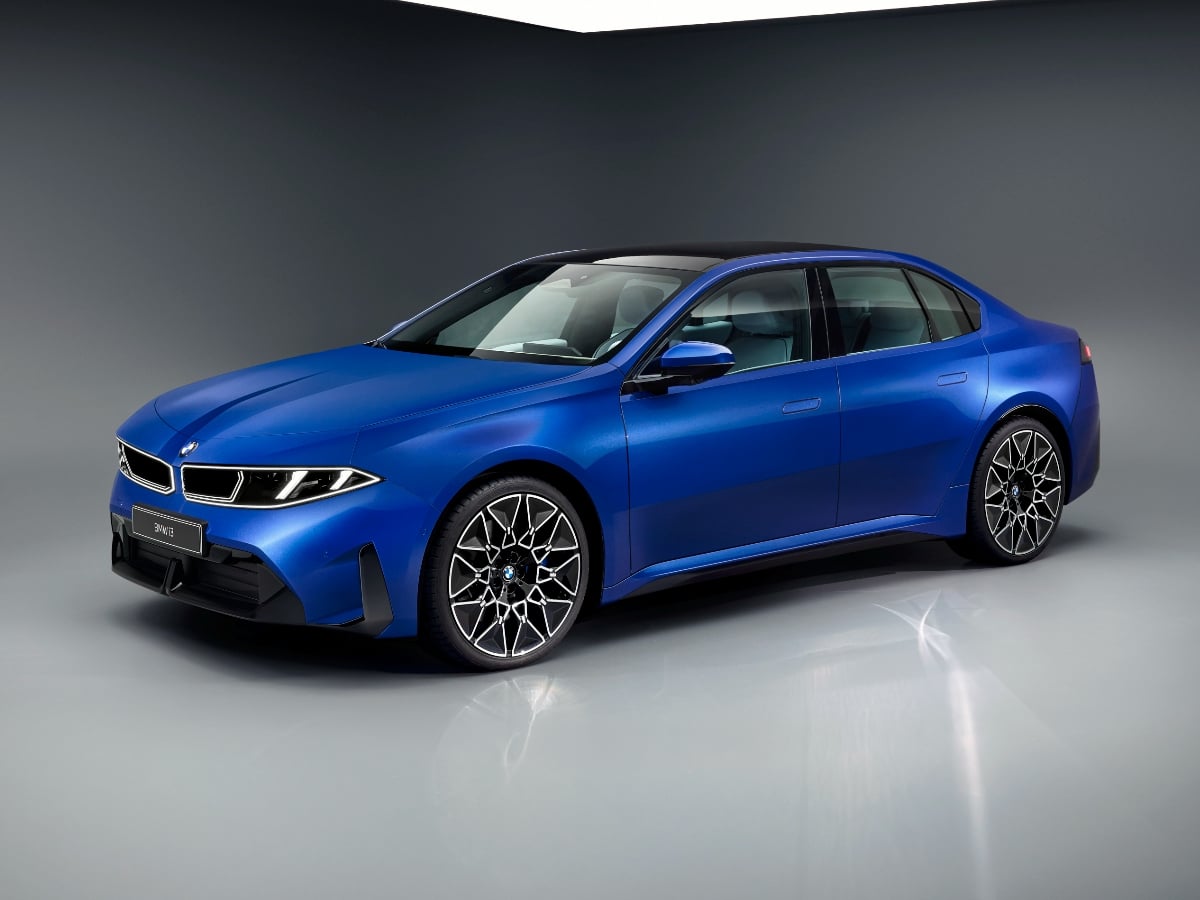
The new 2027 BMW i3 boasts an estimated range of up to 440 miles, 400-kilowatt DC fast charging capability, bidirectional charging to a home or the grid, and next-generation technology.
Read the Full Article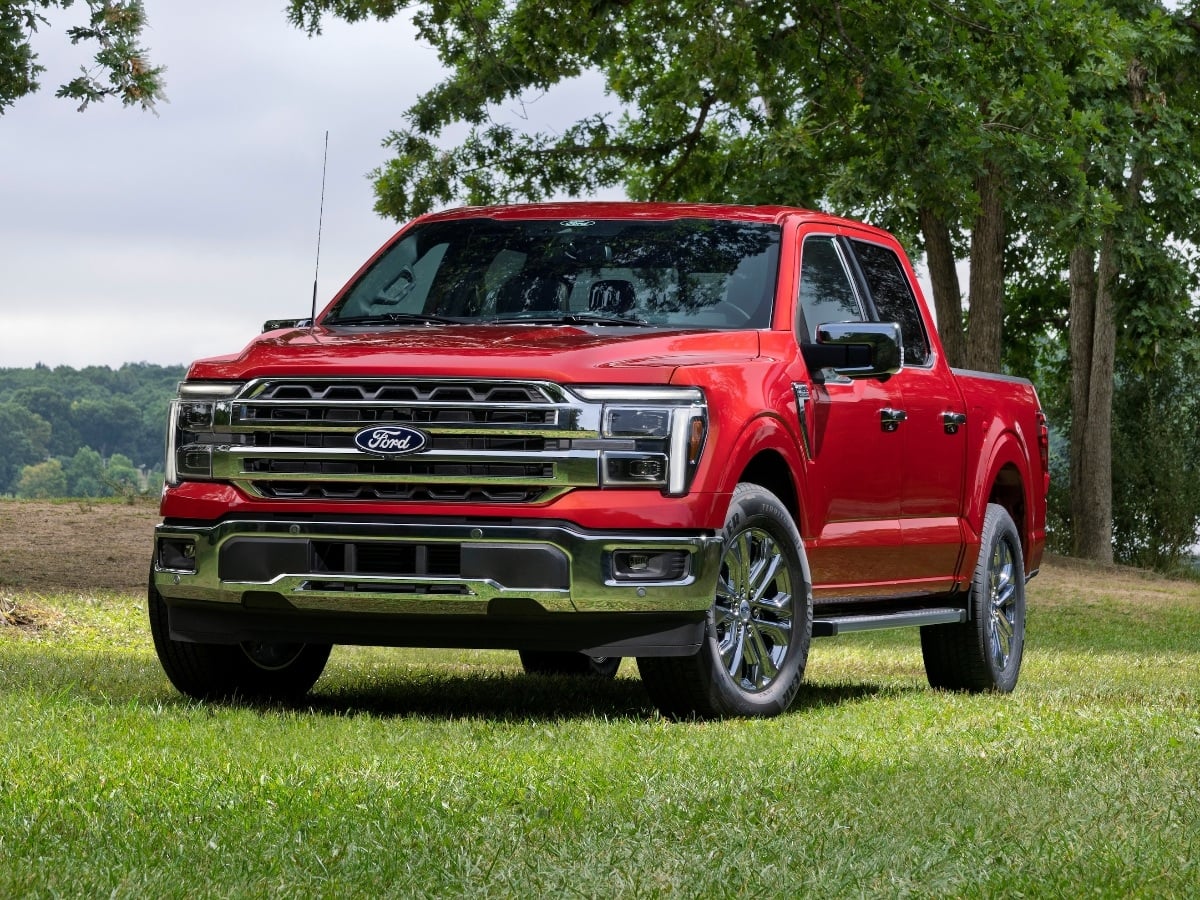
Facing renewed competition in the full-size, light duty pickup truck segment, the 2027 Ford F-150 receives subtle styling updates, a new standard engine, broader availability of its 5.0-liter V8, and ...See More
Read the Full Article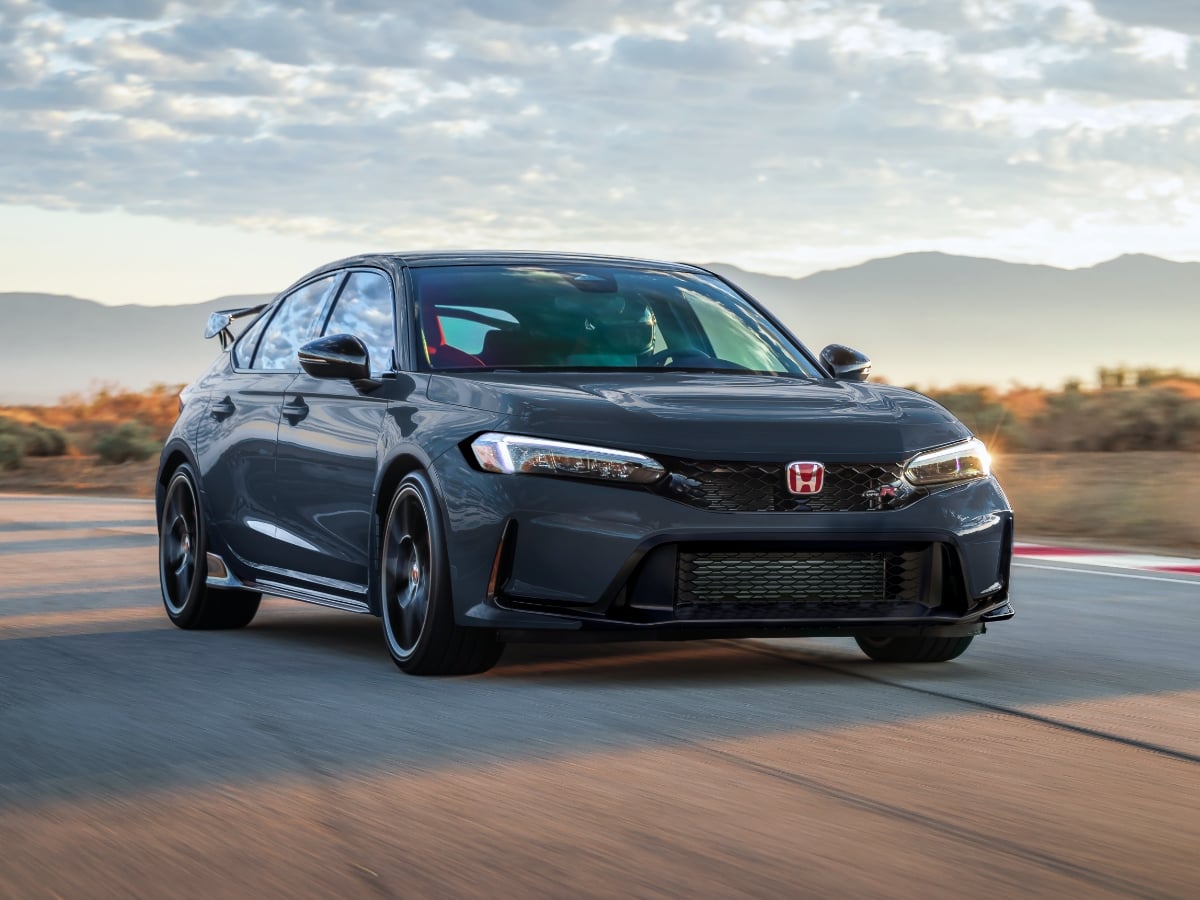
The 2027 Civic Type R goes on sale in October 2026, and it starts at $49,990, including the $1,295 destination charge.
Read the Full Article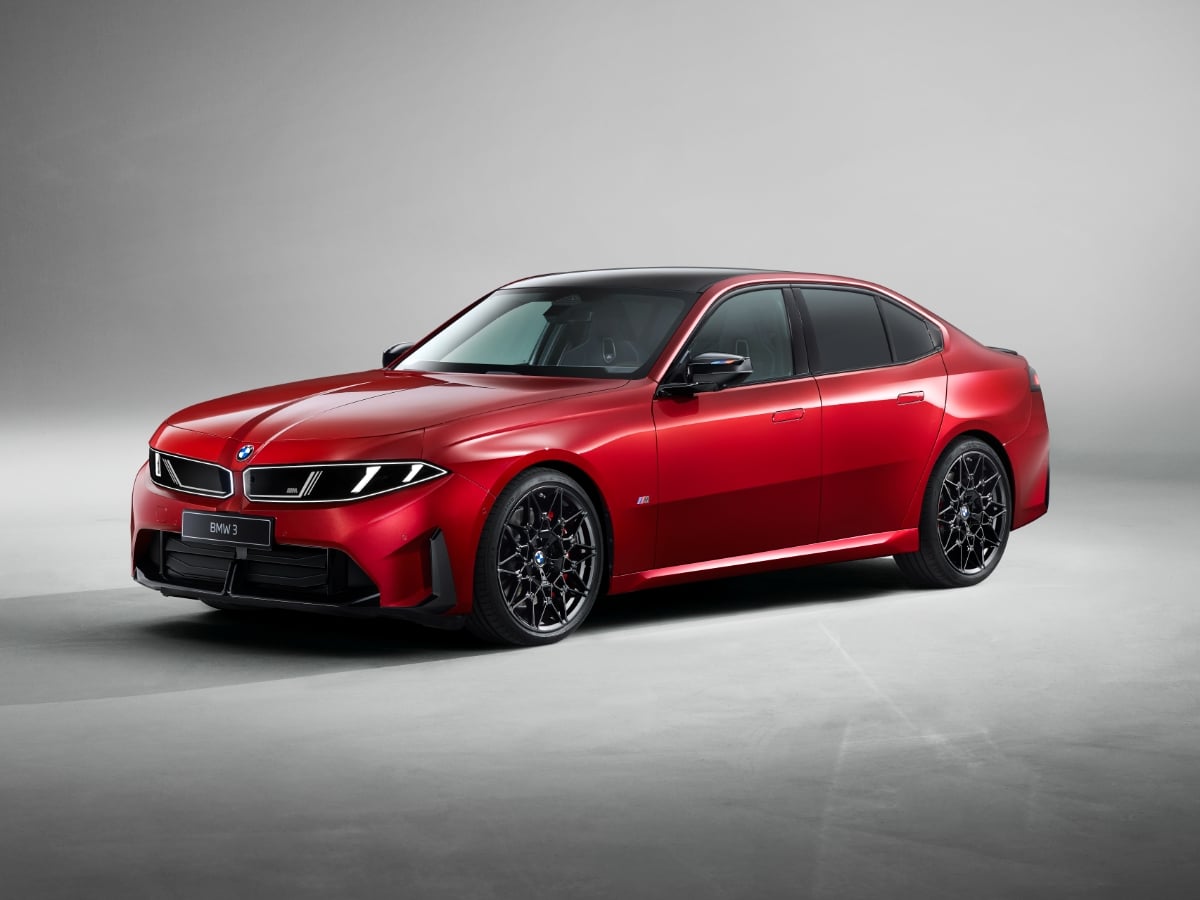
Part of BMW’s Neue Klasse (new class) rollout of redesigned models, the 2027 BMW 3 Series is all-new and goes on sale in the first quarter of 2027.
Read the Full Article