
The 2027 BMW iX3 is a new, all-electric compact luxury SUV that provides a preview of BMW’s future cars and SUVs. As the first model built on the brand’s “Neue Klasse” platform, it features an entirely new design approach, impressive electric powertrain and battery technology, numerous benefits from its “software-defined” electronic architecture, and the groundbreaking Panoramic iDrive tech interface.

The iX3 50 xDrive will initially be the only version available. This dual-motor, all-wheel-drive (AWD) model will produce 463 horsepower and 476 pound-feet of torque. BMW estimates it’ll go up to 400 miles based on the Environmental Protection Agency’s (EPA) testing procedures. BMW says that “further fully electric variants will follow, including a single-motor rear-wheel drive model.”
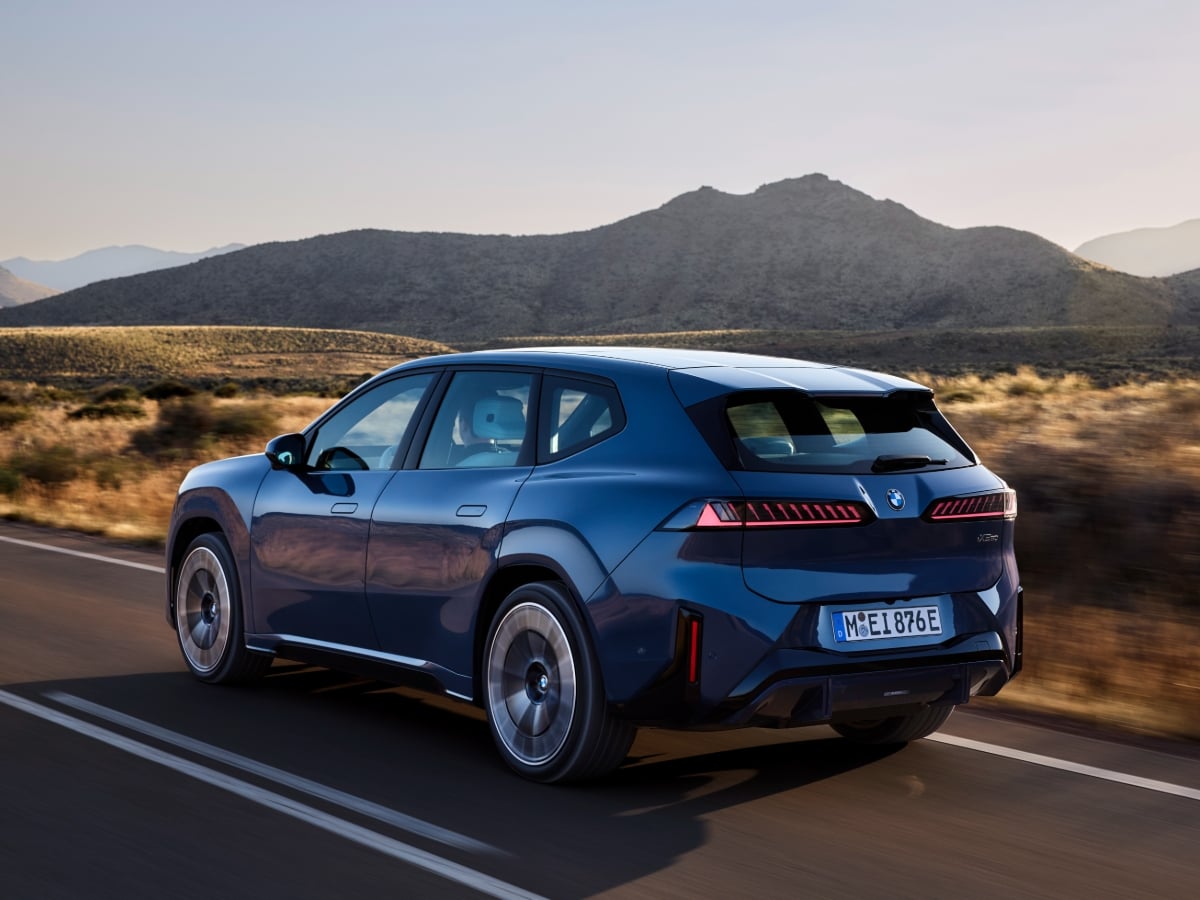
BMW design has been quite controversial in recent years, with large and unusual versions of the brand’s signature kidney grille being the primary focus of criticism. The iX3 is the first model to showcase BMW’s next generation “design language,” which includes yet another new kidney grille that people will love or hate. Its vertical layout was apparently inspired by BMW’s classic 1600 and 2002 models from the 1960s and ‘70s. They are also accompanied by a new interpretation of another BMW signature, the “four-eyed face” created by the front lighting.
The iX3’s dimensions closely match those of the X3. The iX3 measures 188.3 inches in length, 74.6 inches in width, and 64.4 inches in height, all within about an inch on either side of the X3. Its 114.1-inch wheelbase is just 1.3 inches longer, unlike some other electric vehicles (EVs), like the Hyundai Ioniq 5, which can have significantly larger wheelbases compared to their overall length.

The new Panoramic iDrive technology interface highlights the iX3’s clean, uncluttered cabin design. Just as BMW’s iDrive transformed vehicle control with its knob-and-screen setup in the 2002 BMW 7 Series (despite initial teething problems, as I can attest), Panoramic iDrive offers an entirely new way to interact with the car’s systems. I will explore this new interface in more detail below.
Because BMW designed the iX3’s vehicle architecture specifically for EVs (unlike the BMW i4, i5, and i7, which use the same architectures as gas-powered cars), the cabin offers “generous levels of space in all five seats,” according to BMW. Additionally, the electric architecture likely made storage under the center console possible, since there was no need for a transmission tunnel. The area above the console features a wireless phone charging pad, USB-C ports, two cupholders, the gear shifter, a roller volume control, and physical buttons for various functions.
BMW incorporated textile and ambient backlighting into the dashboard areas, building on the bold designs, lighting, and material choices seen in recent models like the X3. The newly designed seats are upholstered in standard “Veganza” synthetic leather, available in multiple colors, with black leather as an optional upgrade.
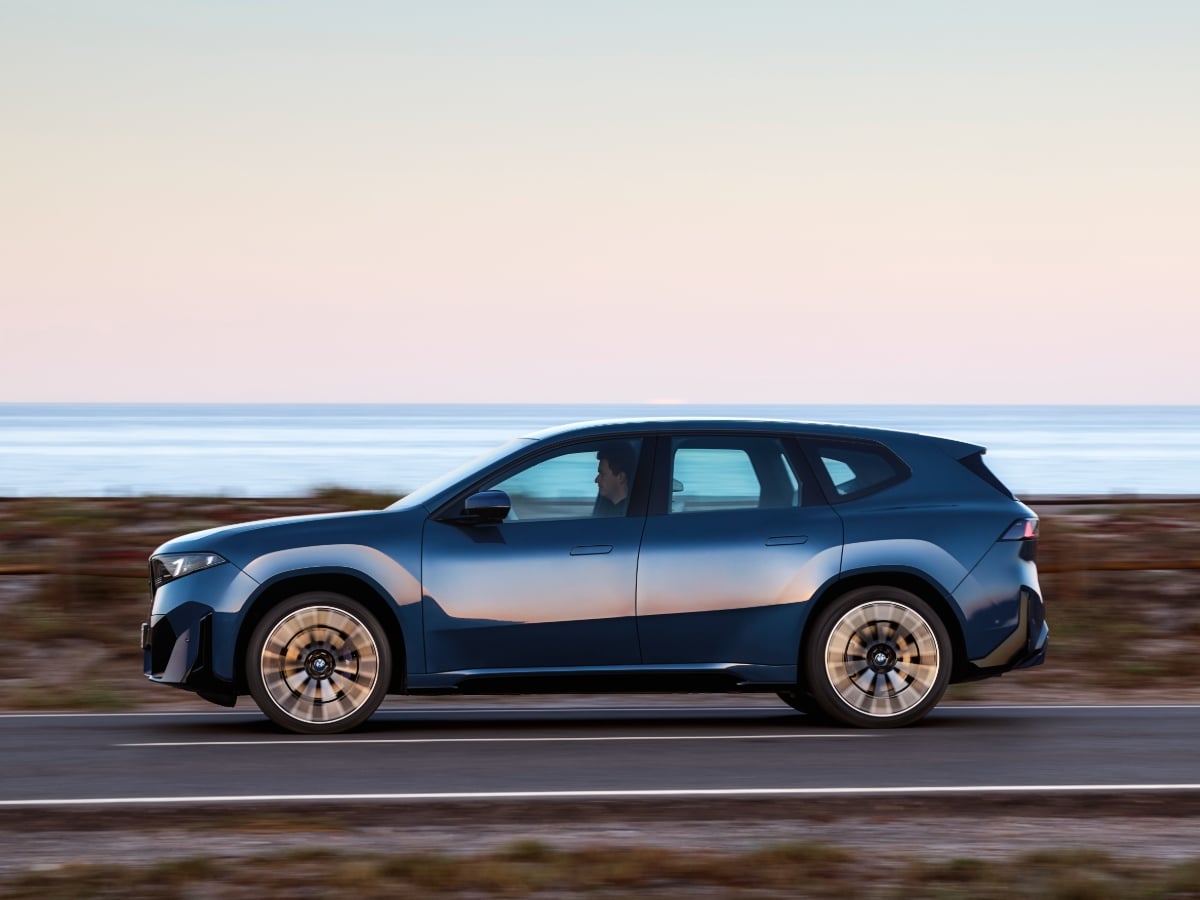
The iX3 50 xDrive’s two motors deliver a combined 463 hp and 476 pound-feet of torque. BMW estimates it will go from zero to 60 mph in 4.7 seconds. That is fast, but in the EV world, those numbers are not anything special.
Range and recharging are an entirely different story. BMW estimates the iX3 50 xDrive’s range will be up to 400 miles, based on EPA testing standards. Currently, only seven EVs exceed the 400-mile threshold (Lucid Air and Gravity, Rivian R1T and R1S, Tesla Model S, Chevrolet Silverado EV, and Cadillac Escalade IQ). No BMW currently comes close, while the longest-range electric compact SUVs are the Polestar 3 at 350 miles and the Tesla Model Y at 337 miles.
Charging is arguably even more impressive. BMW promises a maximum DC fast charging rate of 400 kilowatts (kW), which could theoretically add about 230 miles in just 10 minutes. This is more of a future proofing capability, as the current crop of public fast chargers typically cannot match that rate; Electrify America tops out at 350 kW, while the fastest Tesla Superchargers are 325 kW. The iX3 will still be able to charge at slower chargers, including those with 400-volt architecture (the iX3 has 800-volt capability).
Speaking of Tesla, BMW equips the iX3 with a Tesla-style NACS charge port, giving owners access to the Supercharger network. A CCS charge adapter will be standard, allowing owners to use chargers that have that plug design.
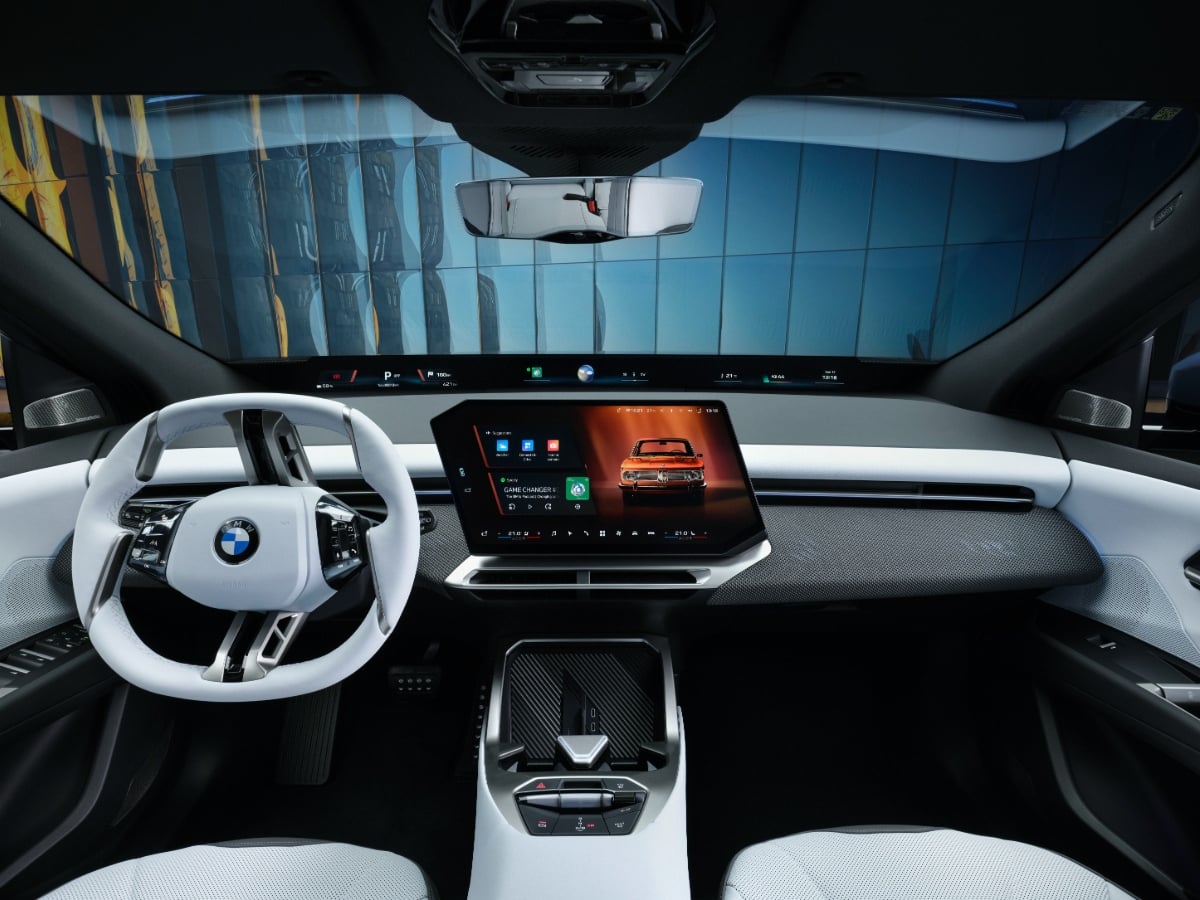
The biggest tech news is BMW’s all new Panoramic iDrive interface debuting in the iX3. Designed to keep the driver’s hands on the wheel and eyes on the road, it combines a multi-function steering wheel, a 17.9-inch central touchscreen, an optional 3D head-up display, and most importantly, the new Panoramic Vision concept that projects information onto the lowest part of the windshield.
The most crucial driving information is projected onto the left side of Panoramic Vision, similar to a digital instrument panel. The driver can then customize what is shown in the center and right areas. BMW says that the display has a 3D effect. The automaker also mentions that the available 3D head-up display is “neatly coordinated” with Panoramic Vision and can display navigation and automated driving information.
Wireless Apple CarPlay and Android Auto smartphone mirroring remain standard. Route guidance and available metadata from media titles can be displayed in both Panoramic Vision and the optional head-up display.
The iX3 is a so called “software-defined vehicle,” which essentially consolidates all of the vehicle’s electronic systems into a single centralized system. Among other benefits, it reduces vehicle weight by 30 percent and eliminates nearly 2,000 feet of wiring. BMW describes the centralized system as being divided into four “zones” or “super brains” that each control key vehicle features such as vehicle dynamics and driver assistance technologies.
The driver-assistance “super brain” offers 20 times more processing power than the previous “conventional control units,” which should theoretically improve the reaction times and capabilities of the standard forward collision warning system, active blind spot warning system, and adaptive cruise control.
BMW says the iX3’s hands-free highway driving assist system, called Highway Assistant, gains the most from increased computing power. It lets the driver keep their hands off the wheel on limited-access highways at speeds up to 85 mph, weather and traffic conditions permitting. Automated lane changes are also possible, and they are distinctive because the driver only needs to glance into the outside rearview mirror to accept a lane change suggested by the car.
The “super brain” and its AI-enabled software also introduce a new feature called “BMW Symbiotic Drive.” Frankly, it is a little confusing and it is hard to understand how it works without testing it. BMW describes its effect on the lane departure warning system as follows: “If the system detects that the driver intends to change lanes based on their eye movement (while using a driving-assistant function), it won’t intervene and take corrective action.”
The BMW iX3 is a compact luxury SUV, so one can compare it to any model in that segment, regardless of its power source. Its estimated 400-mile range and fast charging ability are likely to ease range anxiety and attract more shoppers in that segment. For reference, the iX3’s starting price of around $60,000 is about $10,000 higher than the X3 30 xDrive.
Among EVs, the Genesis Electrified GV70 is a compact luxury SUV, but it is more expensive and has a range of up to 255 miles. The Polestar 3 and Porsche Macan Electric are good choices for those looking for a lively driving experience, but they are more expensive initially and fall short in range. Cadillac is probably the best option, as it offers two models, the Optiq and Lyriq, that are in the same price and size range as the iX3. While they cannot match the iX3’s range, their technology and luxurious interiors are excellent.
BMW is the source of information in this article. It was accurate as of September 5, 2025, but it may have changed since that date. Always confirm product details and availability with the automaker’s website or your local dealership.
James Riswick has been testing and reviewing cars since 2007, serving as an editor at Edmunds.com and Autoblog. In addition to JDPower.com, he has also contributed to Autoguide Magazine, Autotrader, Capital One Auto Navigator, Car and Driver, and Hagerty. He resides in Southern California and owns a 1998 BMW Z3, a 2013 Mercedes-Benz E350 Wagon, and a 2025 Cadillac Optiq.


With the 2027 model year upon us, automakers are looking to sell off their 2026 model inventories. Even some 2027 models have great lease deals. Check out our list for some of the best lease deals on ...See More
Read the Full Article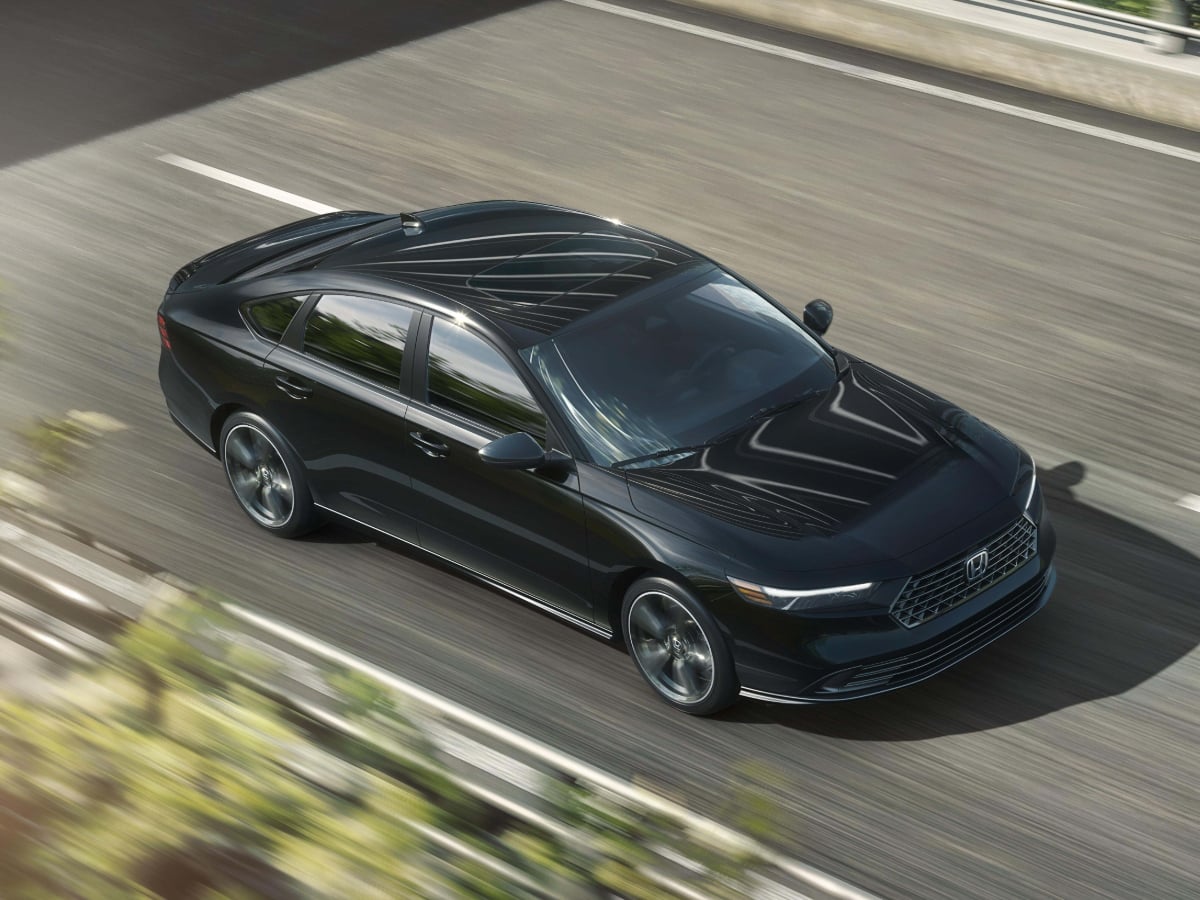
Are you looking for the best deals on the hottest new cars in October 2026? Look no further. We researched the latest car incentives and offers for America’s 10 top-selling cars.* Here, listed ...See More
Read the Full Article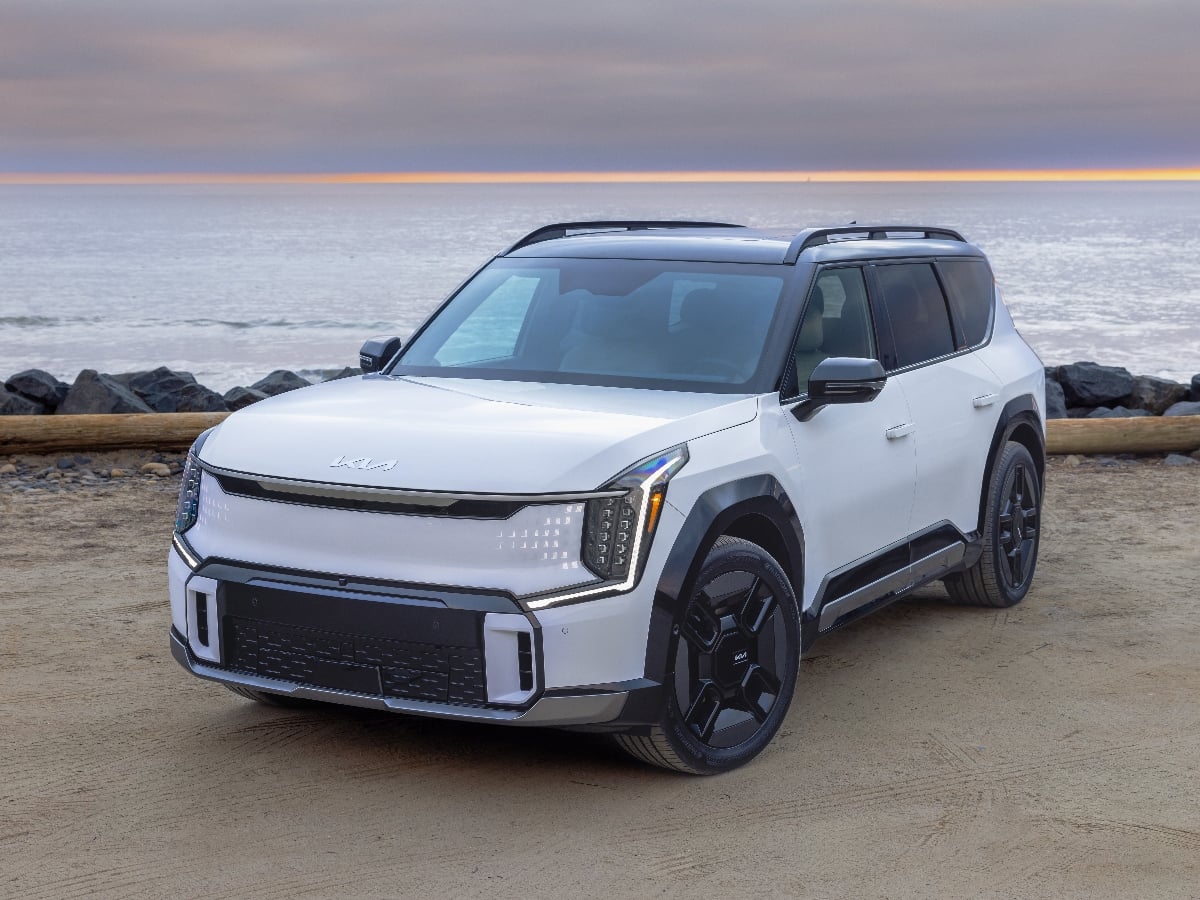
Fall is officially here, and with the 2027 model year now upon us, automakers still have a healthy supply of 2026 models to clear out. See the list for current rebates, incentives, and loan discount ...See More
Read the Full Article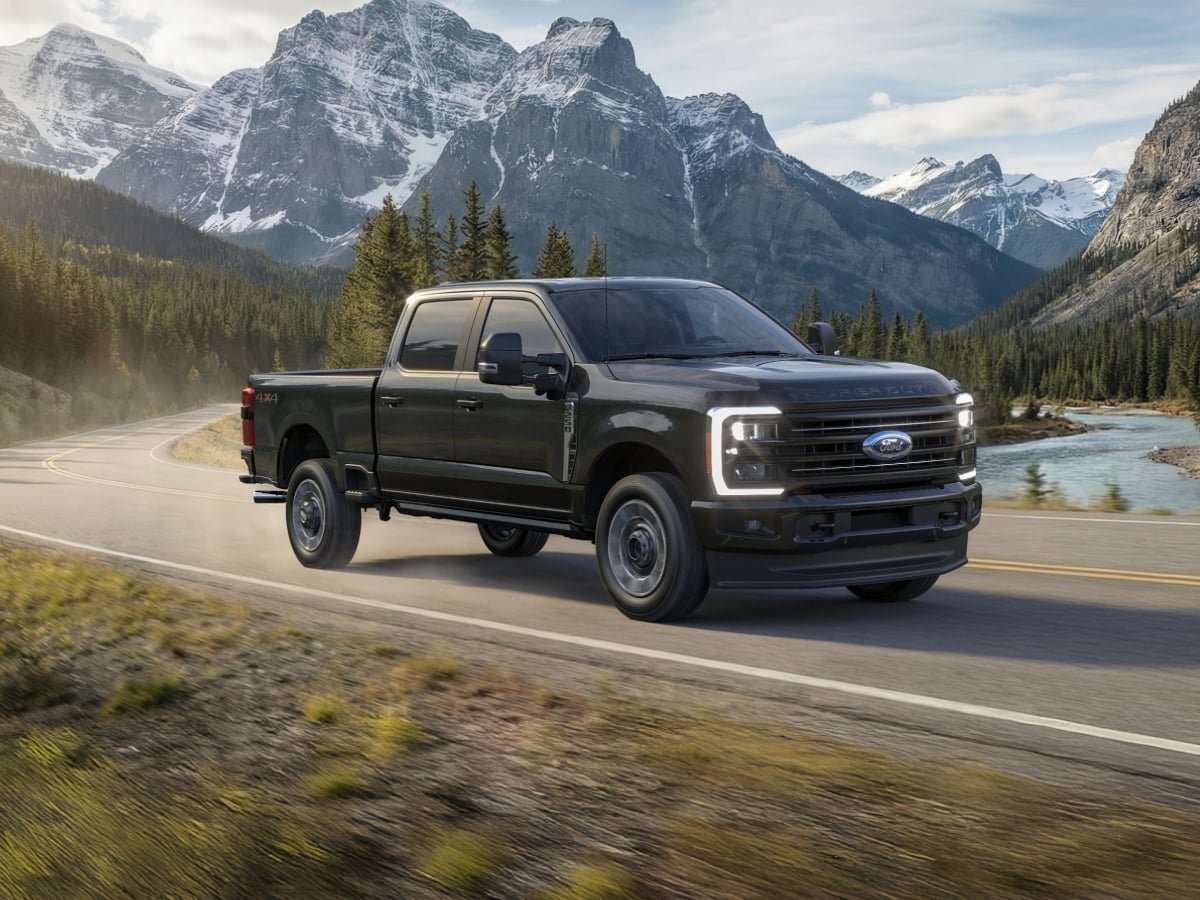
If you are searching for the best deals on the most popular new trucks in October 2026, your search ends here. We researched the latest incentives and offers for America's 10 top-selling trucks.* ...See More
Read the Full Article