
Many automakers offer Level 2 semi-autonomous vehicle capabilities to give drivers a hands-free, fatigue-free highway experience. German luxury automaker BMW has its own version of this advanced driver assistance system (ADAS) called BMW Highway Assistant.
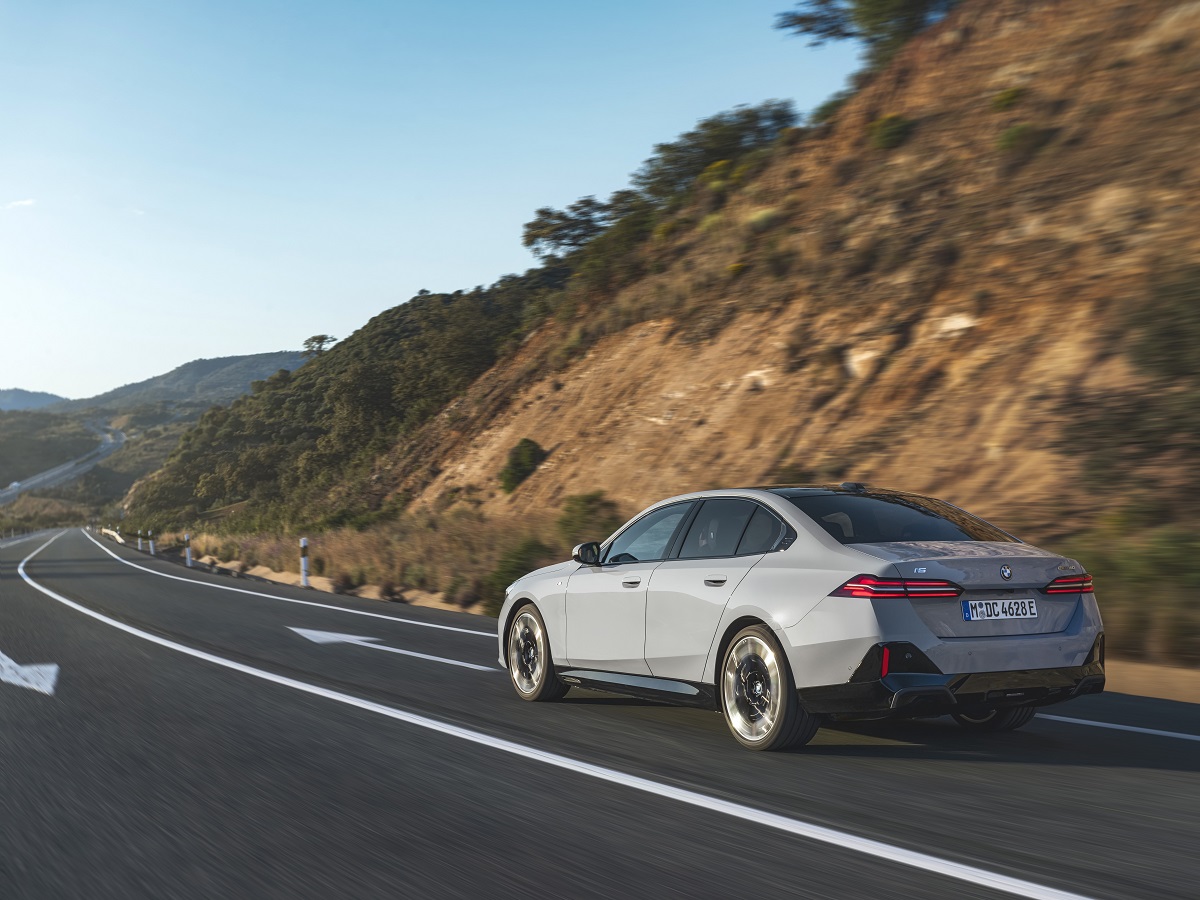
As defined by the Society of Automobile Engineers (SAE) International classification of autonomous driving, BMW Highway Assistant is a Level 2 system, which means it provides partial driving automation but is still far from fully autonomous (Level 5). In other words, you can let the car do some of the driving, but you can’t zone out with a good book, a rousing game of ‘Words with Friends,’ or a good old-fashioned nap.
In any case, the name—BMW Highway Assistant—says it all. The system’s primary function is to assist the driver on the highway. Similar systems from around the industry include AutoPilot or Full-Self Driving from Tesla (which isn’t fully autonomous as the name suggests), BlueCruise from Ford, Super Cruise from General Motors, and Highway Driving Assist/Highway Driving Assist 2 from Hyundai Motor Group.
BMW Highway Assistant combines adaptive cruise control (ACC) and lane-keeping assistance (LKA) to help navigate designated interstate roadways without requiring the driver’s hands to be on the steering wheel continually. Although it’s not full-self-driving technology, the system enables sustained periods of hands-free operation.
The purpose behind BMW Highway Assistant is to accomplish three main things:
Maintain a speed set by the driver (or the posted speed limit)
Keep a safe distance from vehicles ahead traveling in the same direction
Center the car within its lane while guided by highway lines and markers
Lane centering means the vehicle will follow the curvature of the roadway, as evidenced by a steering wheel that gently turns to the left or right on its own and makes continual adjustments, even on straightaways.
In addition to ACC and LKA, BMW Highway Assistant brings other ADAS technologies, including lane-change assistance (Automatic Lane Change), Evasion Aid, and traffic-jam assist. These functions were unavailable in the original iteration of BMW Highway Assistant, but the automaker added them to the current version.
Lane-change assistance allows the vehicle to change lanes once the driver signals intent. The system then looks for a gap in the adjacent lane before safely moving. In some models, drivers can activate this feature by simply glancing at the outside mirror.
Overall, BMW Highway Assistant is not about replacing the driver but serving as a co-pilot supporting their capabilities. It’s like having several extra sets of eyes while behind the steering wheel.
Highway Assistant combines advanced camera, radar, and sensor technologies to offer an autonomous driving experience on controlled-access highways and major roads without pedestrians, cyclists, or intersections. The system also relies heavily on the vehicle’s navigation and mapping software. BMW Highway Assistant works at speeds up to 85 mph.
Activating Highway Assistant is simple and intuitive. Pressing the “I/O” button turns the ACC system on. An icon appears in the instrument cluster and head-up display. Once the system detects that road conditions are suitable for hands-free driving, an “Assist Plus Ready” indicator appears.
You can then press the mode button to activate hands-free driving. The steering wheel has two green LEDs on both sides that illuminate and flash when hands-free driving is active; at this point, you can safely remove your hands from the wheel.
A discrete, driver-facing camera monitors the driver’s eyes and continually evaluates for alertness. Utilizing infrared lights, this system can track whether the driver is aware of the road or has become distracted by other things, such as their phone. Or sleep.
As such, the system will remind drivers to put their hands on the wheel regularly. A series of audible and visual cues will trigger if the driver does not comply.
BMW Highway Assistant is an intuitive and sophisticated Level 2 hands-free, autonomous driving system that can make long commutes and road trips less tiring and stressful for the driver. Along with similar systems from other carmakers, it is one step closer to a fully autonomous future.
To learn more about various automotive technologies, visit the Shopping Guides section of the website.
Jessica Shea Choksey is an experienced writer in the automotive field. In addition to JDPower.com, she was a correspondent for PBS's MotorWeek. Her work has also appeared in AutoTrader.


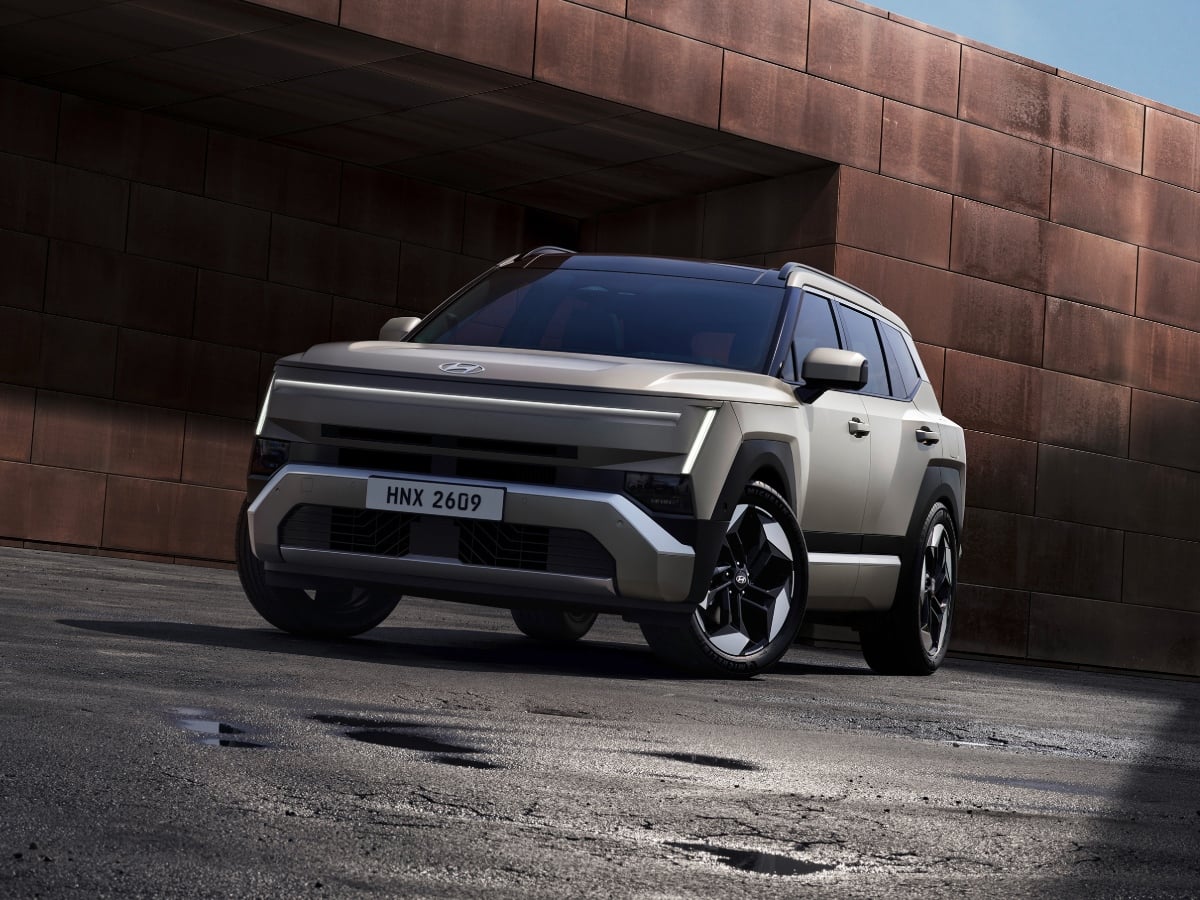
With a purposeful new design and some trail-ready upgrades, the 2027 Hyundai Tucson is pushing the brand's best-selling crossover SUV into more aggressive territory.
Read the Full Article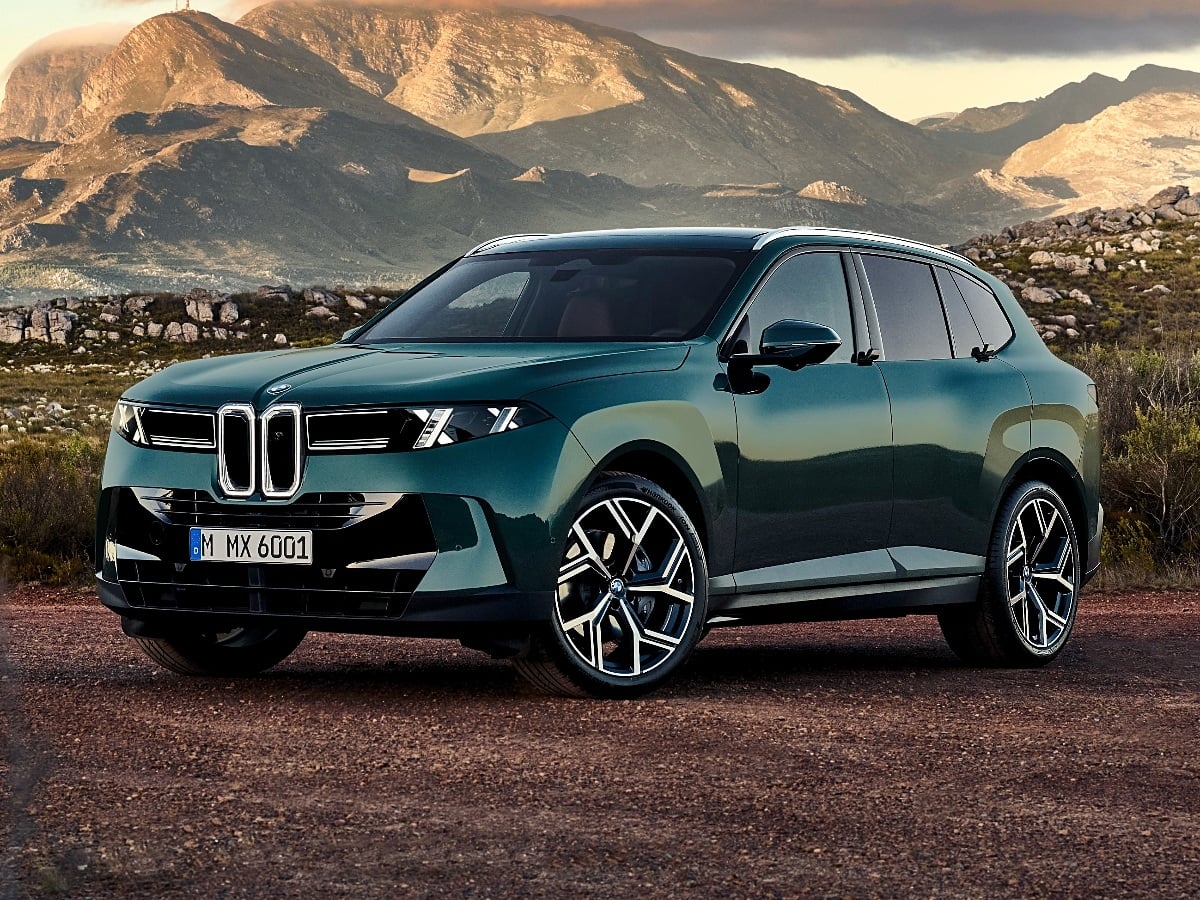
For more than 25 years, the BMW X5 has helped to define the luxury SUV segment. Now, the redesigned fifth-generation 2027 BMW X5 arrives with the automaker’s Neue Klasse styling, a roomier interior, ...See More
Read the Full Article
One of Lexus's most popular models, the NX crossover SUV is also one of the most affordable in the company’s lineup. The 2027 Lexus NX transitions to hybrid-only powertrains, and gets revised ...See More
Read the Full Article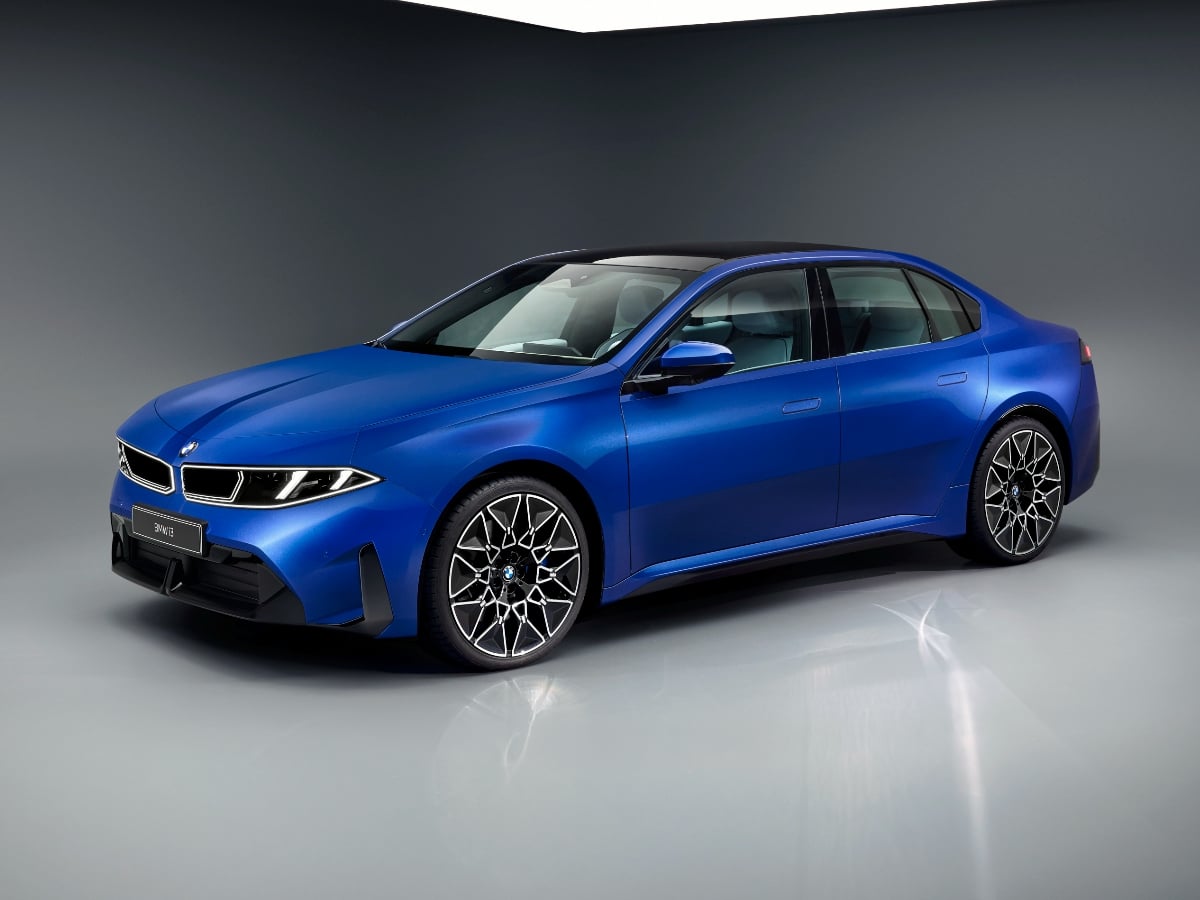
The new 2027 BMW i3 boasts an estimated range of up to 440 miles, 400-kilowatt DC fast charging capability, bidirectional charging to a home or the grid, and next-generation technology.
Read the Full Article