
Rivian made waves by bringing the first fully electric truck, the R1T, to mass production in 2018, then quickly followed it up with the equally compelling R1S SUV. While the latter lost a little in the cargo-hauling department, its three row practicalities, strong performance, and great range made for an attractive, if pricey, prospect.

Photo: Tim Stevens
For 2025, the R1S enters its second generation, receiving a thorough under-the-skin up-do that saw Rivian's engineers completely gut the control systems and rewrite much of the software. You would never know it from the outside, which is virtually identical to the first generation SUV, but more power, higher range, and even more attractive interiors are the highlights of this familiar yet new R1S.
Prospective buyers can get into a base, dual-motor R1S for $75,900 or step up to a three-motor Tri like the test vehicle for a starting price of $105,900. After that, it's the extreme, four-motor R1S Quad, which Rivian has yet to price but offers a whopping 1,025 horsepower. The automaker says it can sprint from zero to 60 mph in just 2.5 seconds.
For this review of the 2025 R1S, Rivian provided a test vehicle equipped with Ascend Tri Max trim and the following options:
The test vehicle's price was $111,200, including the $1,800 destination charge to ship the SUV to your local dealership from the Rivian assembly plant in Normal, Illinois.

Photo: Tim Stevens
Despite being among the most capable off-roaders, the R1S is easy to enter. That's thanks in large part to its air suspension, which can drop it down to accessible levels or hike it all the way up by 6.5 inches.
Regardless of the climb, the effort is worth it, as the R1S has a stunning interior. Rivian outfitted my test SUV with the Black Mountain and Brown Ash Wood trimmings, including beautiful sections of wood inlaid in the dashboard and some striking plaid floor mats. While most modern SUV interiors are bland and dark, the R1S is bright and beautiful.
It is comfortable, too. Okay, the legroom in the third row is cramped, but there is plenty of headroom. Second row proportions are more generous, with a bench seat that slides and reclines and offers heating and ventilation for the outer two passengers.
The front seats are expansive to an extreme but thoroughly adjustable and likewise heated and ventilated. I could have done with some more heat during my mostly chilly time with the R1S, but remote preconditioning via the app meant the SUV was always up to temperature before I arrived, so it was not much of a concern.

Photo: Tim Stevens
While the exterior of the R1S looks much the same as before, one glance at the infotainment screen reveals a completely rethought software interface. Rivian took some inspiration from classic racing video games like Auto Modellista and retooled the software with a colorful and inviting graphics style called cel-shading. The cartoon aesthetic pairs well with the overall vibe of the SUV.
More importantly, the experience is snappy and responsive, offering easy and quick access to vehicle functions. That is important because you will do virtually everything through the 15.6 inch landscape oriented touchscreen—including adjusting the dashboard heating vents. On the bright side, each driver can set their perfect alignment, and the R1S will maintain it whenever they sign in. On the negative side, any time you have a passenger who wants a little more or a little less air, you have to dig into a submenu.
The comprehensive onboard navigation system makes searching for points of interest and chargers easy. However, to do that by voice, you must sign into an Amazon account and turn your data over to Alexa. Curious, then, that Rivian does not want to cede any space in the dashboard to Apple or Google for CarPlay or Android Auto.
The R1S does not support any form of smartphone projection, which is frustrating. There is at least a decent selection of media apps, including:
Get your tunes through some other streaming service? It's back to Bluetooth for you.

Photo: Tim Stevens
The Rivian R1S makes a significant 850 hp and 1,103 pound-feet of torque in triple motor form. That is a lot by anybody's standards, yet all that power is effortless to manage. The SUV pulls away smoothly and has an easy-to-modulate throttle curve that will keep even those with sensitive stomachs happy in stop-and-go traffic.
That said, the occasional floaty feeling of the suspension might raise some complaints from the way back. In its most comfortable suspension setting, especially when lowered for optimal aerodynamics, the R1S sometimes feels a bit disconnected. But, elevated to standard height, with the stiffness dialed up a bit, things are much better.
When the traffic clears and it is time to open things up, the R1S Tri offers nine drive modes, evenly split between on-road and off-road. In Sport mode, the R1S is a proper rocket ship, able to get up to 60 mph from a standstill in a claimed 2.9 seconds. That is not quite as fast as the 1,025 hp R1S Quad, but it is plenty for anyone's needs.
The three motor layout as equipped in my test vehicle means the vehicle can do more advanced power vectoring on the rear axle, driving it through corners and making it handle far more engagingly on-road than you might expect, given its weight.
Off-road, the R1S is even more capable. Offering 14.9 inches of ground clearance plus motor controllers optimized to ensure all the grip goes to the right places, the R1S is incredibly capable in the worst conditions.
Yet it is an equally capable highway cruiser, with only a bit of wind noise compromising the otherwise calm and quiet ride. And, with 371 miles of range and a fast recharge rate that will add 140 miles of charge to the battery in 20 minutes, you can reasonably go a long way.
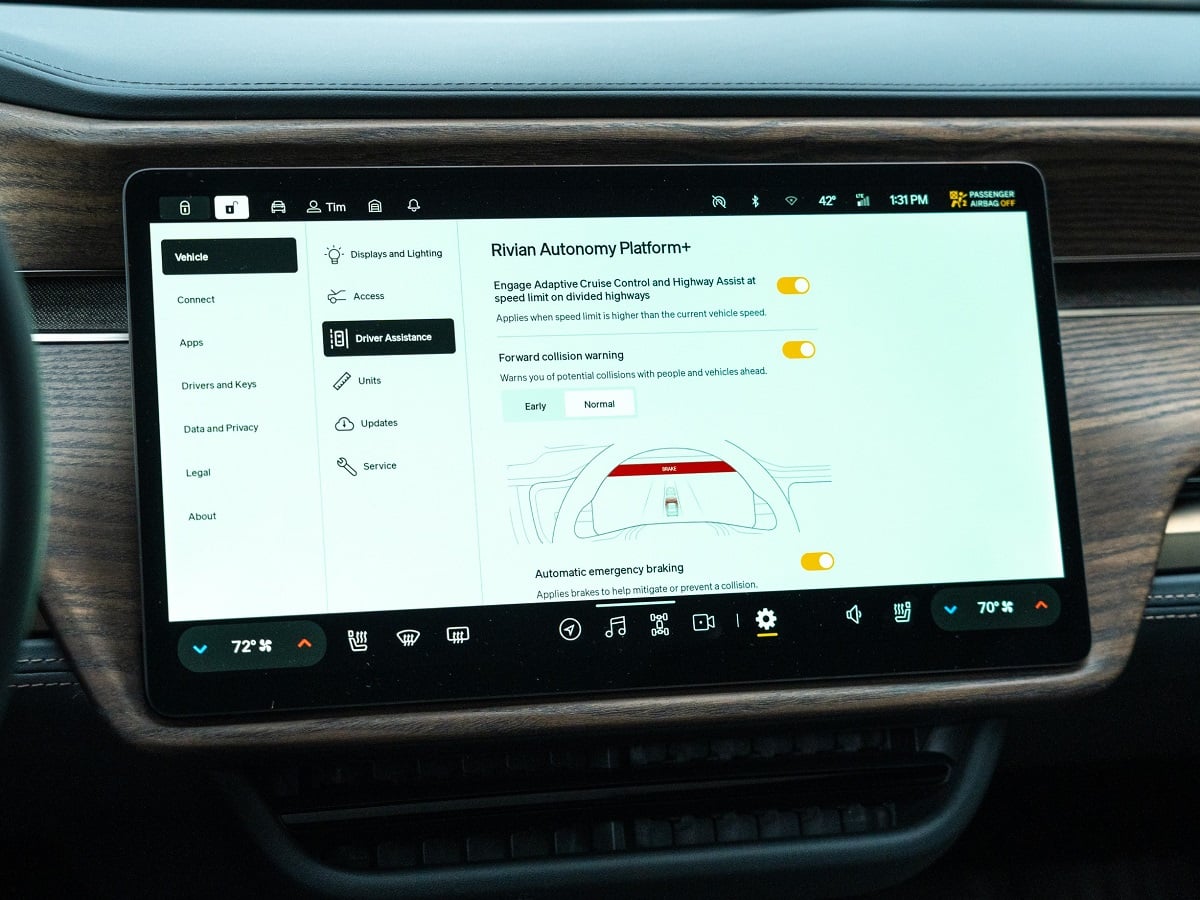
Photo: Tim Stevens
The R1S comes standard with Rivian's Autonomy Platform advanced driver assistance system, which includes:
On the highway, this makes for a very comprehensive experience. The lane centering assistance system keeps the SUV well-centered and can even automatically change lanes when prompted by a touch of the turn stalk. The R1S smoothly and capably manages its speed in traffic and ultimately inspires a lot of confidence.
Unfortunately, you lose much of that capability once you turn off the highway. The adaptive cruise still works, but the lane centering system is disabled. The R1S falls back to a much more basic lane departure warning system that applies corrections to steering only when the SUV has properly strayed over either line.

Photo: Tim Stevens
The Rivian R1S offers 17.6 cubic feet of cargo space behind the third row. The third and second rows fold flat, but Rivian does not quote storage figures in those configurations. Those needing a little more will find it up front: 11.1 cubic feet of storage under the frunk.
The R1S Tri is EPA-rated for 371 miles of range, but if you go for the lesser dual motor version with the "Max" battery pack, you can go as far as 410 miles on a charge. In my mixed winter weather testing, I averaged 2.2 miles per kilowatt-hour (kWh) for a theoretical maximum range of 308 miles from the 140 kWh Max battery pack. However, my testing was during a cold, rainy week, with temperatures hovering around 40 degrees Fahrenheit, which would dramatically negatively impact the range.
As of this writing, neither the National Highway Traffic Safety Administration (NHTSA) nor the Insurance Institute for Highway Safety (IIHS) has rated the crashworthiness of the second generation Rivian R1S.
The most attainable Rivian R1S is the Dual Standard model, which starts at $75,900. The next step is the Dual Motor model at $82,900. Then comes the Tri, the vehicle you see here, which starts at $105,900. Finally, there is the R1S Quad, which Rivian has announced but has not yet priced.
All prices exclude the $1,800 destination charge to ship the R1S from Rivian's Normal, IL, factory to you. None of the R1S models are currently eligible for the federal tax credit.
In the JD Power 2024 Initial Quality Study (IQS), the Cadillac XT6 ranks highest in the Upper Midsize Premium SUV segment. The Porsche Cayenne and the Genesis GV80 are the next highest-ranked models.
In the JD Power 2024 Automotive Performance, Execution and Layout (APEAL) Study, the BMW iX ranks highest in the Upper Midsize Premium SUV segment. The BMW X6 and the Land Rover Range Rover Sport rank second (in a tie).
Other 2025 Rivian R1S competitors include the Kia EV9 SUV, which also offers seating for seven in a much more family friendly package with a far more attainable price. Volvo's upcoming EX90 similarly seats seven and offers a far more engaging drive and aesthetics, with an $80,000-plus manufacturer’s suggested retail price to match. However, neither can touch the R1S regarding performance, particularly off-road.

Photo: Tim Stevens
The Rivian R1S has always been one of those SUVs that enchants and immediately inspires thoughts of adventure, as many good vehicles do. While the revisions in this second generation model do not change the formula, the new R1S is even more capable and accessible than before. Its premium price means it is not a fit for every family, but it is a desirable choice for anyone.
Tim Stevens is a veteran automotive and technology journalist with over 25 years of experience covering everything from smartphones to supercars. In addition to JDPower.com, his expert perspectives have appeared in numerous national and international outlets, including print, online, and broadcast television.


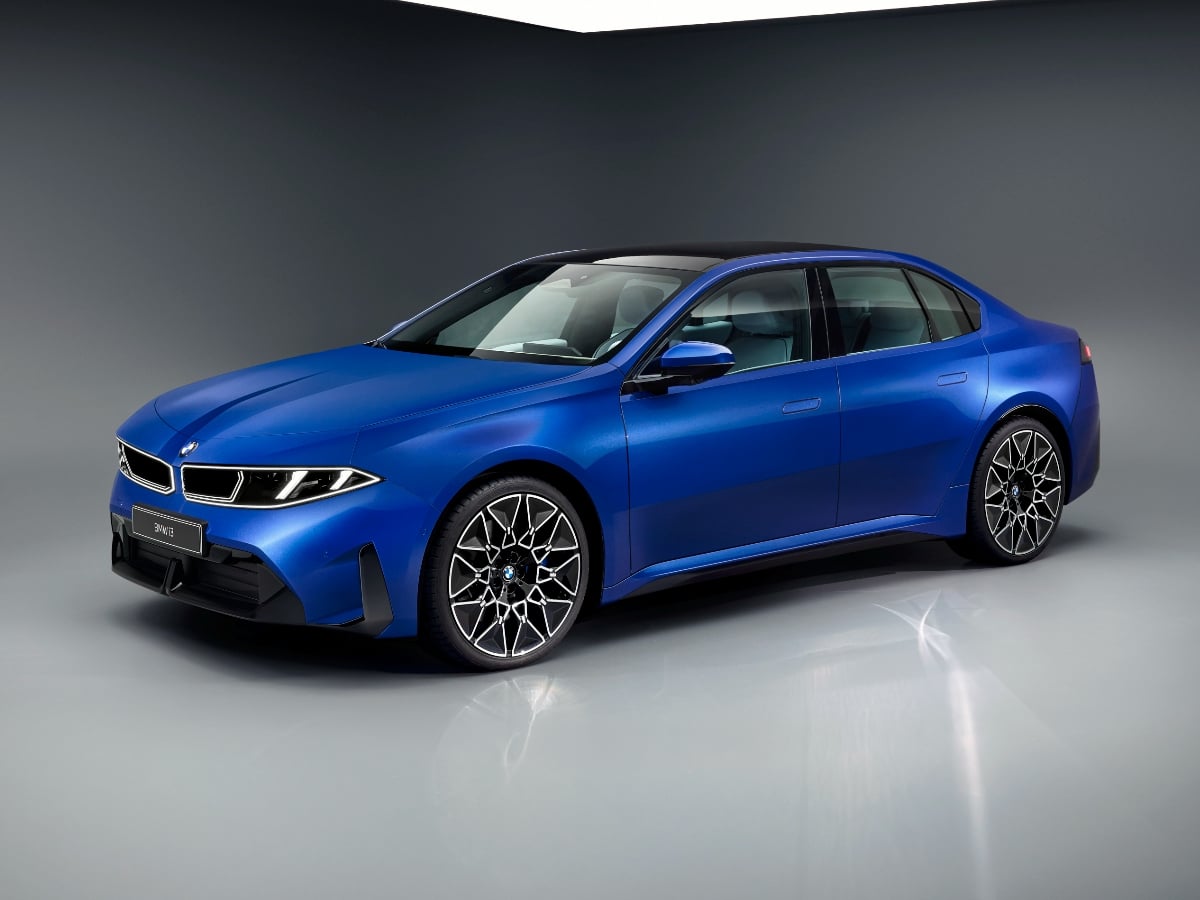
The new 2027 BMW i3 boasts an estimated range of up to 440 miles, 400-kilowatt DC fast charging capability, bidirectional charging to a home or the grid, and next-generation technology.
Read the Full Article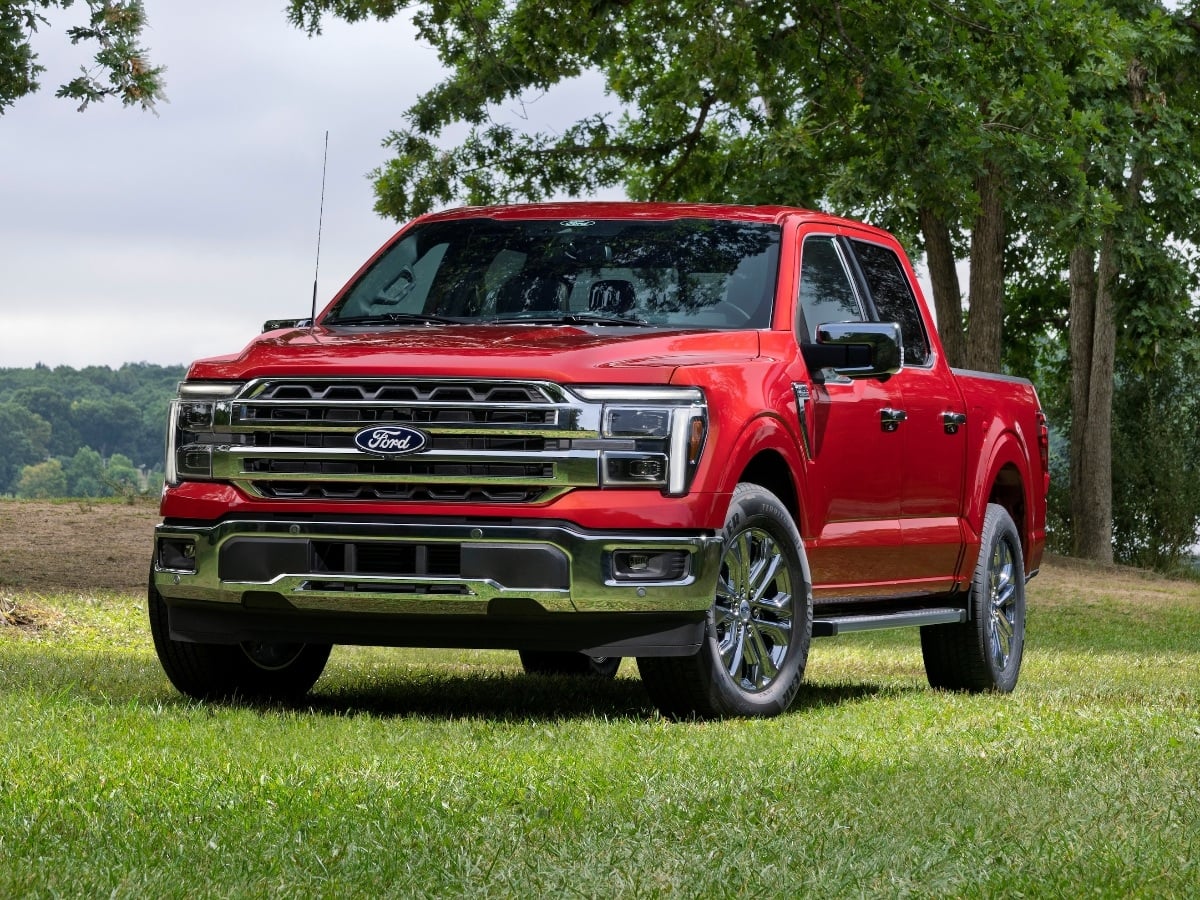
Facing renewed competition in the full-size, light duty pickup truck segment, the 2027 Ford F-150 receives subtle styling updates, a new standard engine, broader availability of its 5.0-liter V8, and ...See More
Read the Full Article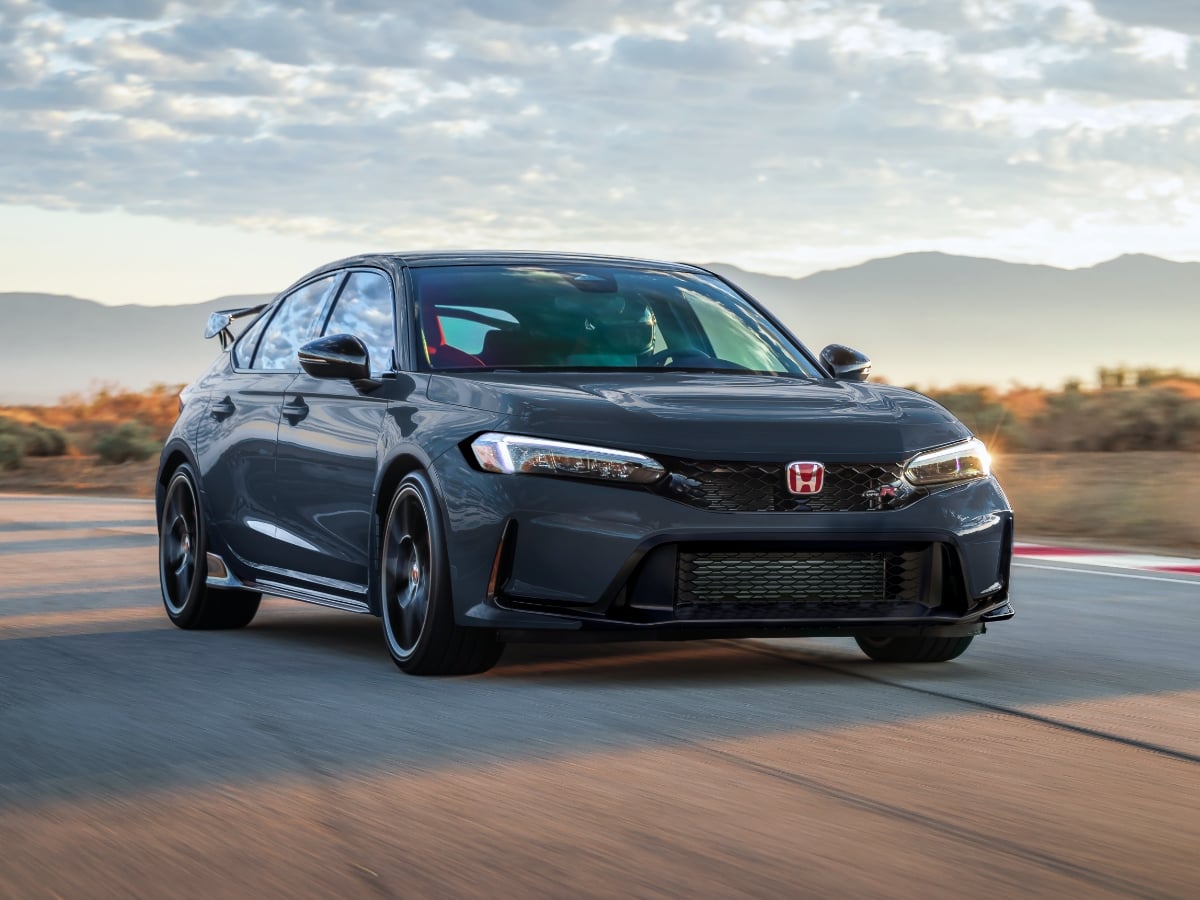
The 2027 Civic Type R goes on sale in October 2026, and it starts at $49,990, including the $1,295 destination charge.
Read the Full Article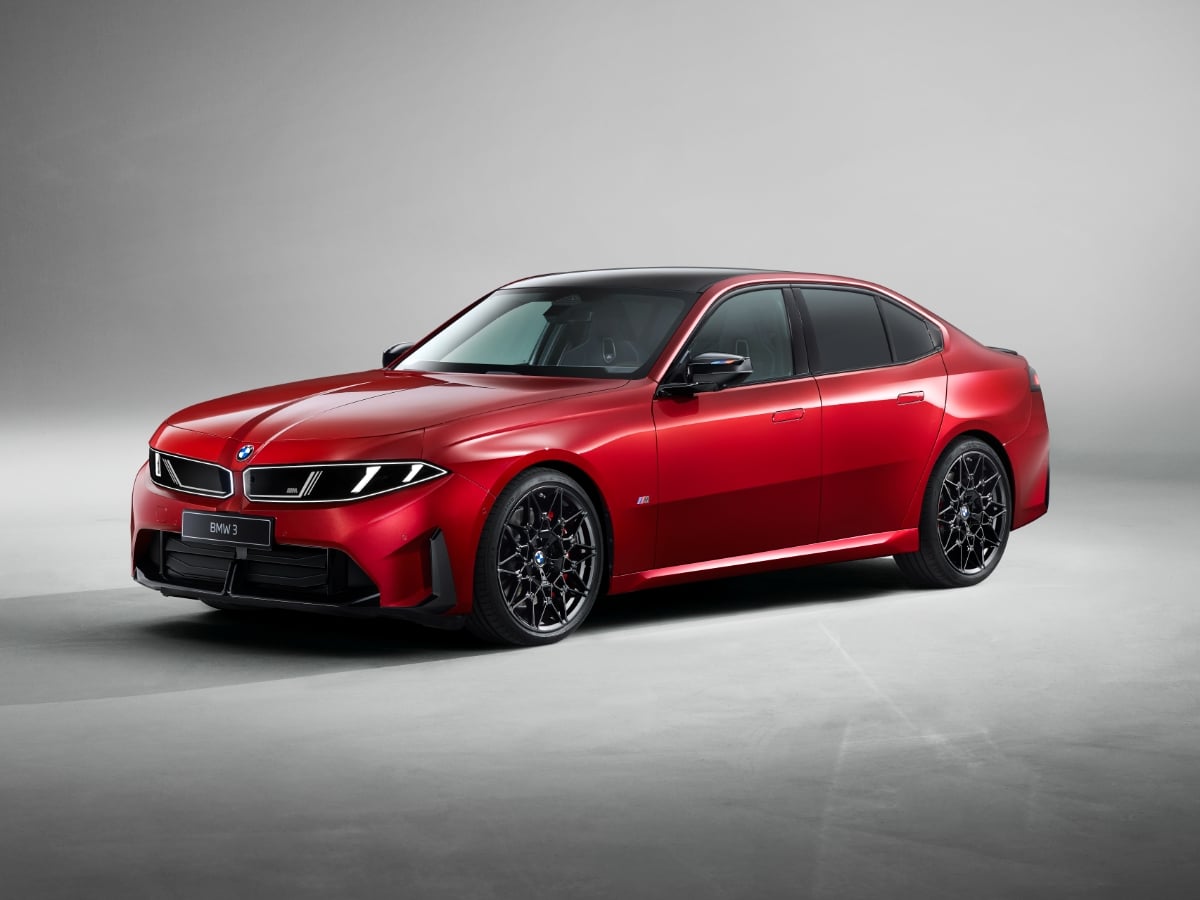
Part of BMW’s Neue Klasse (new class) rollout of redesigned models, the 2027 BMW 3 Series is all-new and goes on sale in the first quarter of 2027.
Read the Full Article