
Customers' major worry when it comes to electric cars is their charging. Running out of battery in the middle of a lengthy road journey is the scariest possible case. You might have checked your choices and wondered if a Supercharger or a Destination charger would be a better option for charging your Tesla.

Tesla owners who don't want to rely on a Supercharger can use the alternate charging method known as Tesla Destination Charging. Tesla neither owns nor operates these chargers. Instead, the people who own the buildings where they are placed are responsible for their ownership and maintenance.
A Tesla Destination Charger enables you to charge your Tesla when you are not present. They are situated in hotel parking lots, allowing Tesla owners to charge their vehicles effectively.
Using the Tesla app, drivers can check the availability of parking spaces nearby. Drivers can also keep track of their charging progress or receive alerts telling them when it's time to start charging. Tesla provides a detailed map of all Destination Charger locations when charging is available.
The Supercharger, the fastest method to charge your Tesla, is the center of Tesla's ultra-fast charging network. It first began in 2012. There are over 30,000 Superchargers in use right now.
In less than 30 minutes, superchargers can fully charge your vehicle from 10% to 80%. Superchargers will offer quick charging since they are connected to the grid. You should know that the battery can be put under a great deal of stress by this fast and powerful energy flow. As a result, you should only occasionally use a Supercharger to ensure the durability of your battery.
Each kW costs around $0.25. Therefore, a 150-mile charge will be about $11.
You should be aware of the following variations while choosing a Tesla Destination or Supercharger.
Destination Chargers are more common at hotels, diners, and other significant places since they recharge vehicles more slowly. The Supercharger network operates similarly to a local gas station. It is designed for Tesla owners to charge their cars as quickly as possible to return to the road. A Supercharger can be found on a highway or near a busy crossroads.
There used to be no such thing as a Supercharging fee. You will eventually need to pay for it due to recent changes. When you purchase a Tesla, you will receive a 400 kWh credit per year, which may provide up to 1,000 miles of driving range.
Supercharging costs vary depending on the Tesla model you drive and where you are. The actual cost of supercharging will also depend on several combined factors, including:
A Tesla costs usually between $14 and $17 to charge.
Tesla Destination Chargers, in contrast to Tesla Superchargers, are always free. To use the destination chargers, you must pay for other facility services.
Compared to destination chargers, Tesla Superchargers charge vehicles significantly faster. Superchargers charge batteries up to 80% using 450-volt power. Superchargers still need more time than fill up at a gas station, despite being faster than Destination Chargers. Vehicles may have to wait a while at Supercharger stations because they are frequently busy, particularly during winter.
In contrast, destination chargers require more than 12 hours to completely charge a Tesla, which results in longer wait times. A destination charger is useful if you're staying at a hotel or resort since you can leave the Tesla to charge overnight.
Destination Chargers supply the electric car with alternating current (AC), which is then transformed into direct current (DC). Tesla Superchargers speed up the charging process by immediately sending direct current to Tesla vehicles.
The internal navigation system of the electric car can be used to enhance Supercharging. By preconditioning the Tesla battery in this way, the Tesla electric car gets ready for charging. Therefore, the total charging time is decreased.
Teslas can be charged faster with V2, V3, and Urban Superchargers. The slowest version is the Urban Supercharger, which was released in 2017. The cable plug on a V2 Supercharger is air-cooled and larger, whereas the cable plug on a V3 Supercharger is liquid-cooled and smaller.
Meanwhile, all Destination Chargers employ a Tesla Wall Connector, which is Tesla's top suggestion for charging its electric vehicles. Each Wall Connector functions as a Level 2 charger for Teslas, setting them slowly but effectively using a big capacity 240-volt device.
Tesla Superchargers are available through their vast range of Supercharger stations. However, Tesla Destination Chargers are installed by charging partners, such as hotels, resorts, and other significant public spaces where people stay.
Depending on your driving patterns and where you are located, a Destination Charger or Supercharger can provide you with the comfort you want to make your driving experience enjoyable without spending too much time or money stressing over your Tesla.


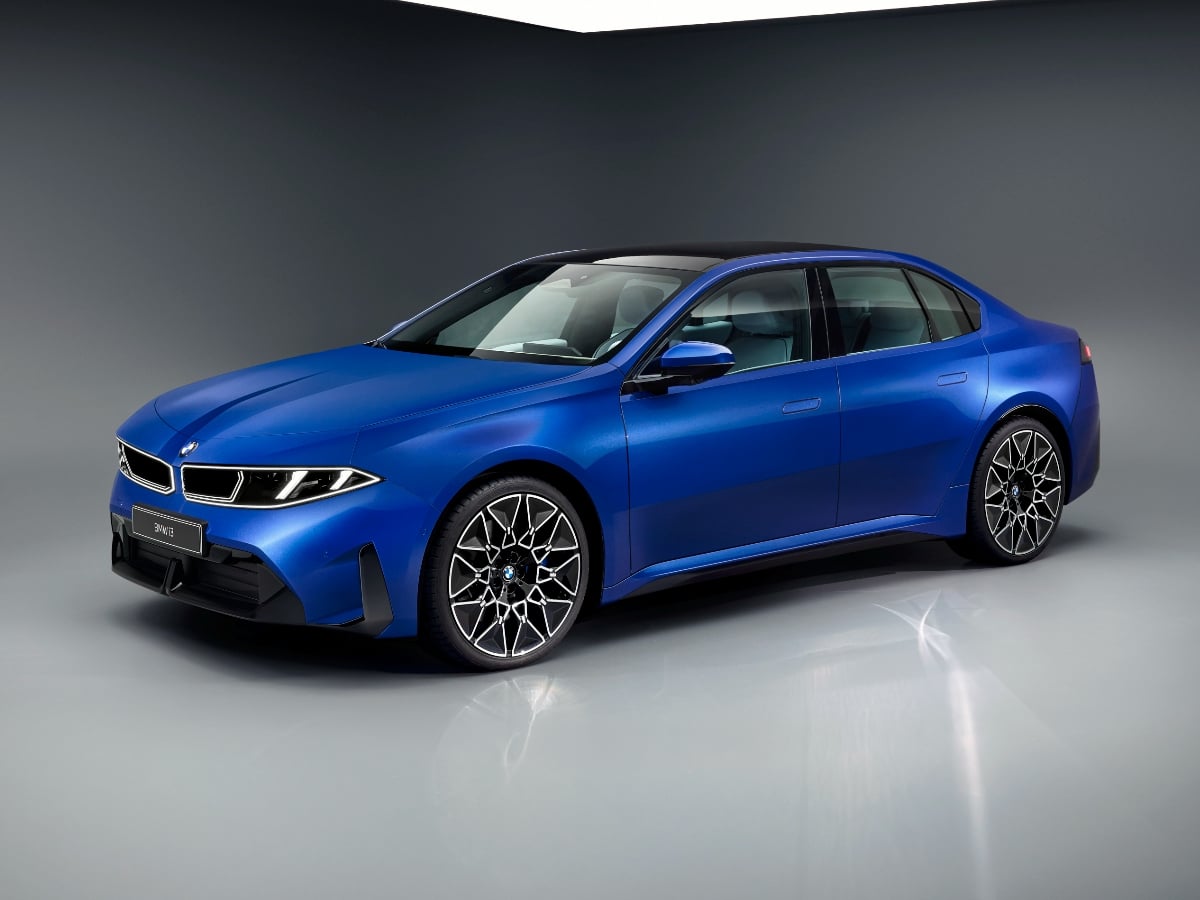
The new 2027 BMW i3 boasts an estimated range of up to 440 miles, 400-kilowatt DC fast charging capability, bidirectional charging to a home or the grid, and next-generation technology.
Read the Full Article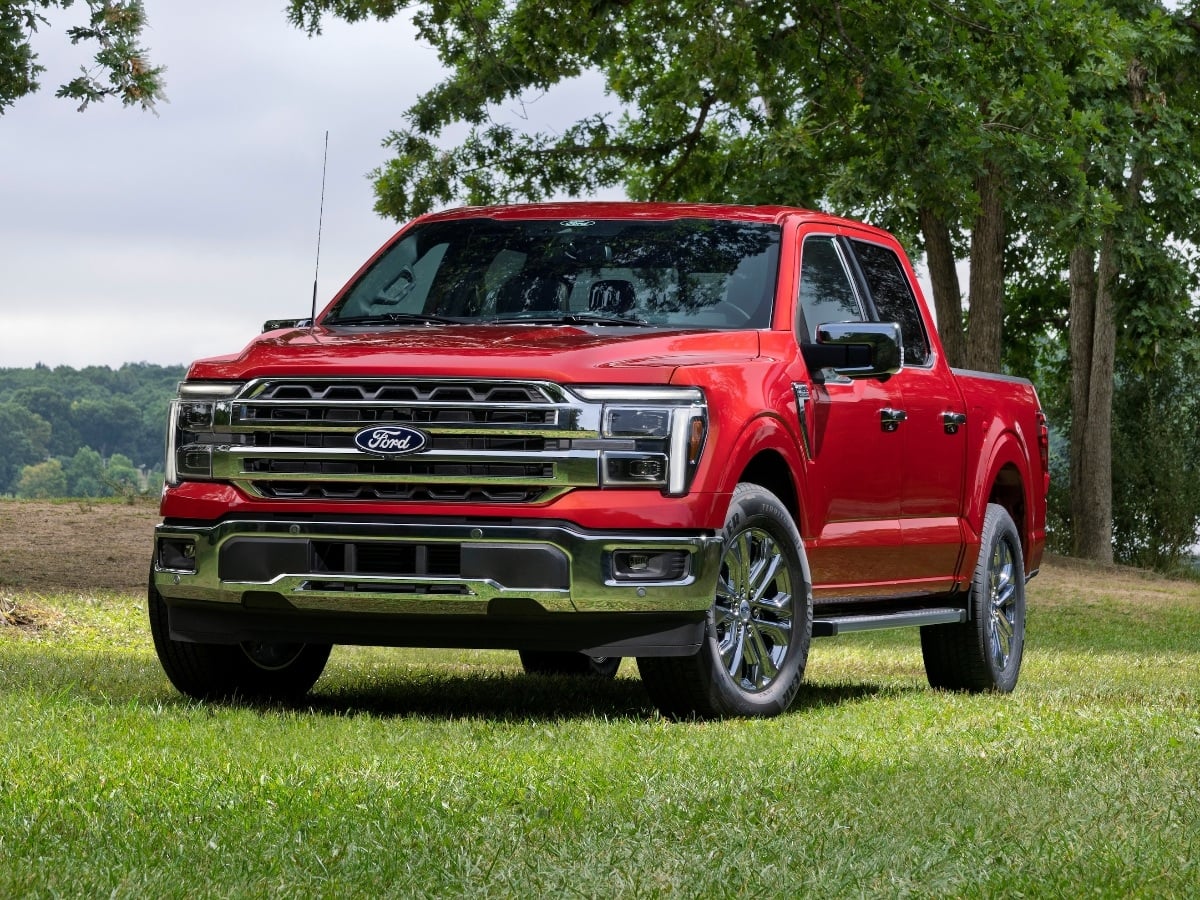
Facing renewed competition in the full-size, light duty pickup truck segment, the 2027 Ford F-150 receives subtle styling updates, a new standard engine, broader availability of its 5.0-liter V8, and ...See More
Read the Full Article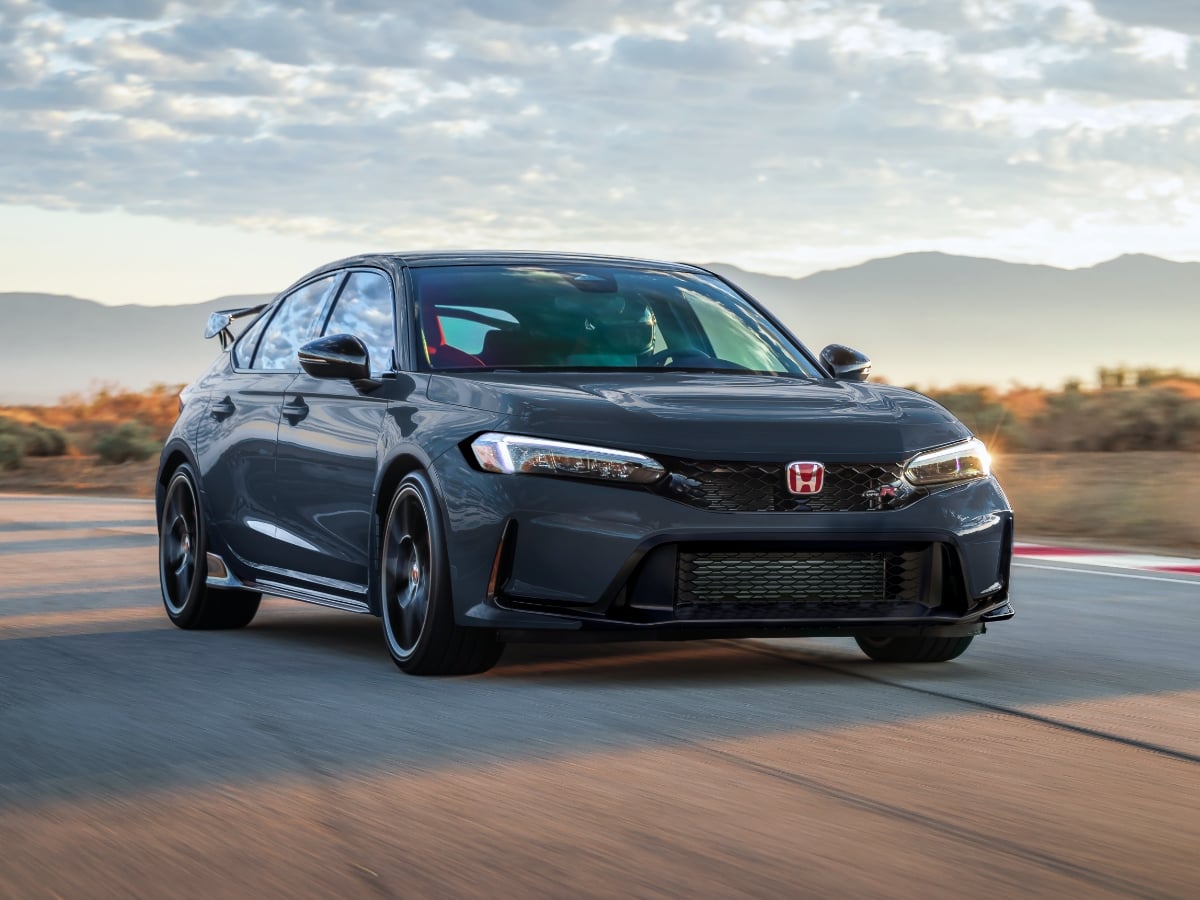
The 2027 Civic Type R goes on sale in October 2026, and it starts at $49,990, including the $1,295 destination charge.
Read the Full Article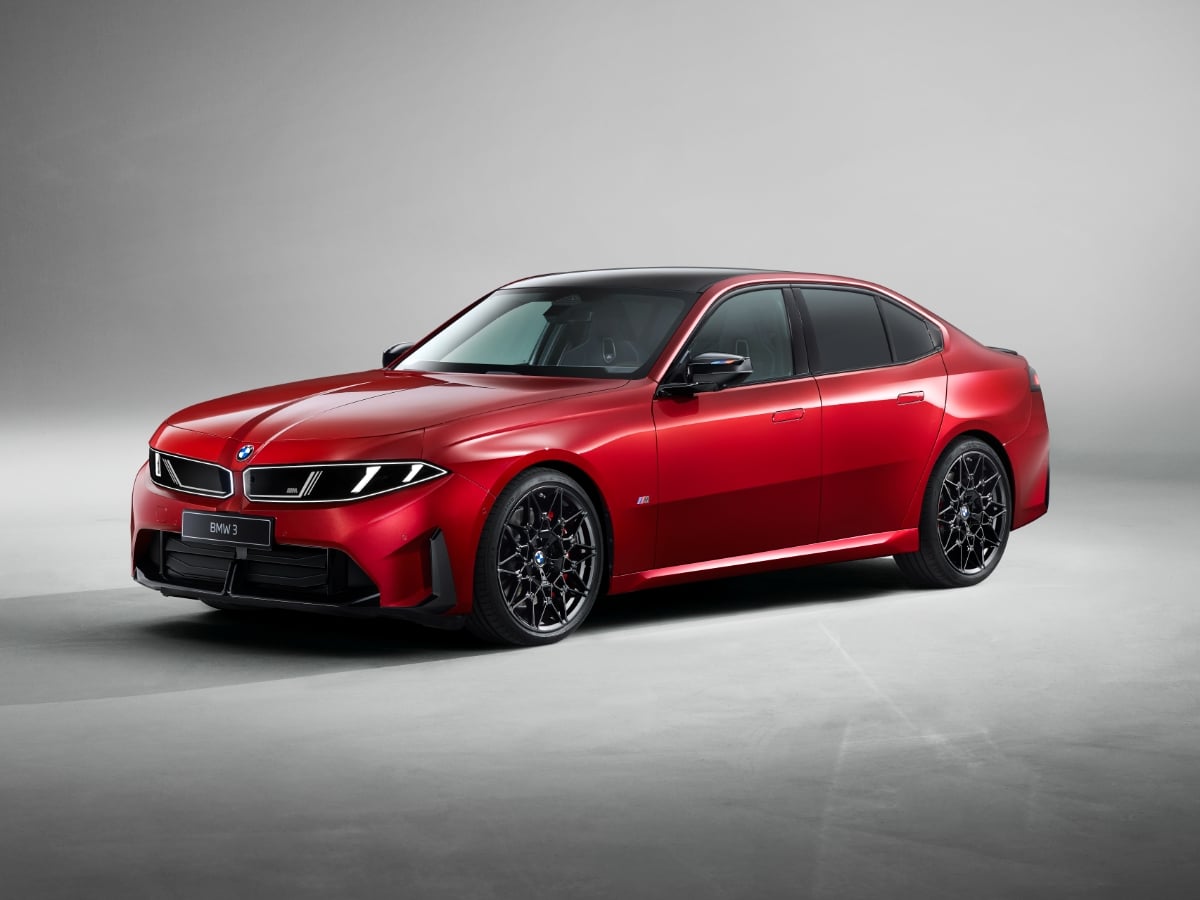
Part of BMW’s Neue Klasse (new class) rollout of redesigned models, the 2027 BMW 3 Series is all-new and goes on sale in the first quarter of 2027.
Read the Full Article