
The majority of vehicles sold today continue to use a conventional internal combustion engine (ICE), and whether you drive an ICE-equipped or hybrid vehicle, refueling an empty tank with gasoline or diesel takes a matter of minutes.

During the past decade, an influx of battery electric vehicles (BEV) have entered the market, and these vehicles require a different kind of fill-up. Electric vehicles (EV) and plug-in hybrid electric vehicles (PHEV) tap into the electric grid for power, and a socket-to-outlet connection is how you recharge (or “refuel”) the vehicle. Full EVs rely solely on this electricity as a power source. The PHEVs also have an ICE that can provide power.
Fuel cell electric vehicles (FCEV) are also BEVs but you never plug them in. Instead, they convert hydrogen fuel into electricity that powers their electric motors through battery packs. You refuel an FCEV at a pump that operates similar to those at a traditional gasoline or diesel station.
A Level 1 charging source is a run-of-mill 120-volt outlet that you find throughout your home and garage. Every new PHEV and EV is equipped to plug into these basic wall outlets, and most PHEVs can recharge overnight using one. But this solution is not ideal for an EV because Level 1 charging will recharge a battery at a rate of 2 to 5 miles of range per hour of charging based on the 3 to 6 kW of electricity the average wall socket supplies.
Level 2 chargers are the most common type found at public charging stations and are recommended for installation at home if you buy an EV. Using a 240-volt outlet, charging times vary based on kW but Level 2 is far more expedient compared to wall outlet. Using this type of charger, EVs and PHEVs soak up a minimum of about 24 miles of range per hour. At this rate, a PHEV recharges in a couple of hours while an EV will typically need 12 hours or more.
Rapid chargers, DC fast chargers, and Tesla Superchargers fall under the Level 3 category. When using a Level 3 charger, you can recharge an EV to 80% of battery capacity within an hour.
There are three ways to charge an EV or PHEV. You can plug the vehicle in to a standard Level 1 household wall outlet. You can plug the vehicle in to a Level 2 home charging station that uses a more powerful 240-volt outlet similar to what’s necessary for some home appliances. Or you can use a public charging station that provides Level 2 or Level 3 service.
Unlike with a smartphone, which can be plugged into the any standard wall outlet for recharging because all device manufacturers use a standardized plug for charging, EVs have specific types of connectors. When you use a public charging station, you need to know what kind of a charger is compatible with your vehicle before you arrive.
For 240-volt AC home or public charging, the SAE J1772 connector type is the most common. For Level 3 DC fast charging, vehicles typically use a Combined Charging System (CCS) connector or, less commonly, a CHAdeMO connector. Teslas have their own design that is compatible with the company’s public Supercharger network and its proprietary home charging stations.
Once you’re parked and ready to connect, the charging station might be free to use, or it might require payment via credit card or a smartphone app through which you’ve set up an account. Free chargers are easy to use. Paid chargers require a specific process in order to use them, not unlike the differences between gasoline pumps when you’re paying by credit card and activating the pump.
Level 1 charging is easy and won’t cost anything extra aside from the electricity but is so slow to recharge a battery that it’s suitable only for PHEVs.
Level 2 charging stations can often be used for free at various locations, such as shopping centers and public works buildings. However, you must leave home or work to use them, and for an EV it can take many hours to recharge a battery. Better to pay for a Level 2 home-charging station and have it installed along with any necessary electrical upgrades that your home may require to support it.
Level 3 chargers are publicly available but require payment which, depending on your need for speed, can be expensive, especially if you swipe a credit card occasionally as opposed to signing up for a network subscription plan like those offered by Electrify America and EVgo. Nevertheless, the added cost is likely worth it, as Level 3 is the quickest way to recharge an EV so you can get back on the road.


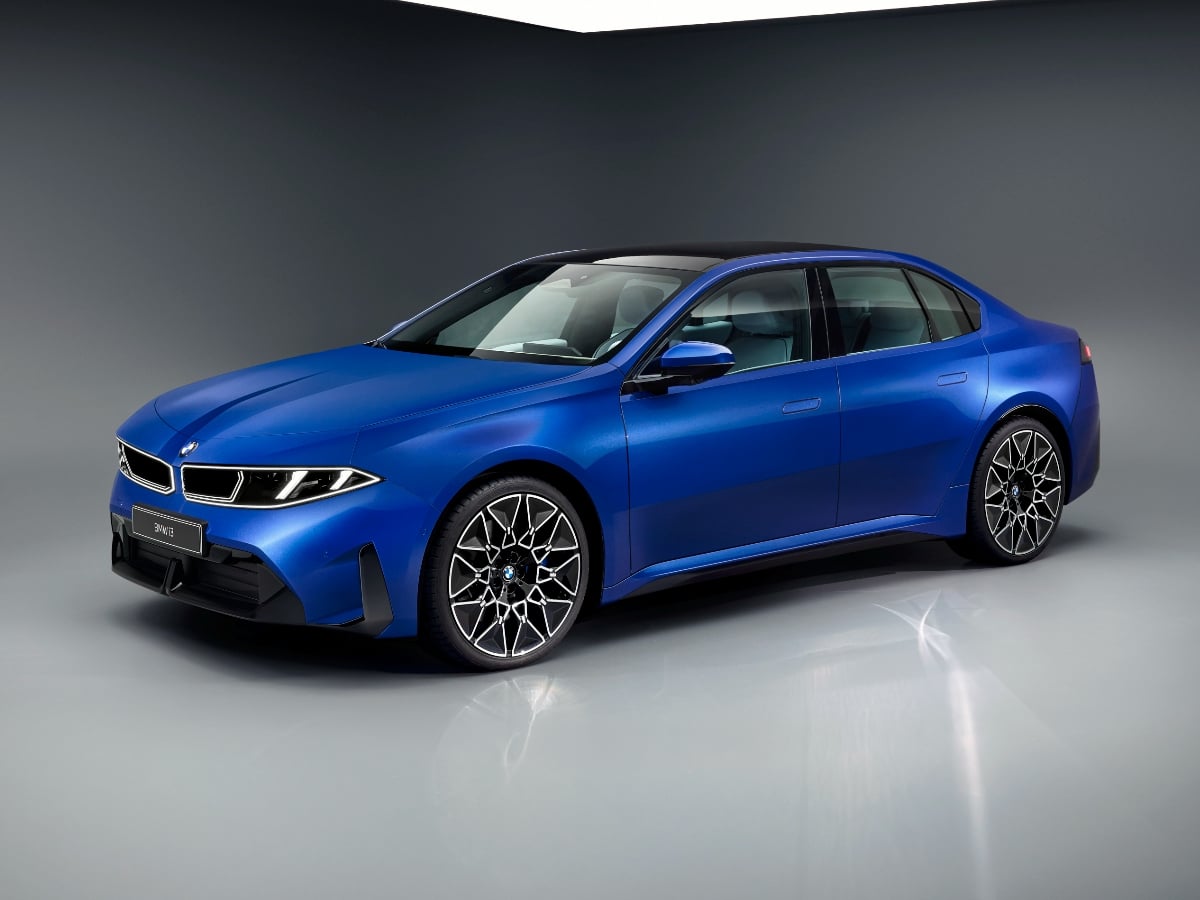
The new 2027 BMW i3 boasts an estimated range of up to 440 miles, 400-kilowatt DC fast charging capability, bidirectional charging to a home or the grid, and next-generation technology.
Read the Full Article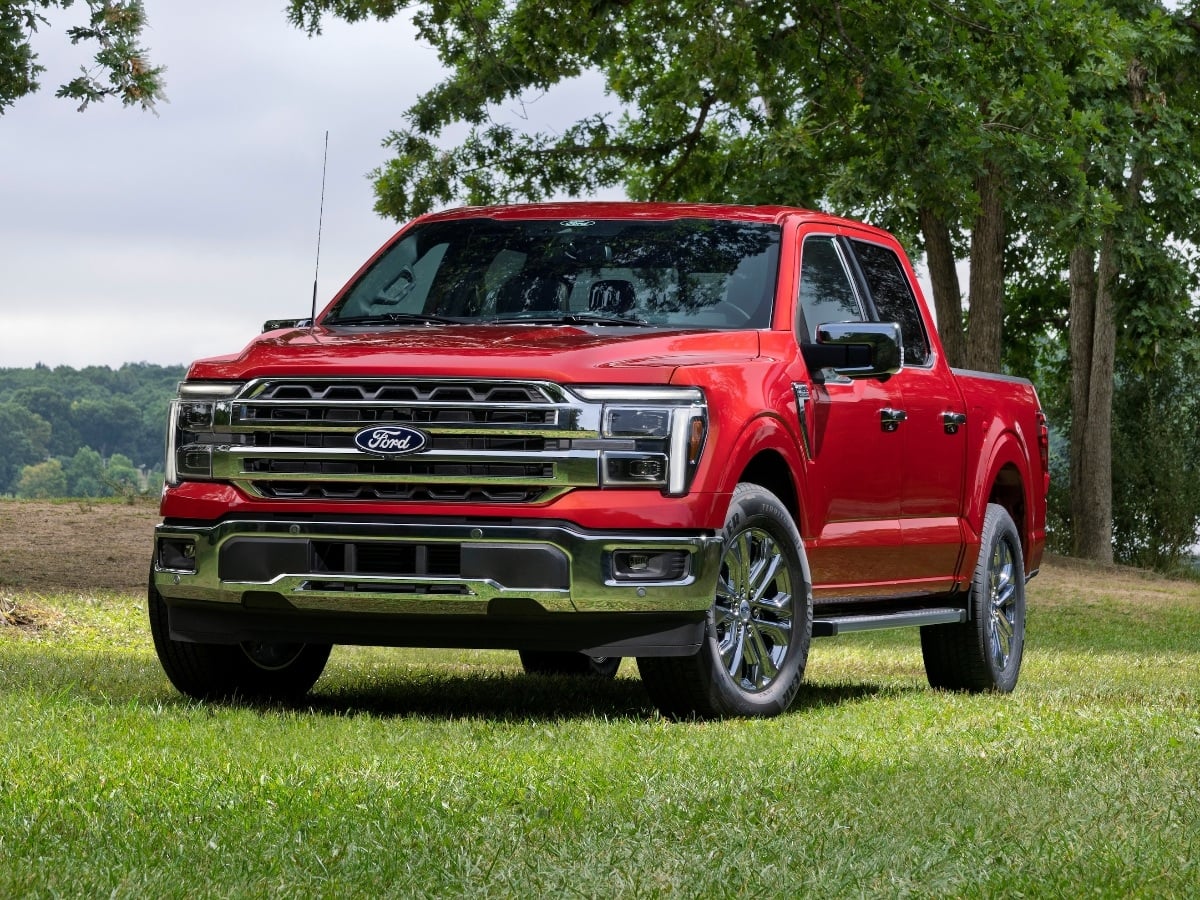
Facing renewed competition in the full-size, light duty pickup truck segment, the 2027 Ford F-150 receives subtle styling updates, a new standard engine, broader availability of its 5.0-liter V8, and ...See More
Read the Full Article
The 2027 Civic Type R goes on sale in October 2026, and it starts at $49,990, including the $1,295 destination charge.
Read the Full Article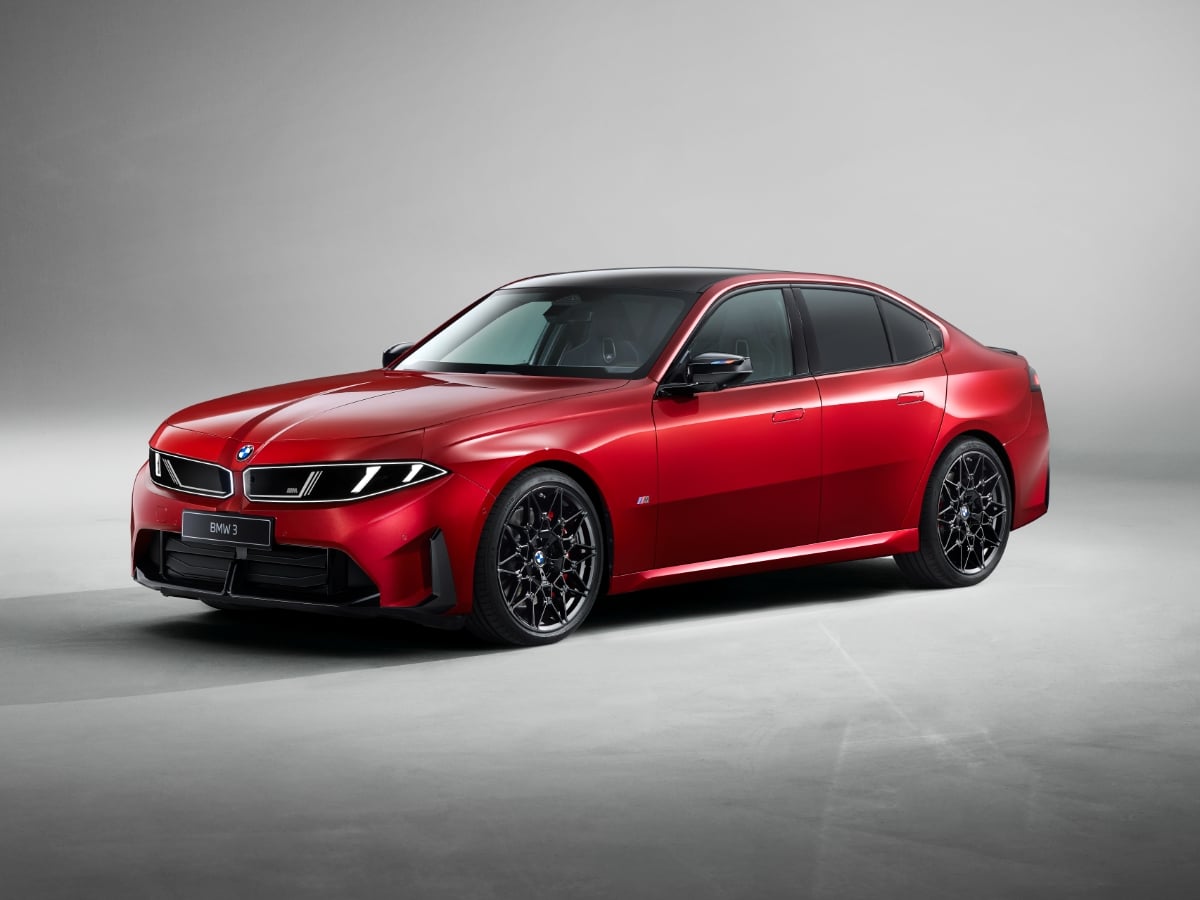
Part of BMW’s Neue Klasse (new class) rollout of redesigned models, the 2027 BMW 3 Series is all-new and goes on sale in the first quarter of 2027.
Read the Full Article