
The Chevrolet Blazer EV is General Motors’ (GM) best and most apples-to-apples answer to the biggest electric vehicle (EV) segment: midsize crossover SUVs. Its prices, dimensions, and power output should put it on the same shopping list as the Ford Mustang Mach-E, Hyundai Ioniq 5, Kia EV6, and Tesla Model Y. Its compelling technology, family-friendly space, and not-so-weird design could also make it more palatable for those who are a bit weary of EVs.

Photo: James Riswick
For its second full year, the LT and RS trim levels now come standard with front-wheel drive (FWD) rather than dual-motor all-wheel drive (AWD). The base LT trim (versus the 2LT already on sale) also arrives. Meanwhile, the high-powered SS trim will come later in the 2025 model year. Otherwise, the 2025 Blazer EV is unchanged from the 2024 model, apart from some minor equipment shuffling between the standard and optional features lists.
To sum it up, the Blazer EV lineup now consists of LT, 2LT, 3LT, 2RS, and 3RS trim levels, although those names aren’t necessarily what you’ll see on a window sticker (the 2LT, for instance, shows up as the Comfort and Convenience package). There’s also the new, high-performance SS coming later in the year. Prices range from the mid $40,000s to the low $60,000s, and the $7,500 federal tax credit does apply.
For this review of the 2025 Blazer EV, Chevrolet provided a test vehicle equipped with LT trim and the following options:
Although Super Cruise costs more, the 2LT package is the big ticket here. Its additions include Evotex simulated leather upholstery, heated power front seats (more on that later), a heated steering wheel, wireless phone charging, and a hands-free power liftgate.
The test vehicle’s price was $58,030, including the $1,395 destination charge to ship the SUV to your local dealership from the Chevrolet assembly plant in Ramos Arizpe, Mexico.
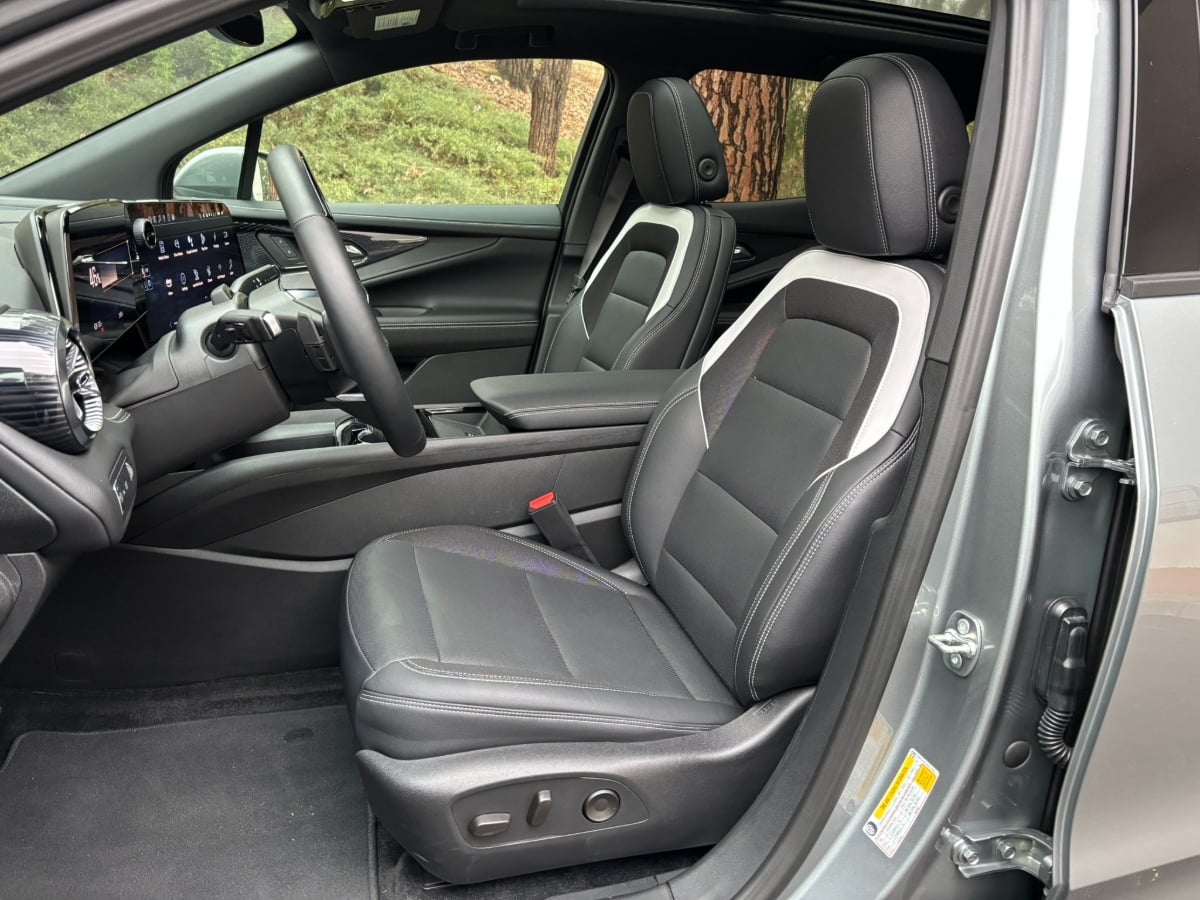
Photo: James Riswick
The Blazer EV’s front seats are flat, but their firm cushion (wrapped in convincing Evotex simulated leather) provides sufficient comfort and support during longer drives. The driver-seat adjustment range is greater than I needed, which is a rarity as I’m 6-foot-3.
More impressive, though, is the amount of back-seat space that remains even with the front seat pushed nearly all the way back. A 6-foot-tall rear passenger’s legs weren’t remotely close to my seatback. Moreover, the Blazer EV’s generous width allowed two adults to comfortably sit on either side of a full-size convertible child seat in the middle. Family-friendly? Very.
Thankfully, the Blazer EV doesn’t overly rely on its touchscreen for vehicle controls. Sure, some folks are irked by having to access the headlights from a permanently docked touchscreen icon, but there are physical climate controls, stalks on the steering wheel (for turn signals, wipers, and shifting), and steering wheel buttons. It doesn’t look or feel alien.
That said, I couldn’t find the heated seat controls. There’s a button on the steering wheel to activate its heated element, but I couldn’t find a heated seat button on the dashboard or a virtual button in a touchscreen menu. I assumed the car didn’t have heated seats, but the window sticker says they should be there. Be it a faulty design or a window sticker typo, something’s amiss.
Interior storage is exceptional. The cupholders and door bottle holders easily swallowed my 750-milliliter, wine-bottle-sized water bottle, while storage for other items in the center console is substantial. A wireless charge pad kept my phone in place and didn’t overheat it. There’s another, deeper bin with two USB-C ports (suitable for sunglasses) and yet another shallower bin forward of that. There’s also a sizeable under-armrest bin. Go ahead, bring your doodads.
Finally, the Blazer EV impresses with its build and materials quality. The dashboard, doors, and center console are padded, and they look and feel premium. The round air vents look excellent, and their fluid movement makes you want to adjust airflow more than is necessary.
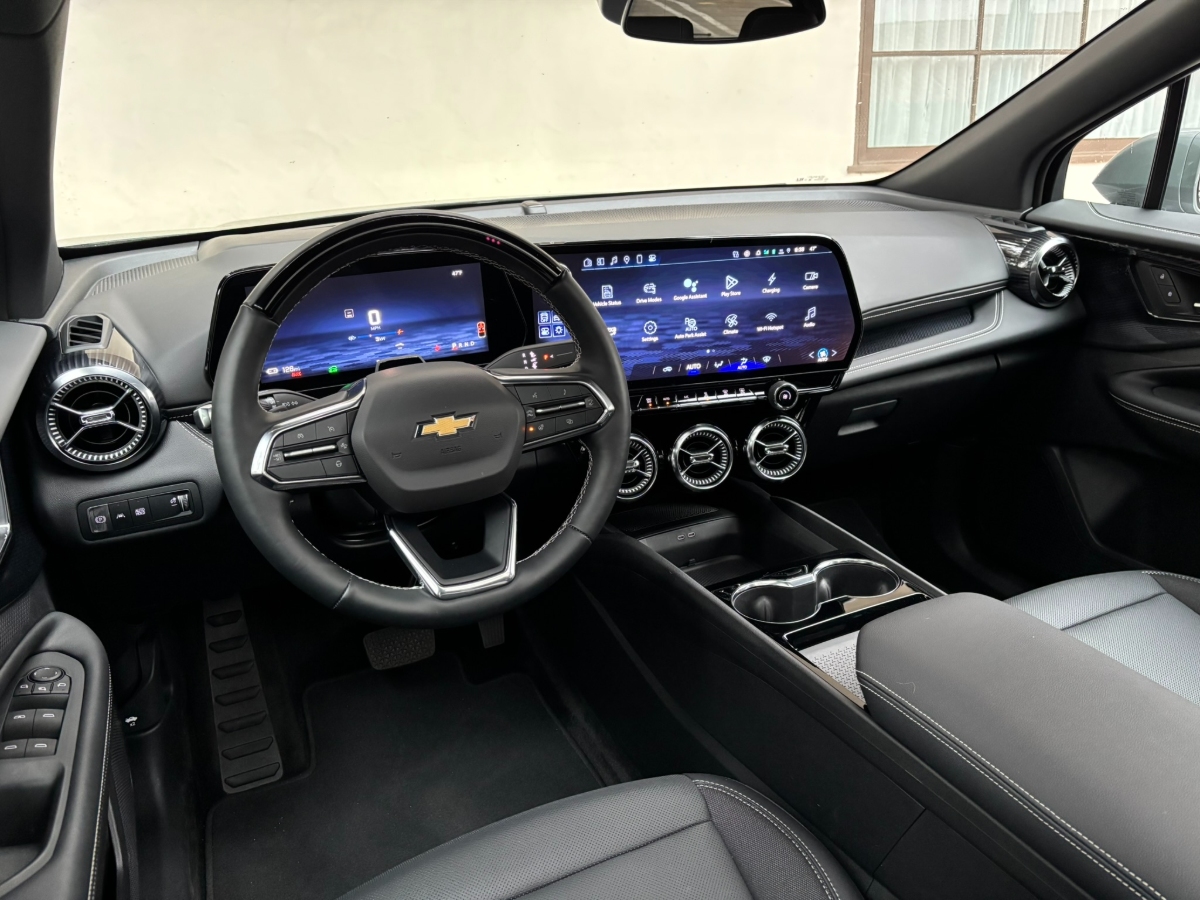
Photo: James Riswick
The standard infotainment system in the 2025 Chevrolet Blazer EV includes the following items:
Two items typically standard in new vehicles are missing from the list: Apple CarPlay and Android Auto. Having Google Built-in reduces the pain of those omissions, especially for Android users, but leaving them out is still a perplexing decision.
The integrated Google Maps functionality is vastly superior to what you’d stream from your phone—specifically, the graphics, ability to search, and pinch-and-zoom capability. I could also text using my voice and select a stored song on my Bluetooth-connected phone. Owners of older cars (or Teslas) may think nothing of this and might even consider it an improvement.
That said, I had to use my actual iPhone to call up a podcast. While there are podcast apps available within the included Google Play Store, that would require switching apps on your phone too. The Google Assistant voice controls are also limited. They’re great for interacting with Google Maps (it nailed all my POI and destination tests), but they couldn’t select a SiriusXM channel or control non-Google systems.
In general, though, the Blazer EV’s infotainment system is user-friendly and was free from the crippling bugs that caused a stop-sale a year ago. Functionally, I appreciated the permanently docked menu icons at the top of the screen and the configurable Home screen. GM also hasn’t tried to reinvent the radio interface; you can still see your channel favorites list, the current song name, and album art on the same screen.
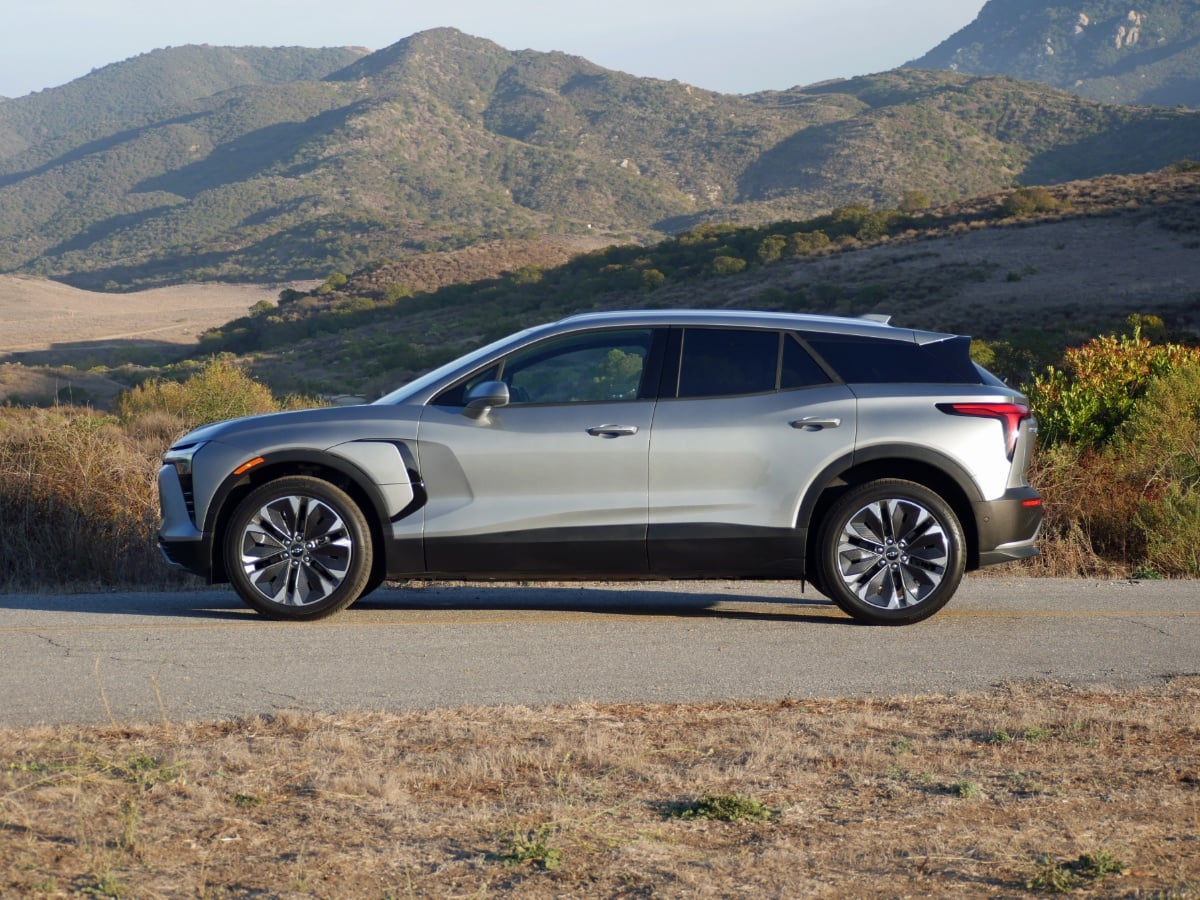
Photo: James Riswick
Although the Blazer EV is available with FWD for 2025, my LT test vehicle had the same dual-motor AWD powertrain I previously sampled in the RS trim level. It also had optional 21-inch wheels, which come standard on the RS. As a result, the LT and RS drove exactly the same as far as I was concerned. The latter’s sportier looks are just for show.
The presence of AWD not only provides more power (288 horsepower and 333 pound-feet of torque) than the FWD version but also prevents the torque steer that plagued the FWD Chevrolet Equinox EV I tested. The two share the same Ultium EV architecture and many components. Their eAWD power output is even the same.
Moving beyond those comparisons, acceleration isn’t of the neck-snapping variety from a stop. Perhaps you may get that with the future Blazer EV SS, but Chevrolet also seems to have tuned the Blazer EV to be forgiving and “normal” to drive. Its immediate torque is instead more noticeable and appreciated during highway passing. Just tickle the throttle and, bang, you’re gone.
In total, though, the Blazer EV is less enjoyable to drive than the Hyundai Ioniq 5, Kia EV6, and Ford Mustang Mach-E. The steering is numb and very artificial-feeling. Body motions are controlled well enough around corners and over bumps, but this big, heavy vehicle feels as big and heavy as it is. The word “ponderous” comes to mind. On the other hand, I found the ride to be better than the Equinox EV’s, despite riding on 21-inch wheels.
Like most other EVs, the Blazer offers multiple regenerative braking modes but stands out with two one-pedal drive modes. I found the heavier of the two only appropriate for gridlock traffic (using it elsewhere caused constant subtle fore-aft body motions that can make passengers sick), but Normal was well-suited to providing a smooth, natural driving experience. A steering wheel paddle can also increase regenerative braking on demand.
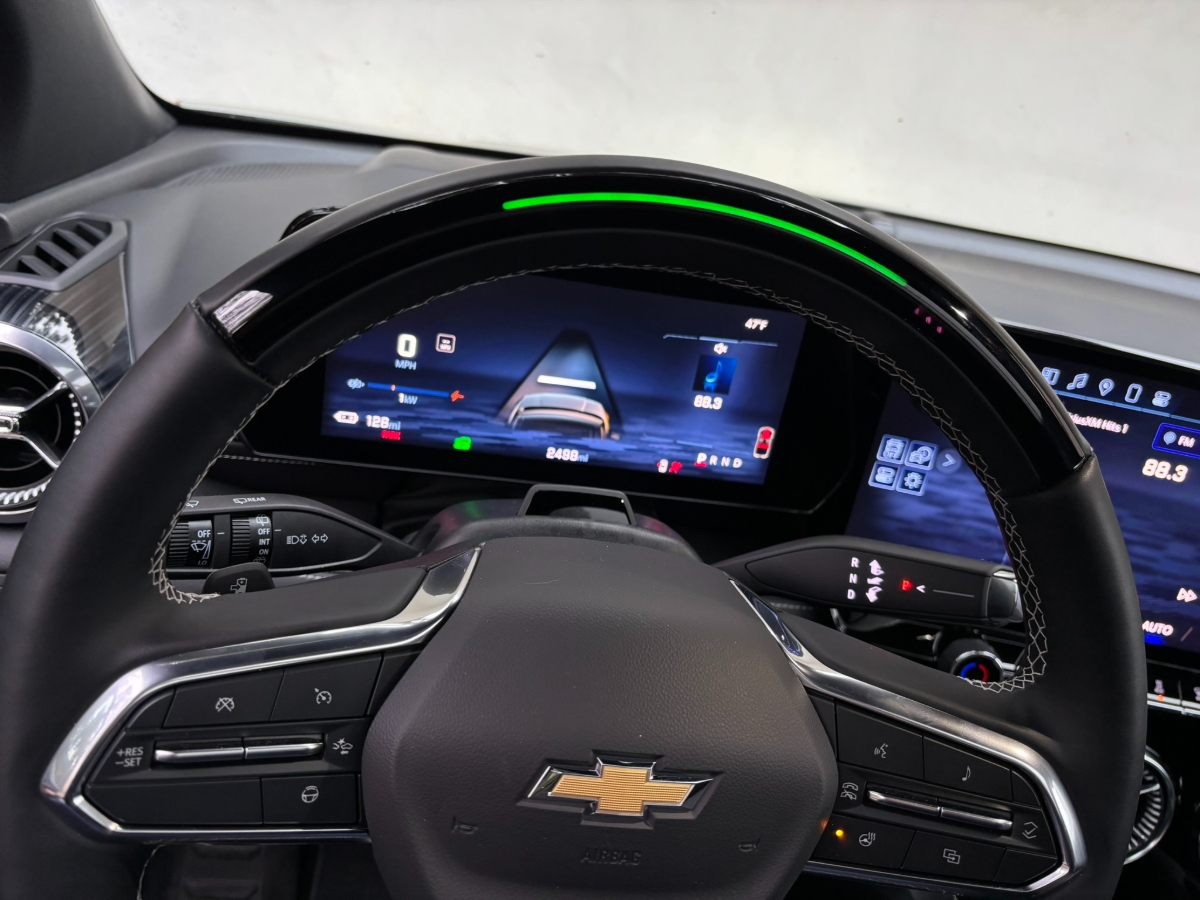
Photo: James Riswick
The 2025 Blazer EV comes standard with the Chevy Safety Assist suite of advanced driver assistance systems (ADAS). The package includes:
This ADAS collection worked well, especially the lane-keeping assistance that didn’t beep, buzz, or jerk the wheels whenever I came within a foot of a line. It also didn’t suffer the same false-alarm rear automatic braking issue as the Equinox EV I tested.
This Blazer EV came with the $3,255 Super Cruise package (besides the obvious, it includes an automated parking system). The Super Cruise hands-free highway driving system was as impressive as always. I used it extensively on a busy, high-speed, many-lane, twisting-and-turning, elevation-changing stretch of Interstate 5 north of Los Angeles, and it worked without issue.
Super Cruise’s auto lane-change capability isn’t as well-suited to such many-laned highways, so I turned it off in that instance (there are just too many variables), but the system can also change lanes after flicking the signal stalk. You can also do it the old-fashioned way.

Photo: James Riswick
As impressive as the Blazer EV’s back seat is, the cargo area disappoints. On paper and in my real-world testing, it’s smaller than what you get in the Equinox EV as well as the Ford Mustang Mach-E and Volkswagen ID.4. Its 25.8 cubic feet is also more in line with various subcompact SUVs.
The Blazer EV does not have a frunk, but there is a deep and wide storage area under the cargo area floor and a dedicated space for the charge cord.
The Environmental Protection Agency (EPA) estimates the Blazer EV to return 36 kilowatt-hours (kWh) per 100 miles of driving with the dual-motor AWD system. That equates to 2.78 miles per kWh. I averaged 3 miles per kWh in 182 miles of driving, much of which occurred on the highway. Accordingly, I probably would have exceeded the Blazer EV eAWD’s EPA-estimated 283 miles of range.
The National Highway Traffic Safety Administration (NHTSA) gave the Blazer EV eAWD perfect five-star ratings for overall, frontal, and side crash protection. It received four out of five stars for rollover resistance. As of this writing, the Insurance Institute for Highway Safety (IIHS) has not rated the crashworthiness of the 2025 Chevrolet Blazer EV.
Pricing for the entire 2025 Blazer EV range was not available at the time of this writing. For those versions presently available, prices range from $44,600 for a base LT to $61,095 for the Blazer EV SS. These prices do not include the mandatory $1,395 destination charge nor the $7,500 federal tax credit.
In the JD Power 2024 Initial Quality Study (IQS), the Nissan Murano ranks highest in the Midsize SUV segment. The gas-powered Chevrolet Blazer and Ford Edge are the next highest-ranked models.
In the JD Power 2024 Automotive Performance, Execution, and Layout (APEAL) Study, the Hyundai Santa Fe ranks highest in the Midsize SUV segment. The Nissan Murano and gas-powered Chevrolet Blazer are the next highest-ranked models.
Other 2025 Blazer EV competitors include the Ford Mustang Mach-E, Honda Prologue, Hyundai Ioniq 5, Kia EV6, and Tesla Model Y.
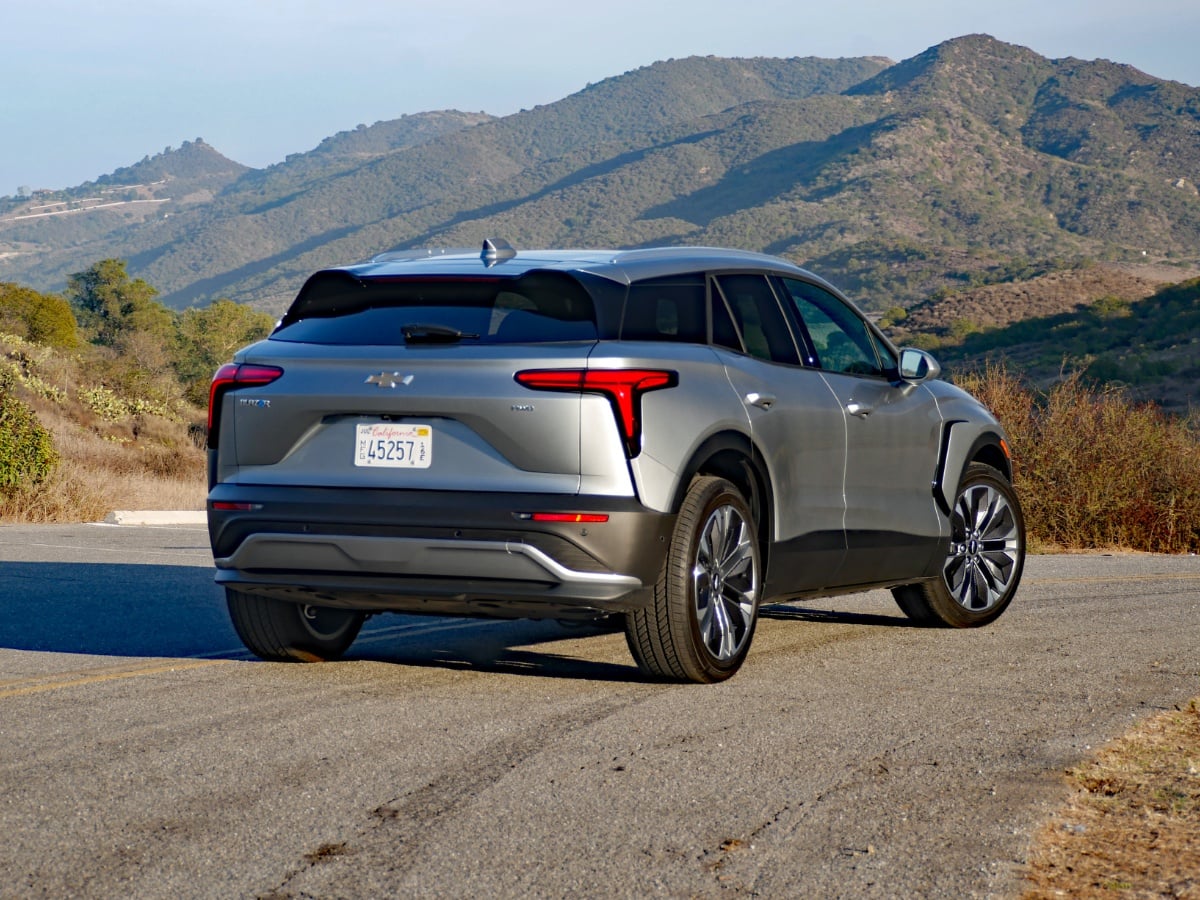
Photo: James Riswick
The Chevy Blazer EV is a stylish, family-friendly EV that isn’t too weird to put off those a bit weary of going electric. Its huge back seat, solid EV specs, and compelling tech (minus the lack of Apple CarPlay) make it a strong choice for EV vets and newbies alike.
James Riswick has tested and reviewed cars since 2007, serving as an editor at Edmunds.com and Autoblog. He has attended an auto show every year since he was two and wanted to be an automotive journalist since high school. He resides in Southern California with his wife, preschooler son, and two elderly dogs. He owns a 1998 BMW Z3, a 2013 Mercedes-Benz E350 Wagon, and a 2023 Kia Niro EV.


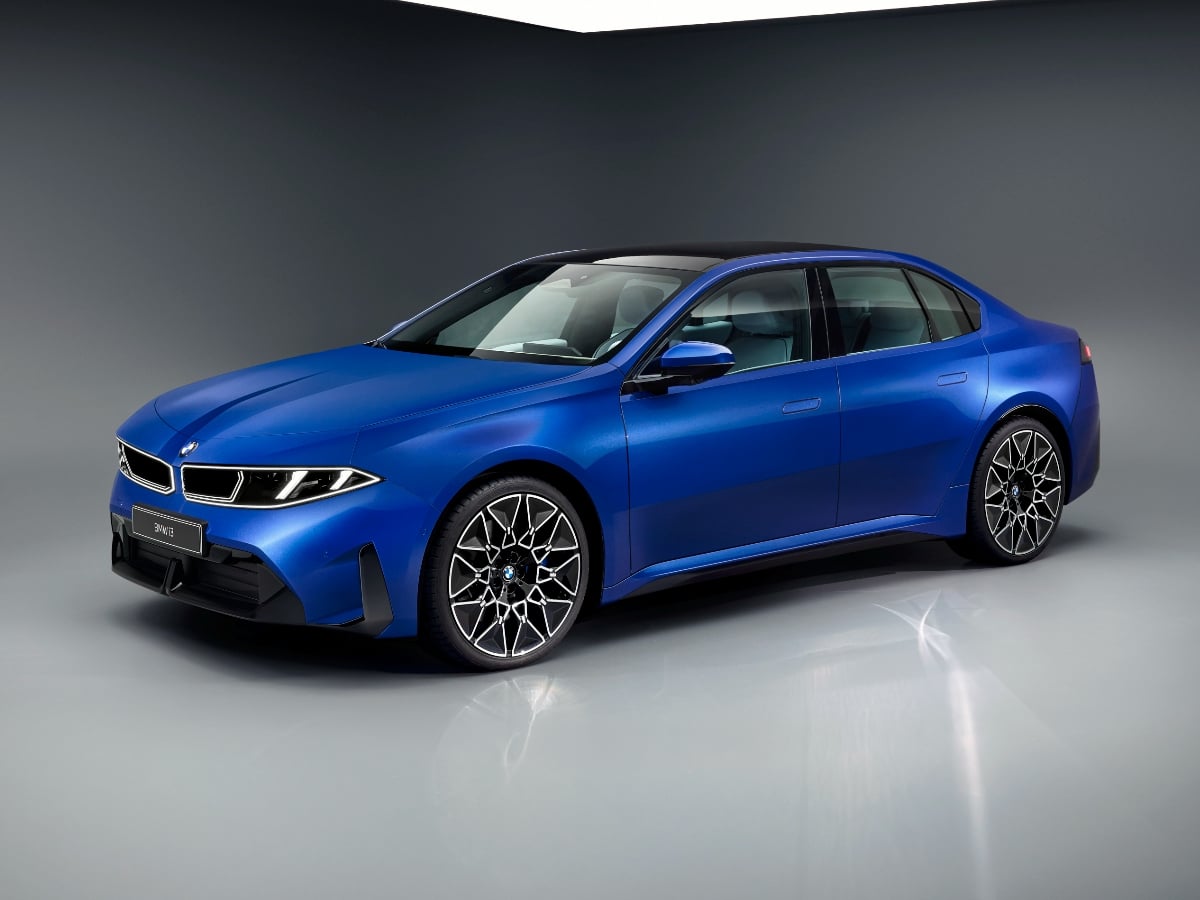
The new 2027 BMW i3 boasts an estimated range of up to 440 miles, 400-kilowatt DC fast charging capability, bidirectional charging to a home or the grid, and next-generation technology.
Read the Full Article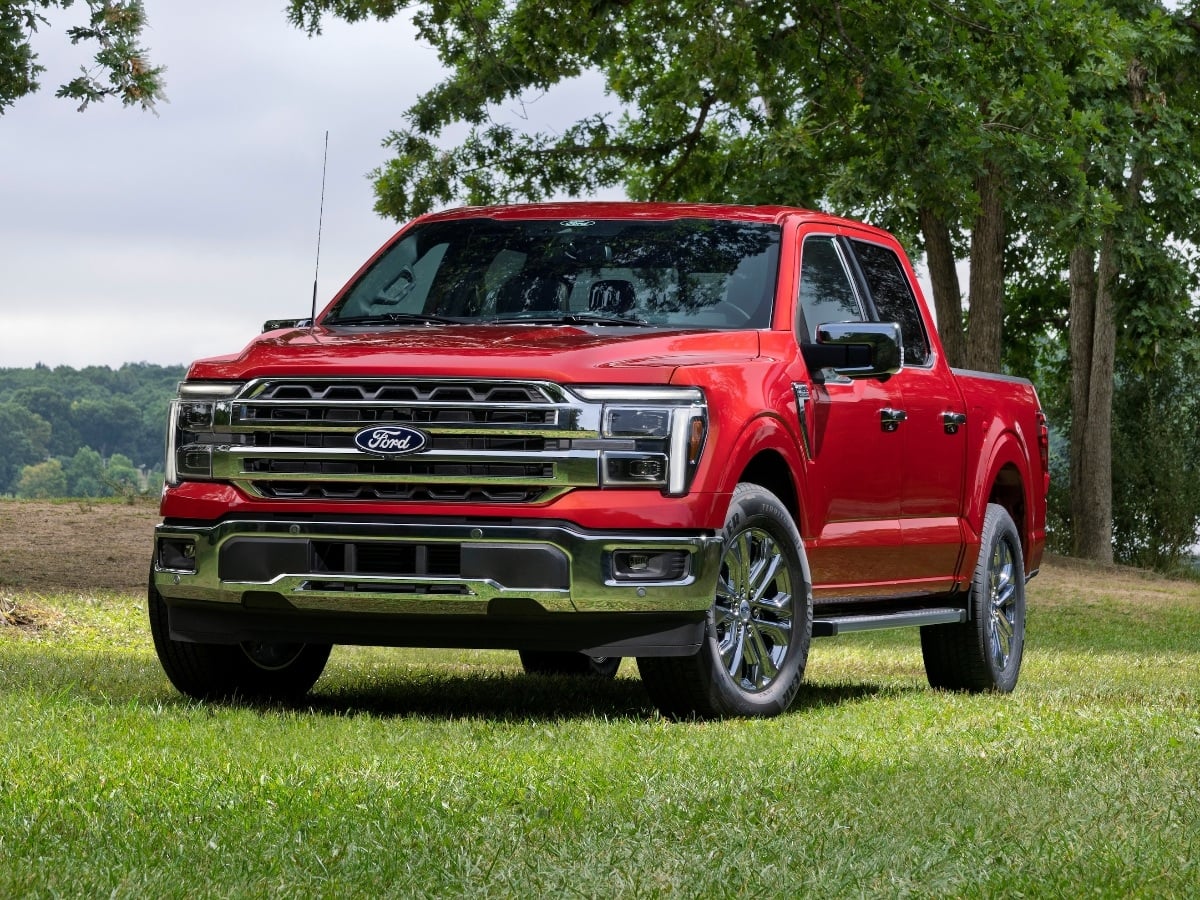
Facing renewed competition in the full-size, light duty pickup truck segment, the 2027 Ford F-150 receives subtle styling updates, a new standard engine, broader availability of its 5.0-liter V8, and ...See More
Read the Full Article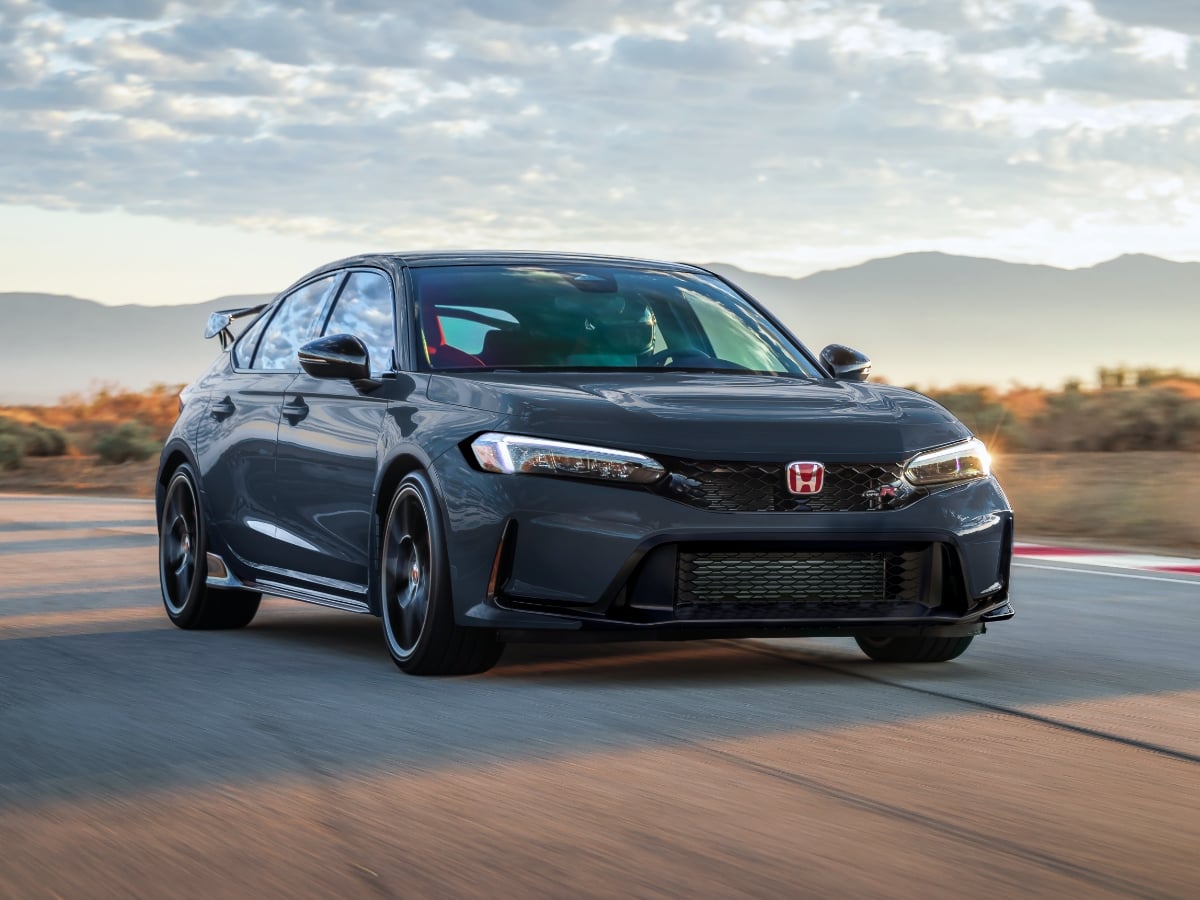
The 2027 Civic Type R goes on sale in October 2026, and it starts at $49,990, including the $1,295 destination charge.
Read the Full Article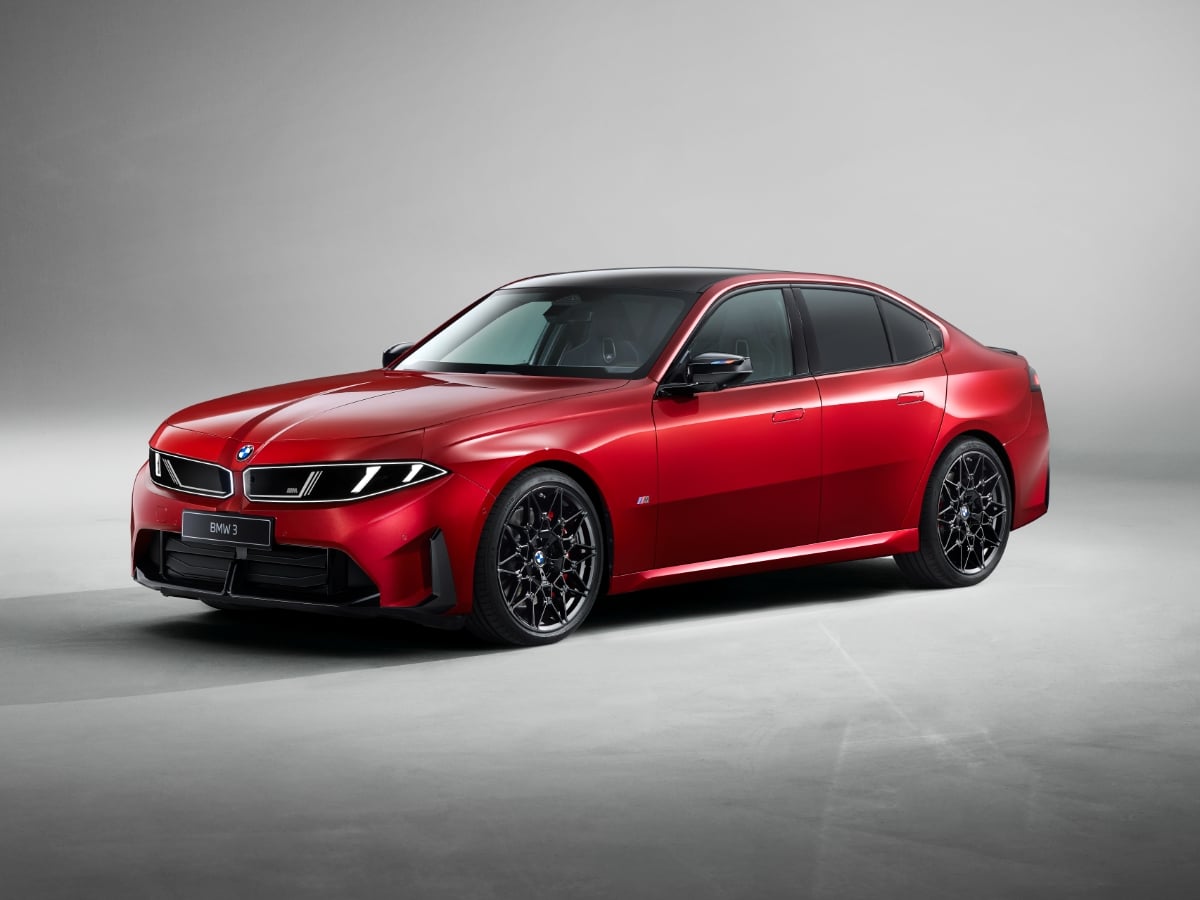
Part of BMW’s Neue Klasse (new class) rollout of redesigned models, the 2027 BMW 3 Series is all-new and goes on sale in the first quarter of 2027.
Read the Full Article